


If your toddler seems to reject everything except crackers and cheese, you’re not alone. Picky eating is a normal stage of development, but it can test even the most patient parents. The good news? With gentle consistency, you can help your child build a positive relationship with food.
Dr. Layla Nguyen, Pediatric Nutritionist: “Picky eating is often a sign of a toddler’s growing independence. How we respond can shape their eating habits for life.”
Why Toddlers Become Picky Eaters
✔️ Natural drop in appetite after infancy
✔️ Preference for routine and predictability
✔️ Newfound desire for control over choices
✔️ Sensory sensitivities to taste, texture, or smell

Picks From This Story
Picks related to this guide, ready to ship from Moogco.
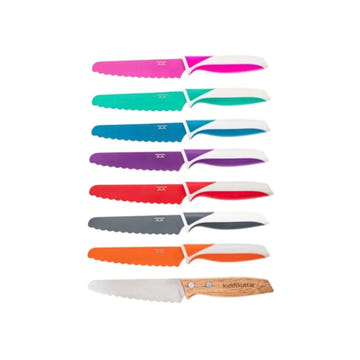
KiddiKutter Training Knife for Children 3+ (More col...
$18.99
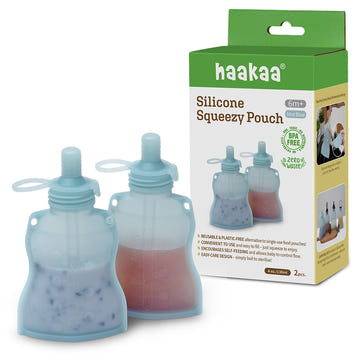
Haakaa Silicone Yummy Pouch 4.5 oz
$13.56
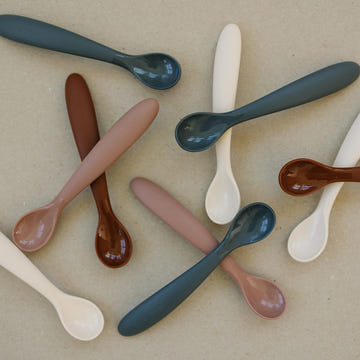
Mebie Baby Silicone Spoon Sets BPA Free Soft Dishwas...
$5.00
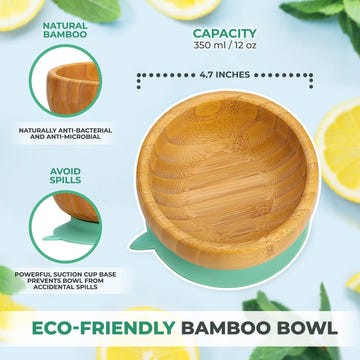
The Teething Egg Bamboo Bowl with Suction Base Natur...
$17.95
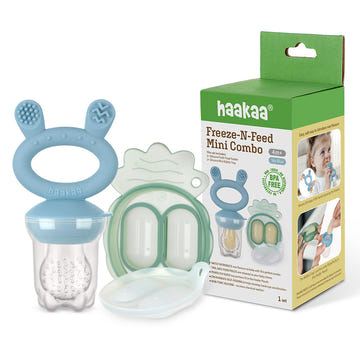
Haakaa Freeze-N-Feed Mini Combo Fresh Food Feeder Set
$19.90
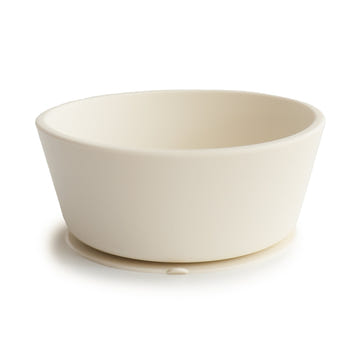
Mushie Silicone Suction Bowl for Babies Learning to ...
$14.99
Common Picky Eating Behaviors
✔️ Refusing new foods or previously liked foods
✔️ Wanting the same meal every day
✔️ Throwing or playing with food at the table
Free US shipping over $100
Real essentials, picked by real moms
Take 25% off at checkout, applied automatically when you shop through this link.
Shop with READER25 →Free US shipping over $100. Code applies automatically at checkout.
How to Encourage Healthy Eating Without Battles
1. Keep Mealtimes Low-Pressure
✔️ Don’t bribe, force, or punish
✔️ Serve small portions and let them decide what and how much to eat
2. Stick to a Meal and Snack Schedule
✔️ Offer meals every 2–3 hours
✔️ Avoid grazing in between to build healthy hunger cues
3. Be a Role Model
✔️ Eat together and enjoy a variety of healthy foods yourself
✔️ Talk positively about trying new things
4. Offer a Variety—Without Pressure
✔️ Include 1–2 familiar foods at each meal
✔️ Keep offering new foods without making a big deal
5. Get Them Involved
✔️ Let toddlers help wash veggies, stir ingredients, or pick a fruit at the store
✔️ Involvement builds interest and ownership
💡 Tip: It can take 10–15 exposures before a child accepts a new food—keep offering, even if they don’t eat it right away.
More Related Picks
A few more favorites from the same collection.
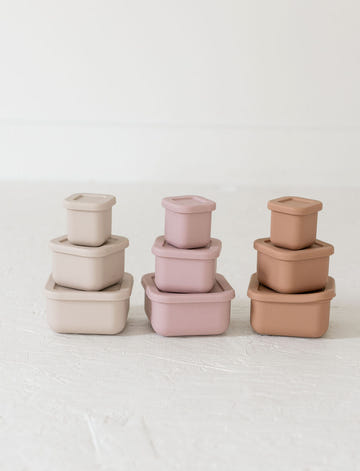
ShopMyLittleSongbird Silicone Bento Box Set of 3 wit...
$15.99
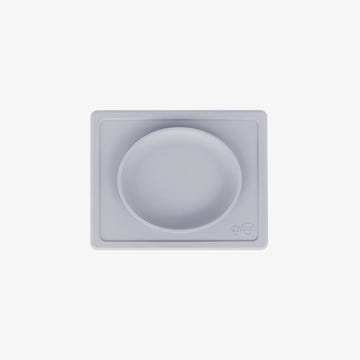
ezpz Tiny Plate open plate for self-feeding and uten...
$18.99
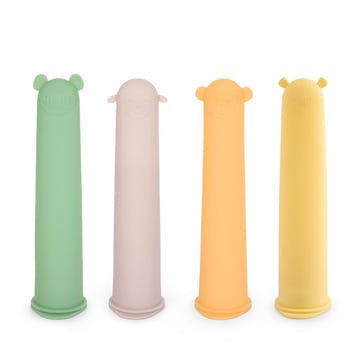
Haakaa Silicone Ice Pop Mold 1 pk 3.5 oz
$9.45
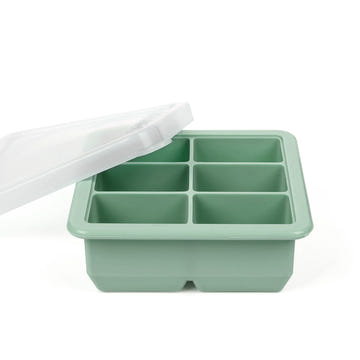
Haakaa Baby Freezer Tray Silicone 4 6 9 Compartment ...
$17.43
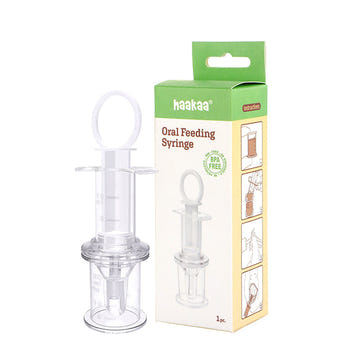
Haakaa Oral Feeding Syringe 10ml 1 pk soft silicone ...
$8.99

Mushie Silicone Feeding Spoons Soft Flexible Tip Lig...
$12.99
When to Seek Help
✔️ Extreme food restriction (only 5 or fewer foods)
✔️ Trouble chewing or swallowing
✔️ Significant weight loss or growth issues
✔️ Anxiety around food or mealtimes
If you’re concerned, speak to your pediatrician or a pediatric feeding specialist.
Dr. Max Rivera, Developmental Pediatrician: “A peaceful mealtime routine teaches toddlers to listen to their bodies and builds long-term food confidence.”
The Role of Moogco Silver Nursing Cups
Still breastfeeding your picky toddler? Nursing can be a source of nutrition and comfort during mealtime battles. Moogco Silver Nursing Cups soothe sore nipples naturally, supporting moms throughout the toddler years.
📌 Try them here: Moogco Silver Nursing Cups on Amazon
Final Thoughts: Progress, Not Perfection
Picky eating is often just a phase—but your calm, consistent support makes a lasting impact. Celebrate small wins, keep meals relaxed, and trust that your toddler will learn to enjoy a wide range of healthy foods over time.
🛒 Explore feeding tools and support products at Moogco Baby.
Bring this guide home with 25% off.
Use code READER25 for 25% off →
Featured pick from Moogco
MOOGCO Silver Nursing Cups 999k Silver - BPA-Free for Babies & Toddlers
$46.90 $52.90
Shop this pick → Frequently Asked Questions
How long does the picky eating phase usually last?
Picky eating typically peaks between ages 2 and 6, though every child is different. Most children gradually become more adventurous eaters as they grow, especially when mealtimes stay positive and low-pressure. Consistency and patience during this phase help build lifelong healthy eating habits.
Should I make a separate meal if my toddler refuses dinner?
It's best to avoid becoming a short-order cook. Instead, include at least one or two foods you know your toddler likes alongside the family meal. If they choose not to eat, offer the next scheduled snack or meal without pressure. This teaches them to listen to their hunger cues without turning mealtimes into battles.
Is it normal for my toddler to eat well one day and barely anything the next?
Yes, this is completely normal. Toddlers' appetites fluctuate based on growth spurts, activity levels, and mood. What matters most is the overall pattern over a week, not what they eat in a single day. Trust that your child will eat when they're hungry if you provide regular, balanced meal opportunities.
Can I still offer my picky eater their favorite foods every day?
Yes, it's fine to include familiar favorites at meals. Pairing preferred foods with new or less-liked options reduces stress and increases the chance your toddler will try something new. The key is variety over time, not perfection at every single meal.
What should I do if my toddler only wants snacks and refuses meals?
Stick to a structured meal and snack schedule, offering food every 2 to 3 hours. Avoid grazing or constant snacking between these times, as it can reduce hunger at mealtimes. When toddlers come to the table genuinely hungry, they're more likely to try the foods you offer.
How can I tell if picky eating is actually a feeding disorder?
Warning signs include eating fewer than 10 to 15 foods, choking or gagging frequently, significant weight loss, or visible distress around meals. If your child's eating is affecting their growth, health, or family life, consult your pediatrician or a pediatric feeding specialist for an evaluation.
Should I hide vegetables in my toddler's food to get them to eat more?
While sneaking veggies can add nutrition short-term, it doesn't teach your child to accept those foods openly. It's better to serve vegetables plainly alongside preferred foods and model eating them yourself. Over time and with repeated exposure, toddlers often learn to enjoy foods they once refused.
Can breastfeeding a picky eater affect their appetite for solid foods?
Breastfeeding can still be part of a balanced diet for toddlers, offering comfort and nutrition. If you're concerned about appetite, offer solids first at mealtimes, then nurse afterward. Many toddlers naturally balance nursing with solid food intake as they grow, especially when meals are offered consistently and without pressure.
From Moogco Studio
Printable and personalized nursery essentials. Designed by moms for moms.


About the Editor
Eda Ulger is the editor at Moogco Baby and a mom of two. She curates and edits our guides so every piece is honest, practical, and genuinely helpful for the early days of motherhood.
Shop This Story
Picks related to this guide, ready to ship from Moogco.

Set of 3 Utensils
$20.95
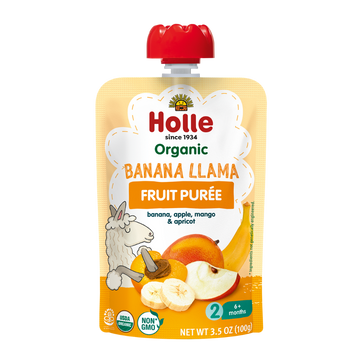
Holle Organic Banana Llama Fruit Purée Pouch Banana ...
$39.99
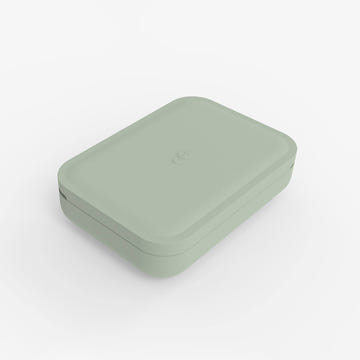
ezpz Baby-Led Weaning Travel Box all-in-one feeding ...
$19.99
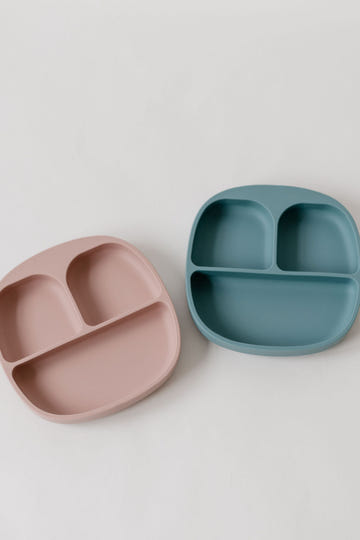
ShopMyLittleSongbird Silicone Plates with Suction 7 ...
$15.99
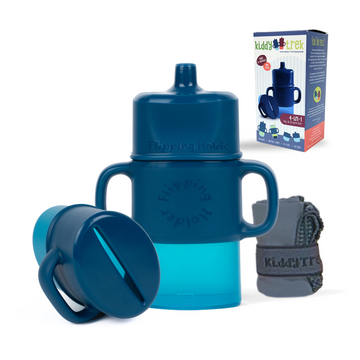
Flipping Holder KiddyTrek 4-in-1 Sip & Snack Set travel
$20.00
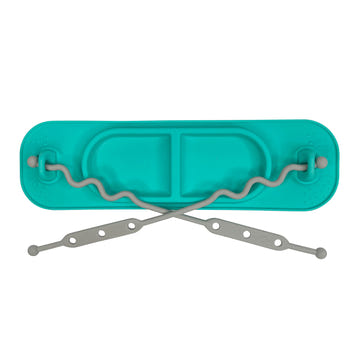
Busy Baby Mini Mat with Toy Straps compact placemat ...
$20.00
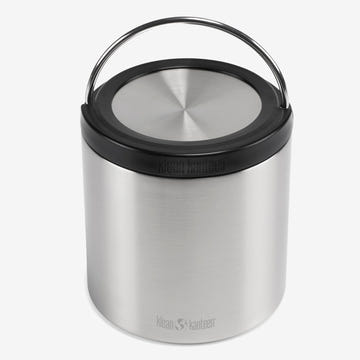
Klean Kanteen 32oz TKCanister Insulated Food Caniste...
$41.95
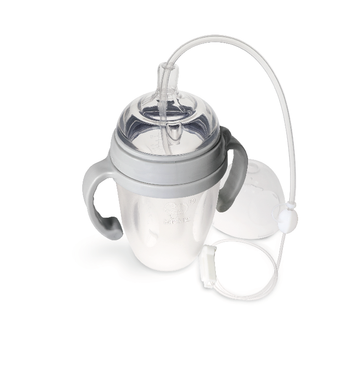
Haakaa Supplemental Feeding Combo 250ml Bottle with ...
$32.99
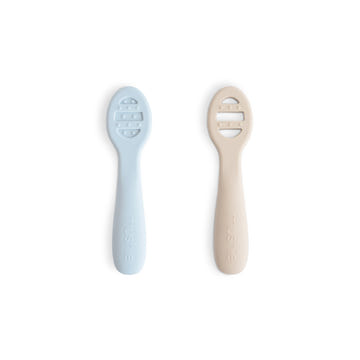
Mushie First Feeding Baby Spoons Stage 1 Solid Stage...
$14.99
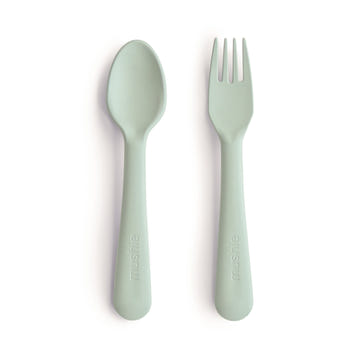
Mushie Dinnerware Fork and Spoon Set soft colors
$7.99