


Breastfeeding is a natural and rewarding way to nourish your baby, but it can also come with challenges and require some adjustments. As a new mother, understanding how to adapt to breastfeeding can make the experience more comfortable and successful for both you and your baby. In this blog post, we’ll explore key strategies for adapting to breastfeeding, overcoming common challenges, and how Moogco silver nursing cups can support you on your journey.
Preparing for Breastfeeding
Educate Yourself: Before your baby arrives, take the time to learn about breastfeeding. Attend prenatal breastfeeding classes, read reputable books and articles, and seek advice from experienced mothers or lactation consultants. Understanding the basics of breastfeeding can help you feel more prepared and confident.
Create a Supportive Environment: Surround yourself with supportive family members and friends who understand the importance of breastfeeding. A positive support system can provide encouragement and practical help during the early days of breastfeeding.
Gather Essential Supplies: Invest in a few key breastfeeding supplies, such as comfortable nursing bras, breast pads, and nipple cream. Moogco silver nursing cups are an excellent addition, offering natural antibacterial protection and promoting healing.
Establishing Breastfeeding
Skin-to-Skin Contact: Initiate breastfeeding as soon as possible after birth with skin-to-skin contact. This helps regulate your baby’s body temperature, heart rate, and breathing, and encourages the natural rooting and sucking reflexes.
Frequent Feedings: In the early days, feed your baby frequently, ideally 8-12 times in a 24-hour period. Frequent feeding helps establish and maintain your milk supply and ensures your baby receives adequate nutrition.
Finding the Right Position: Experiment with different breastfeeding positions to find what works best for you and your baby. Common positions include the cradle hold, cross-cradle hold, football hold, and side-lying position. A comfortable position can make a significant difference in your breastfeeding experience.
Overcoming Common Challenges
Latching Difficulties: A proper latch is crucial for effective breastfeeding. If you’re having trouble, seek help from a lactation consultant who can provide guidance on achieving a good latch. Remember that a good latch should feel comfortable and your baby’s mouth should cover a large part of the areola, not just the nipple.
Sore or Cracked Nipples: Breastfeeding can sometimes cause sore or cracked nipples, especially in the beginning. Moogco silver nursing cups provide natural antibacterial protection and promote healing. Their smooth surface reduces friction and irritation, ensuring a more comfortable breastfeeding experience.
Engorgement: Engorgement occurs when your breasts become overly full of milk, causing discomfort and swelling. To relieve engorgement, try feeding your baby frequently, expressing milk between feedings, and using cold compresses to reduce swelling.
Low Milk Supply: If you’re concerned about low milk supply, increase the frequency of feedings or pumping sessions. Ensure you’re staying hydrated and consuming a balanced diet. Consulting with a lactation consultant can also provide personalized advice to boost your milk supply.
Maintaining a Healthy Breastfeeding Routine
Stay Hydrated and Nourished: Drinking plenty of water and eating a nutritious diet is essential for maintaining a healthy milk supply. Focus on a balanced diet rich in fruits, vegetables, whole grains, lean proteins, and healthy fats.
Rest and Relaxation: Adequate rest and stress management play a significant role in breastfeeding success. Prioritize sleep and practice relaxation techniques, such as deep breathing, meditation, or gentle exercise, to reduce stress and support milk production.
Monitor Your Baby’s Growth: Regular pediatric check-ups help ensure your baby is growing and developing as expected. Monitoring weight gain, diaper output, and overall health provides reassurance that breastfeeding is going well.
Moogco Silver Nursing Cups: Enhancing Your Breastfeeding Journey
Moogco silver nursing cups are designed to support breastfeeding mothers by providing natural antibacterial protection and promoting healing. Their smooth surface reduces friction and irritation, making breastfeeding more comfortable. Incorporating Moogco silver nursing cups into your routine can enhance your breastfeeding experience, allowing you to focus on nourishing your baby.
Conclusion
Adapting to breastfeeding is a journey that requires patience, perseverance, and support. By educating yourself, creating a supportive environment, and addressing common challenges, you can establish a successful breastfeeding routine. Tools like Moogco silver nursing cups can further enhance your experience, ensuring comfort and health as you provide essential nourishment to your baby. Embrace the journey of breastfeeding, knowing you are giving your baby the best possible start in life.
Bring this guide home with $15 off.
Use code READER15 for $15 off →
Featured pick from Moogco
The Original Silver Nursing Cups with Silicone Pads
$62.90 $74.90
Shop this pick → Frequently Asked Questions
How long does it typically take for my milk supply to regulate after starting breastfeeding?
Most mothers find their milk supply regulates around 6 to 12 weeks postpartum, though it varies individually. During the early weeks, your body is learning how much milk your baby needs, so supply may fluctuate. Frequent nursing and responsive feeding help your body calibrate to your baby's demands. If you have concerns about supply, consulting a lactation consultant can provide personalized support.

What should I do if my baby falls asleep at the breast before finishing a feeding?
It's common for newborns to fall asleep while nursing, especially if they're comfortable and content. Try gently stroking your baby's cheek, changing their diaper mid-feed, or switching breasts to encourage them to wake and continue. If your baby is gaining weight well and producing enough wet diapers, brief feeds may be perfectly fine. Always consult your pediatrician if you're concerned about feeding adequacy.
Curated by moms, vetted by lactation pros
Picks From This Story
Picks related to this guide, ready to ship from Moogco.

momjug breastfeeding water bottle 50oz double-wall s...
$49.99
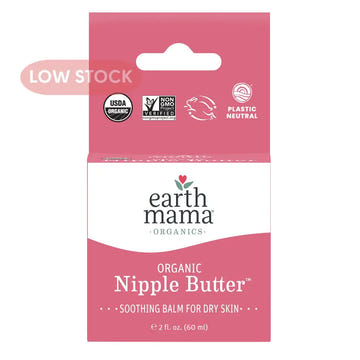
Organic Nipple Butter™ - Double-Sided for Kids
$14.99
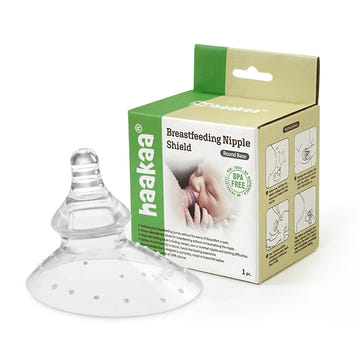
Haakaa Silicone Breastfeeding Nipple Shield Round Sh...
$19.05
Bae & Bee Boutique LactTube 5FR Pediatric Feeding Tu...
$3.00
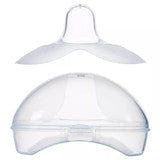
Bae & Bee Boutique Cherry Shaped Nipple Shield 21mm ...
$14.00
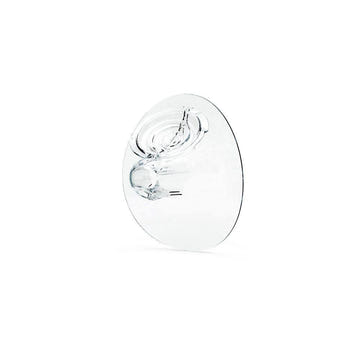
Healthy Horizons Elvie Pump Breast Shields 2 Pack 21...
$29.99
Everything for the breastfeeding journey
Take $15 off at checkout, applied automatically when you shop through this link.
Shop with READER15 →Free US shipping over $100. Code applies automatically at checkout.
Can I breastfeed if I have flat or inverted nipples?
Yes, many mothers with flat or inverted nipples successfully breastfeed with the right techniques and support. Using breast shells before feeding, trying different positions, or working with a lactation consultant can help your baby latch effectively. Some babies can draw out the nipple during nursing as they learn. Tools like nipple shields may also assist initially, though it's best to use them under professional guidance.
How can I tell if my baby is getting enough milk during breastfeeding?
Signs your baby is getting enough milk include 6 to 8 wet diapers per day, regular bowel movements, steady weight gain, and contentment after feedings. You should also hear swallowing sounds during nursing and notice your breasts feeling softer after feeds. Your pediatrician will monitor growth at regular check-ups to confirm your baby is thriving.
Is it normal for one breast to produce more milk than the other?
Yes, it's completely normal for one breast to produce more milk or for your baby to prefer one side. This can happen due to differences in milk flow, nipple shape, or even how you hold your baby. To encourage balance, try offering the less-preferred breast first at each feeding. Over time, production usually evens out, though some asymmetry may persist and is not a concern.
More Related Picks
A few more favorites from the same collection.

Mila's Keeper Silicone Breast Milk Bottle 6 oz Stand...
$36.00
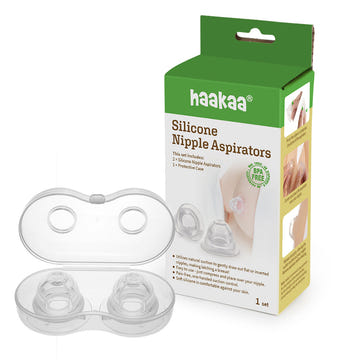
Haakaa Silicone Inverted Nipple Aspirators 2 pk
$17.99
bbhugme Pregnancy Pillow Dusty Olive Adjustable Firm...
$219.00
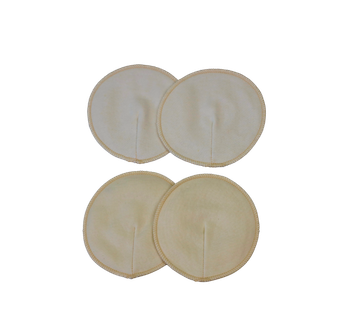
Babee Greens Contoured Nursing Pads 1 Pair Organic C...
$7.25
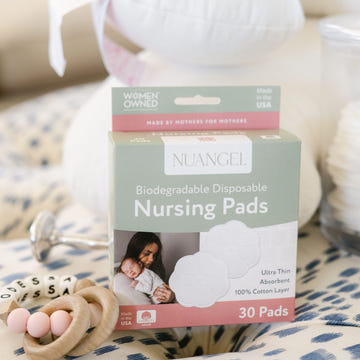
NuAngel Plant-based Disposable Nursing Pads individu...
$9.99
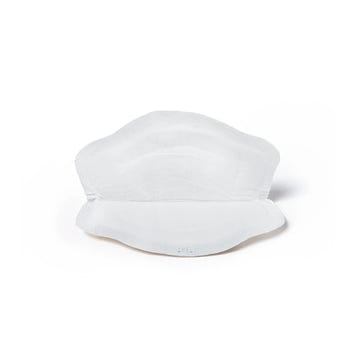
Zomee Breast Pumps Nursing Pads 100 or 200 count
$2.99
When should I introduce a pacifier without interfering with breastfeeding?
Most experts recommend waiting until breastfeeding is well established, typically around 3 to 4 weeks, before introducing a pacifier. This allows your baby to master the breastfeeding latch without confusion. Once nursing is going smoothly, pacifiers can be safely offered for comfort or sleep. Always follow your pediatrician's guidance based on your individual situation.
What are growth spurts and how do they affect breastfeeding patterns?
Growth spurts are periods when your baby grows rapidly and may suddenly nurse more frequently, often around 2 to 3 weeks, 6 weeks, 3 months, and 6 months. During these times, your baby's increased feeding naturally boosts your milk supply to meet their needs. Growth spurts typically last a few days, after which feeding patterns usually return to normal. Stay responsive to your baby's cues and nurse on demand.
Can I continue breastfeeding if I return to work or need to be away from my baby?
Absolutely, many mothers successfully continue breastfeeding after returning to work by pumping during the day and nursing when together with their baby. Establishing a pumping routine, storing milk properly, and communicating with your employer about break times can help maintain your supply. With planning and support, you can provide breast milk for your baby even when apart.
From Moogco Studio
Printable and personalized nursery essentials. Designed by moms for moms.


About the Editor
Eda Ulger is the editor at Moogco Baby and a mom of two. She curates and edits our guides so every piece is honest, practical, and genuinely helpful for the early days of motherhood.
Shop This Story
Picks related to this guide, ready to ship from Moogco.

Holistic Lactation Advanced Lactation Formula 30 Ser...
$34.99
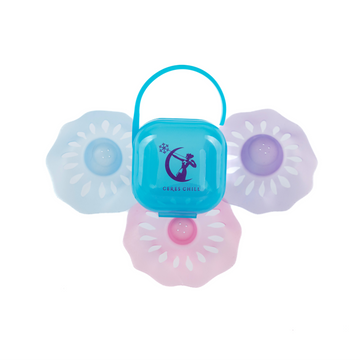
Ceres Chill Shield Maiden Nipple Shields 2pc or 3pc ...
$14.50

WishGarden Herbs Milk Rich Supply Booster pump top b...
$26.99

Wendy Anne Lounger Slip Cover Organic Cotton Waterpr...
$49.00
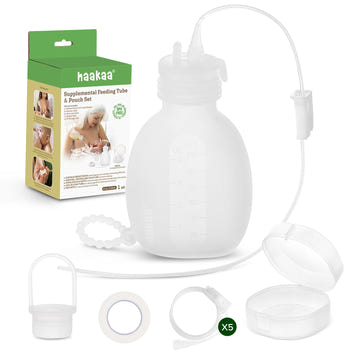
Haakaa Supplemental Feeding Tube and Pouch Set Size ...
$33.99

Milky Mama Dairy Duchess Raspberry Breastfeeding Sup...
$27.00

Preggie Drops Plus Morning Sickness Relief Lollies, ...
$13.75
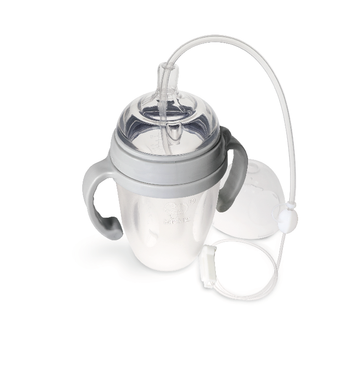
Haakaa Supplemental Feeding Combo 250ml Bottle with ...
$32.99

Euphoric Herbals Milk Machine lactation supplement 2...
$19.99

Euphoric Herbals Super Salve Nursing Salve no essent...
$10.00