


Figuring out what your baby should wear to bed can feel like solving a puzzle every single night. I've been there! But the secret isn't just guesswork. It really comes down to two simple things: the temperature of your room and the TOG (Thermal Overall Grade) of your baby's sleepwear.
Watch our video guide
Think of TOG as a warmth rating for fabric, just like the tog rating on your own duvet. The higher the number, the cozier and warmer it is.
Your Quick Guide to Dressing Baby for Bedtime
Creating a safe and comfy sleep space is one of the most important jobs we have as parents. A baby who is too hot or too cold simply won't sleep well, and more importantly, overheating is a safety risk we all want to avoid.

You’ve probably heard the old rule of thumb: dress your baby in one more layer than you’d wear yourself. While that’s a decent starting point, it can feel a bit vague, right? That’s where the TOG system is a game-changer. It takes the anxiety out of the equation.
Free US shipping over $100
Real essentials, picked by real moms
Take 20% off at checkout, applied automatically when you shop through this link.
Shop with BABY20 →Free US shipping over $100. Code applies automatically at checkout.
By matching the TOG of your baby’s sleep sack or swaddle to the temperature in the nursery, you can feel confident they're just right. Often, a simple cotton onesie paired with the right wearable blanket is all you'll need.
This visual guide is a fantastic starting point for figuring out that perfect combination.
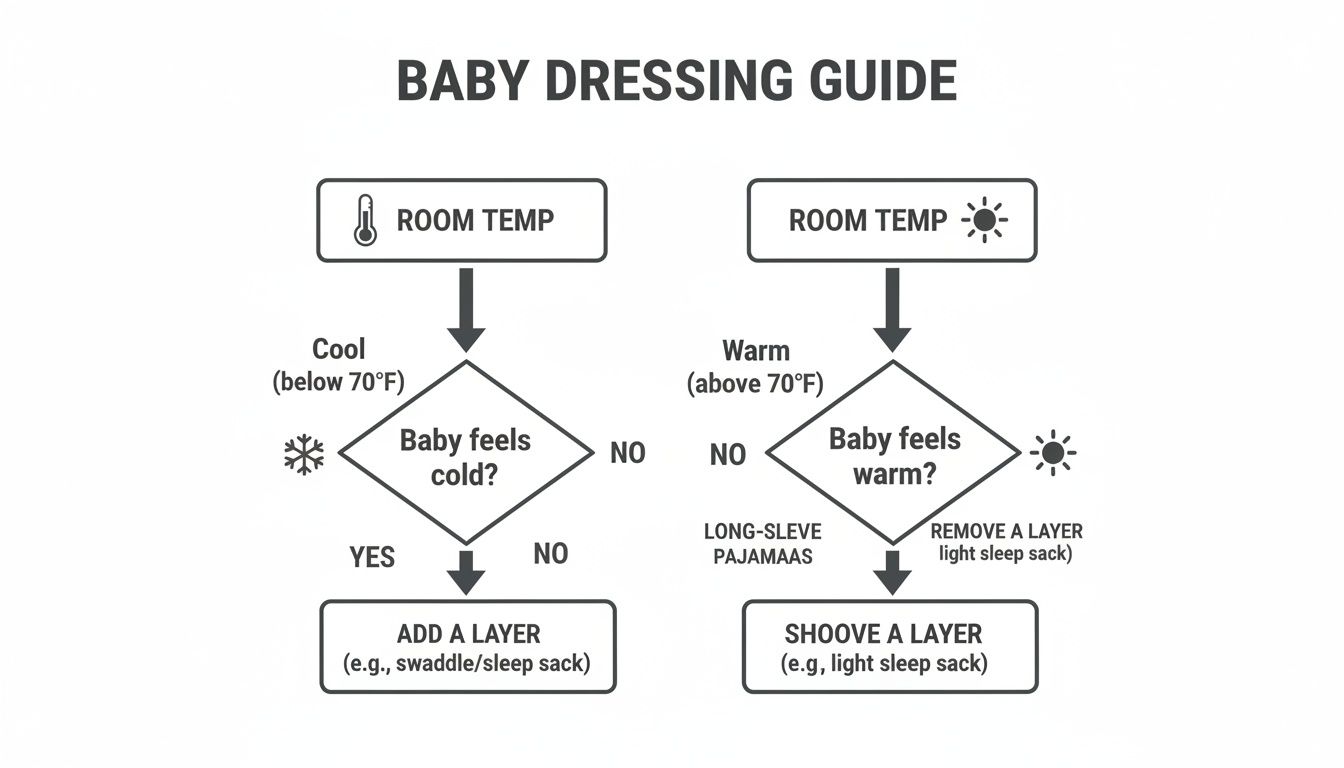
As you can see, it's a pretty straightforward relationship: as the room gets cooler, the TOG rating goes up to keep your little one snug without causing them to overheat.
For a handy reference you can save to your phone, here’s a quick-glance table.
Quick Guide to Dressing Baby for Sleep by Room Temperature
This table provides a quick reference for dressing your baby based on the room's temperature and the corresponding TOG rating for their sleepwear.
| Room Temperature (Fahrenheit) | Room Temperature (Celsius) | Recommended TOG Rating | What Baby Should Wear |
|---|---|---|---|
| 75-81°F | 24-27°C | 0.2 - 0.5 TOG | Short-sleeved onesie or just a diaper. |
| 69-74°F | 21-23°C | 1.0 TOG | Long-sleeved onesie or pajamas under a 1.0 TOG sleep sack. |
| 61-68°F | 16-20°C | 2.5 TOG | Long-sleeved onesie and pajamas under a 2.5 TOG sleep sack. Add socks if their feet feel cool. |
| Below 60°F | Below 16°C | 3.5 TOG | Long-sleeved onesie, fleece pajamas, and a 3.5 TOG sleep sack. Socks are a good idea. |
Just remember, this is a guide! Always check your baby's temperature by feeling the back of their neck or their chest to make sure they're not too hot or too cold.
Understanding the Basics of Layering
Layering is your best friend when it comes to dressing your baby for sleep. Instead of one super-thick sleeper, using a few thin, breathable layers gives you the flexibility to get the temperature just right.
For newborns, this often means swaddling. A snug but breathable baby swaddle wrap blanket can work wonders for helping them feel secure and sleep soundly. As they get bigger and start to roll, you'll transition from the swaddle to a sleep sack, which becomes their main "blanket" layer.
The goal here is consistency. A baby's body learns to associate certain feelings with sleep, and slipping into a cozy sleep sack every night can become a powerful cue that it’s time to wind down.
It’s no surprise that parents are focused on getting sleep right. The global baby sleepwear market was valued at about USD 10.5 billion in 2023 and is expected to grow significantly. It just shows how much we all value creating that perfect, safe sleep routine for our little ones.
Why Less Is Often More
It’s so easy to worry our babies will get cold, and the instinct is to bundle them up. But it’s actually safer for a baby to be slightly cool than too warm. Overheating is a real risk, so it's crucial to avoid things like heavy blankets, fleece pajamas in a warm room, or putting a hat on them to sleep indoors.
Here’s a simple checklist to run through:
- Base Layer: Start with a simple, breathable cotton onesie. Whether it’s short or long-sleeved will depend on your room's temp.
- Warmth Layer: Add a swaddle or a sleep sack with the right TOG for the room.
- Safety Check: Always, always place your baby on their back to sleep in a crib with a firm mattress and a fitted sheet. Keep the crib completely clear of loose blankets, pillows, bumpers, and toys.
Ultimately, learning how to dress your baby for sleep is all about building your confidence. Once you get the hang of checking the room temp and understanding TOG ratings, you’ll be able to create a safe and comfortable sleep environment every night without a second thought. For more helpful tips, check out our guide on how to choose baby clothes.
Picks From This Story
Picks related to this guide, ready to ship from Moogco.
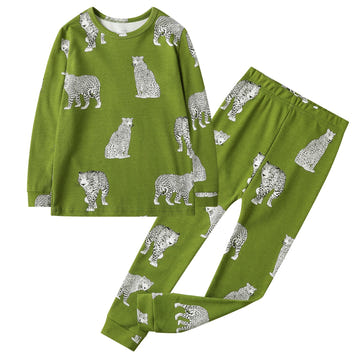
Little Martin's Drawer 100% Organic Cotton Toddler P...
$24.00
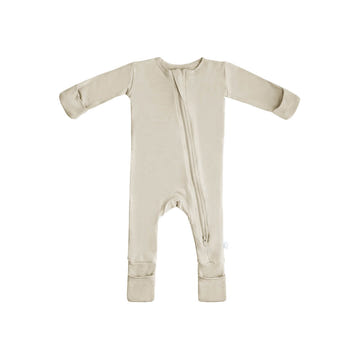
Dreamland Baby Baby Bamboo Pajamas w/ DreamCuffs® Vi...
$36.00
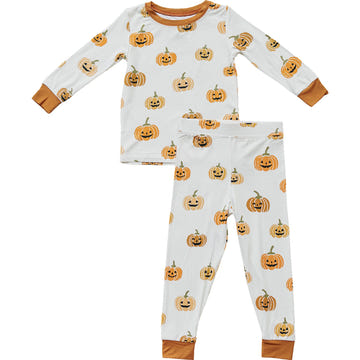
Mebie Baby Pumpkins Bamboo Cozy Set long sleeve top ...
$20.00
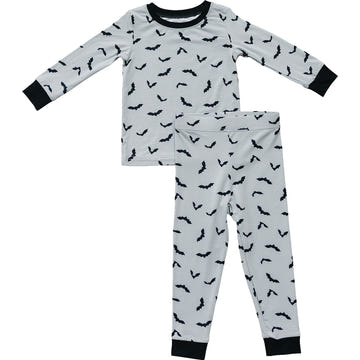
Mebie Baby Bats Bamboo Cozy Set long sleeve top and ...
$20.00
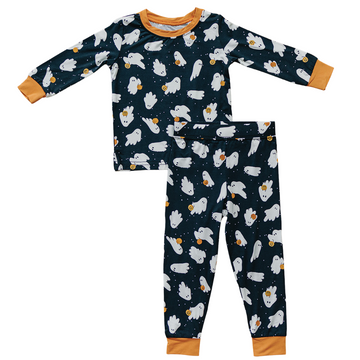
Mebie Baby Ghosts Bamboo Cozy Set Halloween Print
$20.00
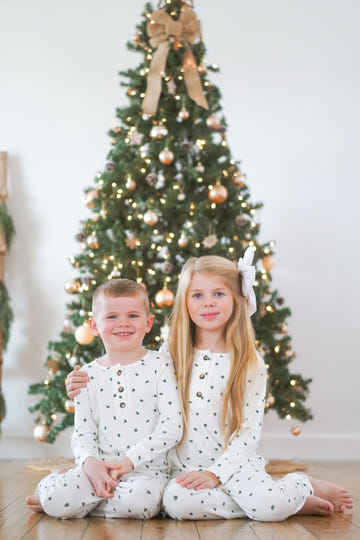
Little Joy Co Tiny Trees Ribbed Bamboo Henley Pajama...
$36.00
Choosing the Best Sleepwear Fabrics for Your Baby
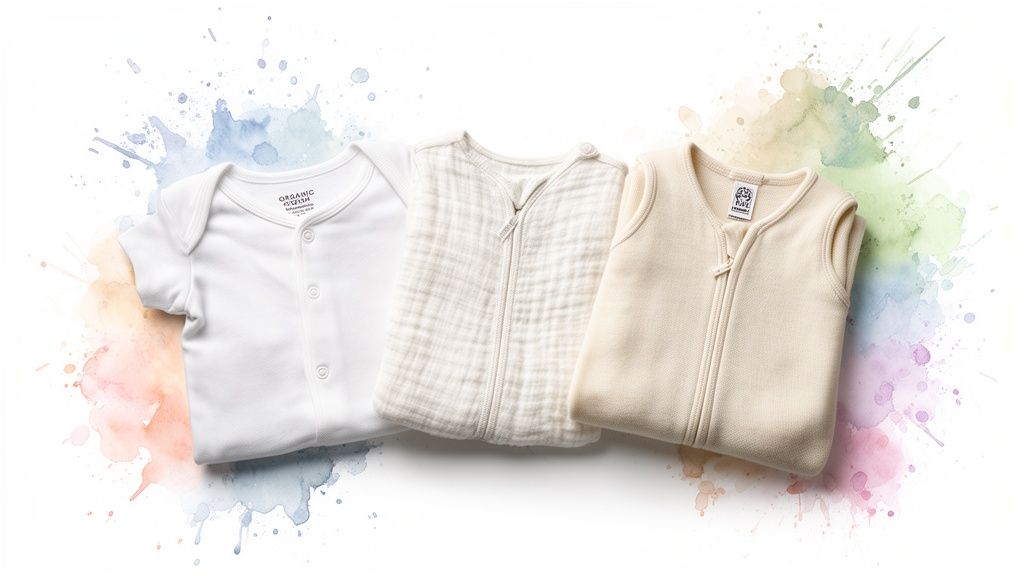
The material touching your baby's delicate skin all night is a bigger deal than you might think. It plays a huge role in their comfort and how well they (and you!) sleep. When you're figuring out what your baby should wear to bed, the fabric is just as crucial as the number of layers.
Let's face it: a baby’s skin is incredibly thin and sensitive, and they just aren't great at regulating their own body temperature yet. Fabrics that feel scratchy or trap heat are a recipe for a fussy, uncomfortable baby—and a very long night. Sticking with natural, breathable materials is always the best way to go.
The Best Natural Fabrics for Sleep
Soft, airy fabrics help keep your little one cozy, reduce the risk of them getting too hot, and prevent skin irritation. When you're browsing the sleep sack aisle, looking for options like organic cotton for a little one's comfort and wellbeing is a great starting point for a peaceful night.
Here are a few parent-approved favorites:
- Organic Cotton: This is the gold standard for good reason. It’s unbelievably soft, naturally hypoallergenic, and lets air circulate freely to keep your baby from overheating.
- Bamboo Viscose: Known for its silky, buttery texture, bamboo also wicks moisture away from the skin. It’s a fantastic choice for warmer nights or babies who tend to get a little sweaty.
- Merino Wool: Don't let the word "wool" scare you! Merino is an ultra-fine, itch-free fiber with amazing temperature-regulating powers. It keeps your baby warm when it's chilly and cool when it's warm.
It’s no surprise that cotton is a top pick for parents everywhere. It’s become the go-to material in the baby sleepwear world because of its proven track record for safety and comfort on sensitive skin. In fact, the cotton segment is projected to reach a value of USD 26.2 billion by 2030, which just shows how much parents trust this natural fiber.
Navigating all the fabric choices can feel overwhelming, so here's a quick comparison to help you decide what's best for your little one's sleep.
Baby Sleepwear Fabric Comparison
| Fabric Type | Key Benefits | Best For | Things to Consider |
|---|---|---|---|
| Organic Cotton | Hypoallergenic, breathable, very soft, durable | Everyday wear, all seasons, sensitive skin | Can take longer to dry than synthetics |
| Bamboo Viscose | Silky smooth, moisture-wicking, antibacterial | Warm climates, babies prone to sweating | Can be more delicate; follow care instructions |
| Merino Wool | Superior temperature regulation, naturally flame-resistant | All-season layering, both cold and warm rooms | Can be a higher price point |
| Fleece (Polyester) | Very warm, lightweight, dries quickly | Cold climates, unheated rooms | Not very breathable; risk of overheating |
Ultimately, choosing a fabric often comes down to your climate, your baby's skin sensitivity, and personal preference. You'll quickly learn what your little one seems most comfortable in.
Why Breastfeeding Comfort Matters for Sleep
A comfortable baby often starts with a comfortable mom, especially during those first few hazy weeks. Nighttime feedings are a given, but they don't have to be a painful ordeal that ruins everyone's chance at rest.
One mom, Jessica, told us how sore, cracked nipples almost made her give up on breastfeeding entirely. The pain became so intense that she dreaded every latch, and the stress was clearly affecting both her and her baby's ability to settle back down. She'd tried all the creams and pads, but nothing seemed to give her lasting relief.
"I was in tears before every feed," Jessica recalls. "My baby would get fussy because he could sense my tension. A friend recommended I try Moogco Silver Nursing Cups, and honestly, I was skeptical. But after just one day of wearing them, the difference was incredible. They naturally soothed the soreness and helped my skin heal faster than anything else I'd tried."
With the pain managed, Jessica could finally relax during those quiet, middle-of-the-night feedings. That calm energy transferred right to her baby, who started nursing more efficiently and dozing off more easily afterward. For her, these simple silver nursing cups were what allowed her to continue her breastfeeding journey and turn stressful nights into peaceful bonding moments.
Choosing the right fabrics and making sure you’re comfortable are two sides of the same coin. Both help create a calmer, more restful environment, setting the stage for better sleep right from the start. For a deeper dive into materials, check out our guide on choosing the right fabric blend for baby clothes and bedding.
Dressing Your Little One Through Every Season and Stage
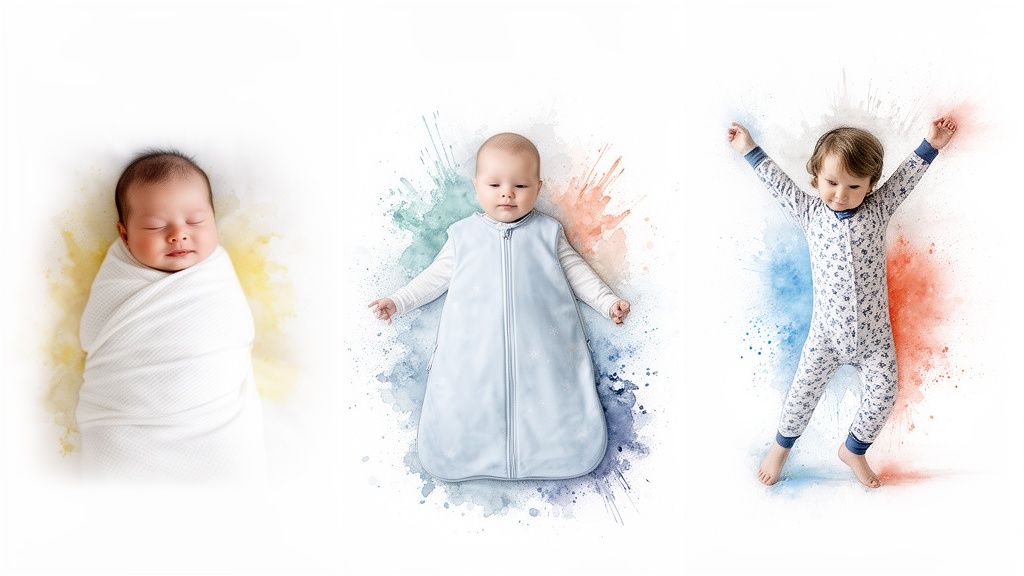
As your baby grows, their sleepwear needs change right along with them. What works for a tiny newborn won't be right for a rolling infant or an energetic toddler. The real trick is learning to adapt their bedtime outfits to match their developmental stage and the season.
A brand-new baby's world is all about feeling snug and secure, just like they were in the womb. This is exactly why swaddling becomes a parent's best friend in those first few months. That gentle, firm wrap helps tame their startle reflex, which can often jolt them awake, meaning longer, more peaceful stretches of sleep for everyone.
Of course, not all swaddles are created equal. In the middle of a summer heatwave, a feather-light cotton or muslin swaddle is your go-to. But for a chilly winter night, you'll want something cozier, like a microfleece swaddle, to keep them comfortably warm.
The Great Transition: From Swaddle to Sleep Sack
One of the first big sleepwear milestones comes when your baby starts showing signs of rolling over. For safety, this is the non-negotiable moment to stop swaddling. I know, it can feel a little daunting, but the sleep sack (or wearable blanket) is the perfect next step.
Sleep sacks give you all the warmth of a blanket without any of the risks of loose bedding in the crib. Better yet, they keep your baby’s arms free, which is crucial for them to be able to push up and reposition themselves safely.
This transition is a great time to become a pro at layering. Here’s a little cheat sheet to get you started:
- Warm Nights (75°F / 24°C): A breezy 0.5 TOG sleep sack over just a diaper might be all you need.
- Mild Nights (69-74°F / 21-23°C): Try a 1.0 TOG sleep sack paired with a simple long-sleeved bodysuit. This is often the perfect combo.
- Cold Nights (61-68°F / 16-20°C): Time to layer up! A long-sleeved bodysuit under footed pajamas, with a toasty 2.5 TOG sleep sack on top, creates ultimate coziness.
Remember, these are just starting points. You'll quickly become an expert at reading your baby's own unique comfort cues. To explore more sleepwear options as they grow, check out our guide on how to choose the perfect sleepwear for your baby.
A Mom’s Story: How Her Comfort Led to Better Sleep
A comfortable baby often leads to a more rested mom, and sometimes the connection works the other way, too. One of our community members, Amanda, told us how her breastfeeding struggles were affecting her newborn's sleep. The physical discomfort made feedings tense, and her baby would pick up on that stress, making it hard for him to settle back down.
"I was ready to give up on breastfeeding," Amanda shared. "The pain was just too much, and it was turning our nights into a nightmare. A friend recommended Moogco Silver Nursing Cups, and they were a total game-changer. They provided natural, cooling relief without any creams, and my skin healed so quickly."
With the pain gone, Amanda could finally relax during those nighttime feeds. Her calm demeanor helped her baby nurse more peacefully and drift back to sleep with ease. It's a powerful reminder that a mother's comfort is directly linked to her baby's. Supporting your own well-being with simple tools like these unique silver nursing cups can create a more serene environment for everyone, making those middle-of-the-night wakeups so much smoother.
Dressing Active Toddlers for Dreamland
Once your little one is walking, running, and maybe even attempting to climb out of the crib, their sleepwear needs to keep up. Sleep sacks are still a fantastic, safe option, but many parents find that traditional pajamas give their active toddlers more freedom of movement.
Footed pajamas are a classic choice for this age, keeping little toes warm without the hassle of socks that always seem to vanish by morning. Two-piece pajama sets are also brilliant, especially for toddlers who are starting to potty train—they make those sleepy nighttime bathroom trips much, much easier.
No matter the style, continue to prioritize breathable fabrics like cotton. Toddlers are always on the move, even in their sleep, and materials that allow for good airflow will help prevent them from getting sweaty and uncomfortable. It's all about finding that sweet spot between warmth and mobility to ensure they're dressed just right for a night of sweet dreams.
More Related Picks
A few more favorites from the same collection.
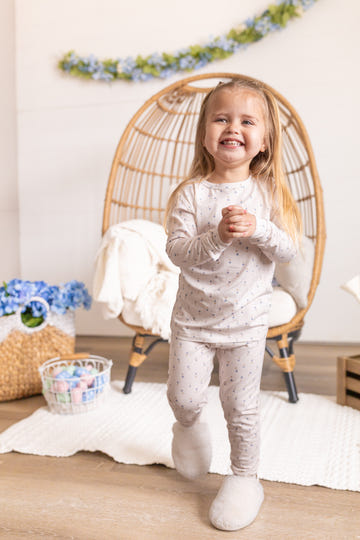
Little Joy Co Tiny Tulips 2pc Bamboo Pajamas 12-18m ...
$15.00
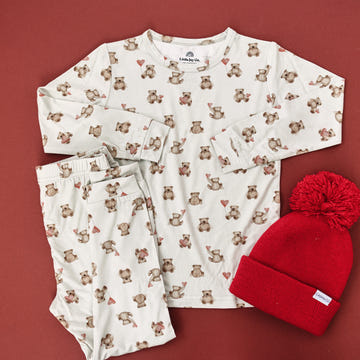
Little Joy Co Valentines Teddy Bear 2pc Bamboo Pajam...
$26.00
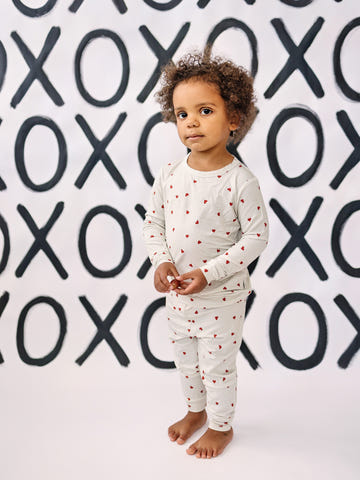
Little Joy Co Tiny Hearts 2pc Bamboo Pajamas 95% Vis...
$26.00
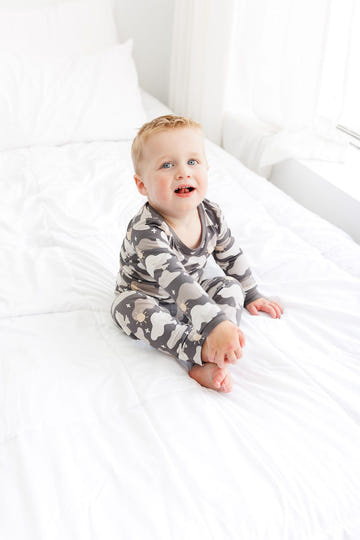
Handpicked and Chosen Creed Camo Two-Piece Set Bambo...
$36.00
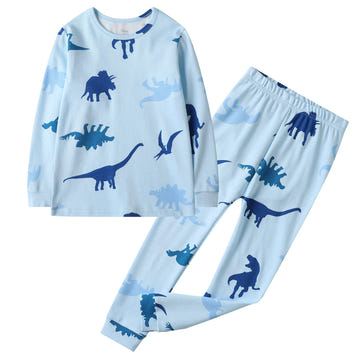
Little Martin's Drawer Toddler 2 Piece Pajama Set Bl...
$24.00
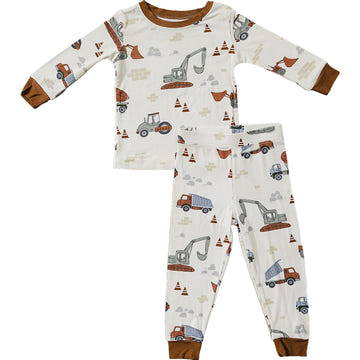
Mebie Baby Construction Trucks Ribbed Cozy Set 6-12m...
$34.00
Finding Comfort During Nighttime Feedings
A comfortable baby is a sleepy baby, but let's not forget about mom. Your comfort is a huge piece of the puzzle, especially during those quiet, 2 a.m. feedings. When you're calm and relaxed, your baby feels it, making it that much easier for both of you to drift back to sleep.
For new moms, breastfeeding is an incredible bonding experience, but it can also be physically tough. Soreness and stress can turn what should be a peaceful moment into something tense, and you can bet your baby will pick up on that anxiety.
This was exactly what happened with Sarah, a new mom who was determined to breastfeed but found it incredibly painful. She started to dread feedings, and the stress made it impossible for her and her little one to settle back down afterward. Sleep became a constant, frustrating battle.
A Success Story In Soothing Relief
Sarah had tried everything—messy creams, sticky balms, disposable pads—but nothing gave her more than a few minutes of relief. She was on the verge of giving up when a friend mentioned a totally different kind of solution: Moogco Silver Nursing Cups. Skeptical but desperate, she gave them a shot.
The results were almost immediate. "I couldn't believe it," Sarah told us. "After just one day of wearing the silver cups between feeds, the soreness started to fade. They were so simple and clean, with no creams to wipe off before nursing. It completely changed my outlook and saved my breastfeeding journey."
The secret is the 925 sterling silver. It has natural properties that soothe and help protect sore, cracked skin. For Sarah, this gentle, natural approach was the key to turning her breastfeeding journey around.
Once the pain was gone, Sarah could finally relax during those nighttime feeds. Her newfound calm was contagious. Her baby started nursing more peacefully, dozing off contentedly in her arms. What was once a source of stress became a cherished moment of connection again.
How a Mom’s Comfort Supports Baby’s Sleep
Sarah's story shines a light on something we often forget: a mother's well-being is directly tied to her baby's. When you're comfortable and at ease, you create a serene environment that tells your little one, "it's safe, you can relax."
This is why products that offer real breastfeeding relief, like these unique silver nursing cups, are more than just nice-to-haves. They're essential tools for postpartum recovery. By simplifying your routine and easing physical pain, they help lower your stress and make feeding a more positive experience for everyone. It's all connected when it comes to establishing better sleep for both you and your baby.
If you're navigating the beautiful but demanding journey of breastfeeding, finding support that actually works is everything. You can discover the same soothing relief that Sarah found by exploring the Moogco Silver Nursing Cups at the Moogco Baby store. Investing in your comfort is one of the best things you can do for your baby’s sleep. As you learn more about the delicate balance between sleep and breastfeeding, you'll see just how true that is.
Common Sleepwear Worries and Safety Checks
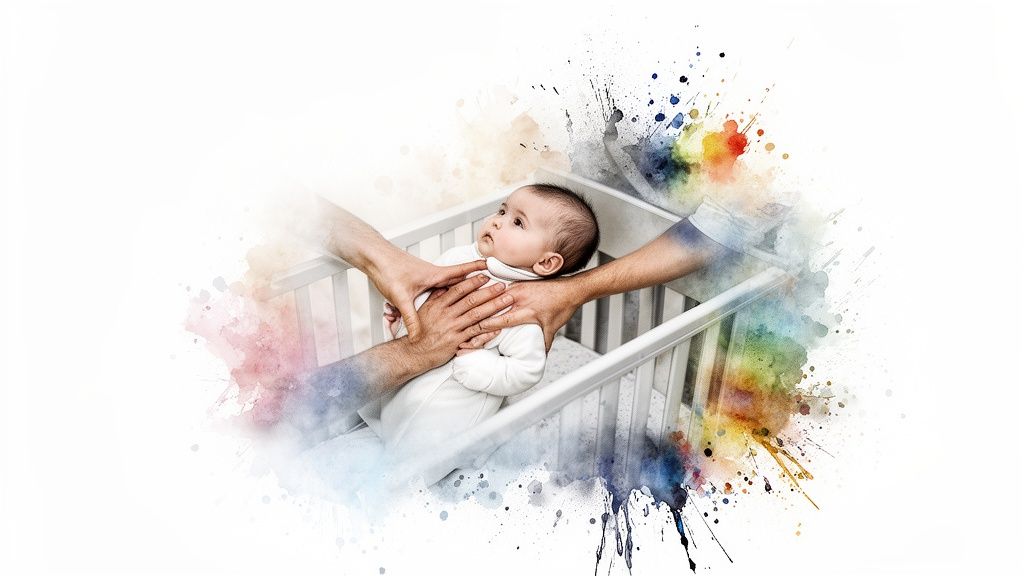
Every new parent has been there. You jolt awake in the middle of the night, your mind racing with one question: "Is my baby too warm? Or maybe too cold?" It’s a completely normal part of the journey. The good news is, you can move past that anxiety by learning a few simple troubleshooting tips and safety checks.
The first thing most of us do is reach for our baby’s hands or feet. It seems logical, right? But it’s actually not a great way to gauge their core temperature. A baby's circulatory system is still a work in progress, so chilly fingers and toes are pretty common and don't mean your little one is cold.
For a much more accurate reading, gently place your hand on the back of their neck or on their chest. These spots give you a true sense of their core body warmth. If their skin feels warm and dry, you can rest easy knowing they're comfortable.
Spotting Signs of Overheating
Keeping your baby from getting too hot is crucial for safe sleep. Overheating is a risk factor for Sudden Infant Death Syndrome (SIDS), so knowing what to look for is non-negotiable.
A baby who is too warm might have:
- A flushed or red face: Look for rosy or splotchy cheeks.
- Damp hair or a sweaty neck: Feel along their hairline and the nape of their neck for any moisture.
- Rapid breathing: Their breathing might seem a bit faster or more shallow than normal.
- A heat rash: Keep an eye out for tiny red bumps, which often appear on their neck, chest, or in skin folds.
If you spot any of these signs, it’s time to take action. The first step is to remove a layer of clothing. If they still seem overly warm, you can move them to a cooler room for a little while to help their body temperature come down naturally.
Knowing if Your Baby Is Too Cold
While overheating is usually the bigger concern, you don’t want your little one to be uncomfortably chilly either. Being too cold can wake them up and disrupt that precious sleep. A baby who is too cold might seem more lethargic than usual, and their core (chest or back) will feel cool to the touch.
Again, don't rely on their hands and feet. Focus on their torso. If their chest feels cool, it’s a good idea to add a light layer, like a bodysuit under their sleep sack, or switch to a sleep sack with a slightly higher TOG rating.
Managing Real-Life Scenarios
Let's be honest—parenting doesn't happen in a perfect bubble. Life gets messy, and knowing how to adapt can give you incredible peace of mind.
- Dressing a Baby with a Fever: When your baby has a fever, your instinct might be to bundle them up, especially if they have the chills. You actually want to do the opposite. Dress them in just a single, lightweight layer to help their body regulate its temperature. As always, if you have any concerns, give your pediatrician a call.
- When the Power Goes Out: A power outage can make a room cold, fast. The key is safe layering. A warmer sleep sack over footed pajamas or a long-sleeved bodysuit can provide warmth without the risks of loose bedding.
- Why No Hats in the Crib: They look adorable, but babies should never sleep indoors with a hat on. They release a lot of excess body heat through their heads, and covering them up can quickly lead to dangerous overheating.
- The Rule on Loose Blankets: The safest crib is an empty crib. Period. Loose blankets, pillows, stuffed animals, and bumpers are all suffocation hazards and have no place in your baby's sleep space. A well-fitted sleep sack or a swaddle is the only "blanket" your baby will ever need. To learn more about creating a secure sleep setup, check out the benefits of swaddling your baby.
By learning these simple checks and safety rules, you move from anxious guesswork to confident decision-making. Trust your instincts, but back them up with this knowledge to ensure your baby is always sleeping safely and comfortably.
Your Top Baby Sleepwear Questions, Answered
Let's be honest, even with all the charts and guides, you're still going to have questions when you're standing over the crib at midnight. You're not the first parent to wonder about these little details, and you definitely won't be the last! We’ve rounded up the questions we hear most often to give you some quick, clear answers.
Should My Baby Wear a Hat or Socks to Bed?
This is a big one, and the safety advice is crystal clear. The American Academy of Pediatrics (AAP) is firm on this: babies should never wear a hat indoors to sleep. A huge amount of heat escapes through their head, which is their body's natural way of regulating temperature. Popping a hat on can easily cause them to overheat, which is a serious risk.
And what about those tiny, adorable socks? While they seem cozy, they're usually not needed if your baby is already in footed pajamas or a proper sleep sack. It’s also completely normal for a baby's hands and feet to feel a little cool to the touch. Their circulation is still a work in progress! If you want a true read on their temperature, feel their chest or the back of their neck.
What’s the Difference Between a Swaddle and a Sleep Sack?
Think of them as tools for different jobs at different stages.
A swaddle is that snug blanket wrap you use for newborns. It’s meant to recreate that tight, secure feeling of being in the womb, which helps calm their startle reflex (the one that makes their arms fly out and wake them up!). Swaddling is fantastic for the early days, but you have to stop as soon as your baby even hints at being able to roll over.
That's where the sleep sack comes in. It’s essentially a wearable blanket that zips up over their pajamas. It keeps them warm without the danger of loose blankets in the crib, and it lets their arms and legs move freely. This freedom is crucial for safe movement and healthy hip development once they've graduated from the swaddle.
The big takeaway here? Swaddles and sleep sacks are both lifesavers for sleep, but knowing when to make that transition from one to the other is a critical safety step.
How Do I Know if the TOG Rating Is Really Right for My Baby?
The TOG chart is an amazing starting point, but your baby is always the final authority. Some babies just run hot, while others are little ice cubes. You'll get to know your child's preferences.
The best way to check is to wait until they've been asleep for a little while, then gently place your hand on the back of their neck or on their chest.
- Warm and dry? You've nailed it. They're perfectly comfortable.
- Sweaty or damp? They're too hot. Time to remove a layer or switch to a sleep sack with a lower TOG.
- Cool to the touch? They might be a bit chilly. Try adding a light bodysuit underneath their pajamas or moving up to a slightly higher TOG.
At the end of the day, trust your gut. Use the TOG rating as your trusted guide, not a rigid rule you can never break. Learning your baby's unique comfort cues is all part of the parenting journey.
Here at Moogco Baby, we know that a family that sleeps well is a happy family. We invite you to explore our collection of carefully chosen sleepwear and essentials, all designed to make bedtime a little bit safer and a lot more simple. From our coziest sleep sacks to nursery items that soothe, we're here to help you create a peaceful sleep space for your little one. Come find your new favorites at https://www.moogcobaby.com.
Shop Related: Browse our cozy sleepsuits & pajamas and swaddles & sleep sacks — designed for safe, comfortable baby sleep.
Bring this guide home with 20% off.
Use code BABY20 for 20% off →
Featured pick from Moogco
French Terry Racerback Nursing & Sleep Bra | Beige
$39.90
Shop this pick → Frequently Asked Questions
How do I know if my baby is too hot while sleeping?
The best way to check is by feeling the back of your baby's neck or their chest. If their skin feels sweaty, clammy, or very warm to the touch, they're likely overheating. You might also notice flushed cheeks, rapid breathing, or restlessness. Remove a layer and reassess in a few minutes.
Can I use a regular blanket instead of a sleep sack?
Loose blankets in the crib are not recommended for babies under 12 months because they pose a suffocation risk. A sleep sack or wearable blanket is a much safer alternative that keeps your baby warm without the hazards. Think of it as a blanket they can't kick off or get tangled in.
What TOG rating should I use for air-conditioned rooms?
If you're running the AC and your nursery stays between 68 and 72 degrees Fahrenheit, a 1.0 to 2.5 TOG sleep sack is usually ideal. Pair it with a long-sleeved onesie or lightweight pajamas, and always do a quick touch test on your baby's neck to make sure they're comfortable.
Is it safe to dress my baby in fleece pajamas for sleep?
Fleece can be very warm, so it's best reserved for colder rooms or used as a base layer under a lower TOG sleep sack. In moderate or warm rooms, fleece can cause overheating, which is a safety concern. Always prioritize breathable fabrics like cotton for everyday sleep.
Do newborns need different sleepwear than older babies?
Yes, newborns are often swaddled to help them feel secure and sleep better, mimicking the snug feeling of the womb. Once your baby starts showing signs of rolling over, usually around 2 to 4 months, it's time to transition to a sleep sack. The TOG and layering principles stay the same at every age.
Can I reuse my older child's sleep sack for my newborn?
Absolutely, as long as it's in good condition with no loose threads, broken zippers, or worn fabric. Make sure the size is appropriate and the TOG rating matches your current room temperature. Hand-me-downs are a great way to save money and be sustainable!
What should my baby wear during naps versus nighttime?
The same principles apply for naps and nighttime sleep. Dress your baby according to the room temperature and TOG rating, regardless of the time of day. Consistency helps reinforce sleep cues, so using the same sleep sack for naps and bedtime can be really helpful.
How often should I check my baby's temperature during the night?
You don't need to wake them constantly, but if you're up for a feeding or diaper change, take a quick moment to feel the back of their neck. If they feel just warm but not sweaty or cold, you're in the sweet spot. Over time, you'll get a feel for what works and won't need to check as often.
From Moogco Studio
Printable and personalized nursery essentials. Designed by moms for moms.


About the Editor
Eda Ulger is a co-founder of Moogco Baby, the editor of the Moogco Baby Journal, and a mom of two. She curates and edits our guides so every piece is honest, practical, and genuinely helpful for the early days of motherhood.
Shop This Story
Picks related to this guide, ready to ship from Moogco.
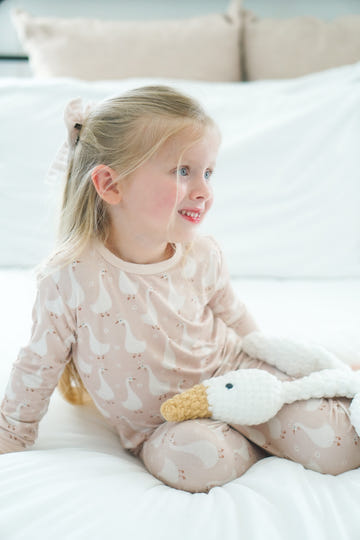
Little Joy Co Silly Goose on the Loose 2pc Bamboo Pa...
$24.00
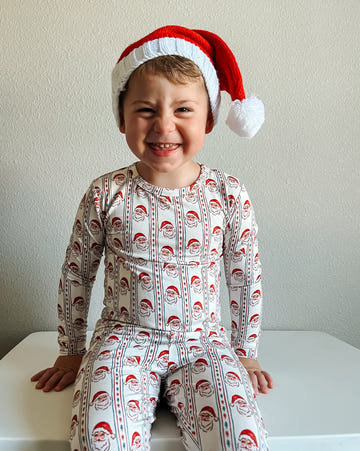
Little Joy Co Vintage Santa Bamboo 2pc Pajama Set
$38.00
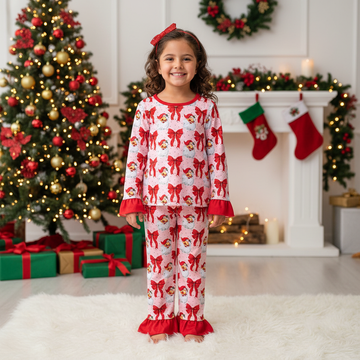
Red Santa Bows pj set
$20.00
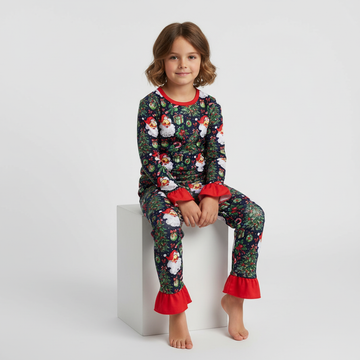
Christmas Eve Santa pj set
$20.00
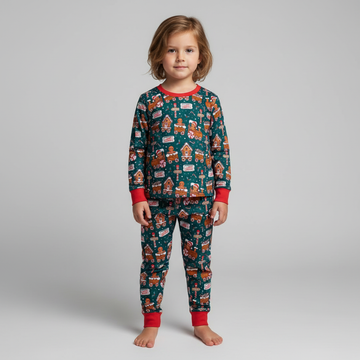
Gingerbread house Pj Set
$20.00
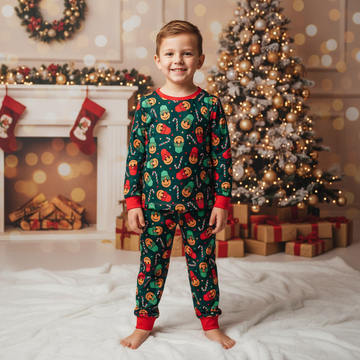
Smiley candy cane Pj set
$20.00
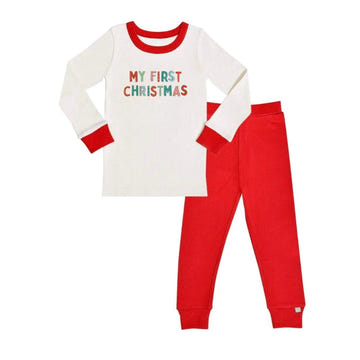
Finn + Emma My First Christmas pajamas festive baby PJs
$38.00
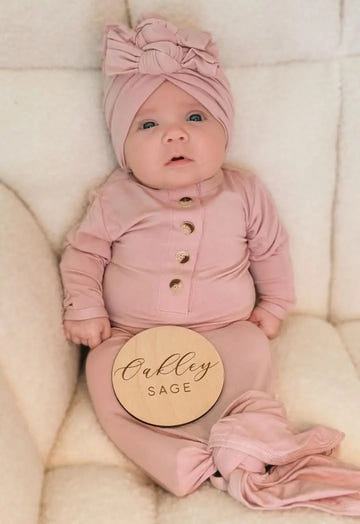
Stroller Society Newborn Knotted Gown Set Dusty Rose...
$36.00

Mebie Baby Taupe Stripe Ribbed Bamboo Knot Gown 0-3
$27.00
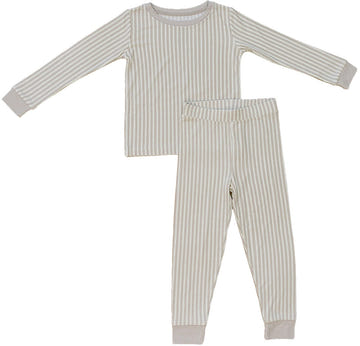
Mebie Baby Taupe Stripe Ribbed Bamboo Cozy Set sizes...
$34.00