


Balancing sleep and breastfeeding can be one of the most challenging aspects of new motherhood. Proper rest is essential for both mother and baby to ensure a healthy, happy, and thriving breastfeeding journey. In this blog post, we’ll explore the relationship between sleep and breastfeeding, tips for improving sleep for both mother and baby, and how Moogco silver nursing cups can support your breastfeeding experience.
The Relationship Between Sleep and Breastfeeding
Frequent Night Feedings: Newborns often need to feed every 2-3 hours, which can disrupt sleep for breastfeeding mothers. These frequent night feedings are crucial for establishing a good milk supply and ensuring your baby is well-nourished.
Sleep Deprivation: Lack of sleep can affect a mother’s health, mood, and milk production. Ensuring you get enough rest is important for maintaining your energy levels and overall well-being.
Baby’s Sleep Patterns: Breastfed babies may wake more often at night compared to formula-fed babies. This is because breast milk is more easily digested, leading to more frequent hunger cues.
Tips for Improving Sleep for Both Mother and Baby
Create a Sleep-Friendly Environment: Make your bedroom a comfortable and relaxing space. Keep the room dark, quiet, and at a comfortable temperature to promote better sleep for both you and your baby.
Practice Safe Co-Sleeping: Co-sleeping or room-sharing can make nighttime breastfeeding more convenient. Ensure you follow safe sleep guidelines to reduce the risk of Sudden Infant Death Syndrome (SIDS). Having your baby’s crib or bassinet close to your bed can make nighttime feeds easier.
Establish a Bedtime Routine: Creating a consistent bedtime routine can help signal to your baby that it’s time to sleep. This might include a warm bath, gentle rocking, or singing a lullaby before bed.
Nap When the Baby Naps: Try to rest whenever your baby sleeps during the day. Even short naps can help you catch up on sleep and feel more rested.
Alternate Night Feeding Duties: If possible, share nighttime feeding duties with your partner. They can help by bringing the baby to you for feeding and then settling the baby back to sleep, allowing you to stay in bed and rest.
Use Breastfeeding-Friendly Sleepwear: Wearing comfortable, easy-access sleepwear can make nighttime breastfeeding more convenient and less disruptive to your sleep.
Practice Relaxation Techniques: Stress and anxiety can interfere with sleep. Practice relaxation techniques such as deep breathing, meditation, or gentle yoga to help you unwind before bed.
Take Care of Your Health: Maintaining a healthy diet, staying hydrated, and getting regular exercise can improve your overall energy levels and sleep quality.
Moogco Silver Nursing Cups: Enhancing Comfort and Health
Moogco silver nursing cups are designed to support breastfeeding mothers by providing natural antibacterial protection and promoting healing. These cups can help alleviate discomfort and prevent infections, making breastfeeding a more comfortable and enjoyable experience.
Benefits of Moogco Silver Nursing Cups:
Natural Antibacterial Properties: Silver’s natural antibacterial properties help prevent infections and promote healing, ensuring your nipples stay healthy during breastfeeding.
Smooth Surface: The smooth surface of Moogco silver nursing cups reduces friction and irritation, providing a soothing barrier between your nipples and clothing.
Healing and Comfort: Moogco silver nursing cups are designed to promote healing and provide comfort, making breastfeeding a more enjoyable experience for both you and your baby.
Conclusion
Finding a balance between sleep and breastfeeding is essential for the well-being of both mother and baby. By creating a sleep-friendly environment, practicing safe co-sleeping, establishing a bedtime routine, and taking care of your health, you can improve your sleep quality while ensuring your baby is well-nourished. Tools like Moogco silver nursing cups can further enhance your breastfeeding experience by promoting comfort and health. Embrace your breastfeeding journey with confidence, knowing that a well-rested mother is better equipped to care for her baby and enjoy the precious moments of motherhood.
Bring this guide home with $15 off.
Use code BABY15 for $15 off →
Frequently Asked Questions
How many hours of sleep do breastfeeding mothers typically get in the early months?
Most breastfeeding mothers get between 4 to 6 hours of broken sleep in the first few months, often in short stretches of 1 to 3 hours between feedings. This fragmented sleep pattern is normal but can be challenging. Remember that this phase is temporary, and your baby's sleep will gradually consolidate as they grow. Prioritizing rest whenever possible and accepting help from your partner or family can make a significant difference.

Can lack of sleep really affect my milk supply?
Yes, chronic sleep deprivation can negatively impact milk production because it increases stress hormones like cortisol, which may interfere with prolactin, the hormone responsible for milk production. While occasional poor sleep won't immediately harm your supply, consistently getting inadequate rest can make it harder to maintain production. This is why napping when your baby naps and accepting support with household tasks is so important for breastfeeding success.
Curated by moms, vetted by lactation pros
Picks From This Story
Picks related to this guide, ready to ship from Moogco.

momjug breastfeeding water bottle 50oz double-wall s...
$49.99

Organic Nipple Butter™ - Double-Sided for Kids
$14.99
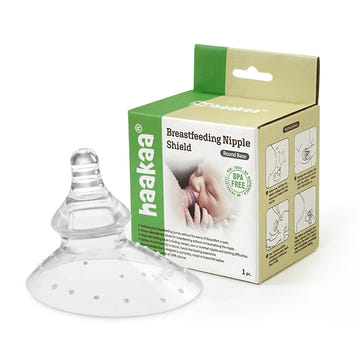
Haakaa Silicone Breastfeeding Nipple Shield Round Sh...
$19.05
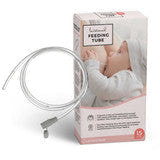
Bae & Bee Boutique LactTube 5FR Pediatric Feeding Tu...
$3.00
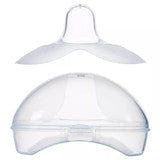
Bae & Bee Boutique Cherry Shaped Nipple Shield 21mm ...
$14.00
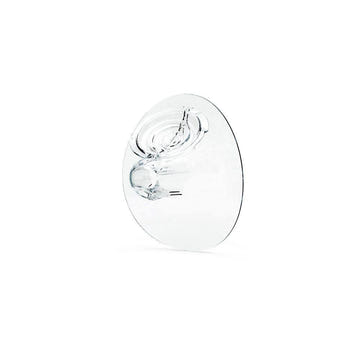
Healthy Horizons Elvie Pump Breast Shields 2 Pack 21...
$29.99
Everything for the breastfeeding journey
Take $15 off at checkout, applied automatically when you shop through this link.
Shop with BABY15 →Free US shipping over $100. Code applies automatically at checkout.
Is it safe to breastfeed lying down at night?
Yes, side-lying breastfeeding can be safe and convenient for nighttime feeds when done correctly. Ensure your mattress is firm, remove pillows and blankets away from your baby, and position your baby so their nose is level with your nipple. Many mothers find this position allows them to rest while nursing, making nighttime feeds less disruptive. Always place your baby back in their own sleep space after feeding if you think you might fall asleep.
Why does my breastfed baby wake up more often than formula-fed babies?
Breast milk is digested more quickly than formula, typically within 1.5 to 2 hours, which means breastfed babies naturally feel hungry more frequently. This is actually beneficial for your baby's development and helps establish a strong milk supply. While it may mean more frequent wake-ups initially, breastfed babies are getting exactly the nutrition they need. As your baby grows, the time between feedings will naturally lengthen.
Should I wake my newborn to breastfeed at night?
In the first few weeks, yes, you should wake your newborn every 2 to 3 hours for feeding if they don't wake on their own, especially if they're not gaining weight well. Frequent feeding helps establish your milk supply and ensures your baby gets adequate nutrition. Once your baby has regained their birth weight and your pediatrician gives the okay, you can allow longer stretches of sleep at night. Always consult with your healthcare provider about your specific situation.
More Related Picks
A few more favorites from the same collection.

Mila's Keeper Silicone Breast Milk Bottle 6 oz Stand...
$36.00
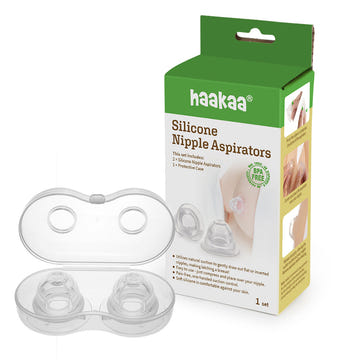
Haakaa Silicone Inverted Nipple Aspirators 2 pk
$17.99
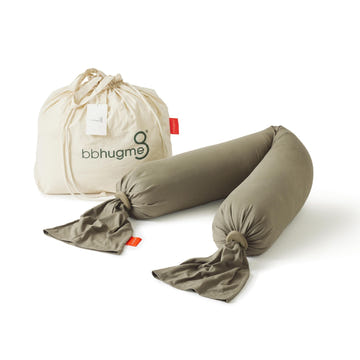
bbhugme Pregnancy Pillow Dusty Olive Adjustable Firm...
$219.00
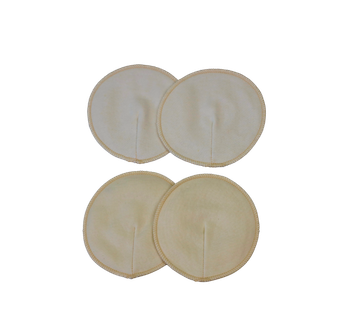
Babee Greens Contoured Nursing Pads 1 Pair Organic C...
$7.25
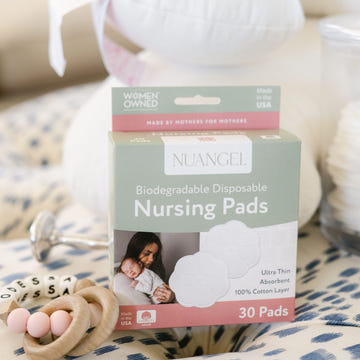
NuAngel Plant-based Disposable Nursing Pads individu...
$9.99
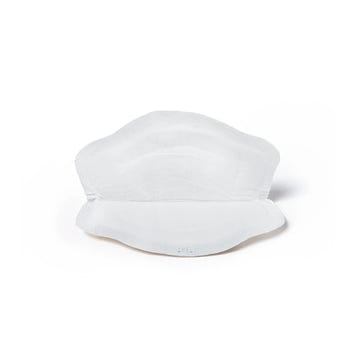
Zomee Breast Pumps Nursing Pads 100 or 200 count
$2.99
How can I stay awake during nighttime breastfeeding sessions?
Keep the lights dim but not completely dark, sit upright in a comfortable chair rather than lying down if you're worried about falling asleep, and keep a glass of water nearby to stay hydrated. Some mothers find that reading on their phone with a blue light filter, listening to a podcast at low volume, or gently talking to their baby helps them stay alert. If you're struggling with extreme fatigue, reach out to your partner or support system for help with some nighttime duties.
When will my baby start sleeping longer stretches at night?
Most babies begin sleeping longer stretches of 4 to 6 hours by around 3 to 4 months of age, though every baby is different. Some babies may sleep longer earlier, while others take more time to consolidate their sleep. Breastfed babies may take slightly longer to sleep through the night compared to formula-fed babies due to faster digestion. Continue following safe sleep practices and establishing consistent routines to support healthy sleep development.
Can using silver nursing cups help me sleep better while breastfeeding?
While Moogco silver nursing cups won't directly make you sleep longer, they can significantly reduce nipple discomfort and pain that might otherwise wake you or make nighttime feeding more difficult. By promoting healing and preventing infections with their natural antibacterial properties, these cups help ensure that breastfeeding remains comfortable around the clock. When you're not dealing with sore, irritated nipples, nighttime feeds become smoother and less stressful, allowing you to return to sleep more easily.
From Moogco Studio
Printable and personalized nursery essentials. Designed by moms for moms.


About the Editor
Eda Ulger is the editor at Moogco Baby and a mom of two. She curates and edits our guides so every piece is honest, practical, and genuinely helpful for the early days of motherhood.
Shop This Story
Picks related to this guide, ready to ship from Moogco.

Holistic Lactation Advanced Lactation Formula 30 Ser...
$34.99
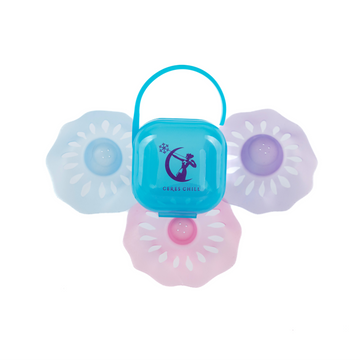
Ceres Chill Shield Maiden Nipple Shields 2pc or 3pc ...
$14.50

WishGarden Herbs Milk Rich Supply Booster pump top b...
$26.99

Wendy Anne Lounger Slip Cover Organic Cotton Waterpr...
$49.00
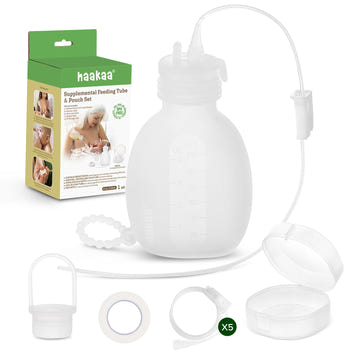
Haakaa Supplemental Feeding Tube and Pouch Set Size ...
$33.99

Milky Mama Dairy Duchess Raspberry Breastfeeding Sup...
$27.00

Preggie Drops Plus Morning Sickness Relief Lollies, ...
$13.75
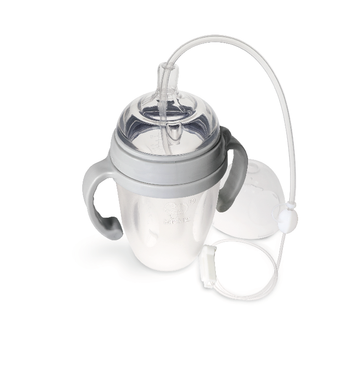
Haakaa Supplemental Feeding Combo 250ml Bottle with ...
$32.99

Euphoric Herbals Milk Machine lactation supplement 2...
$19.99

Euphoric Herbals Super Salve Nursing Salve no essent...
$10.00