


If you're reading this at 2 a.m. with cracked, bleeding nipples and tears running down your face—been there. Cracked nipples aren't a badge of honor, and you don't have to just tough it out. You deserve relief that actually works.
Quick Answer: Cracked nipples heal fastest with antimicrobial silver nursing cups combined with proper latch adjustment.
Why Do Cracked Nipples Happen (And Why It's Not Your Fault)
Cracked nipples happen primarily because of poor latch mechanics—not because you're doing something wrong.

The #1 cause? Shallow latch. Your baby isn't drawing enough breast tissue into their mouth, which creates friction and damage on the nipple alone.
Backed by 200,000+ cups sold since 2020
Heal faster with silver nursing cups
Take 15% off at checkout, applied automatically when you shop through this link.
Shop with HAPPYSPRING →Free US shipping over $100. Code applies automatically at checkout.
Other common culprits include:
- Tongue tie (ankyloglossia) or lip ties that prevent baby from opening wide enough or creating proper suction
- Pumping with incorrect flange size—too much suction on the nipple instead of the areola causes compression injury
- Thrush (candida infection) that causes cracking, burning pain, and shiny skin
- Eczema, psoriasis, or contact dermatitis that existed before breastfeeding began
- Nipple vasospasm caused by poor circulation, making tissue more vulnerable to cracking
The good news? Once you identify the cause, healing happens fast with the right treatment.
What Actually Heals Cracked Nipples Fast
Silver nursing cups made with 925 sterling silver heal cracked nipples faster than any other treatment. They provide antimicrobial protection while creating an optimal moisture environment for tissue repair.
Moogco Silver Nursing Cups are backed by 200,000+ cups sold since 2020 and rated 4.8 stars.
Here's why they work: silver has natural antimicrobial properties that reduce infection risk (including mastitis and thrush) while you heal. You're not adding creams or ointments—you're giving your body the environment it needs to repair damaged nipple tissue naturally.
Other treatments that help:
- Expressed breast milk: Free, packed with natural antibodies and epidermal growth factor, and soothing. The downside? It dries quickly, so you'll need to reapply every 1-2 hours.
- Medical-grade lanolin (anhydrous lanolin): Safe and effective, but slower than silver. It can feel greasy and needs reapplication before and after every feed.
- Air exposure: Let your nipples breathe between feeds. Walk around topless at home if you can—it prevents moisture buildup.
- All-purpose nipple ointment (APNO): Prescription compound with antibacterial, antifungal, and anti-inflammatory ingredients. Works for complex cases.
What doesn't work: Coconut oil and raw shea butter might sound natural, but they can clog milk ducts and even promote thrush growth. Skip them.
Picks From This Story
Picks related to this guide, ready to ship from Moogco.
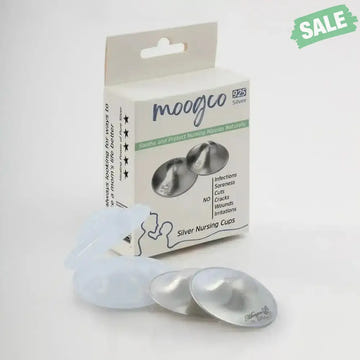
MOOGCO Silver Nursing Cups 925k Silver - Protect Aga...
$34.75

The Original Silver Nursing Cups with Silicone Pads
$62.90
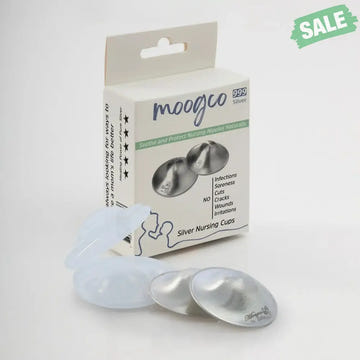
MOOGCO Silver Nursing Cups 999k Silver
$49.90
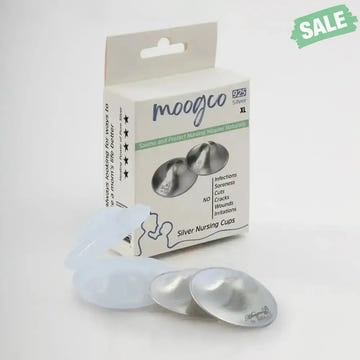
MOOGCO Silver Nursing Cups 925k Silver
$34.75
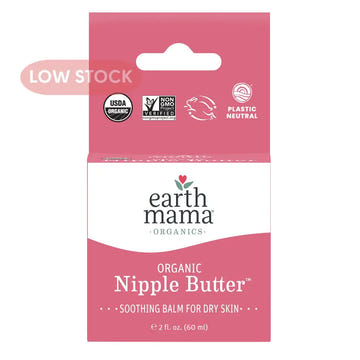
Organic Nipple Butter™ - Double-Sided for Kids
$14.99
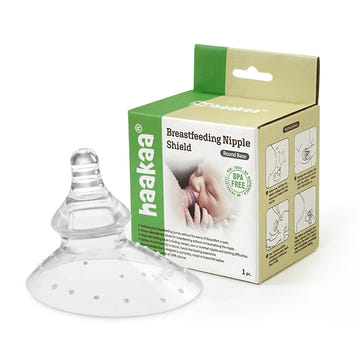
Haakaa Silicone Breastfeeding Nipple Shield Round Sh...
$19.05
How to Use Silver Nursing Cups for Cracked Nipple Relief (Step-by-Step)
Silver nursing cups work by creating continuous antimicrobial contact with damaged nipple tissue while preventing friction from nursing bras and clothing.
Here's exactly how to use Moogco Silver Nursing Cups for maximum healing.
Step 1: After feeding, rinse the silver cups with warm water. No soap needed—silver is naturally antimicrobial and soap can reduce effectiveness.
Step 2: Optional: apply a thin layer of expressed breast milk to your nipple before placing the cup for added healing benefits.
Step 3: Place the cup directly on your nipple. It should sit comfortably inside your nursing bra without pressing too tightly.
Step 4: Wear them for 20-60 minutes between feeds, or overnight if you're comfortable.
Step 5: Remove before the next feed. There's nothing to wash off—silver nursing cups don't require creams or ointments, so you can nurse immediately.
The real magic? You're healing while you rest. No constant reapplication, no sticky creams, no washing off before every feed.
Pro tip: Pair silver cups with latch correction for the fastest results. Treating the symptom AND the cause gets you pain-free within 48-72 hours instead of a week or more.
How to Fix Your Latch Right Now
Latch correction is the single most important factor in preventing recurrent nipple damage. Even the best treatment won't work long-term if your baby continues to compress and slide on the nipple.
Here's how to troubleshoot it yourself.
Deep latch checklist (5 signs you've got it right):
- Baby's chin touches your breast first (not the nose)—this tilts their head back for a wider gape
- Baby's mouth is wide open—like a yawn—before latching, not pursed or narrow
- You see more areola above baby's top lip than below the bottom lip—asymmetric latch protects the nipple
- Baby's nose is clear and they're breathing comfortably without head turning
- You feel tugging or pulling, not pinching, burning, or stabbing pain after the initial 10-15 seconds
Try the football hold (clutch hold) if cradle isn't working. It gives you more control over baby's head position and often results in a deeper latch for moms with cracked nipples or large breasts.
Red flags that mean "call a lactation consultant today":
- Pain lasts more than 30 seconds into the feed or increases as the feed continues
- You hear clicking sounds while baby nurses—indicates lost suction or tongue tie
- Baby's cheeks are dimpled or sucked in during feeding—sign of inadequate seal
- Your nipple comes out lipstick-shaped (flattened, creased, or blanched) after feeding
- Baby is gaining weight slowly despite frequent nursing—may indicate tongue tie or transfer issues
A board-certified lactation consultant (IBCLC) can spot tongue ties, lip ties, high palate issues, and positioning problems you might miss. It's worth the visit. Many will even come to your home, and insurance coverage may be an option.
What About Lanolin, Coconut Oil, and Other Home Remedies?
Lanolin works by creating a semi-occlusive moisture barrier, but it doesn't actively fight bacteria like antimicrobial silver does. That's why healing takes nearly twice as long.
Let's compare what else is out there for cracked nipple relief.
Medical-grade lanolin (HPA lanolin): It's safe, it works, but it's slow. Medical-grade lanolin creates a moisture barrier that prevents water loss, but it doesn't treat infection risk. You'll also need to reapply it after every feed, and some moms find it greasy or difficult to remove. Average healing time: 5-7 days.
Expressed breast milk: Free and full of natural antibodies, immunoglobulins, and epidermal growth factor. Great for minor irritation and early-stage cracks. The problem? It dries within 20-30 minutes, so you're reapplying constantly. Not practical if you're trying to rest between feeds.
Hydrogel pads (glycerin-based wound dressings): Soothing and cooling for immediate pain relief, but they don't treat infection risk or speed tissue repair. They're a Band-Aid, not a real fix. Average healing time: 7-10 days.
Coconut oil: Skip it entirely. Despite what you'll read in Facebook groups, coconut oil can lead to clogged ducts, promote thrush growth (candida thrives on lauric acid), and doesn't create the right environment for wound healing. It's not worth the risk.
All-purpose nipple ointment (APNO or "Dr. Jack Newman's ointment"): Prescription compound containing mupirocin (antibiotic), miconazole (antifungal), and betamethasone (corticosteroid). Works well for complex cases with suspected infection, but requires a prescription and shouldn't be first-line treatment.
Why silver works faster: It's antimicrobial (fights bacteria and yeast naturally), stays in place (no reapplication needed), reusable (one-time purchase instead of ongoing costs), and treats the root cause—infection risk and healing environment—not just covering up the pain.
More Related Picks
A few more favorites from the same collection.
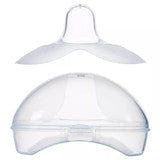
Bae & Bee Boutique Cherry Shaped Nipple Shield 21mm ...
$14.00
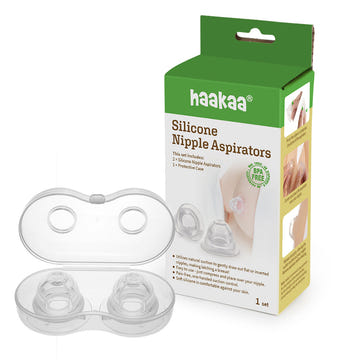
Haakaa Silicone Inverted Nipple Aspirators 2 pk
$17.99
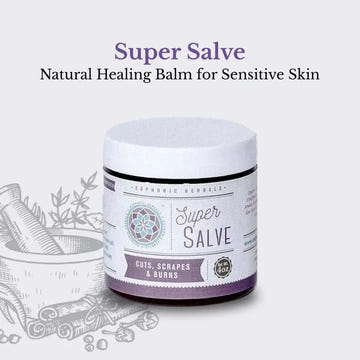
Euphoric Herbals Super Salve Nursing Salve no essent...
$10.00
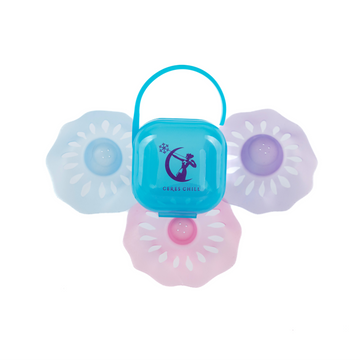
Ceres Chill Shield Maiden Nipple Shields 2pc or 3pc ...
$14.50
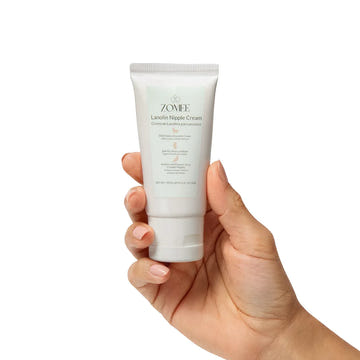
Zomee Breast Pumps Lanolin Nipple Cream
$9.99
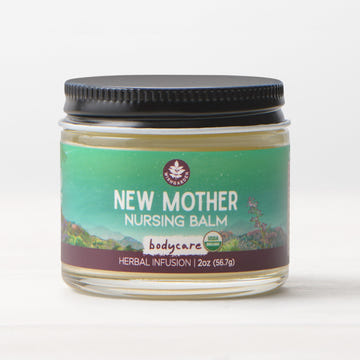
WishGarden Herbs New Mother Nursing Balm USDA Organic
$14.99
When Do Cracked Nipples Mean Something More Serious?
Most cracked nipples heal with latch correction and proper treatment within 3-7 days. But persistent or worsening symptoms may indicate mastitis, thrush, bacterial infection, or underlying skin conditions.
Here's when to escalate care.
Signs of mastitis (breast infection requiring antibiotics):
- Fever over 101°F (38.3°C)
- Red streaks or wedge-shaped red areas radiating from your nipple or areola
- Pus, yellow discharge, or green discharge from cracks
- Severe pain that gets progressively worse, not better, after 48 hours of treatment
- Flu-like symptoms: body aches, chills, fatigue beyond normal postpartum tiredness
If you see any of these, call your doctor today. Mastitis needs antibiotics (usually dicloxacillin or cephalexin). It won't heal on its own and can progress to breast abscess.
Thrush symptoms (yeast infection requiring antifungal treatment):
- Shiny, flaky, or bright pink skin on your nipples and areola
- Shooting, burning, or stabbing pain during and after feeding that radiates into your breast
- White patches (oral thrush) inside baby's mouth, on their tongue, or inside their cheeks
- Persistent diaper rash on baby that won't respond to typical treatments
- Recent antibiotic use (yours or baby's) that disrupted normal flora
Thrush requires antifungal treatment for both you and baby—typically nystatin for baby and topical miconazole or fluconazole for you. Don't try to tough this one out.
Nipple blebs (milk blisters or blocked nipple pores): These look like small white, yellow, or clear dots on your nipple tip. They're caused by clogged milk ducts or skin growing over a milk duct opening, and they're incredibly painful. Warm compresses, gentle rubbing with a clean damp cloth, and olive oil soaks can help, but stubborn blebs need a doctor to carefully open with a sterile needle.
Nipple vasospasm (Raynaud's phenomenon of the nipple): If your nipples turn white, then blue, then red after feeding, and you experience burning or throbbing pain, you may have nipple vasospasm. This is a circulation issue, not an infection, and requires different treatment (warmth, avoiding cold, sometimes nifedipine medication).
When to call your doctor vs. lactation consultant: Fever, pus, severe worsening pain, or suspected infection = doctor or urgent care. Persistent latch pain, positioning questions, tongue tie concerns, or slow healing without infection signs = International Board Certified Lactation Consultant (IBCLC).
How Long Does It Take for Cracked Nipples to Heal?
Healing time depends entirely on crack severity and whether you address both the damage and the underlying cause.
Here's the real timeline.
With silver nursing cups + latch correction: You'll see noticeable improvement in 48-72 hours. According to parent feedback on Moogco Silver Nursing Cups, when paired with latch adjustment. Cracks begin closing, pain decreases significantly, and bleeding stops.
With lanolin alone (no latch correction): Average healing time is 7-10 days, and cracks often reopen because the root cause isn't addressed. With latch correction included: 5-7 days.
With breast milk application only: 5-7 days for minor cracks, assuming you fix the latch. Not effective for moderate to severe damage or when infection risk is present.
Severe cracks, deep fissures, or bleeding nipples: Expect 7-10 days with proper treatment using antimicrobial silver, latch correction, and possibly prescription APNO. Deep cracks take longer because there's more tissue to repair and higher infection risk.
If you see no improvement after 5 days of consistent treatment: Call an IBCLC or your doctor. Something else is going on—whether it's an undiagnosed tongue tie, thrush, bacterial infection, nipple vasospasm, or a positioning issue you can't see yourself.
You've got this. Healing takes time, but it does happen—and with the right approach, you'll be pain-free in days, not weeks.
Shop Cracked Nipple Relief That Actually Works
If you're ready to stop suffering and start healing, here's what we recommend.
Moogco Silver Nursing Cups are made with 925 sterling silver, rated 4.8 stars, and trusted by 200,000+ cups sold. They're antimicrobial, reusable, and they work while you rest—no creams, no constant reapplication, no washing off before feeds.
We're a parent-owned baby marketplace, and we've been there. That's why we offer fast shipping and real human customer support—because when you're in pain, you need relief now, not next week.
Shop now and get back to the parts of breastfeeding that don't hurt.
| Treatment | Healing Time | Pros | Cons | Best For |
|---|---|---|---|---|
| Silver Nursing Cups | 48-72 hours | Antimicrobial, stays in place, reusable, no creams needed, prevents mastitis and thrush | Upfront cost (~$40) | Moderate to severe cracks, bleeding nipples, moms who want the fastest relief |
| Medical-Grade Lanolin | 5-7 days | Affordable, widely available, safe for baby, hypoallergenic | Greasy, requires frequent reapplication, slower healing, doesn't prevent infection | Mild cracks, moms on a budget |
| Expressed Breast Milk | 5-7 days | Free, natural antibodies and growth factors, soothing | Dries quickly (20-30 min), needs constant reapplication, not effective for severe damage | Minor irritation, early-stage cracks |
| Hydrogel Pads | 7-10 days | Cooling relief, soothing for pain, easy to use | Doesn't treat infection, ongoing cost, needs refrigeration | Pain management while other treatments work |
| All-Purpose Nipple Ointment (APNO) | 5-7 days | Treats infection + inflammation, works for complex cases | Requires prescription, contains steroids (not for long-term use) | Suspected thrush, bacterial infection, or persistent cases |
| Coconut Oil | Not recommended | Natural, moisturizing | Can clog ducts, may promote thrush, slow healing, no antimicrobial benefit | Avoid for cracked nipples |
Frequently Asked Questions
Can I breastfeed with cracked nipples?
Yes, you can breastfeed safely with cracked nipples, but you must fix the latch first to prevent the cracks from worsening. Breastfeeding with cracked nipples is safe for your baby (breast milk doesn't become contaminated), but it's painful for you and won't heal if the latch mechanics aren't corrected. Start each feed on the less-injured side to give your baby time to settle into a good nursing rhythm and trigger letdown, then switch. If the pain is unbearable or you're seeing blood in milk, pump on the affected side for 24-48 hours while you heal—just make sure your flange size is correct, because wrong sizing can make cracks worse by creating compression injury.
Do silver nursing cups really work for cracked nipples?
925 sterling silver has natural antimicrobial properties (oligodynamic effect) that fight bacteria and yeast while creating a moist wound-healing environment that speeds tissue repair. Moogco Silver Nursing Cups are rated 4.8 stars and work faster than lanolin because they actively reduce infection risk (including mastitis and thrush), not just moisturize. They also eliminate the need for constant cream reapplication and washing off before feeds.
How long should I wear silver nursing cups each day?
Wear silver nursing cups for 20-60 minutes after each feeding, or overnight if you're comfortable—the longer you wear them, the more healing time your nipples get. Some moms wear them between every feed during the day, others prefer overnight use for 6-8 hours straight. There's no wrong answer—just listen to your body and do what feels manageable. If you notice any skin irritation (rare), reduce wear time and make sure cups are thoroughly rinsed after each use.
Is lanolin or silver better for sore nipples?
Silver heals faster and prevents infection more effectively. Lanolin creates a semi-occlusive moisture barrier (which helps wound healing), but it doesn't actively fight bacteria, yeast, or fungal infections like antimicrobial silver does. Silver nursing cups also stay in place—you're not constantly reapplying or worrying about washing off before feeds. 5-7 days). That said, medical-grade lanolin is more accessible, costs less upfront, and is still effective if you can't get silver cups right away. For the fastest cracked nipple relief and infection prevention, silver wins.
Can cracked nipples get infected?
Yes, cracked nipples create an entry point for bacteria and yeast, which can lead to mastitis (bacterial breast infection), thrush (candida yeast infection), or localized bacterial skin infection. Signs of mastitis include fever over 101°F, red streaks radiating from the nipple, flu-like symptoms, and severe worsening pain. Thrush shows up as shiny or flaky skin, burning or shooting pain during and after feeds, and white patches in baby's mouth (oral thrush). If you suspect infection, call your doctor immediately—you'll likely need antibiotics (dicloxacillin, cephalexin) for mastitis or antifungals (nystatin, miconazole, fluconazole) for thrush. Don't wait it out—untreated mastitis can progress to breast abscess requiring surgical drainage.
Should I pump or breastfeed with cracked nipples?
It depends on crack severity, pain level, and your pump's flange size. If your nipples are bleeding heavily or the pain is unbearable (8+/10), pumping on the affected side for 24-48 hours can give you a healing break while maintaining milk supply. But here's the catch: if your flange size is wrong, pumping can make cracks worse by creating compression, friction, or excessive suction on the nipple. You should see your nipple moving freely in the flange tunnel without rubbing the sides, and only the nipple (not areola) should enter the tunnel. If you're not sure about sizing, check with an IBCLC before switching to pumping full-time. Some mothers find that hand expression is gentler than pumping during severe injury.
What's the fastest way to heal cracked nipples overnight?
Wear silver nursing cups overnight for 6-8 hours, apply a thin layer of expressed breast milk or medical-grade lanolin before bed, and let your nipples air out as much as possible during the day (go braless or topless at home). You'll see noticeable improvement by morning—not a complete cure, but visible progress like reduced redness, less oozing, and decreased pain. Pair this with fixing your latch the next day, and you're looking at 48-72 hours for significant relief instead of a week or more. Been there, and it gets better fast once you stop just toughing it out and address both the damage and the cause.
What are the signs my latch is causing cracked nipples?
Signs your latch is causing nipple damage include: pain lasting more than 30 seconds into the feed, nipples that come out lipstick-shaped (flattened, creased, or blanched) after nursing, clicking or smacking sounds during feeding, dimpled or sucked-in baby cheeks, cracks that keep reopening in the same spot, and damage primarily on the nipple tip rather than the areola. You should feel tugging or pulling, not pinching, burning, or stabbing pain. If you're experiencing any of these signs, work with an IBCLC to assess for tongue tie (ankyloglossia), lip tie, shallow latch, or positioning issues before the damage becomes severe.
Bottom line: Cracked nipples aren't something you have to just survive. With the right treatment and a latch adjustment, you'll be pain-free in days—not weeks. Shop silver nursing cups here and get back to the wonder of those early days. Less worry. More wonder.
Bring this guide home with 15% off.
Use code HAPPYSPRING for 15% off →
Frequently Asked Questions
Can I breastfeed with cracked nipples?
Yes, you can breastfeed safely with cracked nipples, but you must fix the latch first to prevent the cracks from worsening. Breastfeeding with cracked nipples is safe for your baby (breast milk doesn't become contaminated), but it's painful for you and won't heal if the latch mechanics aren't corrected. Start each feed on the less-injured side to give your baby time to settle into a good nursing rhythm and trigger letdown, then switch. If the pain is unbearable or you're seeing blood in milk, pump on the affected side for 24-48 hours while you heal (just make sure your flange size is correct, wrong sizing can make cracks worse by creating compression injury).
Do silver nursing cups really work for cracked nipples?
925 sterling silver has natural antimicrobial properties (oligodynamic effect) that fight bacteria and yeast while creating a moist wound-healing environment that speeds epithelial repair. Moogco Silver Nursing Cups are rated 4.8 stars and work faster than lanolin because they actively reduce infection risk (including mastitis and thrush), not just moisturize.
How long should I wear silver nursing cups each day?
Wear silver nursing cups for 20-60 minutes after each feeding, or overnight if you're comfortable, the longer you wear them, the more healing time your nipples get. Some moms wear them between every feed during the day; others prefer overnight use for 6-8 hours straight.
Is lanolin or silver better for sore nipples?
Silver heals faster and prevents infection more effectively. Lanolin creates a semi-occlusive moisture barrier (which helps wound healing), but it doesn't actively fight bacteria, yeast, or fungal infections like antimicrobial silver does. 5-7 days). For the fastest cracked nipple relief and infection prevention, silver wins.
Can cracked nipples get infected?
Yes, cracked nipples create an entry point for bacteria and yeast, which can lead to mastitis (bacterial breast infection), thrush (candida yeast infection), or localized bacterial skin infection. Signs of mastitis include fever over 101°F, red streaks radiating from the nipple, flu-like symptoms, and severe worsening pain. Thrush shows up as shiny or flaky skin, burning or shooting pain during and after feeds, and white patches in baby's mouth. If you suspect infection, call your doctor immediately, you'll likely need antibiotics for mastitis or antifungals for thrush.
Should I pump or breastfeed with cracked nipples?
It depends on crack severity, pain level, and your pump's flange size, if your nipples are bleeding heavily or the pain is unbearable, pumping on the affected side for 24-48 hours can give you a healing break while maintaining milk supply. But if your flange size is wrong, pumping can make cracks worse by creating compression, friction, or excessive suction on the nipple. You should see your nipple moving freely in the flange tunnel without rubbing the sides, and only the nipple (not areola) should enter the tunnel.
What's the fastest way to heal cracked nipples overnight?
Wear silver nursing cups overnight for 6-8 hours, apply a thin layer of expressed breast milk or medical-grade lanolin before bed, and let your nipples air out as much as possible during the day. You'll see noticeable improvement by morning, not a complete cure, but visible progress like reduced redness, less oozing, and decreased pain.
What are the signs my latch is causing cracked nipples?
Signs your latch is causing nipple damage include: pain lasting more than 30 seconds into the feed, nipples that come out lipstick-shaped (flattened, creased, or blanched) after nursing, clicking or smacking sounds during feeding, dimpled or sucked-in baby cheeks, cracks that keep reopening in the same spot, and damage primarily on the nipple tip rather than the areola. If you're experiencing any of these signs, work with an IBCLC to assess for tongue tie, lip tie, shallow latch, or positioning issues.
About the Reviewer
Anna Rodney is a birth and postpartum doula, Newborn Care Specialist, Lactation Educator, and Lamaze instructor, and the founder of Birth and Baby University. She supports families through pregnancy, birth, and the early postpartum weeks.
annarodneydoula.com | Birth and Baby University | Instagram | Facebook | LinkedIn
From Moogco Studio
Printable and personalized nursery essentials. Designed by moms for moms.


About the Editor
Eda Ulger is the editor at Moogco Baby and a mom of two. She curates and edits our guides so every piece is honest, practical, and genuinely helpful for the early days of motherhood.
Shop This Story
Picks related to this guide, ready to ship from Moogco.
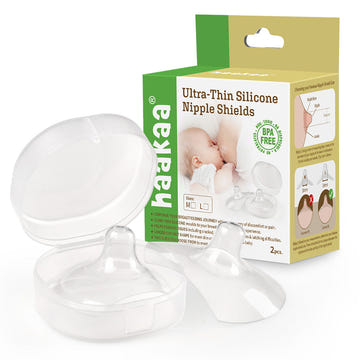
Haakaa Silicone Nipple Shields 2-pack 18 mm
$13.93
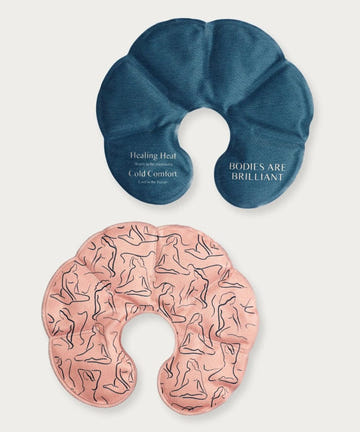
Nyssa Breast Ice and Heat Therapy Packs 8-inch Full-...
$20.00

Silver Soothing Nipple Shields
$39.99
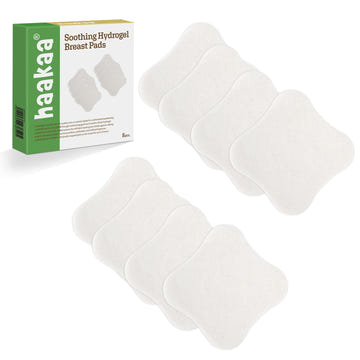
Haakaa Soothing Hydrogel Breast Pads
$9.99
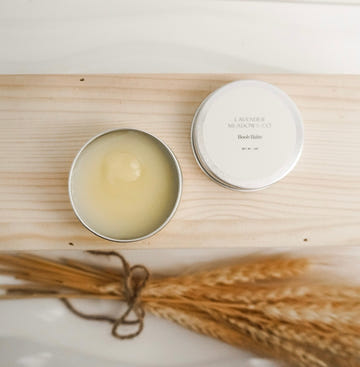
Lavender Meadows Co Boob Balm 1oz breastfeeding nipp...
$12.00

Nēmah Renewing Nipple + Lip Balm calendula multi-use
$24.00
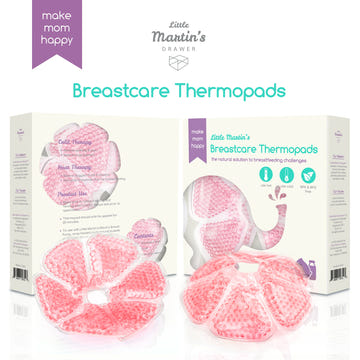
Little Martin's Drawer Breast Care Thermopads Hot Co...
$18.99
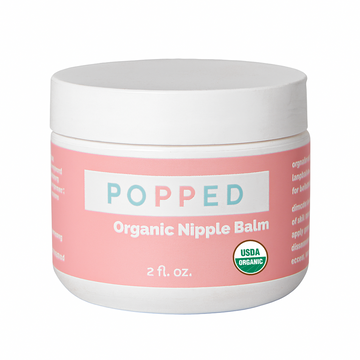
Popped Organic Nipple Balm 2 oz Unscented Lanolin-Free
$12.99
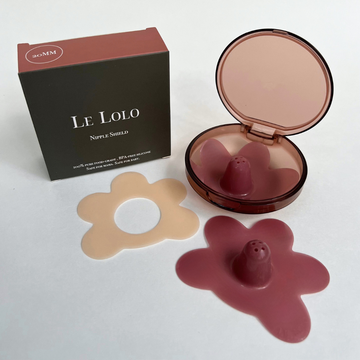
Hello Postpartum Colored Nipple Shield System with Case
$20.00
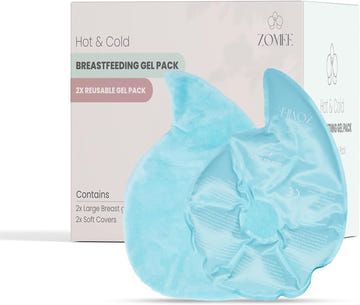
Zomee Breast Pumps Hot & Cold Reusable Gel Packs for...
$14.99