


You’ve just welcomed your beautiful baby into the world—and now your hair is shedding in clumps. Don’t panic. Postpartum hair loss is a common, temporary phase experienced by many mothers in the months after giving birth.
Dr. Hannah Elridge, OB/GYN:
“Hair loss in the postpartum period is a result of shifting hormones—not a sign of poor health. For most women, it resolves naturally by their baby’s first birthday.”
Why Postpartum Hair Loss Happens
During pregnancy, high levels of estrogen prolong the growth phase of your hair cycle, leading to thick, lush hair. After birth, estrogen levels drop quickly, causing a shift into the shedding phase (telogen effluvium). This leads to noticeable hair fall, especially around the temples and crown.

This usually begins around 8–16 weeks postpartum and may continue for several months.
Healing, comfort, and a little softness
Postpartum care, finally taken seriously
Take 15% off at checkout, applied automatically when you shop through this link.
Shop with HAPPYSPRING →Free US shipping over $100. Code applies automatically at checkout.
What to Expect
✔️ Hair shedding appears suddenly and may seem excessive
✔️ Hair often feels thinner around the hairline or temples
✔️ You might notice more strands on your pillow, in the shower, or on your brush
✔️ Hair usually regrows gradually between 6–12 months postpartum
💡 Shedding can peak around 3–4 months postpartum and slowly taper off.
Picks From This Story
Picks related to this guide, ready to ship from Moogco.
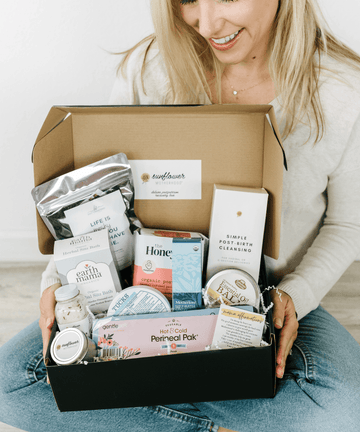
Sunflower Motherhood Deluxe Postpartum Recovery Box ...
$149.00
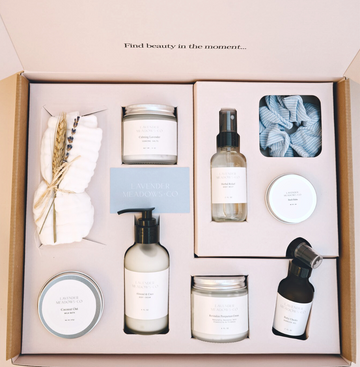
Lavender Meadows Co Postpartum Care Package Deluxe G...
$146.00
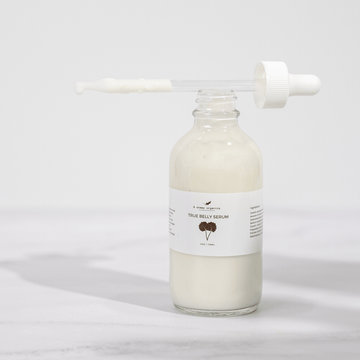
True Belly Serum
$47.00
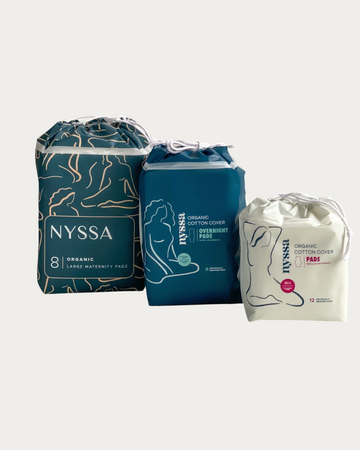
Nyssa Complete Organic Cotton Cover Pads Trio Postpa...
$25.00
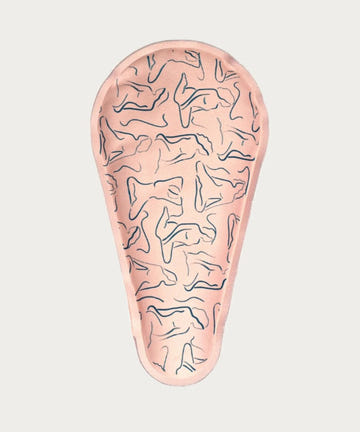
Nyssa Between Legs Perineal Ice Heat Pack for Postpa...
$15.00
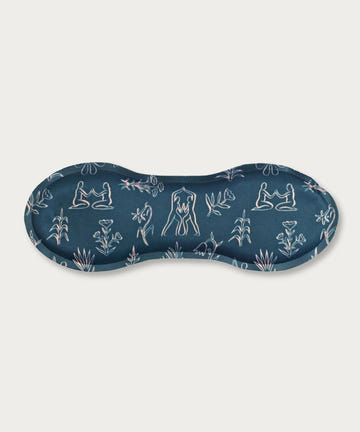
Nyssa Uterine Reusable Ice & Heat Pack contoured for...
$15.00
How to Support Healthy Hair Recovery
1. Be Gentle With Your Hair
-
Avoid tight ponytails, braids, or buns that stress the scalp
-
Use wide-tooth combs and minimize brushing when wet
-
Pat hair dry—don’t rub with a towel
2. Nourish From Within
-
Eat a balanced diet rich in protein, iron, biotin, and vitamin D
-
Stay hydrated and consider continuing your prenatal vitamins
3. Simplify Hair Styling
-
Choose low-heat styles and air-dry when possible
-
Consider a layered haircut to reduce the look of thinning
4. Scalp Massage and Oils
-
Gentle massage can stimulate circulation
-
Light oils like argan or jojoba may support scalp health
When to Talk to Your Doctor
✔️ Hair loss lasts longer than 12 months
✔️ You notice bald patches or scaling on the scalp
✔️ Shedding is accompanied by fatigue, weight changes, or brittle nails (may indicate thyroid or iron issues)
Caring for Yourself Counts, Too
The postpartum phase is a whirlwind of physical and emotional change. While it’s easy to brush off your own concerns, you matter, too. Taking 10 minutes for self-care—like a warm shower, nourishing meal, or scalp massage—can make a big difference.
Dr. Elridge adds:
“Hair will regrow, but what moms really need is compassion and rest. Be kind to your body—it’s done something extraordinary.”
More Related Picks
A few more favorites from the same collection.
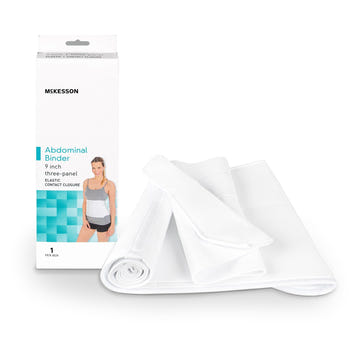
LL Medico McKesson Abdominal Binder Small Medium Whi...
$14.99
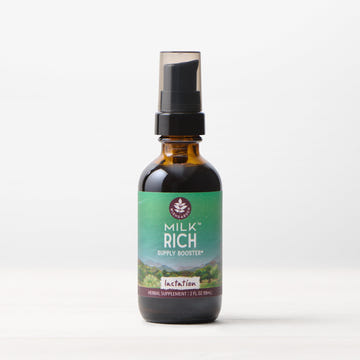
WishGarden Herbs Milk Rich Supply Booster pump top b...
$26.99
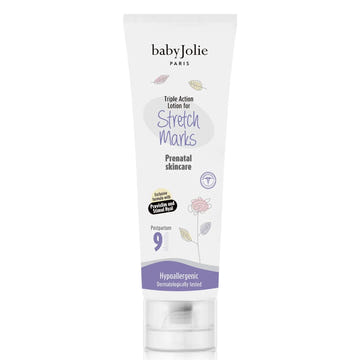
Baby Jolie Paris Triple Action Stretch Marks Cream 7...
$29.99
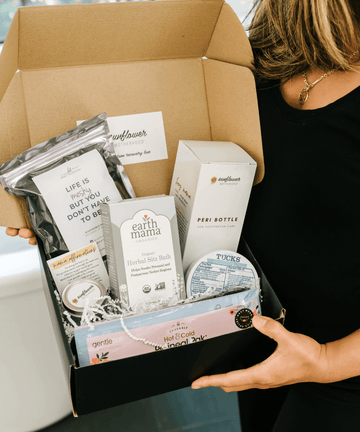
Sunflower Motherhood Postpartum Recovery Box full-si...
$79.00
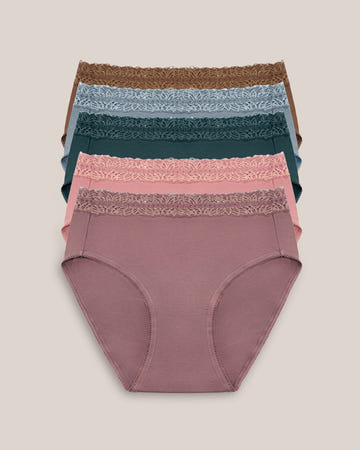
Kindred Bravely High-Waisted Postpartum Underwear Pa...
$36.90
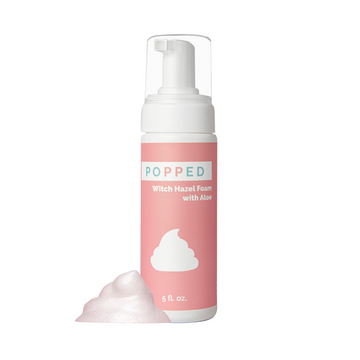
Popped Witch Hazel Foam with Aloe 5 fl oz Postpartum...
$12.99
The Role of Moogco Silver Nursing Cups
As your body recovers, breastfeeding can be both rewarding and physically demanding. Moogco Silver Nursing Cups help soothe sore nipples naturally—without creams or chemicals—making the breastfeeding journey a little more comfortable.
Final Thoughts: It’s Temporary—and You’re Not Alone
Postpartum hair loss is a normal part of the recovery process. With time, nutrition, and gentle care, your hair will come back—and so will your confidence. You've got this, mama.
🛒 Explore postpartum essentials and care products at Moogco Baby
Bring this guide home with 15% off.
Use code HAPPYSPRING for 15% off →
Featured pick from Moogco
High-Waisted Postpartum Underwear Pack | Assorted Neutrals
$36.90
Shop this pick → Frequently Asked Questions
Is postpartum hair loss different from regular hair loss?
Yes. Postpartum hair loss, called telogen effluvium, is caused by the sudden drop in estrogen after birth and affects a large portion of hair follicles at once. It's temporary and different from gradual thinning or pattern baldness. Most moms see regrowth within 6 to 12 months without treatment.
Can breastfeeding make postpartum hair loss worse?
Breastfeeding itself doesn't cause hair loss, but it can contribute to nutrient depletion if your diet isn't balanced. Make sure you're eating enough protein, iron, and healthy fats, and consider continuing your prenatal vitamins. Staying nourished supports both milk supply and hair regrowth.
Will my hair ever go back to how it was before pregnancy?
In most cases, yes. Hair typically regrows to its pre-pregnancy fullness within 12 to 18 months postpartum. However, some moms notice slight changes in texture or thickness due to aging or hormonal shifts. Be patient and gentle with your scalp during the regrowth phase.
Can stress make postpartum hair loss worse?
While postpartum hair loss is primarily hormonal, chronic stress can prolong shedding or trigger additional hair loss. Prioritizing rest, asking for help, and taking small moments for yourself can support both your mental health and your body's recovery. You deserve that care, mama.
Should I switch to a special shampoo for postpartum hair loss?
You don't need a special shampoo, but gentle, sulfate-free formulas can reduce scalp irritation. Avoid products with heavy silicones that weigh hair down. Focus more on nutrition, hydration, and being gentle when styling, those make the biggest difference in supporting regrowth.
Is it safe to dye my hair while experiencing postpartum shedding?
Yes, dyeing your hair won't worsen postpartum shedding, but your hair may be more fragile during this time. Choose gentler, ammonia-free formulas and space out treatments. If you're breastfeeding, most dyes are considered safe since very little is absorbed into your bloodstream.
Can vitamins or supplements stop postpartum hair loss?
Vitamins won't stop the hormonal shedding process, but they can support healthy regrowth. Biotin, iron, vitamin D, and omega-3s are especially helpful if you're deficient. Talk to your doctor before starting new supplements, especially if you're breastfeeding.
Does postpartum hair loss happen after every pregnancy?
Most women experience some degree of postpartum shedding after each pregnancy, though the severity can vary. Factors like stress, nutrition, and overall health play a role. If you notice major differences between pregnancies, it's worth mentioning to your doctor to rule out thyroid or iron issues.
From Moogco Studio
Printable and personalized nursery essentials. Designed by moms for moms.


About the Editor
Eda Ulger is the editor at Moogco Baby and a mom of two. She curates and edits our guides so every piece is honest, practical, and genuinely helpful for the early days of motherhood.
Shop This Story
Picks related to this guide, ready to ship from Moogco.
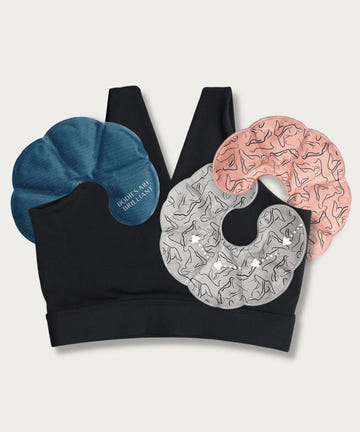
Nyssa FourthWear Postpartum Bralette and Breast Ice ...
$56.00
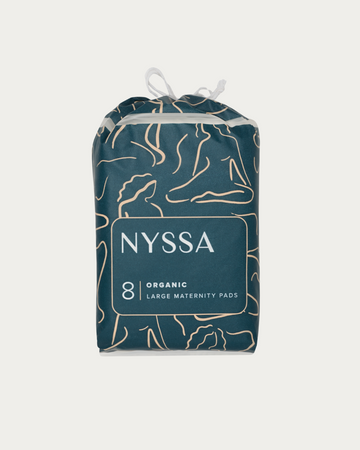
Nyssa Complete Coverage Organic Cotton Postpartum Pa...
$9.00
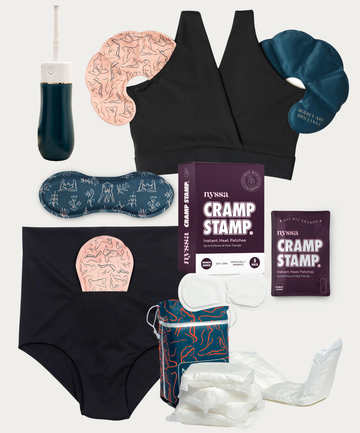
Nyssa Classic Black Essential Postpartum Kit 8-piece
$150.00
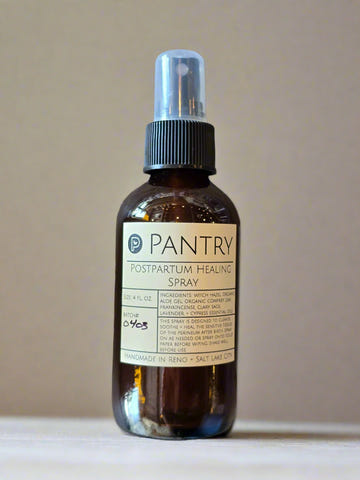
Postpartum Healing Spray - Perineum Recovery
$17.00
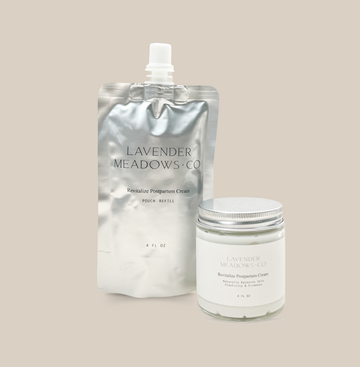
Lavender Meadows Co Revitalize Postpartum Cream Refi...
$30.00
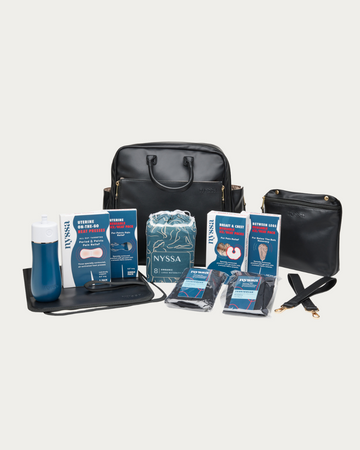
Nyssa Mother Bag + Essential Postpartum Kit Vegan Le...
$210.00
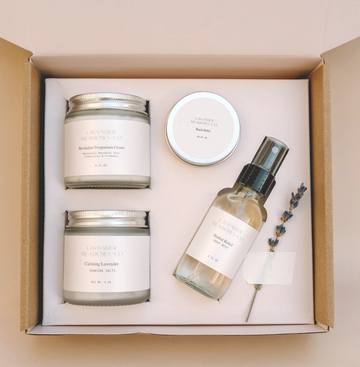
Lavender Meadows Co Postpartum Care Package organic ...
$70.00
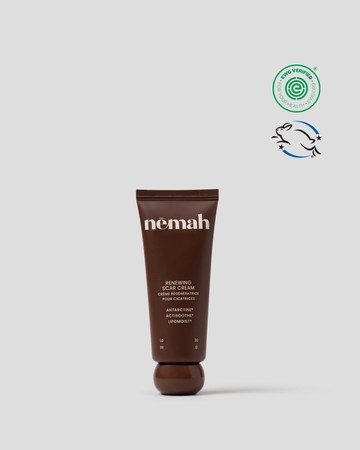
Nēmah Renewing Scar Cream for Pregnancy Breastfeedin...
$34.00
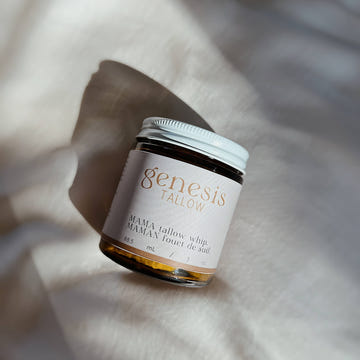
Hello Postpartum All-Natural Whipped Tallow Belly Bu...
$40.00
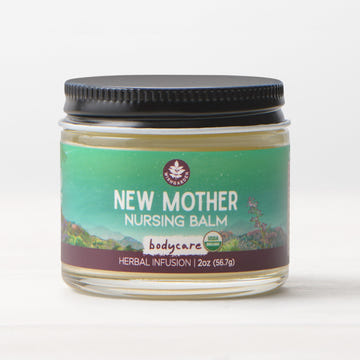
WishGarden Herbs New Mother Nursing Balm USDA Organic
$14.99