


Feeding your baby is one of the most important parts of their development and one of the most rewarding experiences of parenthood. From those early days of exclusive breastfeeding or formula feeding to the exciting introduction of solid foods, ensuring a balanced and nutritious diet is essential.
This guide will walk you through every stage of feeding, offering helpful tips and insights to make the process as smooth as possible for both you and your baby.
The Early Days: Breastfeeding or Formula Feeding
During the first six months, your baby relies solely on breast milk or formula for all their nutritional needs. Both are excellent options, depending on what works best for your family. Breast milk is rich in antibodies, enzymes, and nutrients tailored to your baby, while formula provides a balanced alternative if breastfeeding isn’t an option.
Tips for Successful Feeding:
- Breastfeed on demand, which typically means every 2-3 hours for newborns.
- Ensure your baby has a good latch to avoid discomfort and promote efficient feeding.
- For formula-fed babies, follow the preparation instructions closely to ensure proper nutrition.
Self-Care for Breastfeeding Moms:
Taking care of yourself is vital. Stay hydrated, eat a nutrient-dense diet, and address any nipple discomfort promptly. This is where Moogco Silver Nursing Cups can be a lifesaver, offering natural relief for sore nipples while promoting healing.
Introducing Solid Foods: A Step-by-Step Approach
Once your baby reaches about six months of age, they may be ready for solid foods. This milestone is exciting but requires careful planning to ensure your baby gets the nutrients they need.
Signs Your Baby Is Ready for Solids:
- They can sit up with support and have good head control.
- They show interest in your food or try to grab it.
- They’ve lost the tongue-thrust reflex (pushing food out of their mouth).
How to Begin:
- Start with single-ingredient purees, like mashed avocado, banana, or sweet potato.
- Gradually introduce new foods, waiting 3-5 days between each to watch for potential allergies.
- Offer iron-rich foods, like fortified cereals, pureed meats, or lentils, as iron is crucial for growth and brain development.
Foods to Include:
- Fruits: Bananas, apples, pears, and peaches.
- Vegetables: Sweet potatoes, carrots, peas, and squash.
- Grains: Oatmeal, rice cereal, or quinoa.
- Proteins: Chicken, turkey, beans, and lentils (pureed).
Tips for Balanced Nutrition
-
Offer a Variety:
Expose your baby to different flavors and textures early on. This not only ensures they receive a range of nutrients but also helps them develop healthy eating habits. -
Monitor Portion Sizes:
Babies have small stomachs, so focus on smaller portions. Let your baby guide you on how much they want to eat. -
Don’t Fear Rejection:
It’s normal for babies to reject a new food. Keep trying! Sometimes it takes multiple exposures for them to accept it. -
Hydration Matters:
As your baby starts solids, they’ll need water in addition to breast milk or formula. Offer small sips during meals. -
Avoid Added Sugars and Salt:
Your baby’s developing kidneys can’t process excess salt, and sugar offers no nutritional value. Stick to natural, wholesome foods.
Common Challenges and How to Overcome Them
Picky Eating:
It’s common for babies to develop preferences. Continue offering a variety of foods without forcing them to eat.
Food Allergies:
Introduce allergenic foods like peanuts, eggs, and fish carefully and in small amounts. Always consult your pediatrician if you have concerns.
Gagging:
Gagging is a natural reflex when babies try new textures. Stay calm and ensure they’re sitting upright while eating.
The Role of Moogco Silver Nursing Cups
Breastfeeding is a significant part of many mothers’ feeding journey, and it’s essential to make it as comfortable as possible. Sore nipples are a common issue for breastfeeding moms, but Moogco Silver Nursing Cups provide a simple, natural solution.
Made from pure silver, these cups harness silver's natural antibacterial and healing properties. They soothe and protect delicate skin without the need for creams or chemicals. By making breastfeeding more comfortable, you can focus on bonding with your baby and ensuring they get the best nutrition possible.
Find Moogco Silver Nursing Cups and other essentials for your baby at Moogco Baby, your one-stop shop for trusted, high-quality baby products.
Why Shop at Moogco Baby?
At Moogco Baby, we understand the challenges of parenting. That’s why we’ve curated a range of products designed to make your journey smoother, from nursing essentials to feeding tools and beyond. Whether you’re breastfeeding, pumping, or starting solids, we’ve got you covered.
Final Thoughts
Feeding your baby is a journey filled with milestones, from the first latch to the first taste of solid food. By focusing on balanced nutrition and using the right tools and resources, you can set your baby up for a lifetime of healthy eating habits.
For breastfeeding comfort and other essentials, don’t forget to check out Moogco Silver Nursing Cups and more at Moogco Baby. Together, let’s make every feeding moment one to cherish.
Bring this guide home with $15 off.
Use code READER15 for $15 off →
Frequently Asked Questions
When is the best time of day to introduce new solid foods to my baby?
Morning or early afternoon is typically ideal for introducing new foods to your baby. Your little one is usually more alert and in a better mood earlier in the day, plus it gives you time to monitor for any potential allergic reactions throughout the day. Choose a time when your baby is hungry but not overly tired or fussy for the best results.

How do I know if my baby is eating enough once we start solids?
Your baby is likely eating enough if they're gaining weight appropriately, having regular wet diapers, and seem satisfied after meals. Remember that breast milk or formula should still be the primary nutrition source until around 12 months, with solids being complementary. Trust your baby's hunger cues and let them guide portion sizes, and always consult your pediatrician if you have concerns about growth or intake.
Bottles, bowls, and baby-led picks
Mealtime, simplified
Take $15 off at checkout, applied automatically when you shop through this link.
Shop with READER15 →Free US shipping over $100. Code applies automatically at checkout.
Can I make my own baby food instead of buying store-bought purees?
Absolutely! Homemade baby food is a wonderful option that allows you to control ingredients and save money. Simply steam or bake fruits and vegetables until soft, then puree or mash to the appropriate consistency for your baby's stage. You can prepare batches and freeze them in ice cube trays for convenient, portion-sized servings throughout the week.
What should I do if my baby refuses to drink water after starting solids?
Don't worry if your baby initially refuses water, as this is completely normal. Keep offering small amounts in a sippy cup or open cup with meals without forcing it. Many babies prefer the taste of breast milk or formula and need time to adjust. As they eat more solids over the coming weeks and months, they'll naturally become more interested in water for hydration.
Is it normal for my baby's poop to change after introducing solid foods?
Yes, this is completely normal and expected! As your baby transitions to solid foods, you'll notice changes in the color, consistency, and smell of their bowel movements. The stools will become firmer and more varied in color depending on what foods you've introduced. You may even see undigested pieces of food, which is normal as your baby's digestive system adjusts to processing solids.
How can I tell the difference between gagging and choking when my baby eats?
Gagging is a natural reflex where your baby might cough, make noise, and their eyes may water, but they're still able to breathe and resolve it themselves. Choking is silent, your baby cannot cough or cry, and they may turn blue or be unable to breathe. If your baby is gagging, stay calm and let them work through it. Always supervise meals closely and ensure your baby sits upright while eating.
Should I warm up baby food before serving it to my little one?
Warming baby food is a personal preference and not nutritionally necessary. Some babies prefer room temperature or slightly warm food, while others don't mind it cold, especially once they're used to different temperatures. If you do warm food, test the temperature on your wrist first to ensure it's not too hot, and stir thoroughly to eliminate any hot spots that could burn your baby's mouth.
How do I balance breastfeeding or formula with solid foods once we start?
Continue offering breast milk or formula first during the early months of introducing solids, as it should remain your baby's primary nutrition source until around one year. Offer solids about an hour after milk feedings when your baby is interested but not ravenous. As your baby approaches their first birthday, you can gradually shift to offering solids first and following up with breast milk or formula to support the transition to family meals.
From Moogco Studio
Printable and personalized nursery essentials. Designed by moms for moms.


About the Editor
Eda Ulger is the editor at Moogco Baby and a mom of two. She curates and edits our guides so every piece is honest, practical, and genuinely helpful for the early days of motherhood.
Shop This Story
Picks related to this guide, ready to ship from Moogco.
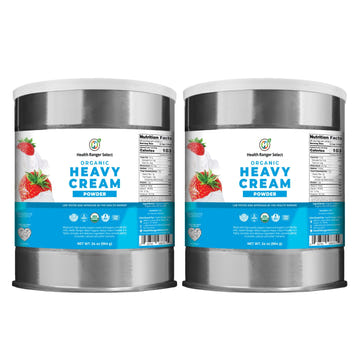
Health Ranger Store Organic Heavy Cream Powder 34oz ...
$159.95
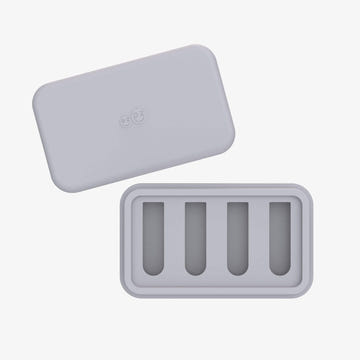
Ice Tray for the Baby-Led™ Gumline Feeder
$9.99
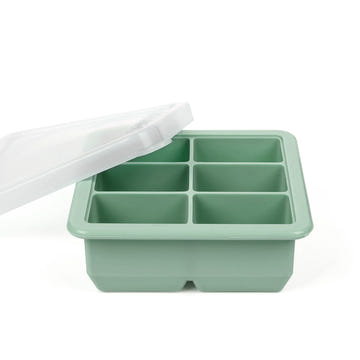
Haakaa Baby Freezer Tray Silicone 4 6 9 Compartment ...
$17.43
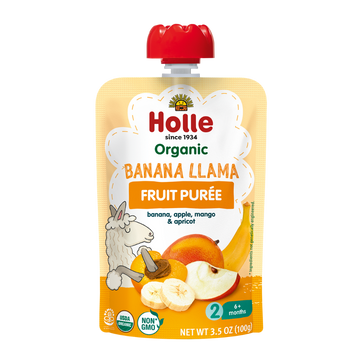
Holle Organic Banana Llama Fruit Purée Pouch Banana ...
$39.99
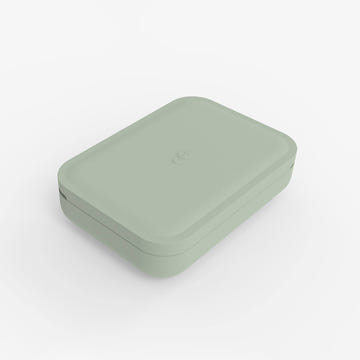
ezpz Baby-Led Weaning Travel Box all-in-one feeding ...
$19.99
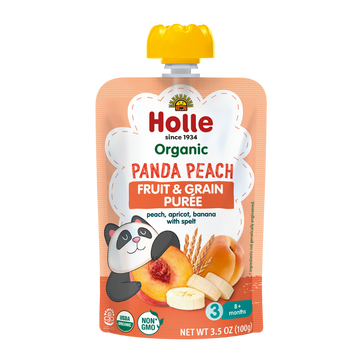
Holle Organic Panda Peach Fruit & Grain Purée Pouch ...
$39.99
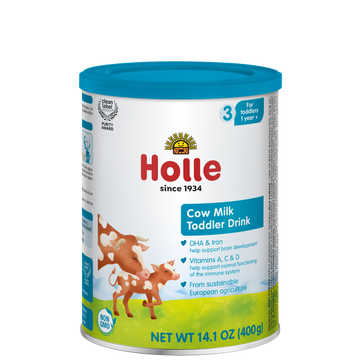
Holle Cow Milk Toddler Drink Stage 3 14 oz Grass Fed
$29.99
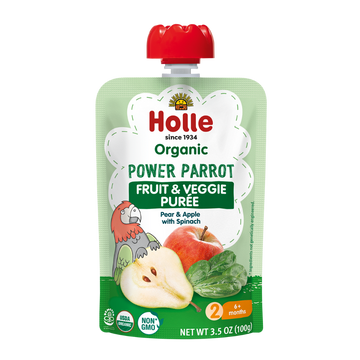
Holle Organic Power Parrot Fruit and Veggie Purée 3....
$39.99
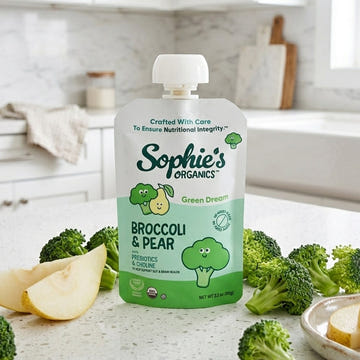
Green Dream Organic Pouches (6 pack)
$24.99
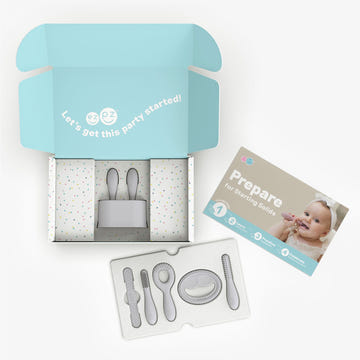
ezpz Kit 1 Prepare for Starting Solids pre-feeding t...
$50.00