


Welcoming a newborn into the world brings immense joy and responsibility. As parents, caregivers, and guardians, we are entrusted with the well-being of these tiny beings, ensuring they thrive and grow into healthy individuals. Among the many concerns that arise during infancy, weight often takes center stage. However, understanding infant weight concerns within the context of growth patterns, nutrition, and individual variations is crucial for providing the best care.
Growth Patterns: Infants exhibit rapid growth in their first year of life, with weight gain being a significant marker of healthy development. However, it's essential to recognize that growth patterns vary among individuals. While some infants may gain weight quickly, others follow a more gradual trajectory. These differences are often influenced by genetics, feeding practices, and overall health.
Nutrition: Proper nutrition plays a pivotal role in supporting healthy weight gain and overall growth. Breast milk or formula provides essential nutrients necessary for an infant's development. Breastfeeding offers numerous benefits, including optimal nutrition and immune support. However, if breastfeeding isn't possible, formula feeding ensures adequate nourishment. It's important to follow feeding guidelines provided by healthcare professionals and monitor the infant's growth to ensure they're thriving.
Signs of Concern: While variations in growth patterns are normal, certain signs may indicate underlying issues that require attention. These include:
- Inadequate weight gain or sudden weight loss.
- Persistent feeding difficulties or refusal.
- Decreased activity or lethargy.
- Failure to meet developmental milestones.
Addressing Concerns: If caregivers notice any concerning signs regarding their infant's weight or overall well-being, it's essential to seek guidance from a pediatrician or healthcare provider. These professionals can assess the situation, provide guidance on feeding practices, and conduct necessary evaluations to ensure the infant's health and development are on track.

Promoting Healthy Growth: Promoting healthy growth extends beyond monitoring weight gain. It involves creating a nurturing environment that supports the infant's physical, emotional, and cognitive development. This includes:
- Responsive caregiving: Attending to the infant's cues for hunger, discomfort, and interaction fosters a sense of security and promotes healthy attachment.
- Adequate sleep: Establishing consistent sleep routines supports growth and development.
- Encouraging movement and exploration: Providing opportunities for supervised tummy time, floor play, and interaction with age-appropriate toys stimulates development.
- Creating a supportive feeding environment: Whether breastfeeding or bottle-feeding, ensuring a calm and comfortable environment during feeding promotes positive associations with nourishment.
Infant weight concerns are a common worry for caregivers, but understanding the nuances of growth patterns, nutrition, and individual variations can alleviate anxiety and promote informed caregiving. By staying attuned to their infant's needs, seeking professional guidance when necessary, and fostering a nurturing environment, caregivers can support healthy growth and development, laying a strong foundation for a lifetime of well-being.

Featured pick from Moogco
MOOGCO Silver Nursing Cups 925k Silver - Protect Against Sore Breasts And Nipple Irritation
$45.90 $49.90
Shop this pick → Bring this guide home with 20% off.
Use code BABY20 for 20% off →Frequently Asked Questions
How much weight should my newborn gain in the first month?
Most newborns gain about 5 to 7 ounces per week during the first month after an initial weight loss period. It's normal for babies to lose up to 10% of their birth weight in the first week before starting to gain again. Your pediatrician will track this closely at early checkups to ensure your baby is thriving.

What's the difference between normal slow weight gain and a real problem?
Normal slow gainers are alert, active, meeting milestones, and producing adequate wet diapers while following their own consistent growth curve. Concerning slow gain involves babies who are lethargic, falling off their growth curve, having fewer than six wet diapers daily, or showing feeding difficulties. Always consult your pediatrician if you're worried about your baby's weight pattern.
Free US shipping over $100
Picks From This Story
Picks related to this guide, ready to ship from Moogco.

MOOGCO Silver Nursing Cups 925k Silver - Protect Aga...
$34.75
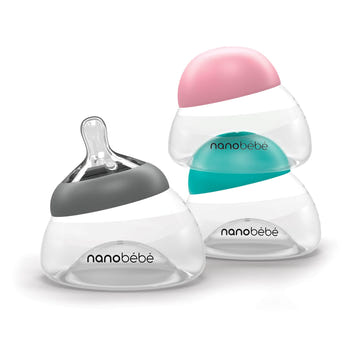
Nanobébé Breastmilk Baby Bottle 5 oz Pack Options Pi...
$16.99

Zomee Breast Pumps Breast Milk Storage Bottles BPA-free
$3.99
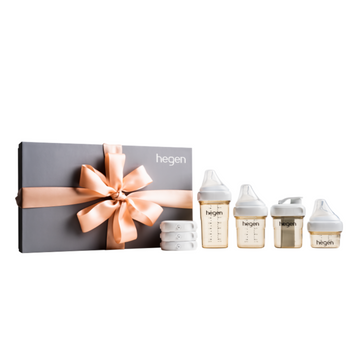
hegen PPSU Essentials Kit 60ml 150ml 240ml baby bottles
$99.99

Healthy Horizons Elvie Stride Diaphragms 2 Pack
$21.99
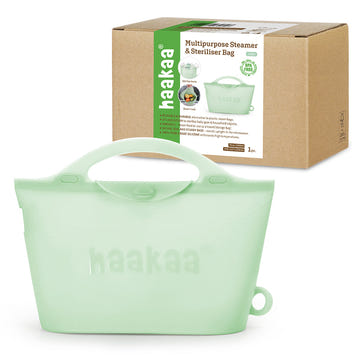
Haakaa Multipurpose Steamer & Sterilizer Bag 3 sizes...
$14.99
Real essentials, picked by real moms
Take 20% off at checkout, applied automatically when you shop through this link.
Shop with BABY20 →Free US shipping over $100. Code applies automatically at checkout.
Can I overfeed my baby and cause unhealthy weight gain?
Breastfed babies typically self-regulate and rarely overfeed, while formula-fed babies may occasionally consume more than needed if caregivers encourage finishing bottles. Focus on feeding responsively by watching hunger and fullness cues rather than pushing a specific amount. Rapid weight gain that concerns your doctor is uncommon in young infants but worth discussing at wellness visits.
How often should my baby be weighed to track growth properly?
Healthy newborns are typically weighed at birth, before hospital discharge, at the first pediatrician visit around 3 to 5 days, then at 2 weeks, 1 month, 2 months, and so on following the standard wellness visit schedule. If there are weight concerns, your doctor may request more frequent weight checks. Avoid weighing daily at home, as normal fluctuations can cause unnecessary worry.
Does breastfeeding or formula feeding affect weight gain patterns differently?
Breastfed babies often gain weight more rapidly in the first few months, then slow down compared to formula-fed babies, who may show steadier linear growth. Both patterns are healthy and normal. What matters most is that your baby follows a consistent growth curve appropriate for their feeding method, stays hydrated, and meets developmental milestones.
More Related Picks
A few more favorites from the same collection.
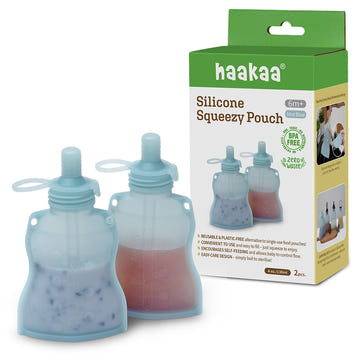
Haakaa Silicone Yummy Pouch 4.5 oz
$13.56
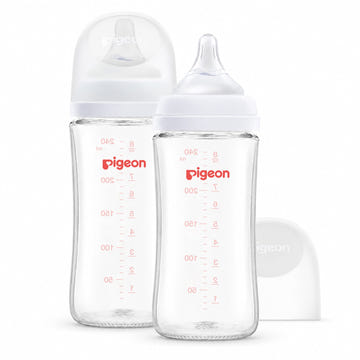
Pigeon Glass Wide Neck Baby Bottle 2-Pack 8.1 oz 3+ ...
$35.99

Haakaa Silicone Pump and Ladybug Milk Collector Comb...
$30.32
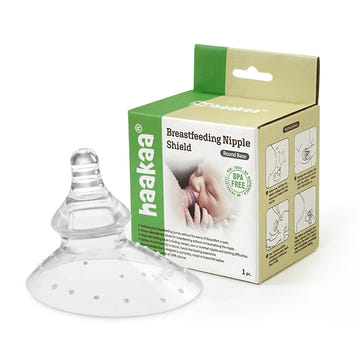
Haakaa Silicone Breastfeeding Nipple Shield Round Sh...
$19.05
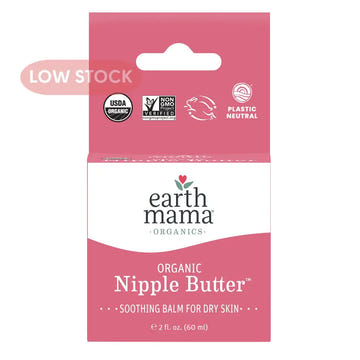
Organic Nipple Butter™ - Double-Sided for Kids
$14.99
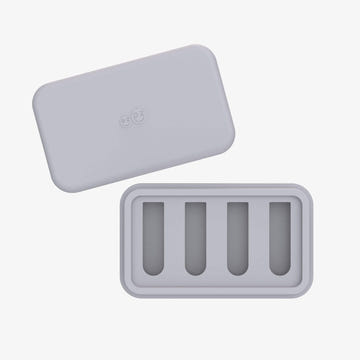
Ice Tray for the Baby-Led™ Gumline Feeder
$9.99
When should I worry that my baby isn't gaining enough weight?
Contact your pediatrician if your baby hasn't regained birth weight by two weeks, consistently has fewer than six wet diapers per day after day five, seems lethargic or uninterested in feeding, or is falling significantly off their established growth curve. Trust your instincts as a parent. It's always better to ask questions and get reassurance than to wait when something feels off.
Can sleep problems affect my baby's weight gain?
Yes, inadequate or disrupted sleep can impact weight gain because growth hormone is primarily released during deep sleep cycles. Babies who are overtired may also feed less effectively or show more fussiness during feedings. Establishing consistent sleep routines and ensuring your baby gets adequate rest supports both healthy growth and positive feeding experiences.
What role does tummy time play in healthy weight and development?
Tummy time strengthens neck, shoulder, and core muscles essential for motor milestones and helps prevent flat spots on the head, but it doesn't directly affect weight gain. However, physical activity and movement support overall healthy development and appetite regulation. Start with short sessions several times daily, gradually increasing as your baby gets stronger and more comfortable.
From Moogco Studio
Printable and personalized nursery essentials. Designed by moms for moms.


About the Editor
Eda Ulger is the editor at Moogco Baby and a mom of two. She curates and edits our guides so every piece is honest, practical, and genuinely helpful for the early days of motherhood.
Shop This Story
Picks related to this guide, ready to ship from Moogco.
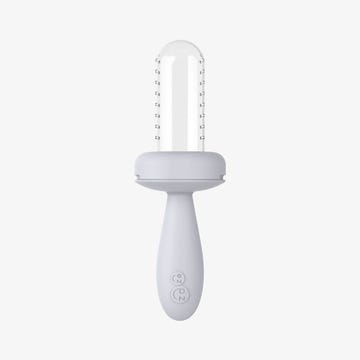
ezpz Baby-Led Gumline Feeder silicone pouch for baby...
$13.99
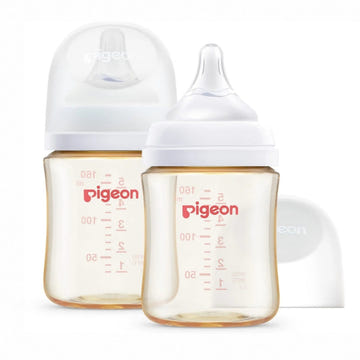
Pigeon PPSU Wide Neck Baby Bottle 2 Pack 5.4 oz Newborn
$34.99
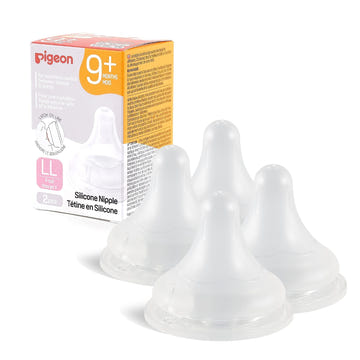
Silicone Nipple (LL), 9+ Months
$21.99
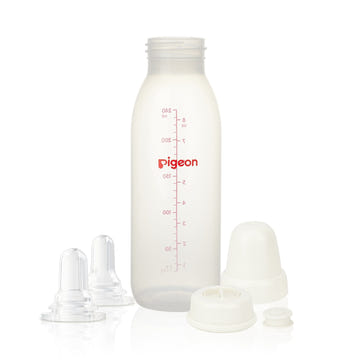
Pigeon Baby Cleft Lip/Palate Bottle 8.11 Oz 2 Nipples
$19.90
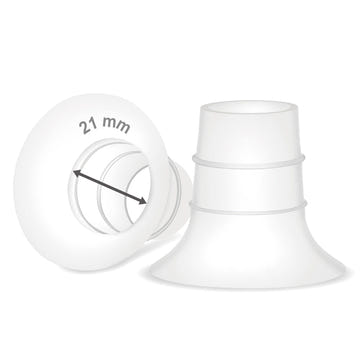
Bae & Bee Boutique Maymom Silicone Medela Flange Ins...
$6.00
Bae & Bee Boutique Silicone Flange Inserts 10-21mm
$16.00
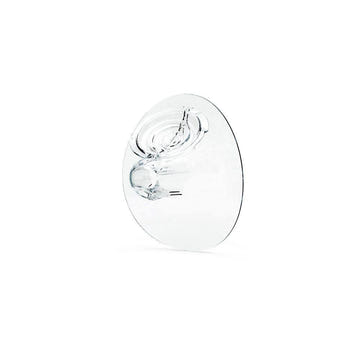
Healthy Horizons Elvie Pump Breast Shields 2 Pack 21...
$29.99
ezpz Tiny Plate open plate for self-feeding and uten...
$18.99
Mason Bottle Silicone Nipples 2 Pack Regular-Mouth B...
$12.99
Haakaa Freeze-N-Feed Mini Combo Fresh Food Feeder Set
$19.90