


In today’s digital world, screens are everywhere—from smartphones to tablets to TVs. For parents of toddlers, setting limits around screen time can feel confusing and overwhelming. But with mindful use, screens can be part of a balanced routine that supports learning and connection without compromising development.
Dr. Naomi Ellis, Pediatric Neurologist: “The key isn’t zero screen time—it’s intentional screen time. When used thoughtfully, digital tools can support curiosity and creativity in young children.”
What Do the Guidelines Say?
According to the American Academy of Pediatrics (AAP): ✔️ Avoid screens (except video chatting) for children under 18 months
✔️ Ages 18–24 months: Choose high-quality programming and co-view with your child
✔️ Ages 2–5: Limit screen use to 1 hour per day, and watch together whenever possible

Why Limit Screen Time for Toddlers?
✔️ Early brain development thrives on real-world, hands-on experiences
✔️ Too much screen time can interfere with sleep, attention, language, and physical activity
✔️ Overexposure may lead to behavioral and emotional dysregulation
Free US shipping over $100
Real essentials, picked by real moms
Take 25% off at checkout, applied automatically when you shop through this link.
Shop with READER25 →Free US shipping over $100. Code applies automatically at checkout.
Picks From This Story
Picks related to this guide, ready to ship from Moogco.
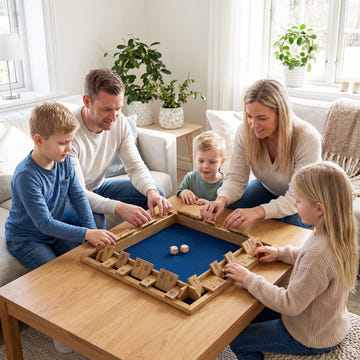
24 Inch Extra-Large Shut The Box Game for 2-4 Player...
$50.39
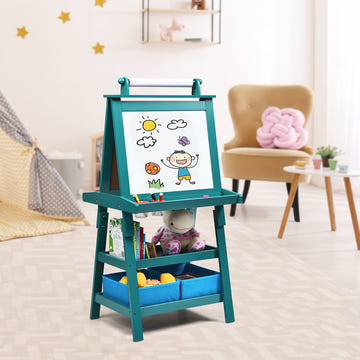
3 in 1 Double-Sided Storage Art Easel - Height-Adjus...
$69.29
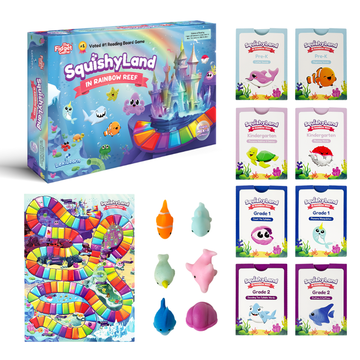
The Fidget Games Squishyland Ages 3 to 8 2 to 6 Players
$39.99
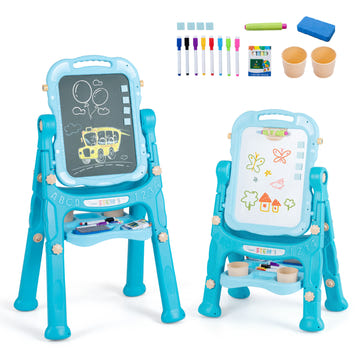
Art Easel for Kids with Adjustable Height
$39.89
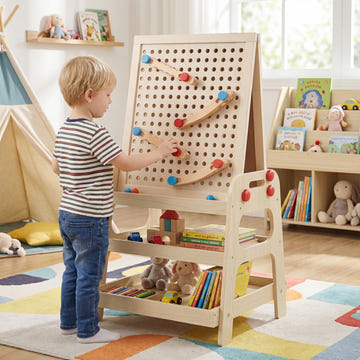
2-in-1 Kids Art Easel with Magnetic Whiteboard and M...
$66.14
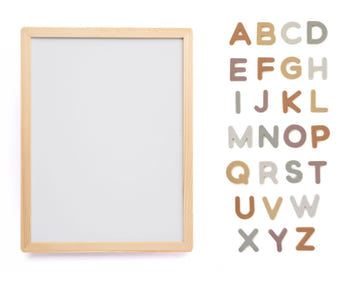
BROOKLYN NEUTRAL Alphabet Magnet Play Set Whiteboard...
$53.99
Signs Screen Time Might Be Too Much
✔️ Frequent meltdowns when devices are turned off
✔️ Disinterest in toys, outdoor play, or books
✔️ Difficulty falling or staying asleep
✔️ Delayed language or social interaction
Dr. Jacob Lin, Pediatrician: “Screens can’t replace play, movement, and conversation. Those are the real building blocks of toddler growth.”
Creating Healthy Screen Habits
1. Be Selective
✔️ Choose slow-paced, age-appropriate content (PBS Kids, Sesame Street, etc.)
✔️ Avoid apps or shows with rapid transitions, loud noises, or ads
2. Co-View and Engage
✔️ Watch together and ask questions: “What’s happening here?”
✔️ Reinforce learning through real-life play afterward
3. Make Screen Time Predictable
✔️ Create screen-free zones (e.g., bedrooms, meal tables)
✔️ Use timers or visual cues to signal when screen time ends
Encouraging Non-Digital Play
✔️ Rotate open-ended toys (blocks, dolls, puzzles) to maintain interest
✔️ Offer outdoor time daily—sunlight and movement support mental and physical health
✔️ Read together daily to build language and attention
More Related Picks
A few more favorites from the same collection.
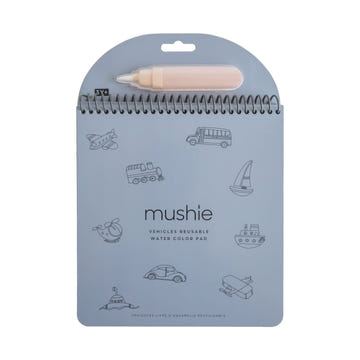
Reusable Water Color Pad
$12.99
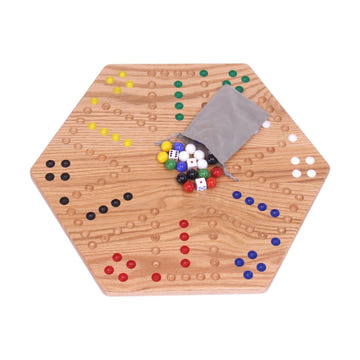
Amish Toy Box Aggravation Wahoo Marble Board Game Do...
$76.50

Waldorf wooden Oak Tree with the Bird
$25.50
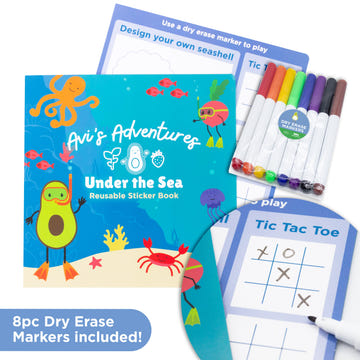
Avi's Adventures Under The Sea Reusable Sticker Book...
$12.99
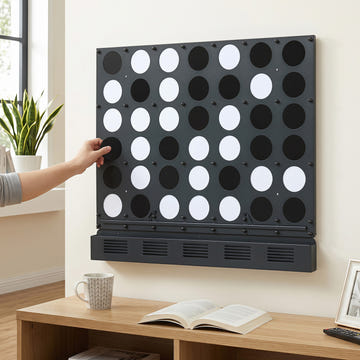
Wall-mounted Metal Connect-4 Game with Acrylic Discs
$71.39

Hamptons Jet Set Baby Book
$12.00
The Role of Moogco Silver Nursing Cups
Still breastfeeding while navigating screen time with your toddler? If comfort feeds are part of your routine, Moogco Silver Nursing Cups can help soothe and protect sore nipples with their natural, antibacterial design.
📌 Shop here: Moogco Silver Nursing Cups on Amazon
Final Thoughts: Balance, Not Perfection
Screens are a tool—not a substitute for connection. With balance, structure, and plenty of play, you can use screen time in ways that support your toddler’s development and family rhythms.
🛒 Explore toddler development tools and parenting support at Moogco Baby.
Bring this guide home with 25% off.
Use code READER25 for 25% off →
Featured pick from Moogco
MOOGCO Silver Nursing Cups 925k Silver - Protect Against Sore Breasts And Nipple Irritation
$45.90 $49.90
Shop this pick → Frequently Asked Questions
Can video chatting with grandparents count as screen time?
Video chatting is actually exempt from the AAP's screen time limits for young children. It's considered interactive communication rather than passive viewing. These real-time, two-way conversations support language development and family bonding, making them a healthy use of screens even for babies under 18 months.
How do I handle screen time when I need to cook dinner or take a call?
It's okay to use screens strategically for short periods when you need to focus on something else. The key is keeping it brief, choosing quality content, and balancing it with plenty of active play throughout the day. Consider setting up a safe play space nearby so your toddler can play independently while you handle tasks.
What makes content high-quality for toddlers?
High-quality programming is slow-paced, educational, and designed with child development in mind. Look for shows that encourage participation, use simple language, and focus on one concept at a time. Programs should be free of commercials, avoid fast cuts and loud noises, and ideally model positive social behaviors like sharing and empathy.
Should I worry if my toddler watches screens at daycare?
Ask your daycare provider about their screen time policy and how they use media. Many quality programs limit screens or use them only for educational purposes like music or occasional enrichment. Factor daycare screen time into your child's daily total and adjust home usage accordingly to stay within the recommended one hour per day for ages 2 to 5.
My toddler tantrums every time I turn off the tablet. What can I do?
Transitions are hard for toddlers, especially away from something stimulating. Give a five-minute warning before screen time ends, use a visual timer your child can see, and immediately offer an engaging alternative like a snack, outdoor play, or a favorite toy. Consistency with these routines will reduce meltdowns over time.
Are educational apps better than TV shows for toddlers?
Not necessarily. While some apps are interactive and educational, many still involve passive swiping without true learning. Co-viewing and engagement matter more than the format. Whether it's an app or a show, participate with your toddler, ask questions, and extend the learning into real-world play for the best developmental benefit.
Can screens help my shy toddler learn social skills?
Screens can model social behaviors like turn-taking and sharing, but they can't replace real interaction. Toddlers learn social skills best through face-to-face play with caregivers and peers. Use screen content as a jumping-off point for role-playing scenarios together, but prioritize playdates, library story times, and family interactions for true social growth.
How early should I start teaching my toddler about screen boundaries?
You can start setting boundaries as soon as you introduce screens. Even young toddlers can learn simple rules like screens stay in the living room or we watch one episode then play outside. Use consistent language and routines. Teaching healthy habits early makes it easier to maintain balance as your child grows and screen options expand.
From Moogco Studio
Printable and personalized nursery essentials. Designed by moms for moms.


About the Editor
Eda Ulger is a co-founder of Moogco Baby, the editor of the Moogco Baby Journal, and a mom of two. She curates and edits our guides so every piece is honest, practical, and genuinely helpful for the early days of motherhood.
Shop This Story
Picks related to this guide, ready to ship from Moogco.
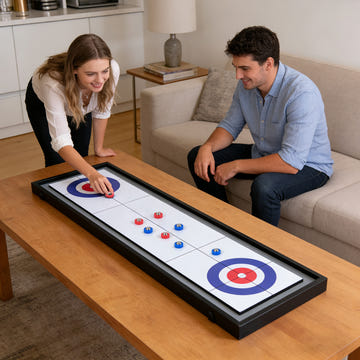
Shuffleboard and Curling 2 in 1 Board Game Portable ...
$48.29
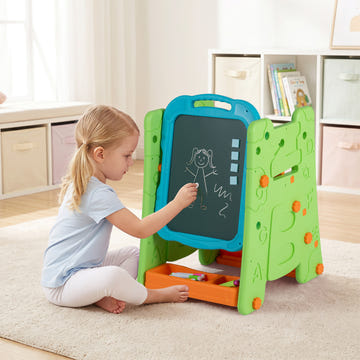
1 Art Easel for Kids with Double Sided Magnetic Board
$41.99

Speedy Monkey Boat Block Puzzle Multicolor 15 Wooden...
$24.99
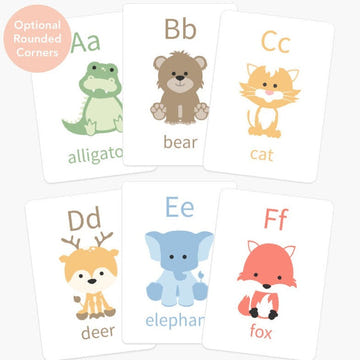
GoodnightFox Alphabet Flashcards 26 A, Z Illustrated...
$10.00
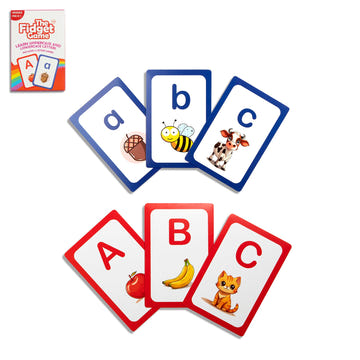
The Fidget Games ABC Learn Uppercase Lowercase Card ...
$9.99

Amish Toy Box Bag of 60 Glass Marbles for Chinese Ch...
$24.50
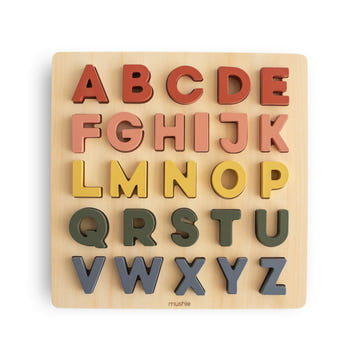
Mushie Wooden Alphabet Puzzle 26 Capital Letters
$29.99

Little Toes New Parents Are People Too book by Dr. S...
$14.95
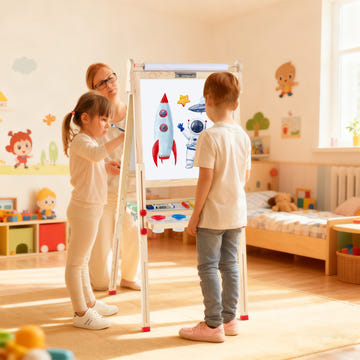
3-in-1 Double-Sided Folding Wooden Kids Art Easel wi...
$60.89

elseware unplug Day at the Beach Kids Hand & Footpri...
$17.99