


Silver Nursing Cups: The Healing Science and How They Protect Your Early Breastfeeding Weeks

Medically reviewed by Amy Bassett, IBCLC, on behalf of Lactation Consultants of Central FL.
Reviewed for clinical accuracy on June 17, 2026.
Reviewed for clinical accuracy on June 17, 2026.
Moogco makes silver nursing cups in 999 fine and 925 sterling silver. We are moms who wore them too.
If you are reading this at three in the morning with a baby who cannot be put down in your arms and raw, aching nipples, we see you. The first weeks of breastfeeding can feel like an impossible mix of wonder and pain, and when every latch makes you wince, it is hard to believe anyone when they say, "it gets easier." But it does, and healing does not have to take weeks of white-knuckling through feeds. Silver nursing cups are not magic, but the science behind them is real, the clinical evidence is solid, and they offer a calm, evidence-backed way to help your nipples heal faster while you protect the breastfeeding relationship you are working so hard to build.
How Silver Actually Heals Your Nipples
Silver has been used in wound care for over a century, long before antibiotics arrived on the scene. In the late 1800s, physicians applied silver sutures and silver foil dressings to infected wounds and saw remarkable reductions in bacterial load and faster healing. The reason silver works is something called the oligodynamic effect, a term that sounds complicated but describes a beautifully simple mechanism: silver ions released from the metal surface bind to bacterial cell walls and disrupt their ability to reproduce and function, effectively neutralizing harmful bacteria without the need for prescription antibiotics.
When you place a pure silver nursing cup over a cracked, inflamed nipple, you create three healing conditions at once:
- Antimicrobial protection. Silver continuously releases trace amounts of silver ions that reduce bacterial colonization on damaged tissue, lowering the risk of infection and allowing your body to focus energy on repairing your nipples rather than fighting off pathogens.
- Moist wound healing. Silver cups collect a thin layer of breast milk and natural moisture against the nipple, maintaining an ideal environment for tissue regeneration. Moist wound healing has been shown across wound-care literature to speed closure, reduce scarring, and minimize pain compared to air-drying methods.
- Physical barrier. The smooth, cool metal prevents friction pain from bra fabric and keeps the nipple from drying out and cracking further between feeds.
The Klasen 2000 review in the journal Burns summarized decades of silver research in wound care and confirmed that silver dressings accelerate healing in a wide range of tissue injuries, from burns to chronic wounds. The same principles apply to nipple trauma, which is essentially a friction and compression wound with high bacterial exposure.
What the Research Actually Shows
One of the strongest pieces of evidence for silver nursing cups in breastfeeding care comes from a 2015 randomized controlled trial published in Breastfeeding Medicine. Marrazzu and colleagues followed 40 breastfeeding mothers with painful nipple fissures and divided them into two groups. One group received silver nursing caps plus standard lactation support from an IBCLC. The control group received IBCLC-led care alone, which is already considered best practice and includes latch correction, positioning guidance, and pain management.
The results were clear. At both day 7 and day 15, mothers using silver nursing cups reported significantly lower pain scores compared to the control group (p < 0.05). Pain decreased faster, fissures healed more completely, and when asked which treatment they would choose again, mothers overwhelmingly preferred the silver cups. The study did not find that silver replaced good lactation care. It showed that silver accelerated healing and pain relief when used alongside proper support.
Marrazzu A, Sanna MG, Dessole F, Capobianco G, Piga MD, Dessole S. (2015). Evaluation of the Effectiveness of a Silver-Impregnated Medical Cap for Topical Treatment of Nipple Fissure of Breastfeeding Mothers. Breastfeeding Medicine, 10(5), 232-238. doi:10.1089/bfm.2014.0177
This was not a massive trial, and like all early-phase studies it has limitations, but the signal is strong and the mechanism is well understood. Silver nursing cups are not experimental. They are a clinically investigated tool that builds on a century of wound-care science.
Picks From This Story
Picks related to this guide, ready to ship from Moogco.
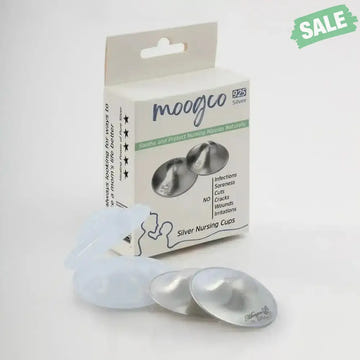
MOOGCO Silver Nursing Cups 925k Silver - Protect Aga...
$34.75

The Original Silver Nursing Cups with Silicone Pads
$62.90
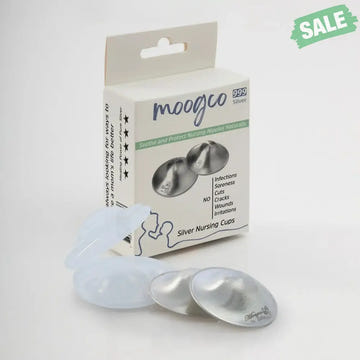
MOOGCO Silver Nursing Cups 999k Silver
$49.90
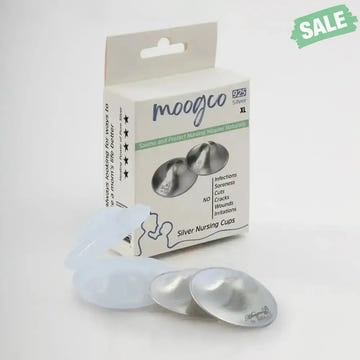
MOOGCO Silver Nursing Cups 925k Silver
$34.75
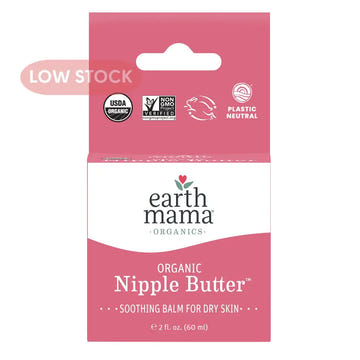
Organic Nipple Butter™ - Double-Sided for Kids
$14.99
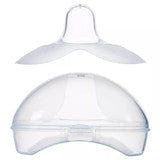
Bae & Bee Boutique Cherry Shaped Nipple Shield 21mm ...
$14.00
Why Pain in the First Weeks Shows Up Everywhere Later
The first four to six weeks of breastfeeding are not just about learning how to latch. They are the foundation for everything that comes after: your milk supply, your baby's weight gain, your confidence, and your emotional recovery from birth. When pain makes you dread the next feed, your entire breastfeeding and pumping journey is at risk of an early end.
Here is what we see happen when nipple pain goes unaddressed:
- Shortened feeds. You unlatch early because it hurts too much to continue the feed. Baby does not drain the breast fully, which then signals your body to make less milk.
- Latch compromise. You start positioning your baby differently at the breast to avoid the sorest spots, which can create new latch issues and new sore spots.
- Early supplementing. When milk supply dips and baby seems fussy, formula or pumped milk gets added in, which is sometimes necessary and always okay, but if it happens sooner than you planned because of pain rather than choice, it can feel like failure.
- Emotional spiral. You start wondering if you are doing something wrong, if your body is broken, if you are hurting your baby by continuing to attempt breastfeeding. Shame creeps in. Isolation grows. And hope for reaching your breastfeeding goals can seem unattainable.
Pain is not just a physical problem. It disrupts the entire feedback loop between you and your baby. Breastfeeding is a co-regulated system. Your baby learns to latch better when feeds are calm and you are both relaxed. Your milk supply stabilizes when feeds are consistent. Your nervous system settles when feeding feels good instead of frightening. Pain breaks that loop. Healing the pain and overcoming sore, cracked, or bleeding nipples rebuilds the positive feedback loop.
The Recovery Loop: How Quick Relief Supports Bonding and Milk Supply
When you use silver nursing cups and experience a significant decrease in pain within days instead of weeks, something shifts. You stop bracing yourself before every feed. You start latching your baby with confidence instead of fear. Feedings are more successful, your baby drains the breast more fully, and your body reads that as a clear signal to keep making milk.
The relief is not just physical. When breastfeeding stops hurting, mothers report feeling more connected to their babies, more capable, and more willing to continue breastfeeding long-term. You start to trust your body again. You stop googling "is it normal to hate breastfeeding" at two in the morning. You may even look forward to the quiet and peaceful moments shared with your baby while breastfeeding.
This is the real science of silver cups. Yes, they help tissue heal faster. But the downstream effects, the emotional recovery and the bond repair and the supply protection, those matter just as much as the centimeters of skin that close up.
How to Use Silver Nursing Cups in Your Daily Routine
Silver cups are simple to use, but a few practical details will help you get the most benefit:
- After every feed, rinse your nipple with warm water (avoid soap, which can dry and irritate sensitive nipples) and gently pat dry or air dry for a moment.
- Express a few drops of breast milk into the silver nursing cups. Breast milk contains antibodies, growth factors, and anti-inflammatory compounds that support healing. Pairing it with the moist environment of the silver cup enhances the effect.
- Place the silver cups directly over your nipples and position them inside your bra so they stay secure but not pressed too tight against your skin. You want gentle contact, not pressure.
- Wear the cups between feeds. Most mothers wear them all day and remove them right before the next feed. If your breast leaks milk into the cup, rinse the cup and your nipple before wearing it again.
- Wash the cups once or twice a day with warm water and a tiny bit of gentle dish soap, then rinse thoroughly and air dry. Do not boil pure silver cups, as it can cause warping depending on the gauge of the metal. Check the care instructions that came with your specific cups.
You do not need to wear them overnight if you are not comfortable sleeping in a bra, though some mothers do. The key is consistent use during the day so your nipples spend as much time as possible in that healing, protected environment.
More Related Picks
A few more favorites from the same collection.
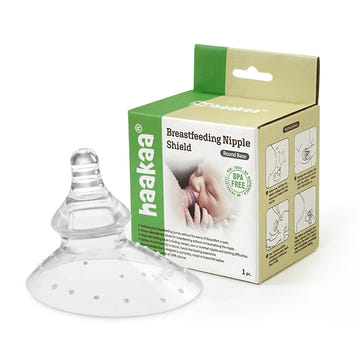
Haakaa Silicone Breastfeeding Nipple Shield Round Sh...
$19.05
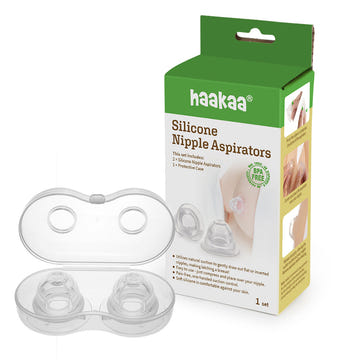
Haakaa Silicone Inverted Nipple Aspirators 2 pk
$17.99
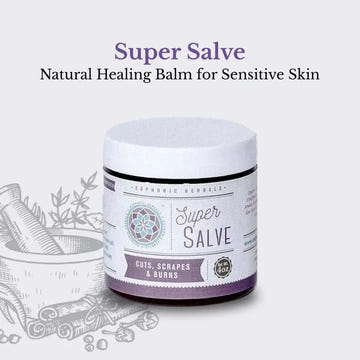
Euphoric Herbals Super Salve Nursing Salve no essent...
$10.00
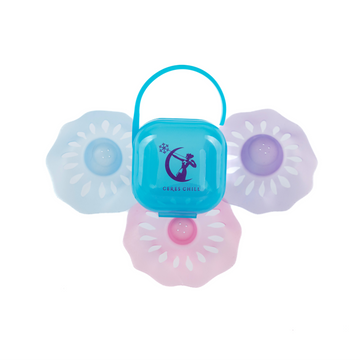
Ceres Chill Shield Maiden Nipple Shields 2pc or 3pc ...
$14.50
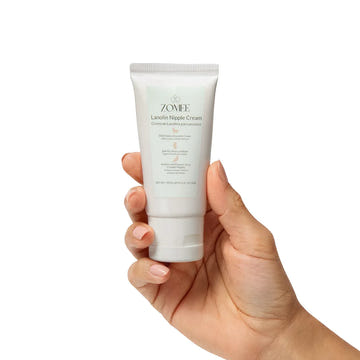
Zomee Breast Pumps Lanolin Nipple Cream
$9.99
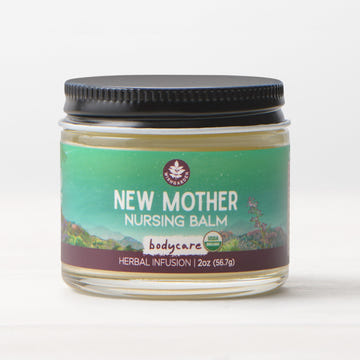
WishGarden Herbs New Mother Nursing Balm USDA Organic
$14.99
When Silver Cups Are Not the Answer
Silver nursing cups are incredibly helpful for most mothers dealing with cracked, sore nipples in the early weeks, but they are not right for every situation:
- If you have a known silver allergy (rare, but it exists), do not use them. You will know quickly if your skin reacts, if you experience redness and itching within hours of first use, and you should stop using silver nursing cups immediately.
- If you have signs of infection (deep, shooting pain during and after feeds, red streaks on the breast, fever, pus or blood from the nipple), silver cups alone cannot resolve breast or nipple infection. You need to see your doctor or an IBCLC right away. Mastitis and nipple infections require assessment and sometimes antibiotics.
- If pain is not improving after a week of using the cups, something else is going on. It could be tongue tie, a shallow latch that needs correction, thrush, or another issue that an IBCLC can help uncover and address.
Silver cups are a healing tool, not a diagnostic tool. They help your body repair tissue, but they do not fix the root cause if the root cause is a bad latch, tethered oral tissue, oral motor inefficiencies, or infection.
Working Alongside Your IBCLC
If you take one thing from this article, let it be this: silver nursing cups and skilled lactation support work beautifully together. The Marrazzu study did not test silver cups alone. The study tested silver nursing cups as part of a care plan that included IBCLC guidance on proper latch, positioning, and feeding frequency. That combination is what delivered the results.
An IBCLC can watch you feed your baby and spot latch issues you may never see on your own. Lactation consultants can check for tongue tie, lip tie, or palate shape issues that cause nipple trauma no matter how carefully you position your baby. They can reassure you that your milk supply is fine, or help you build it back up if it has dipped. Lactation consultants can also hold space for the hard emotions and remind you that struggling does not mean failing.
If you are experiencing persistent pain, if breastfeeding feels "off" in a way you cannot name, or if you are starting to dread feeding your baby, please reach out to an IBCLC. Many offer virtual consults now, and some insurance plans cover lactation visits without copays or any out-of-pocket expense. The investment is worth it. You deserve to feel supported, and your baby deserves a mother who is not silently suffering through every feed.
A Calm Summary
Silver nursing cups bring together time-tested wisdom and modern evidence-based research. They work because silver ions inhibit bacterial growth, because moist wound healing is faster and less painful than dry healing, and because protecting damaged tissue from friction gives your body the opportunity it needs to repair itself. The research is real. The relief is measurable. And when pain disappears, everything else, your milk supply, your bond with your baby, and your belief in your own body to nourish your baby, has room to recover too.
You are not "failing" if breastfeeding hurts right now. You are learning something hard, in a body that just grew and birthed a beautiful little human, while operating on very little sleep, with what feels like very high stakes. Let us be honest: although it is "natural," breastfeeding is not always easy. Silver nursing cups are one tool that can make the learning curve gentler. Use them well, work with your IBCLC, and give yourself the same grace you would give your best friend if they were in your position. You are an amazing mother and you are doing so much better than you think. You have got this.
About the Reviewer
Amy Bassett, BA, CLC, ALC, IBCLC, RLC is an International Board Certified Lactation Consultant and mother of two serving families in and around Orlando, FL. She is passionate about helping moms reach their personal breastfeeding goals and has spent thousands of hours counseling new mothers. Amy is the CEO of Lactation Consultants of Central FL, and reviewed this article for clinical accuracy on behalf of the practice.
Shop This Story
Picks related to this guide, ready to ship from Moogco.
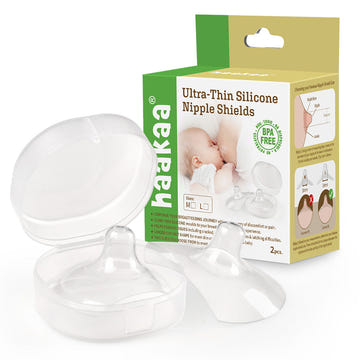
Haakaa Silicone Nipple Shields 2-pack 18 mm
$13.93
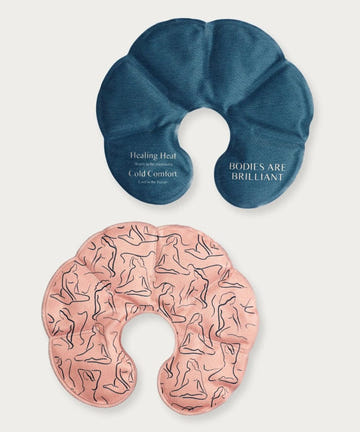
Nyssa Breast Ice and Heat Therapy Packs 8-inch Full-...
$20.00
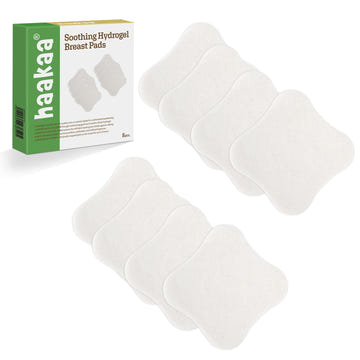
Haakaa Soothing Hydrogel Breast Pads
$9.99
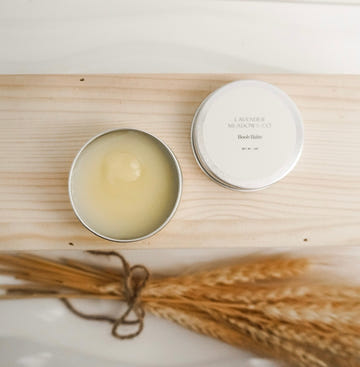
Lavender Meadows Co Boob Balm 1oz breastfeeding nipp...
$12.00

Nēmah Renewing Nipple + Lip Balm calendula multi-use
$24.00
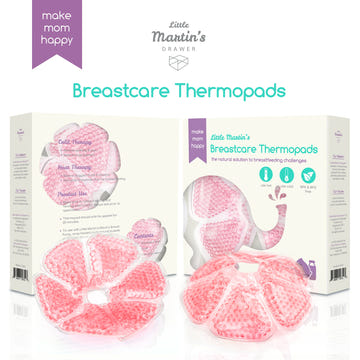
Little Martin's Drawer Breast Care Thermopads Hot Co...
$18.99
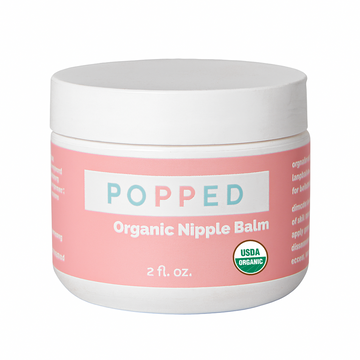
Popped Organic Nipple Balm 2 oz Unscented Lanolin-Free
$12.99
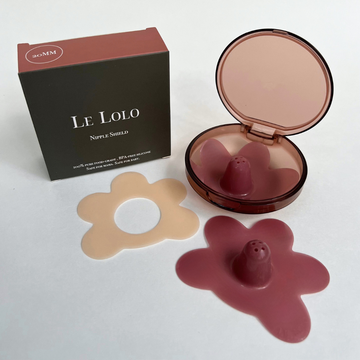
Hello Postpartum Colored Nipple Shield System with Case
$20.00
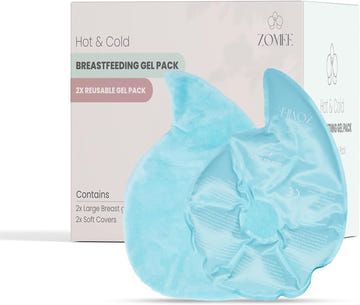
Zomee Breast Pumps Hot & Cold Reusable Gel Packs for...
$14.99
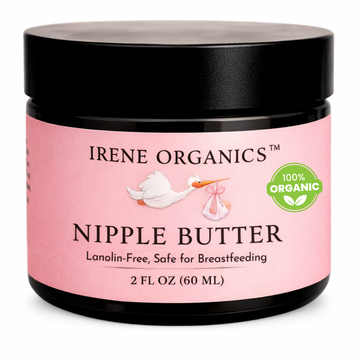
Nipple Butter
$18.99