


Your baby is showing signs of readiness — and you want to get it right from the start. Here's your complete guide to the essentials, the best first foods, and how to make this exciting milestone stress-free.
The right essentials make all the difference.
With quality gear and real food, starting solids is exciting — not stressful.
When Is Your Baby Actually Ready?
The AAP recommends starting solids around 6 months — but age alone isn't the indicator. All four of these signs must be present:

1. Sits Upright
With minimal support. Not slumped over — actual core strength.
Curated by moms, vetted by lactation pros
Everything for the breastfeeding journey
Take 25% off at checkout, applied automatically when you shop through this link.
Shop with READER25 →Free US shipping over $100. Code applies automatically at checkout.
2. Lost Tongue-Thrust Reflex
When you put something on their tongue, they don't automatically push it out.
3. Shows Interest in Food
Reaching for your plate, watching you eat intently, opening their mouth when food comes near.
4. Developing Pincer Grasp
Can pick things up between thumb and forefinger.
Myth busters: "Watching you eat at 4 months" = curiosity, not readiness. "Big babies need food sooner" = size doesn't determine digestive readiness. "Starting early helps sleep" = multiple studies have debunked this.
Baby-Led Weaning vs. Purees
Baby-Led Weaning
- Baby feeds themselves from the start
- Develops motor skills early
- Baby controls intake
- Less picky eating later
- Very messy!
Traditional Purees
- Easier to track intake
- Less messy
- Familiar approach
- Good for extra calories
- Can delay self-feeding
The real answer: Most parents do a combination. Some purees when you need a quick meal, finger foods when you have time for the mess. No wrong answer.
Picks From This Story
Picks related to this guide, ready to ship from Moogco.
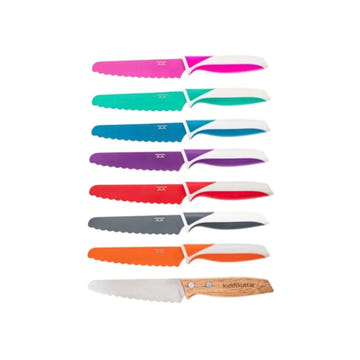
KiddiKutter Training Knife for Children 3+ (More col...
$18.99
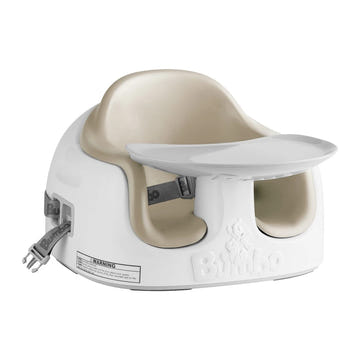
Bumbo 3-in-1 Multi Seat w/Adjustable Height, Tray In...
$69.99
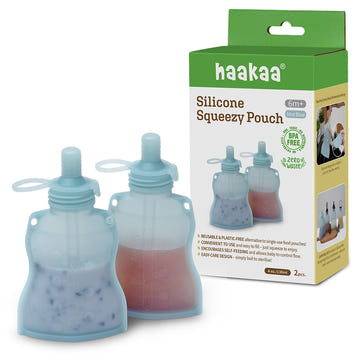
Haakaa Silicone Yummy Pouch 4.5 oz
$13.56
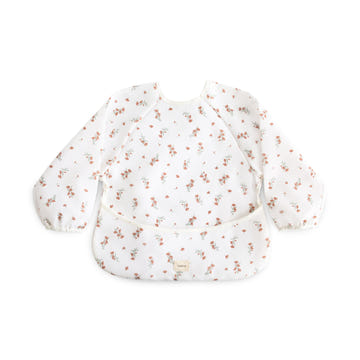
Mushie Long Sleeve Bib water resistant 6 to 24 months
$14.99
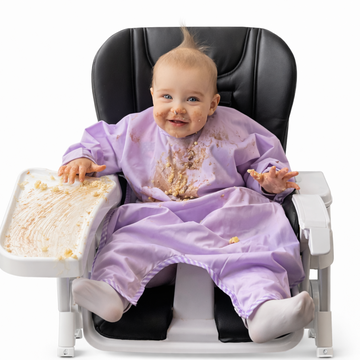
BodyBibShop BodyBib Long Sleeve Full-Coverage Bib Ch...
$24.99
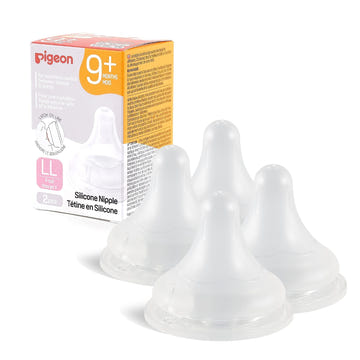
Silicone Nipple (LL), 9+ Months
$21.99
What You Actually Need: The Essential List
1. A High Chair (Easy to Clean)
This is your biggest purchase. Easy to clean is priority #1. A footrest is essential — babies eat better when their feet are supported. Look for adjustable heights, a removable dishwasher-safe tray, and a chair that grows with your child.
2. A Starting Solids Kit
Instead of buying everything separately, a curated starter kit saves time and money. Our Prepare for Starting Solids Kit includes everything you need — bibs, soft-tip spoons, and suction plate — all in one box.
3. Silicone Bibs (2-3)
With a catch pocket. They catch falling food, wipe clean in seconds, don't stain. Skip the cute cloth bibs.
4. A Few Soft-Tip Spoons (3-4)
Gentler on gums than metal. They will end up on the floor. Every. Single. Time.
5. A Small Cup
Open cup or straw cup. Skip the sippy cup — speech therapists don't love them.
6. Food From Your Kitchen
Whatever you're already eating, modified for baby. Iron-rich foods first: meat, eggs, beans, lentils, fortified oatmeal, tofu.
Smart Feeding Tips That Actually Work
Make Your Own Baby Food
It's easier than you think! Mash a banana with a fork, steam broccoli, blend sweet potato or avocado. A good blender and basic kitchen tools are all you need.
Batch Prep Like a Pro
Use regular ice cube trays to freeze portions. Pop them out, store in a freezer bag, and you have ready-to-go meals for the whole week.
Focus on Real Textures
Let your baby explore real food textures from the start. Whole foods help baby learn to chew and develop a healthy relationship with food. The more textures they experience early, the less picky they'll be later.
Introduce Allergens Early
Current research shows that delaying allergens increases allergy risk. Around 6 months, start introducing:
- Peanut butter (thinned with breast milk)
- Scrambled eggs
- Yogurt and dairy
- Wheat, fish, tree nuts, soy, sesame
One at a time, 2-3 day gaps between each. Do it at home, during the day.
More Related Picks
A few more favorites from the same collection.
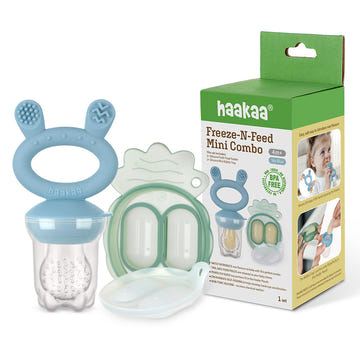
Haakaa Freeze-N-Feed Mini Combo Fresh Food Feeder Set
$19.90
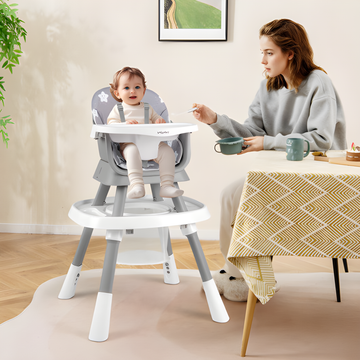
16-in-1 Baby High Chair with Activity Center and Boo...
$104.99
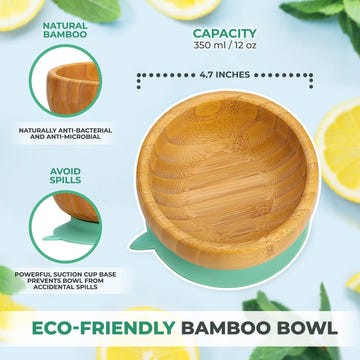
The Teething Egg Bamboo Bowl with Suction Base Natur...
$17.95
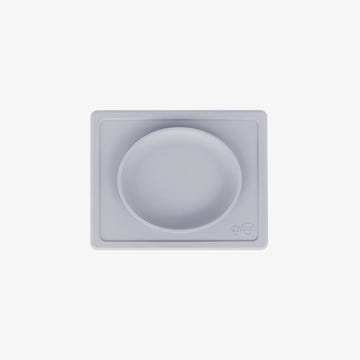
ezpz Tiny Plate open plate for self-feeding and uten...
$18.99
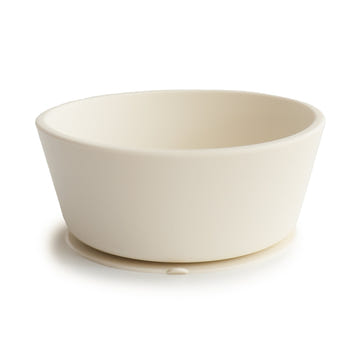
Mushie Silicone Suction Bowl for Babies Learning to ...
$14.99
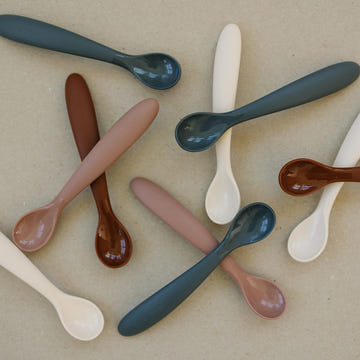
Mebie Baby Silicone Spoon Sets BPA Free Soft Dishwas...
$5.00
Gagging vs. Choking — Know the Difference
Gagging (Normal)
- Loud and dramatic
- Baby is breathing
- Face turns red
- Resolves on its own
- Stay calm. Don't intervene.
Choking (Emergency)
- SILENT — key difference
- No coughing or crying
- Face turns blue/pale
- Unable to breathe
- Act immediately. Infant CPR.
Take an infant CPR course BEFORE starting solids.
Many hospitals offer free classes. The Red Cross has online courses.
Foods to Avoid Before Age 1
- Honey — risk of botulism
- Whole nuts/seeds — choking hazard (nut butters are fine, thinned)
- Whole grapes/cherry tomatoes — must be cut lengthwise and quartered
- Popcorn — hard, irregular shape
- Raw apple chunks — too hard (cooked/grated is fine)
- Hot dogs — cut lengthwise first, then into small pieces
- Added salt and sugar — their kidneys can't handle it yet
Frequently Asked Questions
When exactly should I start solids?
Around 6 months, when ALL readiness signs are present. Not before 4 months. Not based on weight or size.
Do I need to start with rice cereal?
No. This is outdated advice. Rice cereal is low in nutrition and can contain arsenic. Start with iron-rich foods like meat, eggs, beans, or fortified oatmeal.
How much should my baby eat?
A few teaspoons to a couple of tablespoons per meal at first. Don't force it. Breast milk or formula is still the primary nutrition until age 1.
Should I make my own baby food or buy it?
Whatever works for your life. Most parents do a mix. Just avoid relying solely on pouches — baby needs to learn to chew real textures.
When can my baby eat what we eat?
From the start! Modify family meals to be baby-safe (appropriate sizes, no added salt/sugar, no honey before 1).
The Bottom Line
With the right essentials, starting solids is exciting — not stressful. A great high chair, quality silicone bibs and soft spoons, real food from your kitchen, patience, and a CPR course. That's your recipe for success.
Your baby just wants to explore, learn, and make a glorious mess. And with the right gear from moogcobaby.com, you can enjoy every messy, wonderful moment. Start simple. Stay calm. Food before one really is just for fun.
Drop BABY in the comments for $10 off orders over $100!
Related Guides You Might Love
- Mastering how to change a diaper: A Quick Guide for New Parents
- Mastering how to change a diaper: A Quick Guide for New Parents
- Baby Bath Temperature A Guide for New Parents
- Baby Bath Temperature A Guide for New Parents
- How Many Diapers Newborn: A New Parent's Guide to Diaper Duty
- The Best Gifts for New Moms That Actually Help
- The Best Gifts for New Moms That Actually Help
- How Many Diapers Newborn: A New Parent's Guide to Diaper Duty
- Choosing the Best Car Seat Stroller Combo for Infants
- Choosing the Best Car Seat Stroller Combo for Infants
Bring this guide home with 25% off.
Use code READER25 for 25% off →
Frequently Asked Questions
Can I start solids if my baby is only 5 months old but showing all the signs?
It's best to wait until closer to 6 months, even if your baby seems ready earlier. Their digestive system and kidneys are still developing before 6 months. The earliest you should consider is 4 months, but only with pediatrician approval. A few more weeks makes a big difference in their readiness to process solid foods safely.
What if my baby gags every time I offer food?
Gagging is completely normal and part of learning to eat. It's their protective reflex working perfectly. Stay calm, let them work through it, and don't intervene unless it becomes silent choking. Most babies gag frequently in the first few weeks of solids. If gagging continues excessively after a month, check in with your pediatrician.
Should I give water with meals now that we're starting solids?
Yes, you can offer small amounts of water with meals in an open cup or straw cup starting at 6 months. An ounce or two per meal is plenty at first. Breast milk or formula is still their main source of hydration. Avoid juice entirely during the first year, it's just empty calories and sugar.
Is it normal for food to come out looking the same as it went in?
Absolutely normal, especially in the beginning! Your baby's digestive system is still learning to break down solids efficiently. You'll see whole peas, corn, and other foods in diapers for months. This doesn't mean they aren't absorbing nutrients. As long as your baby is gaining weight and meeting milestones, it's all fine.
How do I know if my baby has a food allergy versus just doesn't like something?
Allergy symptoms appear within minutes to 2 hours and include hives, facial swelling, vomiting, diarrhea, or difficulty breathing. Dislike looks like turning away, spitting out food, or making faces, but no physical symptoms. If you see any signs of an allergic reaction, stop that food immediately and call your pediatrician. Always introduce new allergens one at a time so you can identify the culprit.
Can I skip purees completely and just do finger foods?
Yes, this is the baby-led weaning approach and it's perfectly safe when done correctly. Make sure pieces are large enough for baby to grasp but soft enough to mash between your fingers. Start when all readiness signs are present, typically around 6 months. Many families find success with this method, though some mess is guaranteed.
What's the best first food to try?
There's no single best first food, but iron-rich options are ideal since babies' iron stores start depleting around 6 months. Great choices include pureed or mashed meat, scrambled eggs, mashed beans or lentils, or iron-fortified oatmeal. Avoid rice cereal due to arsenic concerns. Whatever you choose, make sure it's an appropriate texture and temperature.
How many times a day should I offer solids at first?
Start with once a day for the first week or two, then gradually increase to 2 to 3 times daily by 8 or 9 months. Pick a time when your baby is happy and alert, not overly hungry or tired. Mid-morning after a milk feeding often works well. Remember, you're building skills and exposure, not filling their belly yet.
From Moogco Studio
Printable and personalized nursery essentials. Designed by moms for moms.


About the Editor
Eda Ulger is a co-founder of Moogco Baby, the editor of the Moogco Baby Journal, and a mom of two. She curates and edits our guides so every piece is honest, practical, and genuinely helpful for the early days of motherhood.
Shop This Story
Picks related to this guide, ready to ship from Moogco.
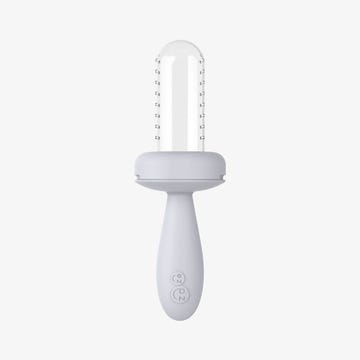
ezpz Baby-Led Gumline Feeder silicone pouch for baby...
$13.99
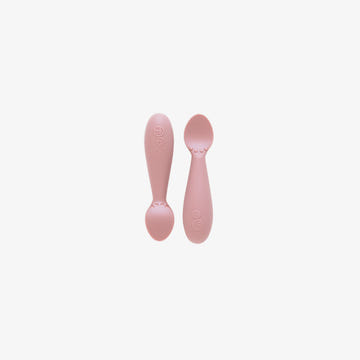
ezpz Baby-Led Tiny Spoons infant self-feeding spoons
$15.99
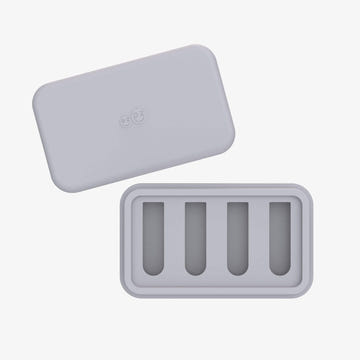
Ice Tray for the Baby-Led™ Gumline Feeder
$9.99

Mushie Silicone Training Cup with Removable Lid and ...
$16.99

hegen Drinking Bottle PPSU 330ml 24 Months Plus Green
$22.99

Mushie Silicone Feeding Spoons Soft Flexible Tip Lig...
$12.99
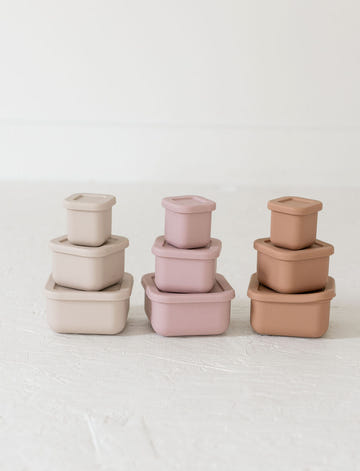
ShopMyLittleSongbird Silicone Bento Box Set of 3 wit...
$15.99
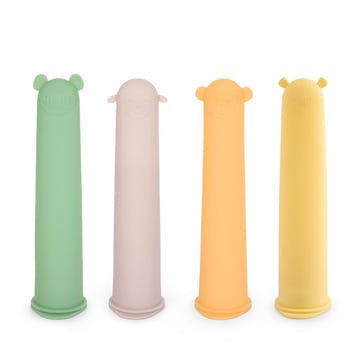
Haakaa Silicone Ice Pop Mold 1 pk 3.5 oz
$9.45
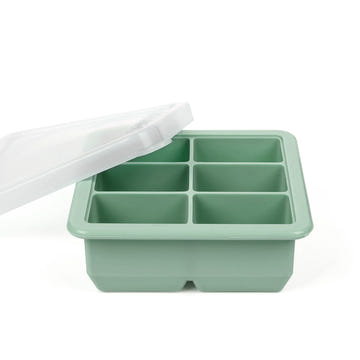
Haakaa Baby Freezer Tray Silicone 4 6 9 Compartment ...
$17.43
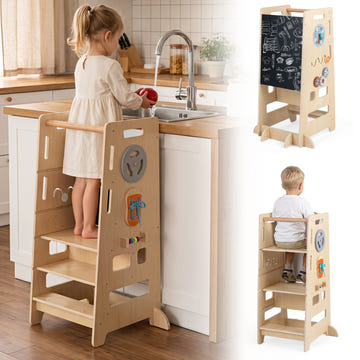
Toddler Standing Tower with Adjustable Height and Bl...
$69.29