


Teething is a big milestone in your baby’s development, marking the arrival of those first tiny teeth. While exciting, this phase can also bring discomfort for your little one and some sleepless nights for you. Understanding the signs of teething, along with ways to soothe and comfort your baby, can make this process a lot easier for both of you.
When Do Babies Start Teething?
Most babies start teething around 4 to 7 months old, although this timeline can vary widely. Some little ones might start as early as three months, while others may not have their first tooth until their first birthday. The process usually starts with the lower front teeth, followed by the upper front teeth, gradually progressing to the back molars over the next few years.
Recognizing Teething Signs
Knowing when your baby is teething can help you provide the right support. Common signs of teething include:
- Increased Drooling: Teething stimulates saliva production, often leading to more drooling.
- Chewing on Objects: Babies find relief by biting down on things, so they may start chewing on toys, fingers, or even your clothes.
- Irritability and Fussiness: Swollen, sore gums can make babies uncomfortable, which might make them more irritable or fussier than usual.
- Difficulty Sleeping: The discomfort might cause sleep disturbances, leading to more nighttime waking.
- Appetite Changes: Some babies may refuse to nurse or eat solid foods as much due to gum pain.
Tips for Soothing a Teething Baby
While teething discomfort can’t be entirely avoided, there are several ways to help soothe your little one’s sore gums and make this stage more comfortable.
-
Teething Toys: Teething rings or soft, chewable toys designed specifically for teething can offer relief. Chilling these toys in the fridge (but not the freezer) can make them even more soothing.
-
Cold Washcloths: A clean, damp washcloth that’s been chilled can serve as a gentle gum massage tool. Your baby can gnaw on it for relief, and the cool temperature will help numb their gums.
-
Massage the Gums: Gently massaging your baby’s gums with a clean finger can help alleviate some of the discomfort. The gentle pressure can counter the soreness, providing comfort.
-
Breastfeeding Comfort: Nursing provides not only nourishment but also comfort during teething. While some babies may nurse less due to discomfort, others may seek the extra comfort breastfeeding provides. If breastfeeding becomes uncomfortable due to biting or sore nipples, Moogco Silver Nursing Cups can help protect and soothe your nipples, allowing you to continue offering comfort through nursing.
Maintaining Calm and Routine
Teething can be an uncomfortable and sometimes confusing phase for babies, so a consistent, calm environment can help reduce stress. Try to stick to your normal routines as much as possible, including sleep schedules, feeding times, and bath routines. A soothing bedtime routine can also help make it easier for your baby to settle despite the discomfort.
Teething and Fevers: What’s Normal?
Mild fevers (around 100.4°F or lower) are sometimes associated with teething, though teething itself doesn’t typically cause fevers. However, if your baby has a higher fever, diarrhea, or other concerning symptoms, it’s best to contact your pediatrician to ensure that no other issues are present.
Keeping Smiles Healthy
Those tiny teeth will eventually become a big, beautiful smile, so starting good oral care is essential. Once the first tooth emerges, you can begin gently brushing it with a soft-bristled baby toothbrush and a tiny smear of toothpaste. Regular gum care and keeping teething toys clean can help ensure your baby’s mouth stays healthy as new teeth arrive.
Embracing Each Toothy Grin
Teething is just one of many exciting steps in your baby’s development. While it might be challenging, each new tooth signifies growth and is a beautiful sign of progress. With a bit of comfort and lots of love, you can help your baby get through the teething phase while keeping your own spirits up. Enjoy the tiny toothy grins and remember, before you know it, your baby will be flashing a full, bright smile.
Bring this guide home with $15 off.
Use code READER15 for $15 off →
Featured pick from Moogco
Baby Bib, 2 Burp Cloth and Teether Gift Set - 10 Flowers by Harmony Arts Organic Cotton
$69.00
Shop this pick → Frequently Asked Questions
Can teething cause my baby to have diarrhea or diaper rash?
While many parents notice loose stools during teething, there's no direct medical link between teething and diarrhea. The increased drooling may lead to more saliva being swallowed, which could cause slightly softer stools. If your baby experiences significant diarrhea, rash, or other symptoms beyond typical teething discomfort, contact your pediatrician to rule out other causes like illness or food sensitivities.
Picks From This Story
Picks related to this guide, ready to ship from Moogco.
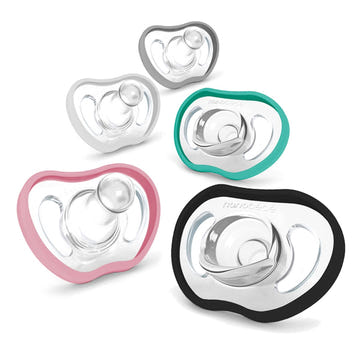
Nanobébé Active Flexy Pacifier 4m+ 4-pack Pink Teal ...
$14.99
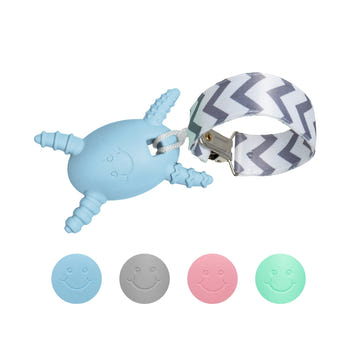
The Teething Egg The Molar Magician baby teether 4 t...
$19.95
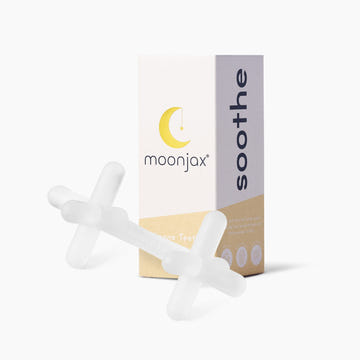
The best baby teether: 1-pack clear silicone teether
$14.99
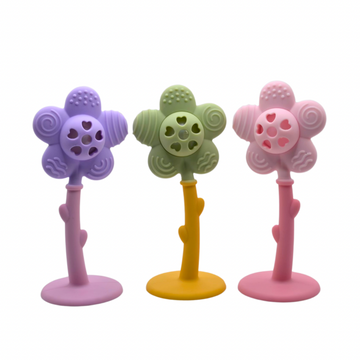
Golden Baby Rattle Teethers food grade silicone for ...
$7.99
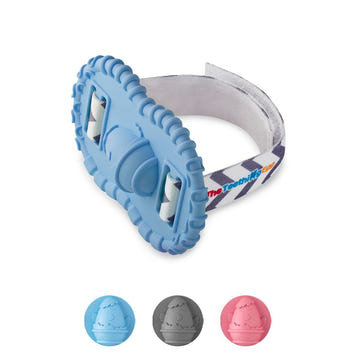
The Teething Egg Wristie Teether for 3-12 Months Adj...
$9.99
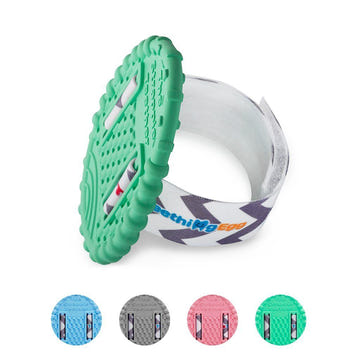
The Teething Egg Strappie Teether for Baby Carriers ...
$9.99
Is it safe to use teething gels or numbing medications on my baby's gums?
Many pediatricians now advise against benzocaine-based teething gels due to potential safety concerns. Instead, stick to natural comfort methods like chilled teething rings, cold washcloths, or gentle gum massage with a clean finger. If you're considering any medication for teething pain, always check with your pediatrician first to ensure it's safe and appropriate for your baby's age.
Pediatric-dentist approved styles
Soothing picks for fussy moments
Take $15 off at checkout, applied automatically when you shop through this link.
Shop with READER15 →Free US shipping over $100. Code applies automatically at checkout.
How long does teething pain typically last for each tooth?
Teething discomfort usually occurs in the few days before a tooth breaks through the gum and may continue for a day or two after. Each tooth is different, and some may cause more discomfort than others, particularly the larger molars. Most babies experience intermittent discomfort rather than constant pain, with breaks between teeth emerging giving everyone a chance to rest.
Should I be worried if my baby starts biting while nursing during teething?
Biting during nursing is common when babies are teething and exploring their new sensations. Most babies don't mean to hurt you and will learn not to bite with gentle, consistent guidance. Try offering a teething toy before nursing to satisfy the urge to chew, and if biting occurs, calmly pause the feeding. Moogco Silver Nursing Cups can help protect and heal sore nipples if biting becomes an issue.
More Related Picks
A few more favorites from the same collection.
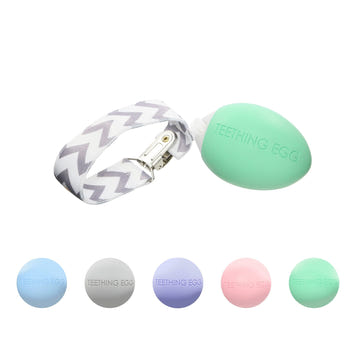
The Teething Egg®
$19.95

Goosewaddle Rattle Teether Wooden Silicone 4 Colors
$16.00
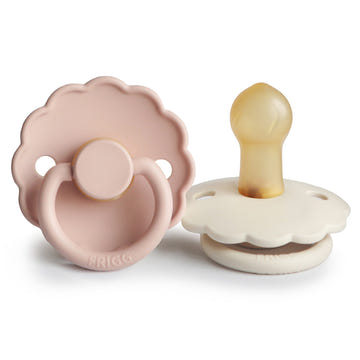
Mushie FRIGG Daisy Natural Rubber Pacifier 2-Pack Da...
$14.99

Mushie FRIGG Silicone Pacifier 6-Pack assorted palette
$34.99

Mushie FRIGG Daisy Silicone Pacifier 2-Pack Glow Night
$14.99
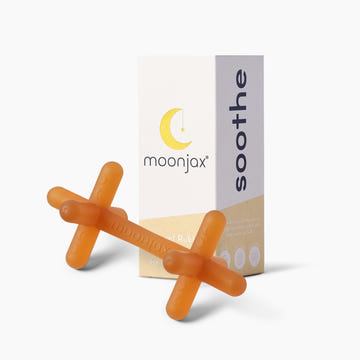
The best baby teether: 1-pack natural hevea tree rub...
$14.99
What's the best way to clean teething toys and keep them sanitary?
Wash teething toys regularly with warm, soapy water and rinse thoroughly, especially since they spend so much time in your baby's mouth. Many teething toys are dishwasher safe, which makes cleaning even easier. Always check the manufacturer's instructions, and inspect toys regularly for any signs of wear, cracks, or damage that could pose a choking hazard.
Can I give my baby frozen teething rings or frozen fruit to chew on?
It's best to chill teething rings in the refrigerator rather than the freezer, as frozen items can be too hard and may damage delicate gums or even cause frostbite. For babies over six months who have started solids, a mesh feeder with chilled fruit can be a safe option. Always supervise your baby during any feeding or teething activity to prevent choking.
Do all babies get their teeth in the same order?
While most babies follow a general pattern starting with the lower front teeth, then upper front teeth, and eventually molars, the order and timing can vary significantly. Some babies may get teeth out of the typical sequence, and that's perfectly normal. The important thing is that teeth are emerging and your baby is developing healthily, not the exact order or timeline.
When should I schedule my baby's first dental visit?
The American Academy of Pediatrics recommends scheduling your baby's first dental visit by their first birthday or within six months of the first tooth appearing. Early dental visits help establish good oral health habits and allow the dentist to check for any potential issues. In the meantime, you can start gently brushing those tiny teeth with a soft brush and a rice-sized amount of fluoride toothpaste as soon as they appear.
From Moogco Studio
Printable and personalized nursery essentials. Designed by moms for moms.


About the Editor
Eda Ulger is the editor at Moogco Baby and a mom of two. She curates and edits our guides so every piece is honest, practical, and genuinely helpful for the early days of motherhood.
Shop This Story
Picks related to this guide, ready to ship from Moogco.
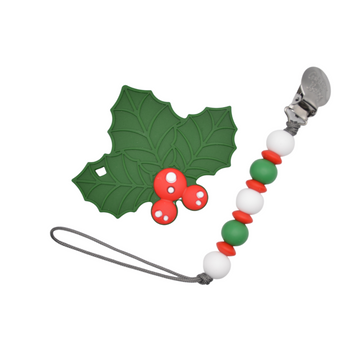
Golden Baby Holly Teether Set silicone pacifier clip...
$9.99
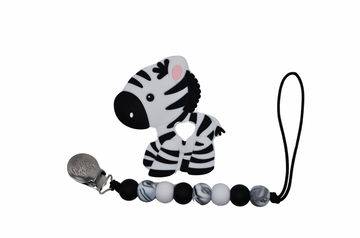
Golden Baby Zebra Teether Set Silicone Pacifier Clip...
$14.99
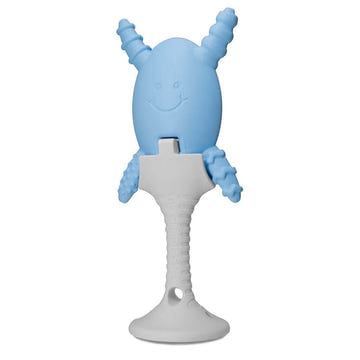
The Molar Grippie Stick
$4.99
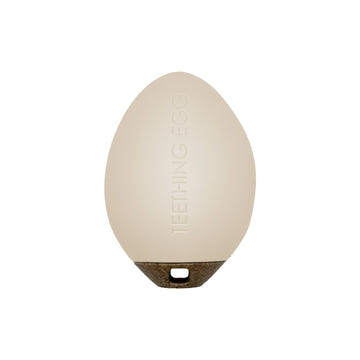
The Teething Egg Amber Core Teething Egg with Baltic...
$23.95
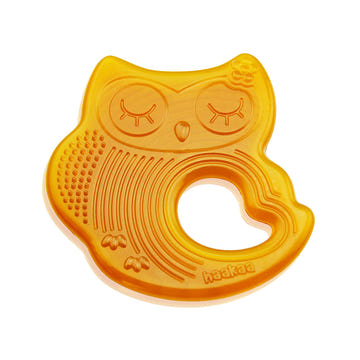
Haakaa Sleeping Owl Natural Rubber Teether 8cm 1 pk
$10.99
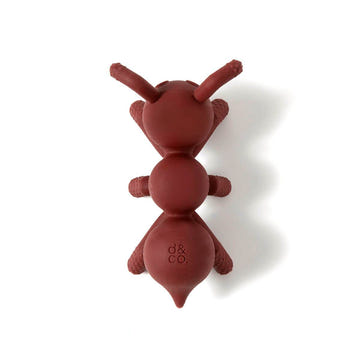
Doddle & Co Ant-icipation Chew 100% Silicone Teether...
$9.99
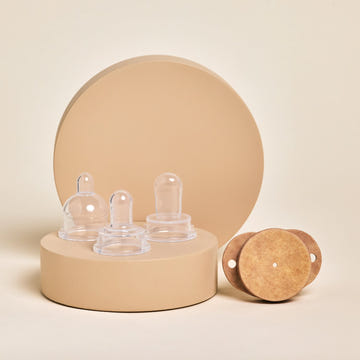
Pacifier Starter Kit
$50.00
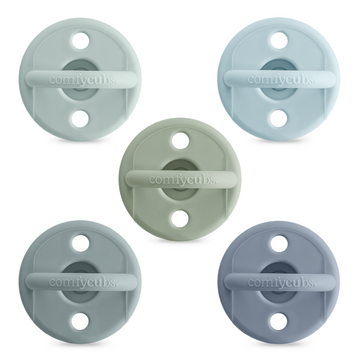
Comfy Cubs Pacifiers Multicolor Boy 5 Pack Silicone
$14.99
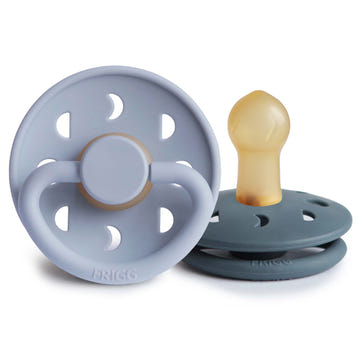
Mushie FRIGG Moon Natural Rubber Pacifier 2-Pack Sof...
$14.99
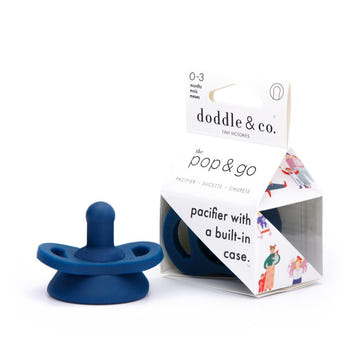
Doddle & Co Pop & Go Pacifiers Navy 100% Silicone
$9.99