


Breastfeeding is a natural and beautiful way for mothers to provide optimal nutrition and care for their newborns. Beyond its emotional significance, breastfeeding offers a multitude of benefits for both the baby and the mother. Let's explore the remarkable advantages that breastfeeding brings to the table.
-
Ideal Nutrition: Breast milk is often referred to as "liquid gold" for a reason. It is perfectly tailored to meet the nutritional needs of infants, containing an ideal balance of proteins, fats, carbohydrates, and vitamins. It offers the necessary nutrients for the baby's growth and development, promoting healthy weight gain and supporting their immune system.
-
Immune System Boost: Breast milk is rich in antibodies, enzymes, and white blood cells that help protect infants against a variety of illnesses and infections. The mother's immune system continuously adapts, producing antibodies in response to pathogens present in her environment. This immune support helps safeguard the baby during the early stages of life when their own immune system is still developing.
-
Bonding and Emotional Connection: Breastfeeding fosters a unique bond between mother and baby. The physical closeness, skin-to-skin contact, and eye contact during breastfeeding promote emotional bonding, nurturing a deep connection between the two. This bond is not only emotionally fulfilling but also beneficial for the baby's cognitive and emotional development.
-
Reduced Risk of Diseases: Breastfeeding has been associated with a reduced risk of various diseases and conditions for both the baby and the mother. Breastfed infants are less likely to develop respiratory infections, ear infections, gastrointestinal issues, allergies, and childhood obesity. Mothers who breastfeed experience a lower risk of breast cancer, ovarian cancer, type 2 diabetes, and postpartum depression.
-
Convenience and Cost-effectiveness: Breast milk is always available, at the right temperature, and requires no preparation or sterilization. Breastfeeding eliminates the need for formula feeding, bottles, and other feeding equipment, resulting in significant cost savings. Moreover, breastfeeding mothers experience a lower incidence of missed workdays due to their babies' illness, further enhancing cost-effectiveness.
-
Environmental Sustainability: Breastfeeding is an environmentally friendly choice. It requires no packaging, transportation, or waste generation associated with formula feeding. By opting for breastfeeding, mothers contribute to a more sustainable future, reducing their carbon footprint.
Breastfeeding is a remarkable journey that provides numerous benefits for both mother and baby. The unparalleled nutritional composition of breast milk, the immune system support it offers, and the deep bonding experience are just a few of the advantages. Additionally, breastfeeding contributes to improved health outcomes, cost savings, and environmental sustainability. It is a testament to the incredible capabilities of a mother's body. Embracing and supporting breastfeeding is a gift we can offer to the next generation, nurturing their health and fostering an unbreakable bond.

Featured pick from Moogco
MOOGCO Silver Nursing Cups 925k Silver - Protect Against Sore Breasts And Nipple Irritation
$45.90 $49.90
Shop this pick → Bring this guide home with $15 off.
Use code BABY15 for $15 off →Frequently Asked Questions
How long should I breastfeed my baby?
The World Health Organization recommends exclusive breastfeeding for the first six months of life, followed by continued breastfeeding alongside complementary foods for up to two years or beyond. However, any amount of breastfeeding provides benefits, so feed for as long as works for you and your baby. Every mother's journey is unique, and what matters most is finding the right balance for your family in 2026.

Can I breastfeed if I have to return to work?
Absolutely! Many working mothers successfully continue breastfeeding by pumping milk during work hours and nursing when at home. Planning ahead with your employer, investing in a quality breast pump, and establishing a milk storage routine can make the transition smoother. Your dedication to providing breast milk, even while working, gives your baby continued nutritional and immune benefits.
Curated by moms, vetted by lactation pros
Picks From This Story
Picks related to this guide, ready to ship from Moogco.
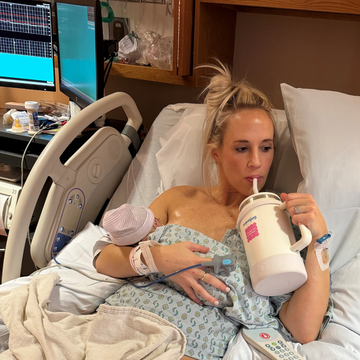
momjug breastfeeding water bottle 50oz double-wall s...
$49.99
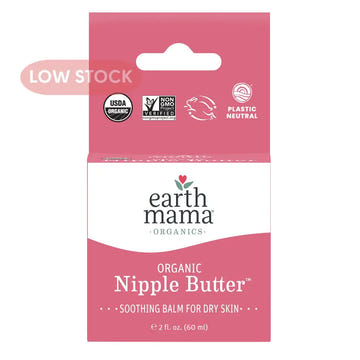
Organic Nipple Butter™ - Double-Sided for Kids
$14.99
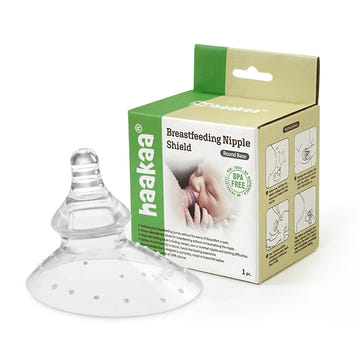
Haakaa Silicone Breastfeeding Nipple Shield Round Sh...
$19.05
Bae & Bee Boutique LactTube 5FR Pediatric Feeding Tu...
$3.00
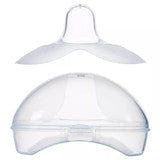
Bae & Bee Boutique Cherry Shaped Nipple Shield 21mm ...
$14.00
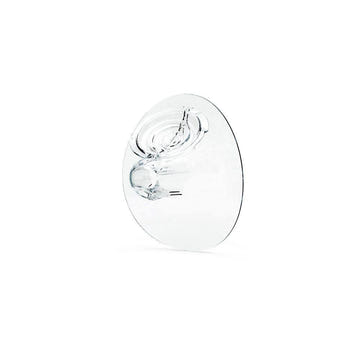
Healthy Horizons Elvie Pump Breast Shields 2 Pack 21...
$29.99
Everything for the breastfeeding journey
Take $15 off at checkout, applied automatically when you shop through this link.
Shop with BABY15 →Free US shipping over $100. Code applies automatically at checkout.
What should I eat while breastfeeding?
Focus on a balanced, nutritious diet with plenty of fruits, vegetables, whole grains, lean proteins, and healthy fats. Stay well hydrated by drinking water throughout the day, especially during and after nursing sessions. Most foods are safe while breastfeeding, though you may want to monitor your baby's reaction to certain foods like dairy or spicy dishes if you notice any sensitivity.
Is it normal for breastfeeding to hurt at first?
Some tenderness during the first few days is common as you and your baby learn together, but breastfeeding should not be painful. Persistent pain often indicates a latch issue that can be corrected. Working with a lactation consultant can help you achieve a comfortable latch and make breastfeeding the enjoyable experience it should be.
How do I know if my baby is getting enough milk?
Signs your baby is well-fed include six or more wet diapers per day, steady weight gain, contentment after feedings, and regular bowel movements. Your baby should also have periods of alertness and seem satisfied between feedings. Trust your instincts, and don't hesitate to check in with your pediatrician if you have concerns about your baby's growth or feeding patterns.
More Related Picks
A few more favorites from the same collection.

Mila's Keeper Silicone Breast Milk Bottle 6 oz Stand...
$36.00
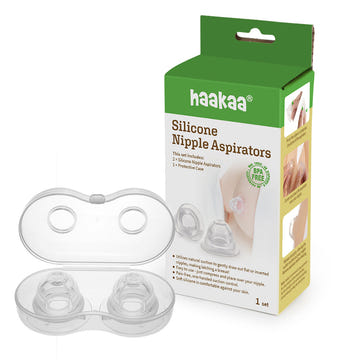
Haakaa Silicone Inverted Nipple Aspirators 2 pk
$17.99
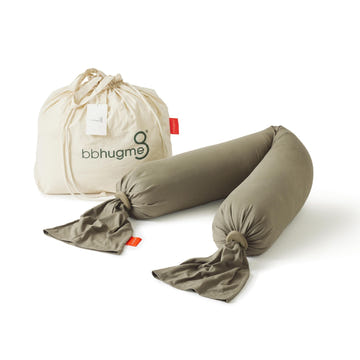
bbhugme Pregnancy Pillow Dusty Olive Adjustable Firm...
$219.00
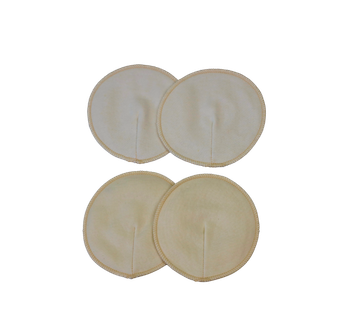
Babee Greens Contoured Nursing Pads 1 Pair Organic C...
$7.25
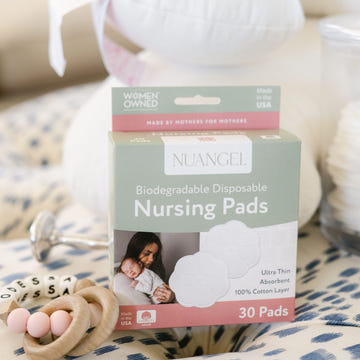
NuAngel Plant-based Disposable Nursing Pads individu...
$9.99
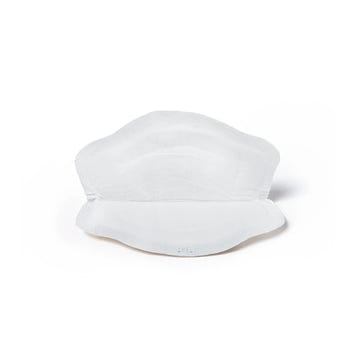
Zomee Breast Pumps Nursing Pads 100 or 200 count
$2.99
Can I breastfeed if I had a C-section?
Yes, you can absolutely breastfeed after a cesarean birth! While recovery may take a bit longer, breastfeeding is still possible and beneficial. Finding comfortable positions like the side-lying or football hold can help protect your incision. Many hospitals offer lactation support immediately after delivery to help you get started, regardless of your delivery method.
Does breastfeeding really help me lose pregnancy weight?
Breastfeeding burns approximately 300 to 500 extra calories per day, which can help with postpartum weight loss over time. However, weight loss varies greatly among individuals and depends on many factors including diet, activity level, and genetics. Focus on nourishing your body well rather than restricting calories, as your body needs fuel to produce quality milk for your baby.
What if my baby prefers one breast over the other?
It's quite common for babies to show a preference for one side due to comfort, milk flow differences, or even their own positioning preferences. Try starting feeds on the less-preferred side when your baby is hungriest, and experiment with different holds. If the preference persists, you can still maintain your supply by nursing more frequently on the preferred side and pumping the other if needed.
From Moogco Studio
Printable and personalized nursery essentials. Designed by moms for moms.


About the Editor
Eda Ulger is the editor at Moogco Baby and a mom of two. She curates and edits our guides so every piece is honest, practical, and genuinely helpful for the early days of motherhood.
Shop This Story
Picks related to this guide, ready to ship from Moogco.

Holistic Lactation Advanced Lactation Formula 30 Ser...
$34.99
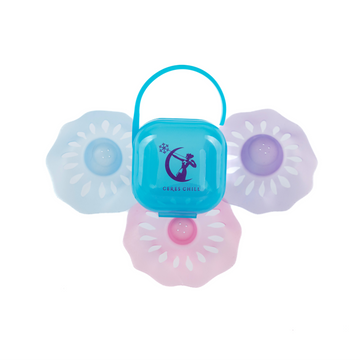
Ceres Chill Shield Maiden Nipple Shields 2pc or 3pc ...
$14.50
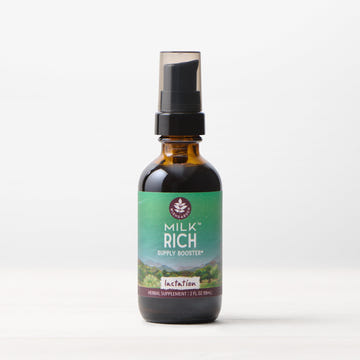
WishGarden Herbs Milk Rich Supply Booster pump top b...
$26.99

Wendy Anne Lounger Slip Cover Organic Cotton Waterpr...
$49.00
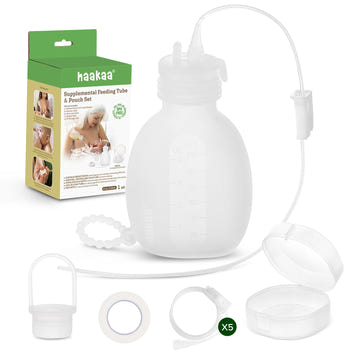
Haakaa Supplemental Feeding Tube and Pouch Set Size ...
$33.99
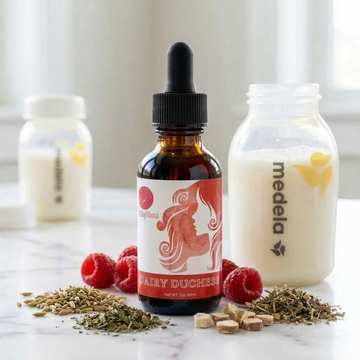
Milky Mama Dairy Duchess Raspberry Breastfeeding Sup...
$27.00
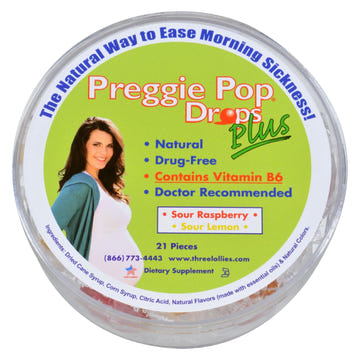
Preggie Drops Plus Morning Sickness Relief Lollies, ...
$13.75
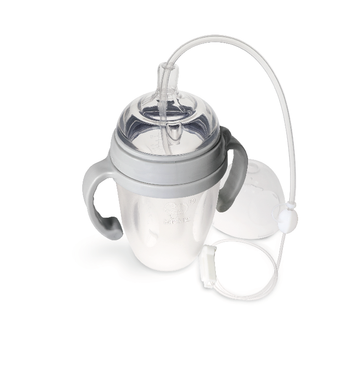
Haakaa Supplemental Feeding Combo 250ml Bottle with ...
$32.99
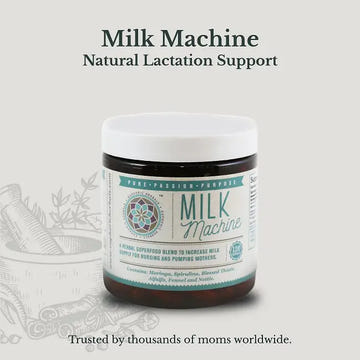
Euphoric Herbals Milk Machine lactation supplement 2...
$19.99
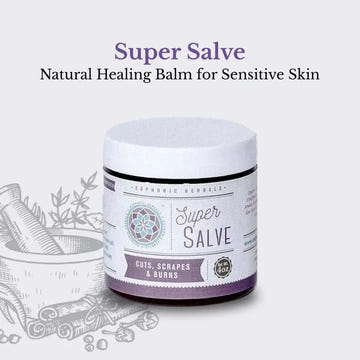
Euphoric Herbals Super Salve Nursing Salve no essent...
$10.00