


Hearing your toddler say their first words is one of parenting’s most joyful moments. But how do you know if their speech development is on track? And how can you support it day to day? Understanding typical milestones—and how to encourage language—can make a big difference.
Dr. Elena Gomez, Pediatric Speech-Language Pathologist: “The first three years of life are critical for language development. It’s less about formal lessons and more about meaningful, everyday interaction.”
Key Language Milestones by Age
12–18 Months
✔️ Says 5–10 words
✔️ Responds to their name and simple commands
✔️ Uses gestures like pointing and waving

18–24 Months
✔️ Vocabulary explodes to 50+ words
✔️ Begins combining two words (“more milk,” “bye daddy”)
✔️ Understands more than they can say
Free US shipping over $100
Real essentials, picked by real moms
Take $15 off at checkout, applied automatically when you shop through this link.
Shop with MAMA15 →Free US shipping over $100. Code applies automatically at checkout.
24–36 Months
✔️ Forms simple sentences (“I want ball”)
✔️ Asks basic questions (“What’s that?”)
✔️ Follows two-step directions
💡 Tip: Every child develops at their own pace—but consistent exposure to speech-rich environments supports healthy progress.
Picks From This Story
Picks related to this guide, ready to ship from Moogco.

24 Inch Extra-Large Shut The Box Game for 2-4 Player...
$50.39
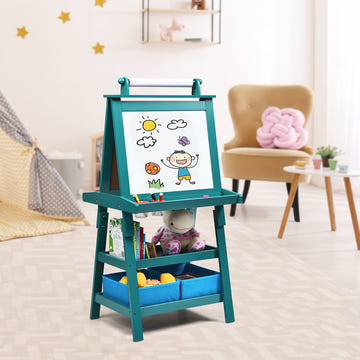
3 in 1 Double-Sided Storage Art Easel - Height-Adjus...
$69.29
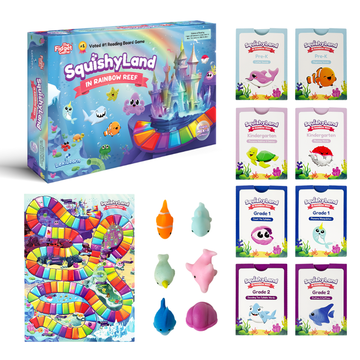
The Fidget Games Squishyland Ages 3 to 8 2 to 6 Players
$39.99
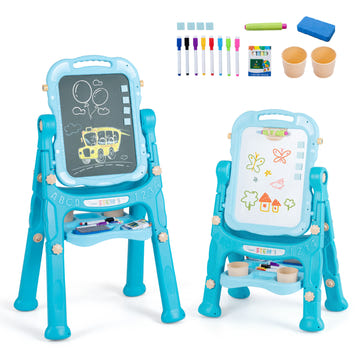
Art Easel for Kids with Adjustable Height
$39.89
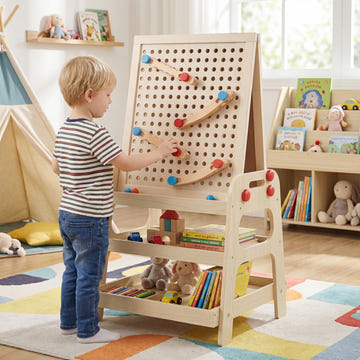
2-in-1 Kids Art Easel with Magnetic Whiteboard and M...
$66.14
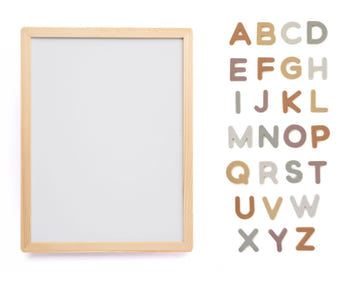
BROOKLYN NEUTRAL Alphabet Magnet Play Set Whiteboard...
$53.99
How to Encourage Language Every Day
1. Talk Often—Even to a Pre-Verbal Toddler
✔️ Narrate what you’re doing: “Now we’re putting on your shoes.”
✔️ Use varied vocabulary in natural conversation
2. Read Aloud Daily
✔️ Choose board books with simple illustrations
✔️ Pause to ask questions and name pictures
3. Respond and Expand
✔️ If your child says “dog,” respond with “Yes, the big brown dog is barking!”
✔️ Expanding reinforces sentence structure and vocabulary
4. Sing Songs and Recite Rhymes
✔️ Rhythm and repetition support language patterns
✔️ Try classics like “Twinkle Twinkle” or “Itsy Bitsy Spider”
5. Limit Passive Screen Time
✔️ Face-to-face interaction is far more effective than videos
✔️ If using screens, co-view and talk about what you see
When to Seek Support
✔️ No words by 16–18 months
✔️ Not combining words by 2.5 years
✔️ Difficulty understanding directions
✔️ Limited eye contact or social interaction
Always consult your pediatrician or a licensed speech-language pathologist if you’re concerned.
Dr. Gomez adds: “Early intervention isn’t about labeling—it’s about opening doors to communication and connection.”
More Related Picks
A few more favorites from the same collection.
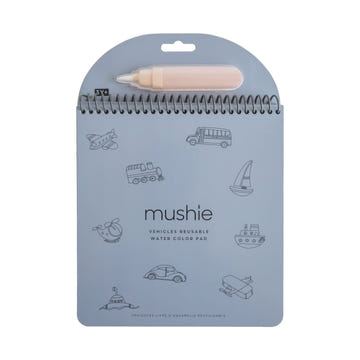
Reusable Water Color Pad
$12.99
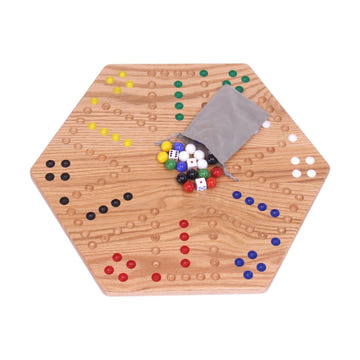
Amish Toy Box Aggravation Wahoo Marble Board Game Do...
$76.50
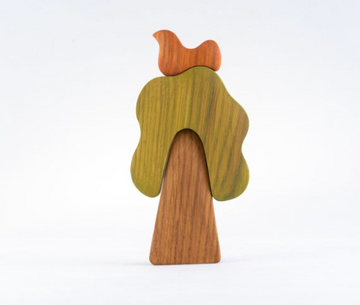
Waldorf wooden Oak Tree with the Bird
$25.50
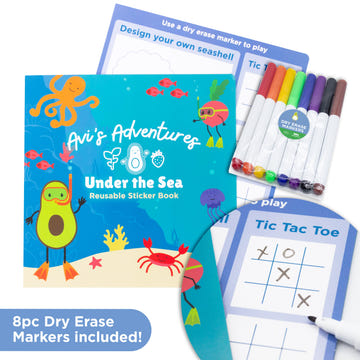
Avi's Adventures Under The Sea Reusable Sticker Book...
$12.99
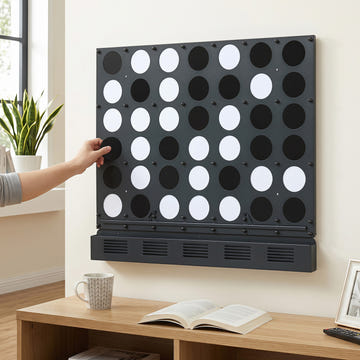
Wall-mounted Metal Connect-4 Game with Acrylic Discs
$71.39

Hamptons Jet Set Baby Book
$12.00
The Role of Moogco Silver Nursing Cups
Still breastfeeding your chatty toddler? It can be a calming moment to bond—and support their emotional and language development. Moogco Silver Nursing Cups offer antibacterial relief for sore nipples during this ongoing stage.
📌 Available now: Moogco Silver Nursing Cups on Amazon
Final Thoughts: Conversations That Shape Connection
Your words matter—even when your toddler isn’t speaking yet. By talking, reading, and engaging daily, you’re building the foundation for a lifetime of learning and communication.
🛒 Discover toddler speech toys, books, and parenting support at Moogco Baby.
Bring this guide home with $15 off.
Use code MAMA15 for $15 off →
Featured pick from Moogco
The Original Silver Nursing Cups with Silicone Pads
$62.90 $74.90
Shop this pick → Frequently Asked Questions
What if my toddler understands everything but isn't talking much?
Receptive language (understanding) often develops faster than expressive language (speaking). If your child follows directions, responds to their name, and uses gestures, they're likely on track. Keep talking to them, reading daily, and giving them time to respond. If there's no progress by 18 months, consult your pediatrician.
Should I correct my toddler's pronunciation mistakes?
Instead of correcting directly, simply model the correct pronunciation in your response. If they say "wawa" for water, reply with "Yes, here's your water!" This reinforces proper speech without discouraging their attempts. Gentle modeling is far more effective than correction at this stage.
Can I raise my toddler to be bilingual without confusing them?
Absolutely. Research shows that children exposed to multiple languages from birth develop normally and often have cognitive advantages. Each caregiver can speak their native language consistently. Your toddler may mix languages at first, but this is a normal part of bilingual development, not confusion.
How much should I limit screen time for language development?
The American Academy of Pediatrics recommends minimal screen time before age 2, and no more than one hour of high-quality programming daily for toddlers. Real-time conversation is irreplaceable for language learning. If you do use screens, co-view and talk about what you're watching together.
Is baby talk okay, or should I use adult language?
A bit of both works beautifully. Warm, melodic "parentese" (higher pitch, slower pace) naturally engages babies and toddlers. But pairing it with real vocabulary and full sentences helps them learn correct words and grammar. Use varied, rich language in a loving, conversational tone.
What are some red flags that I should seek speech therapy?
Contact your pediatrician if your child has no words by 16 to 18 months, isn't combining two words by age 2.5, loses language skills they once had, or shows limited eye contact and social interaction. Early intervention makes a significant difference and is nothing to feel worried about seeking.
Do boys really talk later than girls?
On average, girls may begin speaking slightly earlier, but the range of normal is wide for all children. Gender alone shouldn't be used to dismiss concerns. If your son isn't meeting milestones, don't wait based on assumptions. Trust your instincts and consult your pediatrician if you have questions.
How can I encourage my shy toddler to talk more in social settings?
Give them time to warm up without pressure. Model greetings and responses calmly, and allow them to observe before participating. Practice social phrases at home through play and role-play. Some toddlers are naturally more reserved, and gentle encouragement works better than forcing interaction.
From Moogco Studio
Printable and personalized nursery essentials. Designed by moms for moms.


About the Editor
Eda Ulger is a co-founder of Moogco Baby, the editor of the Moogco Baby Journal, and a mom of two. She curates and edits our guides so every piece is honest, practical, and genuinely helpful for the early days of motherhood.
Shop This Story
Picks related to this guide, ready to ship from Moogco.

Shuffleboard and Curling 2 in 1 Board Game Portable ...
$48.29
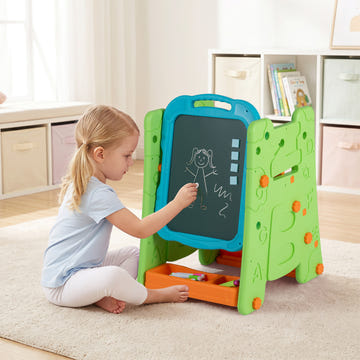
1 Art Easel for Kids with Double Sided Magnetic Board
$41.99

Speedy Monkey Boat Block Puzzle Multicolor 15 Wooden...
$24.99
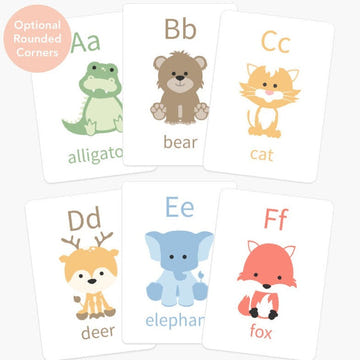
GoodnightFox Alphabet Flashcards 26 A, Z Illustrated...
$10.00
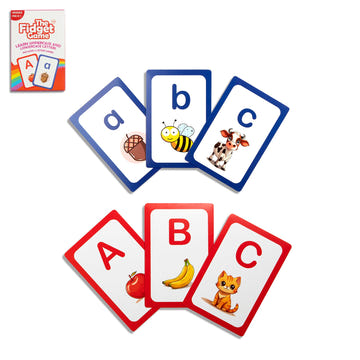
The Fidget Games ABC Learn Uppercase Lowercase Card ...
$9.99

Amish Toy Box Bag of 60 Glass Marbles for Chinese Ch...
$24.50
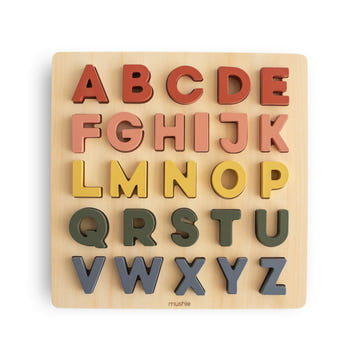
Mushie Wooden Alphabet Puzzle 26 Capital Letters
$29.99

Little Toes New Parents Are People Too book by Dr. S...
$14.95
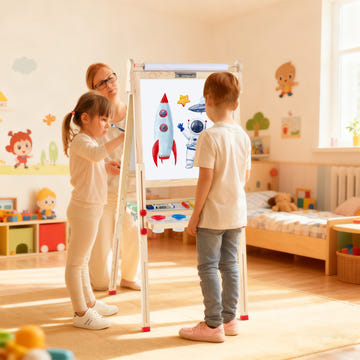
3-in-1 Double-Sided Folding Wooden Kids Art Easel wi...
$60.89
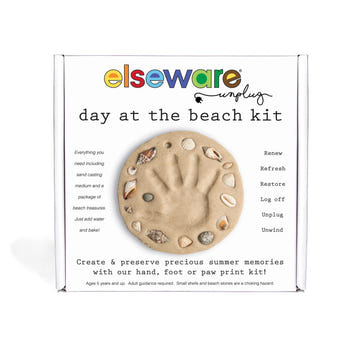
elseware unplug Day at the Beach Kids Hand & Footpri...
$17.99