



Watching your toddler learn to interact with others is one of the most rewarding parts of early childhood. From sharing toys to saying “hi,” social skills are built gradually through practice and guidance. With your support, your child can develop empathy, communication, and the foundations of healthy relationships.
Dr. Emily Carter, Child Psychologist: “Social skills aren’t innate—they’re learned through connection, modeling, and lots of repetition in safe environments.”
Key Social Milestones for Toddlers
12–18 Months
✔️ Plays alongside other children (parallel play)
✔️ Waves, claps, and responds to simple greetings
✔️ Begins to show affection to caregivers

18–24 Months
✔️ Shows interest in peers but struggles to share
✔️ Uses words or gestures to get attention
✔️ May imitate other children’s actions
Free US shipping over $100
Real essentials, picked by real moms
Take $15 off at checkout, applied automatically when you shop through this link.
Shop with READER15 →Free US shipping over $100. Code applies automatically at checkout.
2–3 Years
✔️ Begins to engage in simple cooperative play
✔️ Uses words to express needs and emotions
✔️ Starts learning about turn-taking and sharing (with help)
Picks From This Story
Picks related to this guide, ready to ship from Moogco.
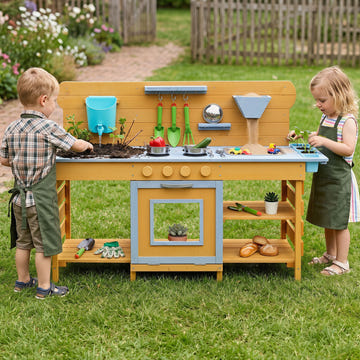
Kids Wooden Mud Kitchen with 2 Sinks and 4 Stoves-Na...
$179.99
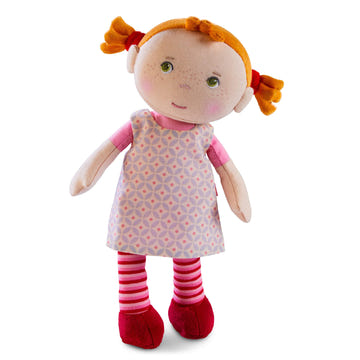
HABA Snug Up Doll Roya 10 inch soft plush doll
$19.99
Speedy Monkey Metal Tea Set The Big Family Multicolo...
$49.99
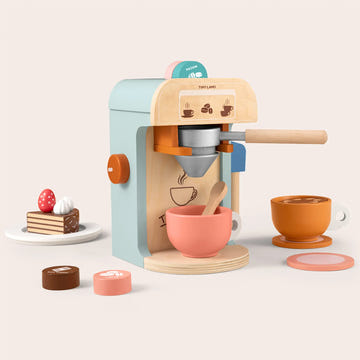
Tiny Land Wooden Play Coffee Maker Set Kids Toy Café
$34.99
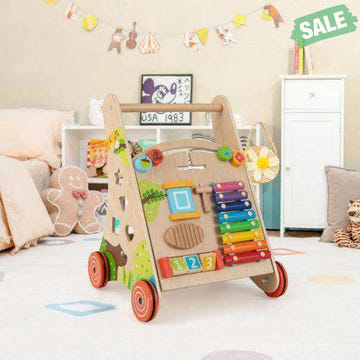
Wooden Push and Pull Baby Walker with Handle and Sto...
$29.99
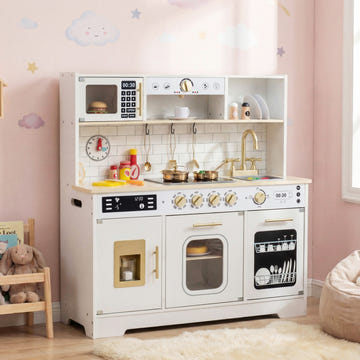
Wooden Play Kitchen for Kids with Realistic Lights a...
$99.99
How to Support Your Toddler’s Social Development
1. Model Positive Interactions
✔️ Say “please” and “thank you” in daily life
✔️ Show how to greet others with eye contact and a smile
2. Arrange Play Opportunities
✔️ Start with short, low-stress playdates
✔️ Stay close by to guide sharing and turn-taking
3. Teach Emotion Words
✔️ Label feelings as they arise: “You’re sad because we’re leaving the park.”
✔️ Read books about emotions and friendships
Handling Common Social Challenges
Shyness
✔️ Give your child time to warm up in new settings
✔️ Avoid labeling them as “shy” in front of others
Hitting or Biting
✔️ Stay calm and redirect: “Hands are for gentle touches.”
✔️ Praise positive behaviors instead of focusing on negatives
Dr. Sarah Lee, Pediatric Development Specialist: “Conflict is part of learning. Guide your toddler with patience—they’re still developing self-control.”
More Related Picks
A few more favorites from the same collection.
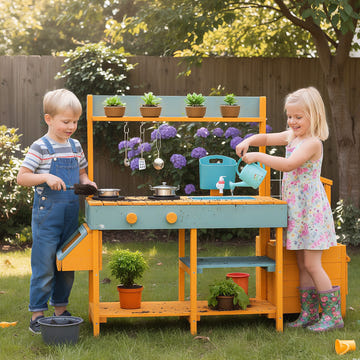
Play Kitchen for Kids Wooden Toy Kitchen Playset Pre...
$84.99
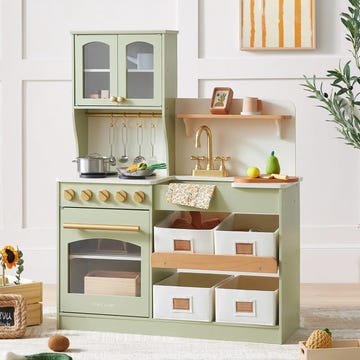
Tiny Land Serenity Wooden Pretend Play Kitchen Sage ...
$189.99
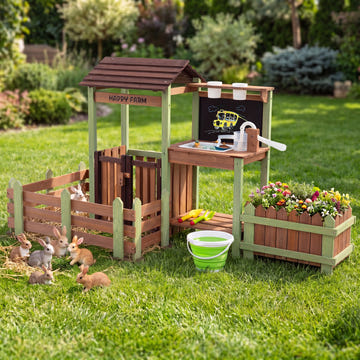
Wooden Mud Farm Playset with Planter Box Lockable Ya...
$107.99
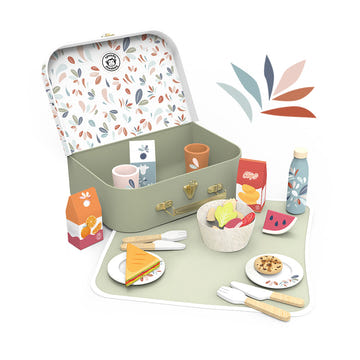
Speedy Monkey Picnic Basket Multicolor L 11.81 x W 7...
$39.99
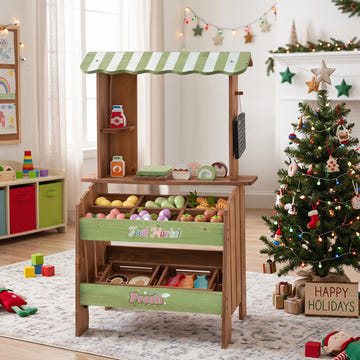
Wooden Grocery Store with Chalkboard and Accessories...
$89.99
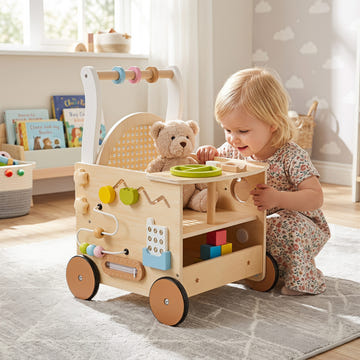
13-In-1 Toddler Wooden Push Walker with Wheels and S...
$42.99
Encouraging Empathy and Cooperation
✔️ Praise kind behaviors: “That was nice sharing!”
✔️ Use simple stories or dolls to role-play social scenarios
✔️ Show how helping others feels good
The Role of Moogco Silver Nursing Cups
If you’re breastfeeding while juggling toddler social needs, you’re doing important emotional work for both of you. Moogco Silver Nursing Cups offer natural antibacterial relief to help you stay comfortable and supported.
📌 Find them here: Moogco Silver Nursing Cups on Amazon
Final Thoughts: Social Growth Takes Time
Every toddler develops social skills at their own pace. With guidance, patience, and lots of practice, you’re helping your child build a foundation for strong, healthy relationships.
🛒 Explore social development tools and parenting resources at Moogco Baby.
Bring this guide home with $15 off.
Use code READER15 for $15 off →
Featured pick from Moogco
MOOGCO Silver Nursing Cups 925k Silver - Protect Against Sore Breasts And Nipple Irritation
$45.90 $49.90
Shop this pick → Frequently Asked Questions
What is parallel play and when does it typically start?
Parallel play is when toddlers play near each other but not directly with each other, usually starting around 12 to 18 months. It's a normal stage before cooperative play develops. This side-by-side interaction helps children observe and learn social cues without the pressure of direct engagement.
How can I help my toddler learn to share toys with others?
Start by modeling sharing in your daily routines and narrating what you're doing. Practice turn-taking with a timer or songs to make it concrete. Remember that sharing is a skill that develops over time, and most toddlers under three still find it very challenging.
Is it normal for my toddler to bite or hit other kids?
Yes, it's very common as toddlers are still learning impulse control and how to express big emotions. Stay calm, redirect immediately, and teach gentle touch alternatives. Consistent, patient guidance helps them learn appropriate ways to communicate frustration or excitement.
What are the best ways to teach my toddler emotion words?
Label feelings as they happen in real time, like saying "You seem frustrated" when they struggle with a toy. Use books, songs, and facial expression games to reinforce emotion vocabulary. The more you narrate emotions, the faster your toddler will learn to recognize and name their own feelings.
Should I force my shy toddler to interact with other children?
No, forcing interaction can increase anxiety and make social situations more stressful. Instead, give your child time to observe and warm up at their own pace. Stay nearby for reassurance and gently encourage participation without pressure or labels.
How long should a toddler playdate last?
For toddlers, 30 to 60 minutes is usually ideal, especially for first playdates. Keep it short and positive to prevent overstimulation and meltdowns. You can gradually extend the time as your child becomes more comfortable with social play.
What activities help toddlers practice cooperation and turn-taking?
Simple games like rolling a ball back and forth, stacking blocks together, or singing songs with actions work well. Use visual timers or songs to signal when it's time to switch turns. These low-pressure activities build social skills in a fun, natural way.
Can breastfeeding support my toddler's emotional development?
Absolutely. Breastfeeding offers comfort, security, and emotional connection that support your toddler's sense of safety as they navigate new social challenges. It can be a powerful tool for reconnection after stressful social situations. Moogco Silver Nursing Cups help keep you comfortable so you can continue this nurturing bond as long as it works for your family.
From Moogco Studio
Printable and personalized nursery essentials. Designed by moms for moms.


About the Editor
Eda Ulger is the editor at Moogco Baby and a mom of two. She curates and edits our guides so every piece is honest, practical, and genuinely helpful for the early days of motherhood.
Shop This Story
Picks related to this guide, ready to ship from Moogco.
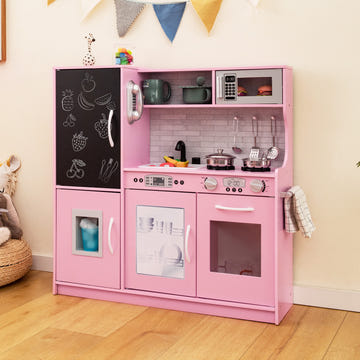
Toddler Pretend Play Kitchen for Boys and Girls 3-6 ...
$79.99
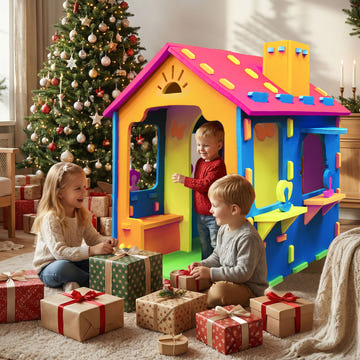
Indoor Cottage Playset with Roof and Chimney for Cre...
$129.99
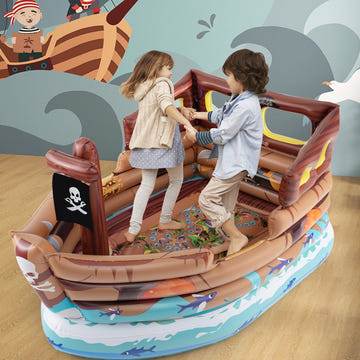
Inflatable Pirate Ship Playhouse with Built-in Motor...
$125.99
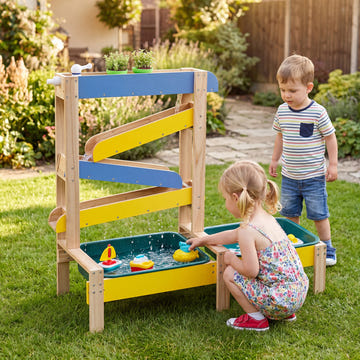
Sand and Water Table for Toddlers with 2 Water Basin...
$54.99
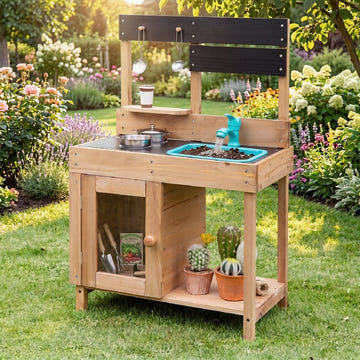
Wooden Play Pretend Kitchen with Stoves Storage Cabi...
$53.99
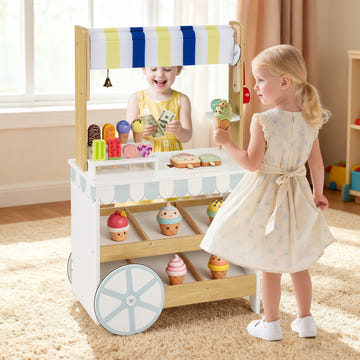
Wooden Ice Cream Cart for Kids 2-in-1 Grocery Store ...
$89.99
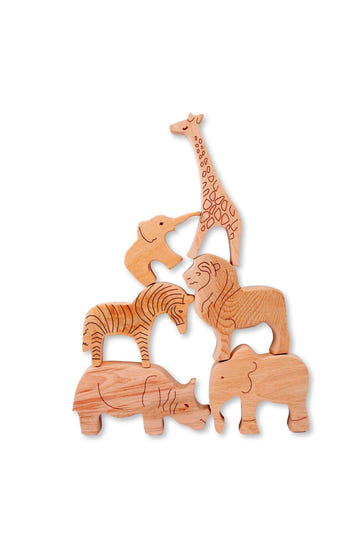
Kidodido Wooden Safari Animals Set 6 Pieces Handcraf...
$41.99
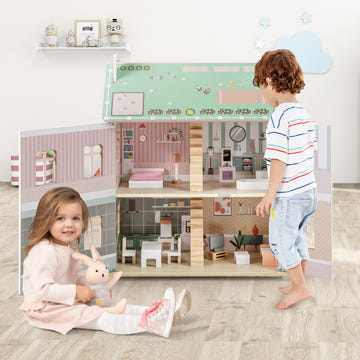
Kids Wooden Dollhouse 3 Level with Double-Sided Roof...
$129.99
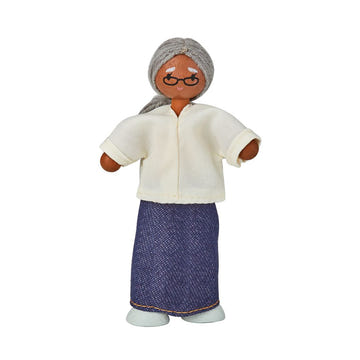
PlanToys Grandmother Dollhouse Figure Medium Skin To...
$7.99
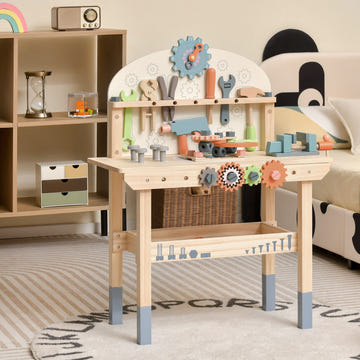
Kids Play Tool Workbench with Realistic Accessories
$69.99