


Tummy time is one of the simplest yet most important activities you can introduce in your baby’s early months. While it may seem like just playtime on their belly, this small daily routine plays a big role in physical and cognitive development. Here’s everything you need to know about tummy time, its benefits, and how to make it enjoyable for your little one.
What Is Tummy Time?
Tummy time refers to placing your baby on their stomach while they’re awake and supervised. It encourages babies to lift their heads, push up with their arms, and develop muscles needed for milestones like rolling, crawling, and sitting.

Dr. Hannah Lee, Pediatric Physical Therapist: “Tummy time is crucial for building core strength, preventing flat head syndrome, and supporting motor skill development.”
Free US shipping over $100Real essentials, picked by real moms
Take $15 off at checkout, applied automatically when you shop through this link.
Shop with READER15 →Free US shipping over $100. Code applies automatically at checkout.
Key Benefits of Tummy Time
✔️ Strengthens Neck, Shoulders, Arms, and Back
✔️ Promotes Motor Skills (rolling, crawling, sitting)
✔️ Prevents Positional Plagiocephaly (flat spots on the head)
✔️ Encourages Sensory Exploration
✔️ Supports Visual Development by helping babies learn to track objects
Picks From This Story
Picks related to this guide, ready to ship from Moogco.
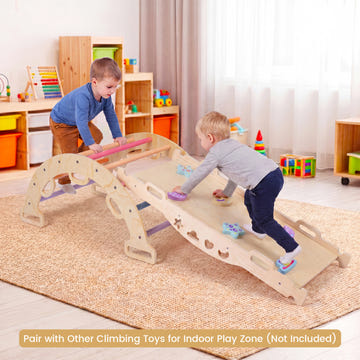
Wooden Rocking Climbing Arch with Cushion 3-in-1 Mon...
$62.99
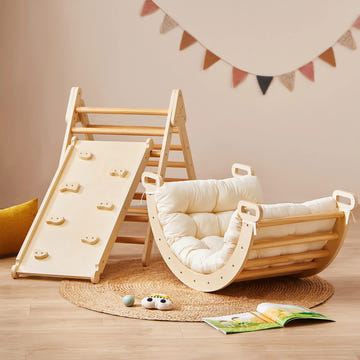
Tiny Land 7-in-1 Montessori Climbing Set with Thick ...
$199.99
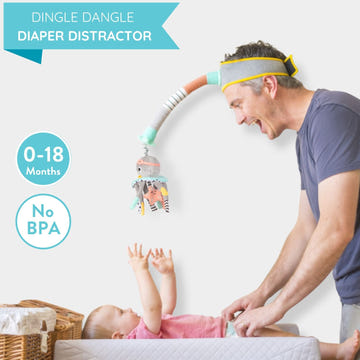
Dingle Dangle Baby Diaper Changing Distractor Head-W...
$32.99
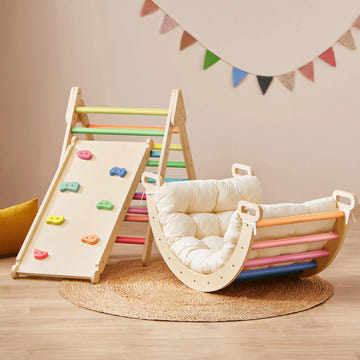
Tiny Land® 7-in-1 Rainbow Climbing Set with Thick Pl...
$199.99
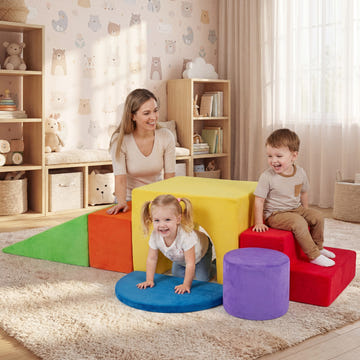
6 Pieces Foam Climbing Blocks for Kids with Slide an...
$77.69
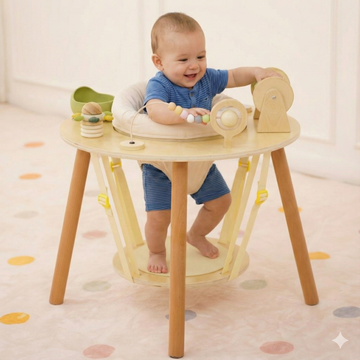
Aldar Convertible Montessori Activity Table
$199.00
When to Start Tummy Time
You can begin tummy time from day one by placing your newborn on your chest. By the time your baby is 2 weeks old, aim to introduce tummy time on a flat, safe surface.
Recommended Tummy Time Duration:
Newborns: Start with 2-3 sessions of 1-2 minutes daily.
By 2 Months: Aim for 15-20 minutes total per day.
By 3-4 Months: Gradually increase to 30-60 minutes daily, broken into short sessions.
💡 Tip: Consistency is more important than long sessions. Short, frequent tummy time works best.
How to Make Tummy Time Fun
✔️ Place a soft mat or blanket on the floor. ✔️ Get down face-to-face to engage your baby. ✔️ Use colorful toys or mirrors to capture attention. ✔️ Sing, talk, or shake a rattle to encourage head lifting. ✔️ Try tummy time on your chest or across your lap if baby resists the floor.
Dr. Emily Carter, Developmental Pediatrician: “It’s normal for babies to fuss at first. With gentle encouragement and interaction, most babies grow to enjoy tummy time.”
Common Tummy Time Challenges & Solutions
🔹 Baby Hates Tummy Time: Start with very short sessions and build up slowly. Use interactive toys and your presence for comfort.
🔹 Falls Asleep During Tummy Time: Always place your baby on their back to sleep. If they doze off, gently reposition them.
🔹 Flat Head Already Developing: Increase tummy time and consult your pediatrician for additional guidance.
More Related Picks
A few more favorites from the same collection.

4-in-1 Baby Push Walker Activity Center Height Adjus...
$62.99
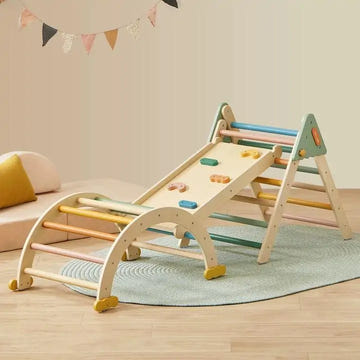
Tiny Land® 7-in-1 Morandi Pikler Triangle Set
$159.99
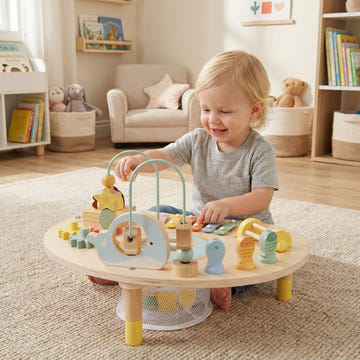
7-in-1 Toddler Activity Table Montessori Sensory Toy...
$41.99
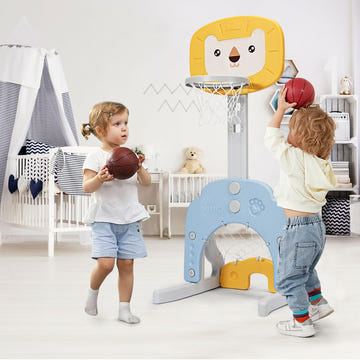
3-in-1 Adjustable Kids Basketball Hoop Sports Set - ...
$55.64
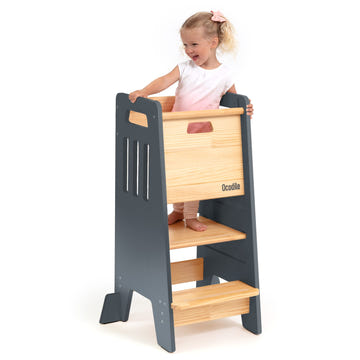
Standing Toddler Tower with Sliding Safety Door
$129.99
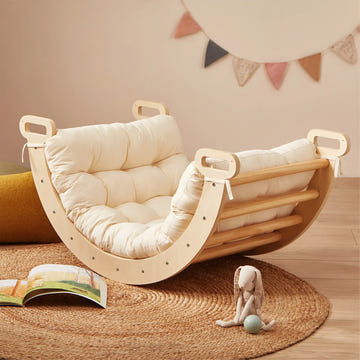
Tiny Land Thick Padded Play Cushion Arch Not Included
$74.99
Safety Tips for Tummy Time
✔️ Always supervise your baby. ✔️ Only do tummy time when your baby is awake. ✔️ Avoid tummy time right after feeding to prevent discomfort. ✔️ Use firm, flat surfaces—never place baby on soft beds or couches.
The Role of Moogco Silver Nursing Cups
After a productive tummy time session, babies often seek comfort through feeding. If frequent breastfeeding leads to nipple soreness, Moogco Silver Nursing Cups provide natural, antibacterial relief so you can nurse comfortably.
📌 Get yours today: Moogco Silver Nursing Cups on Amazon
Final Thoughts: Small Effort, Big Rewards
Tummy time may seem simple, but its impact on your baby’s strength and development is profound. With patience, consistency, and playful interaction, you’ll be setting the stage for key milestones ahead.
🛒 Explore developmental toys and baby care essentials at Moogco Baby.
Bring this guide home with $15 off.
Use code READER15 for $15 off →
Featured pick from Moogco
MOOGCO Silver Nursing Cups 999k Silver - BPA-Free for Babies & Toddlers
$46.90 $52.90
Shop this pick → Frequently Asked Questions
Can I do tummy time on my bed or couch?
No, always use a firm, flat surface like the floor with a play mat or blanket. Soft surfaces like beds and couches can pose suffocation risks and don't provide the stable support babies need to build strength. Always supervise closely during every tummy time session.
What if my baby cries every time we try tummy time?
It's completely normal for babies to protest at first since tummy time requires effort and uses new muscles. Start with just 30 seconds to one minute and gradually increase as your baby builds tolerance. Try doing tummy time on your chest, using engaging toys, or timing sessions when your baby is alert and happy, not tired or hungry.
Is tummy time safe for newborns?
Yes, you can start tummy time from day one by laying your newborn on your chest skin-to-skin. This gentle introduction helps them get used to the position in a comforting way. Always ensure your baby is awake and you're alert and supervising closely.
How do I know if my baby is getting enough tummy time?
By 2 months, aim for a total of 15 to 20 minutes daily spread across multiple short sessions. By 3 to 4 months, work up to 30 to 60 minutes throughout the day. Watch for signs of progress like stronger head control, pushing up on arms, and increased comfort in the position, which indicate your baby is benefiting.
Can tummy time replace other floor play?
Tummy time is essential but should be part of a varied play routine. Babies also need back time for kicking and reaching, side-lying for balance, and upright time in your arms for bonding. A mix of positions throughout the day supports well-rounded development and prevents overuse of any single position.
Should I do tummy time before or after feeding?
It's best to wait at least 20 to 30 minutes after feeding to avoid discomfort and spit-up. Try tummy time when your baby is alert and content, such as after a diaper change or a short nap. Timing sessions when your baby is in a good mood makes the experience more enjoyable for both of you.
What toys work best to encourage tummy time?
High-contrast toys, unbreakable baby-safe mirrors, rattles, and textured play mats are excellent for capturing your baby's attention. Position toys just out of reach to encourage reaching and head lifting. Your face is the best toy of all, so get down at eye level and interact with smiles, sounds, and gentle encouragement.
Will skipping tummy time delay my baby's milestones?
Babies who don't get enough tummy time may experience delays in motor skills like rolling, crawling, and sitting, and may be at higher risk for developing flat spots on their head. Consistent daily tummy time helps build the core and upper body strength necessary for these key milestones. If you have concerns about your baby's development, talk to your pediatrician.
From Moogco Studio
Printable and personalized nursery essentials. Designed by moms for moms.


About the Editor
Eda Ulger is a co-founder of Moogco Baby, the editor of the Moogco Baby Journal, and a mom of two. She curates and edits our guides so every piece is honest, practical, and genuinely helpful for the early days of motherhood.
Shop This Story
Picks related to this guide, ready to ship from Moogco.
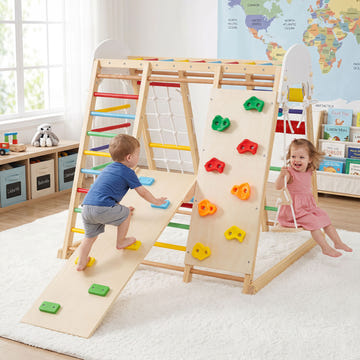
8-in-1 Foldable Indoor Jungle Gym for Kids with Swin...
$178.49
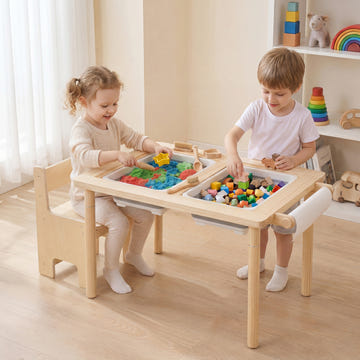
Kids Sensory Table Set with Adjustable Height and 2 ...
$83.99
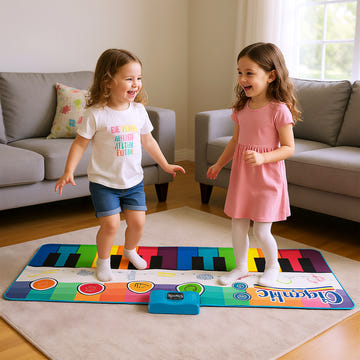
Floor Piano Dance Mat for Kids Musical Playmat with ...
$52.49
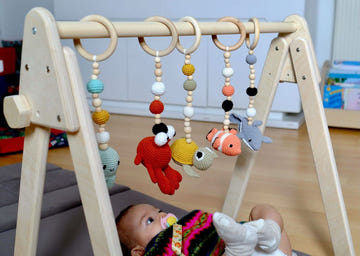
Kidodido Baby Play Gym Wooden Montessori Foldable wi...
$76.97
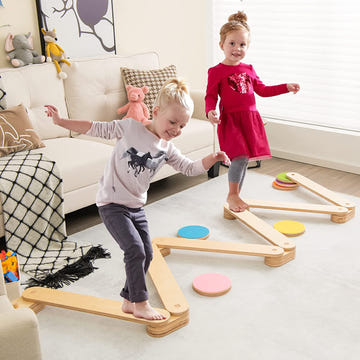
12-Piece Kids Wooden Balance Beam with Colorful Stee...
$50.39
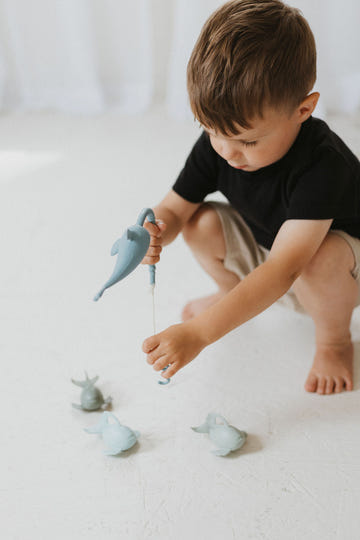
ShopMyLittleSongbird Silicone Fishing Set 3 Fish 1 N...
$15.99
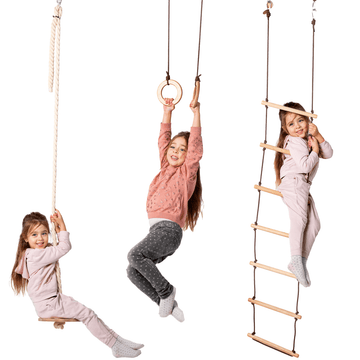
Goodevas 3in1 Swing Climbing Set Rope Ladder Gym Rin...
$79.00
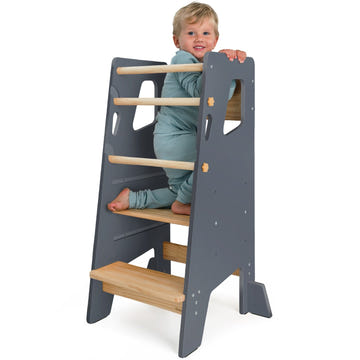
Montessori Toddler Tower Adjustable Kitchen Stool He...
$119.99
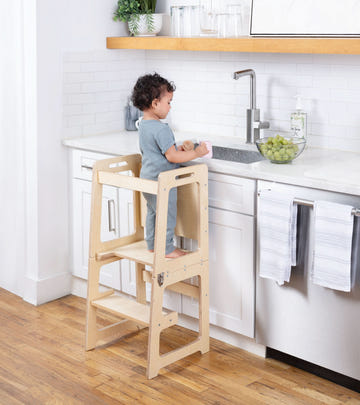
Avenlur 4-in-1 Convertible Toddler Kitchen Tower Des...
$119.00
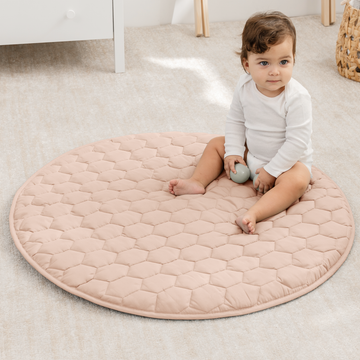
Comfy Cubs Play Mat with Non-Slip Bottom Blush round...
$34.99