


Tummy time is one of the most important—and underrated—activities for your baby’s early development. It may seem simple, but giving your baby daily time on their belly plays a critical role in building strength, motor skills, and confidence.
Dr. Rachel Mendel, Pediatric Physical Therapist: “Tummy time helps babies develop the muscles they’ll use for rolling, crawling, sitting, and walking. The earlier and more consistently you start, the better.”
What Is Tummy Time?
Tummy time is supervised, awake time when your baby lies on their stomach. It helps counteract the effects of back-sleeping by promoting head, neck, and upper body strength.

When Should You Start?
✔️ As early as the first week home, for a few minutes at a time
✔️ Aim for 2–3 sessions per day, gradually increasing to at least 1 hour total daily by 3 months of age
Free US shipping over $100
Real essentials, picked by real moms
Take 25% off at checkout, applied automatically when you shop through this link.
Shop with READER25 →Free US shipping over $100. Code applies automatically at checkout.
💡 Tip: Even 1–2 minutes at a time counts in the beginning.
Picks From This Story
Picks related to this guide, ready to ship from Moogco.
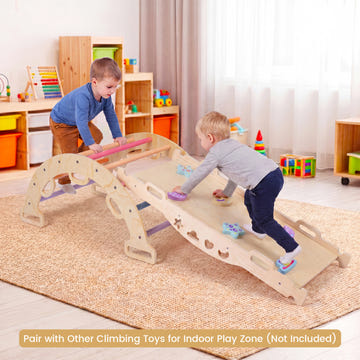
Wooden Rocking Climbing Arch with Cushion 3-in-1 Mon...
$59.99
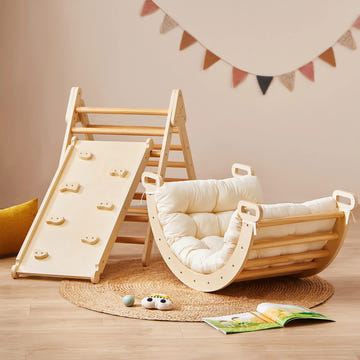
Tiny Land 7-in-1 Montessori Climbing Set with Thick ...
$199.99
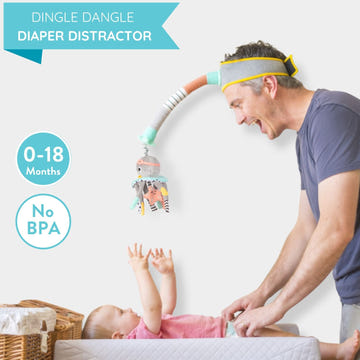
Dingle Dangle Baby Diaper Changing Distractor Head-W...
$32.99
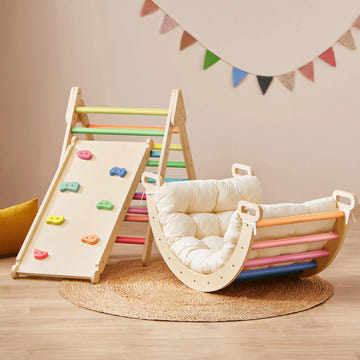
Tiny Land® 7-in-1 Rainbow Climbing Set with Thick Pl...
$199.99
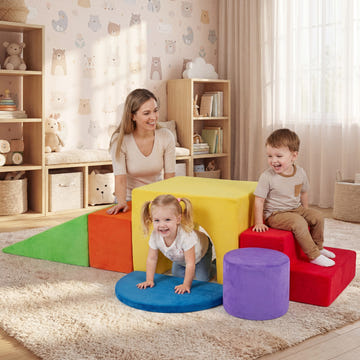
6 Pieces Foam Climbing Blocks for Kids with Slide an...
$73.99
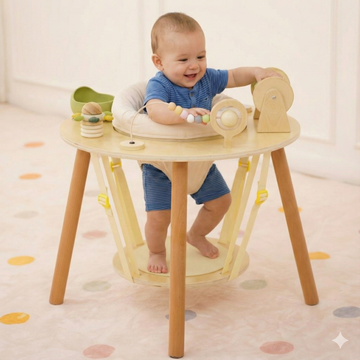
Aldar Convertible Montessori Activity Table
$199.00
Why Is Tummy Time Important?
✔️ Builds muscles in the neck, shoulders, arms, and core
✔️ Prevents flat spots on the back of the head (positional plagiocephaly)
✔️ Supports motor milestones like rolling, crawling, and sitting up
✔️ Encourages visual tracking and sensory exploration
Making Tummy Time Enjoyable
1. Use a Blanket or Play Mat
✔️ Lay baby on a soft, clean surface on the floor
✔️ Place a rolled towel under their chest for extra support
2. Get Down on Their Level
✔️ Lie face-to-face and talk, sing, or smile
✔️ Babies love seeing your face—it motivates them to lift their head
3. Add Toys or a Mirror
✔️ High-contrast toys or baby-safe mirrors can capture their attention
✔️ Try different textures for sensory exploration
4. Use Tummy Time Alternatives
✔️ Lay baby on your chest while you recline
✔️ Try across your lap or in your arms while supporting their head
Dr. Mendel says: “Make it playful, not stressful. Some babies fuss at first, but with practice, they build strength—and tolerance.”
When to Be Concerned
✔️ Baby shows signs of muscle weakness or motor delay
✔️ Doesn’t tolerate tummy time at all after several weeks of trying
✔️ Flattens one side of the head consistently
Talk to your pediatrician or a pediatric physical therapist if you have concerns.
More Related Picks
A few more favorites from the same collection.

4-in-1 Baby Push Walker Activity Center Height Adjus...
$62.99
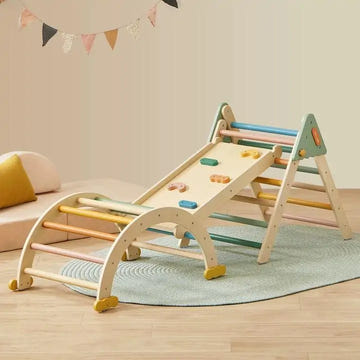
Tiny Land® 7-in-1 Morandi Pikler Triangle Set
$159.99
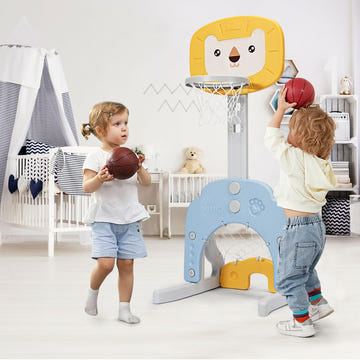
3-in-1 Adjustable Kids Basketball Hoop Sports Set - ...
$52.99
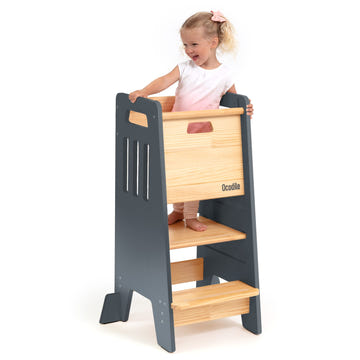
Standing Toddler Tower with Sliding Safety Door
$129.99
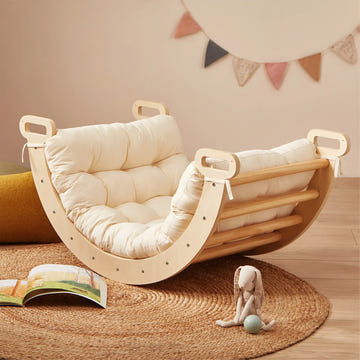
Tiny Land Thick Padded Play Cushion Arch Not Included
$74.99
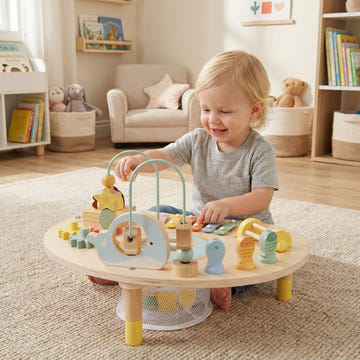
7-in-1 Toddler Activity Table Montessori Sensory Toy...
$39.99
The Role of Moogco Silver Nursing Cups
Breastfeeding moms often do tummy time right after feeding—when nipples can be sore. Moogco Silver Nursing Cups provide natural antibacterial relief between feeds, supporting your comfort during everyday bonding moments.
📌 Find them here: Moogco Silver Nursing Cups on Amazon
Final Thoughts: Small Sessions, Big Benefits
Tummy time doesn’t need to be perfect—it just needs to be consistent. Over time, these short sessions build the foundation for major motor milestones.
🛒 Discover tummy time tools and support gear at Moogco Baby.
Bring this guide home with 25% off.
Use code READER25 for 25% off →
Featured pick from Moogco
MOOGCO Silver Nursing Cups 999k Silver - BPA-Free for Babies & Toddlers
$46.90 $52.90
Shop this pick → Frequently Asked Questions
How long should each tummy time session last for a newborn?
For newborns, start with just 1 to 2 minutes per session, 2 to 3 times a day. As your baby gets stronger and more comfortable, gradually increase the duration. By 3 months, aim for a total of at least one hour of tummy time spread throughout the day.
What if my baby cries every time I put them on their tummy?
It's completely normal for babies to fuss during tummy time at first, especially if they're not used to it. Start with very short sessions and try different positions, like laying them on your chest or across your lap. Stay close, make eye contact, and keep it playful. With consistency, most babies build both strength and tolerance.
Can tummy time help prevent a flat head?
Yes, tummy time is one of the best ways to prevent positional plagiocephaly, or flat spots on the back of the head. Since babies sleep on their backs for safety, awake tummy time gives their skull a break from constant pressure in one position. It also encourages them to turn their head in different directions.
Is it safe to do tummy time right after feeding?
It's generally best to wait 20 to 30 minutes after a full feeding to avoid spit-up or discomfort. However, short, gentle tummy time sessions on your chest or lap can be done sooner if your baby is calm and alert. Always supervise and watch for any signs of distress.
What surfaces are best for tummy time?
A firm, flat surface like a clean play mat or blanket on the floor is ideal. Avoid soft surfaces like beds or couches, as they can pose a suffocation risk and make it harder for your baby to push up. You can also place a rolled towel under their chest for extra support in the early weeks.
Do I need special toys for tummy time?
You don't need anything fancy. High-contrast toys, baby-safe mirrors, or textured objects work great to capture your baby's attention. The most important tool is you! Getting down on their level, talking, singing, and smiling encourages them to lift their head and engage.
Can tummy time count if my baby is lying on my chest?
Absolutely! Chest-to-chest tummy time is a wonderful way to start, especially with newborns. It provides gentle resistance, skin-to-skin bonding, and helps your baby practice lifting their head in a comforting position. This counts toward their daily tummy time and is a great alternative if they resist the floor.
When should I be concerned about my baby's tummy time progress?
If your baby consistently refuses tummy time after several weeks, shows signs of muscle weakness, or isn't progressing toward lifting their head by 2 to 3 months, talk to your pediatrician. A pediatric physical therapist can assess whether there are any developmental delays or torticollis that need attention.
From Moogco Studio
Printable and personalized nursery essentials. Designed by moms for moms.


About the Editor
Eda Ulger is the editor at Moogco Baby and a mom of two. She curates and edits our guides so every piece is honest, practical, and genuinely helpful for the early days of motherhood.
Shop This Story
Picks related to this guide, ready to ship from Moogco.
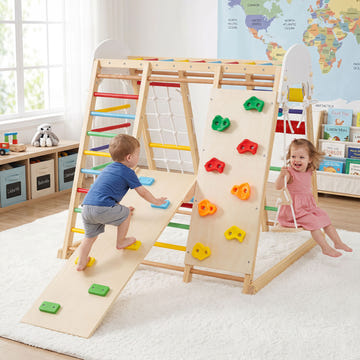
8-in-1 Foldable Indoor Jungle Gym for Kids with Swin...
$169.99
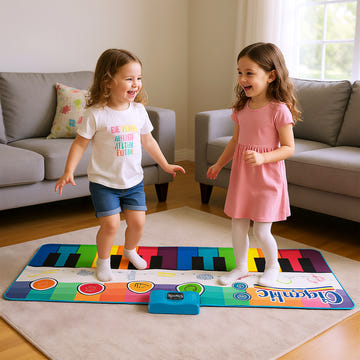
Floor Piano Dance Mat for Kids Musical Playmat with ...
$49.99
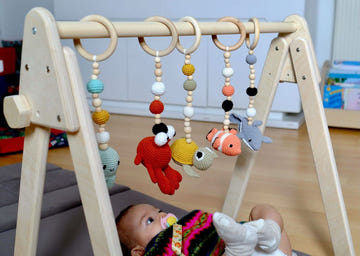
Kidodido Baby Play Gym Wooden Montessori Foldable wi...
$76.97
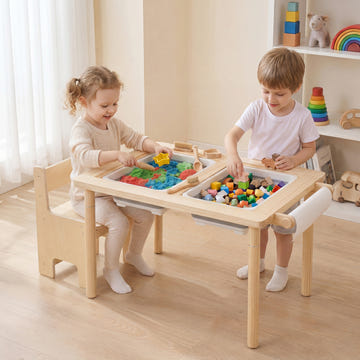
Kids Sensory Table Set with Adjustable Height and 2 ...
$79.99
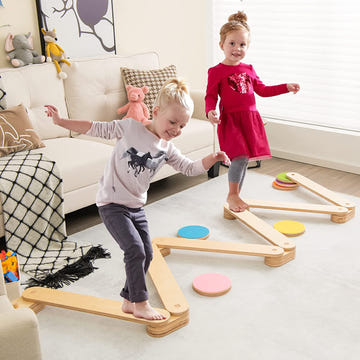
12-Piece Kids Wooden Balance Beam with Colorful Stee...
$47.99
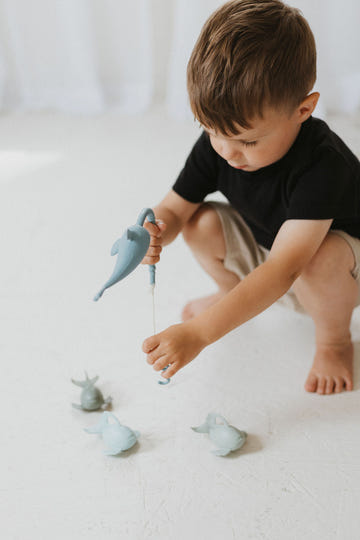
ShopMyLittleSongbird Silicone Fishing Set 3 Fish 1 N...
$15.99
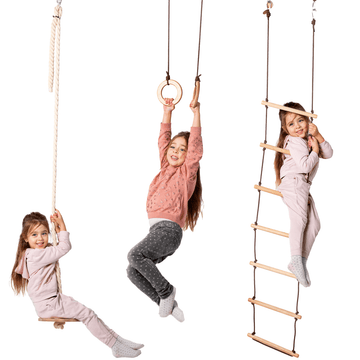
Goodevas 3in1 Swing Climbing Set Rope Ladder Gym Rin...
$79.00
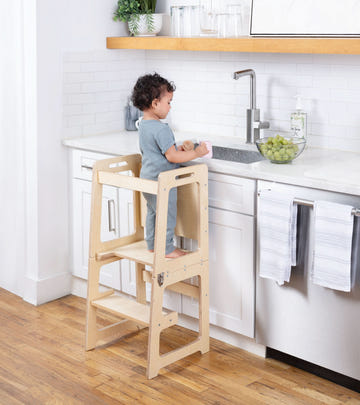
Avenlur 4-in-1 Convertible Toddler Kitchen Tower Des...
$119.00
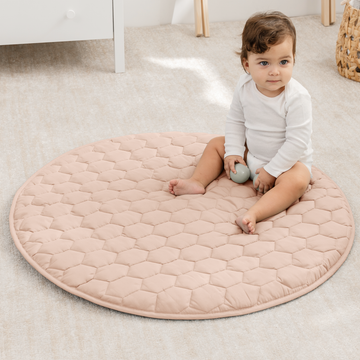
Comfy Cubs Play Mat with Non-Slip Bottom Blush round...
$34.99
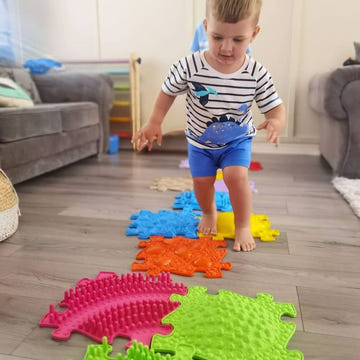
Rainbow Sensory Playmat Set
$104.95