


Bring this guide home with 25% off.
Use code MAMA25 for 25% off →
Featured pick from Moogco
Picks From This Story
Picks related to this guide, ready to ship from Moogco.
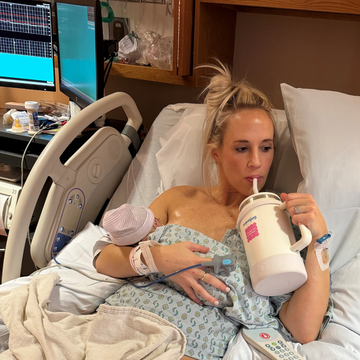
momjug breastfeeding water bottle 50oz double-wall s...
$49.99
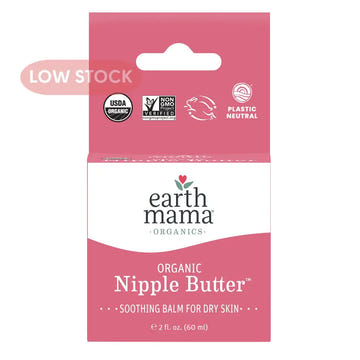
Organic Nipple Butter™ - Double-Sided for Kids
$14.99
Bae & Bee Boutique LactTube 5FR Pediatric Feeding Tu...
$3.00
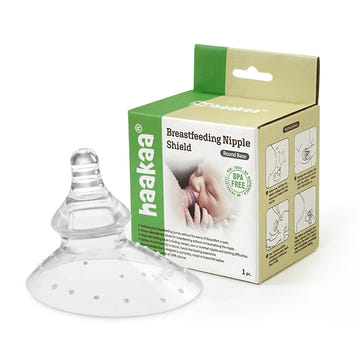
Haakaa Silicone Breastfeeding Nipple Shield Round Sh...
$19.05
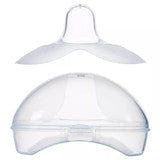
Bae & Bee Boutique Cherry Shaped Nipple Shield 21mm ...
$14.00
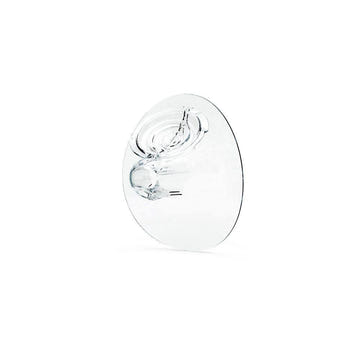
Healthy Horizons Elvie Pump Breast Shields 2 Pack 21...
$29.99
The Original Silver Nursing Cups with Silicone Pads
$62.90 $74.90
Shop this pick → Frequently Asked Questions
How long should I try to get my baby to latch before offering a bottle?
Try for 10 to 15 minutes per breast, watching for signs of frustration in both you and baby. If your baby is getting too upset, take a break with skin-to-skin contact and try again when both of you are calmer. If latching struggles continue beyond the first few days, reach out to a lactation consultant who can assess the situation and provide personalized support.

Can a shallow latch affect my milk supply over time?
Yes, a shallow latch can significantly impact your milk supply because the breast isn't being emptied effectively. When milk isn't removed efficiently, your body receives signals to produce less milk. This creates a cycle where inadequate milk removal leads to decreased supply, making it crucial to address latch issues early with professional support.
Curated by moms, vetted by lactation pros
Everything for the breastfeeding journey
Take 25% off at checkout, applied automatically when you shop through this link.
Shop with MAMA25 →Free US shipping over $100. Code applies automatically at checkout.
Is it normal for breastfeeding to hurt in the first week?
Some tenderness during the first few days is common as your nipples adjust, but breastfeeding should not be painful. Sharp, persistent pain or cracked, bleeding nipples are signs of a poor latch that needs to be corrected. Don't hesitate to seek help from a lactation consultant, as addressing latch problems early prevents long-term complications and discomfort.
More Related Picks
A few more favorites from the same collection.

Mila's Keeper Silicone Breast Milk Bottle 6 oz Stand...
$36.00
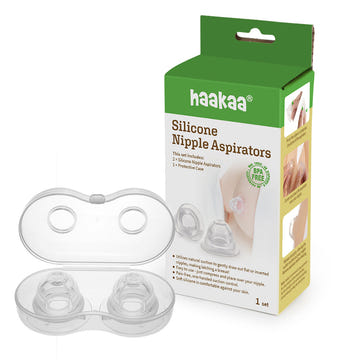
Haakaa Silicone Inverted Nipple Aspirators 2 pk
$17.99
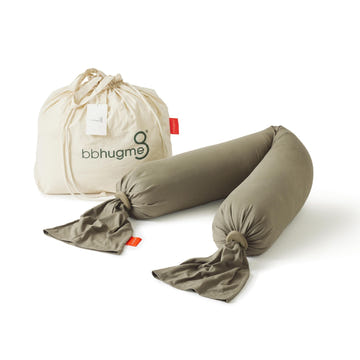
bbhugme Pregnancy Pillow Dusty Olive Adjustable Firm...
$219.00
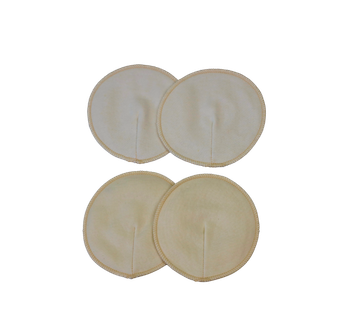
Babee Greens Contoured Nursing Pads 1 Pair Organic C...
$7.25
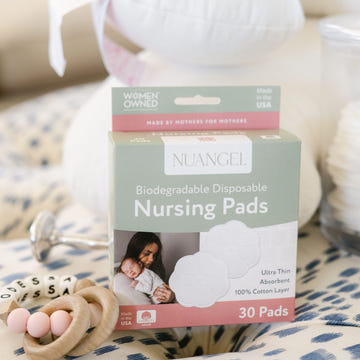
NuAngel Plant-based Disposable Nursing Pads individu...
$9.99
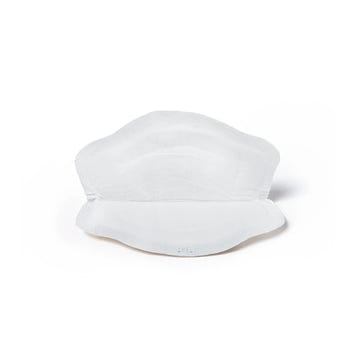
Zomee Breast Pumps Nursing Pads 100 or 200 count
$2.99
How do I know if my baby has tongue tie?
Signs of tongue tie include difficulty latching, a clicking sound during feeding, and the baby's tongue appearing heart-shaped when extended. You might also notice your baby can't stick their tongue out past their lower lip or lift it to the roof of their mouth. If you suspect tongue tie, ask your pediatrician or lactation consultant to evaluate your baby, as a simple procedure can often resolve the issue.
What position works best for babies who struggle to latch?
The laid-back or reclined position often works well because it allows gravity to help your baby naturally find the breast and uses their instinctive feeding reflexes. The football hold is also helpful for babies with latching difficulties because it gives you more control and visibility. Experiment with different positions to find what works best for you and your baby, and don't hesitate to ask a lactation consultant for hands-on guidance.
Should I pump if my baby can't latch properly?
Yes, pumping is important to maintain your milk supply and prevent engorgement while you work on improving your baby's latch. Pump after each feeding attempt to ensure your breasts are emptied regularly, signaling your body to continue producing milk. You can feed your baby the expressed milk using a method recommended by your lactation consultant, such as a syringe or cup, to avoid nipple confusion.
Can using a nipple shield make latching problems worse?
Nipple shields can be a helpful temporary tool for flat or inverted nipples, but they should be used under the guidance of a lactation consultant. While they can assist with initial latching, prolonged use without proper support may reduce milk transfer and supply. The goal is to use them as a bridge while working on the underlying latch issue, with a plan to gradually wean off the shield.
When should I be concerned about my baby's weight with latching issues?
If your baby hasn't regained their birth weight by two weeks or is losing weight after the first week, contact your pediatrician immediately. Other red flags include fewer than six wet diapers per day after day five, dark concentrated urine, or persistent fussiness and lethargy. Poor weight gain often signals inadequate milk intake, which requires prompt evaluation and intervention to ensure your baby's health.
From Moogco Studio
Printable and personalized nursery essentials. Designed by moms for moms.


About the Editor
Eda Ulger is the editor at Moogco Baby and a mom of two. She curates and edits our guides so every piece is honest, practical, and genuinely helpful for the early days of motherhood.
Shop This Story
Picks related to this guide, ready to ship from Moogco.

Holistic Lactation Advanced Lactation Formula 30 Ser...
$34.99
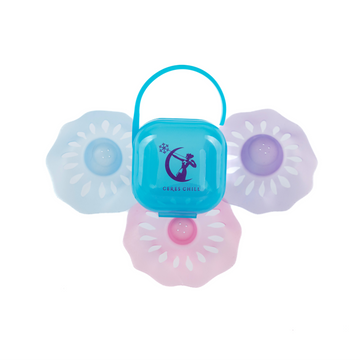
Ceres Chill Shield Maiden Nipple Shields 2pc or 3pc ...
$14.50

WishGarden Herbs Milk Rich Supply Booster pump top b...
$26.99

Wendy Anne Lounger Slip Cover Organic Cotton Waterpr...
$49.00
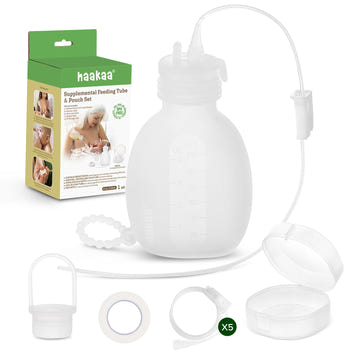
Haakaa Supplemental Feeding Tube and Pouch Set Size ...
$33.99

Milky Mama Dairy Duchess Raspberry Breastfeeding Sup...
$27.00

Preggie Drops Plus Morning Sickness Relief Lollies, ...
$12.03
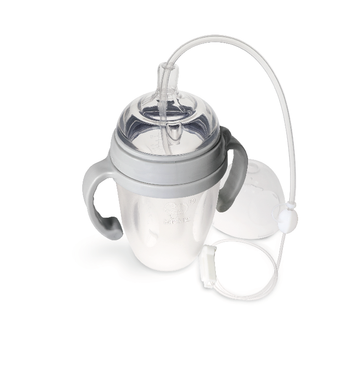
Haakaa Supplemental Feeding Combo 250ml Bottle with ...
$32.99

Euphoric Herbals Milk Machine lactation supplement 2...
$19.99

Euphoric Herbals Super Salve Nursing Salve no essent...
$10.00