


Allergies can develop at any age, even in infancy. Whether it’s a reaction to food, the environment, or skincare products, knowing the signs of allergies and how to respond is essential for every parent. This guide breaks down common allergy types, how to recognize symptoms, and what you can do to keep your baby safe and comfortable.
What Are Allergies?
An allergy occurs when the immune system mistakenly identifies a harmless substance as a threat and overreacts. In babies, this reaction can range from mild to severe and may affect the skin, digestive system, or respiratory tract.

Dr. Leila Nasser, Pediatric Allergist: “Infants are more vulnerable because their immune systems are still maturing. Early identification and management of allergies can prevent long-term complications.”
Free US shipping over $100Real essentials, picked by real moms
Take 15% off at checkout, applied automatically when you shop through this link.
Shop with HAPPYSPRING →Free US shipping over $100. Code applies automatically at checkout.
Common Allergens in Infants
Food Allergens
Cow’s milk
Eggs
Peanuts
Tree nuts
Wheat
Soy
Fish & shellfish
Environmental Allergens
Dust mites
Pet dander
Mold
Pollen (less common in babies but possible)
Contact Allergens
Fragrances and dyes in detergents or lotions
Nickel in clothing snaps
Certain fabrics or latex materials
Picks From This Story
Picks related to this guide, ready to ship from Moogco.
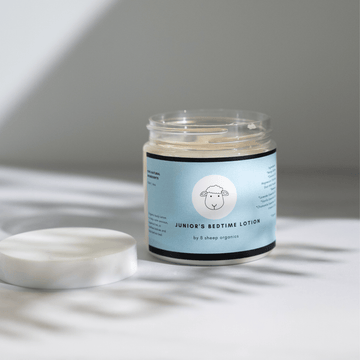
8 Sheep Organics Juniors Bedtime Lotion deep sea mag...
$23.00
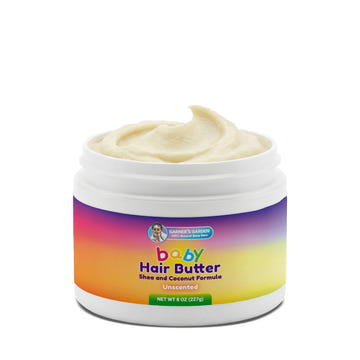
Garner's Garden Baby Hair Butter Unscented 100% All-...
$15.00
Happy Liver
$29.95
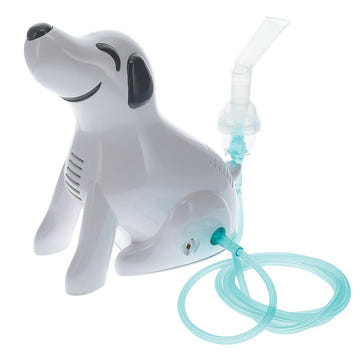
LL Medico BodyMed Pediatric Dog Compressor Nebulizer...
$29.99
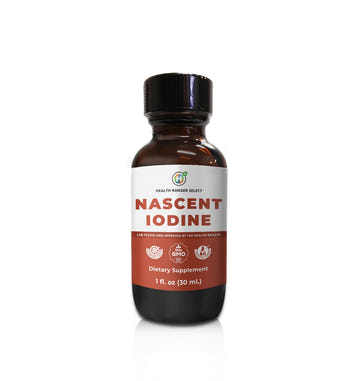
Health Ranger Store Nascent Iodine 1 fl oz 2% Cap Lo...
$41.95
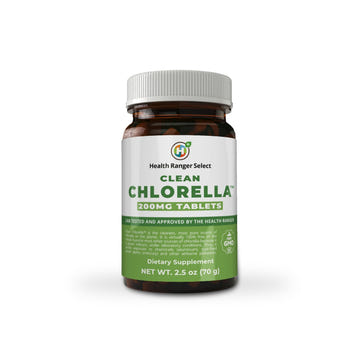
Health Ranger Store Clean Chlorella 200mg Tablets 2....
$15.95
Signs of Allergies in Babies
Skin Reactions:
✔️ Red, itchy rashes (eczema or hives) ✔️ Dry, scaly patches ✔️ Swelling, especially around the eyes or lips
Digestive Issues:
✔️ Vomiting ✔️ Diarrhea or mucus in stools ✔️ Colic-like symptoms or excessive gas
Respiratory Symptoms:
✔️ Sneezing or coughing ✔️ Wheezing or difficulty breathing ✔️ Runny nose or nasal congestion
Dr. Maya Carter, Pediatrician: “Always take breathing difficulties seriously. If your baby is struggling to breathe, call emergency services immediately.”
When to Introduce Allergenic Foods
Recent research suggests introducing allergenic foods between 4 to 6 months may reduce the risk of developing food allergies—especially in high-risk babies (those with eczema or family history).
✔️ Introduce one food at a time. ✔️ Wait 2–3 days before introducing another. ✔️ Watch for reactions and keep a food diary.
💡 Tip: Start with small amounts during the day so you can monitor for symptoms.
When to Call the Doctor
✔️ Persistent rashes or hives ✔️ Diarrhea or vomiting after meals ✔️ Breathing difficulties ✔️ Swelling of the face or lips ✔️ Blood in stool (could indicate milk protein allergy)
More Related Picks
A few more favorites from the same collection.
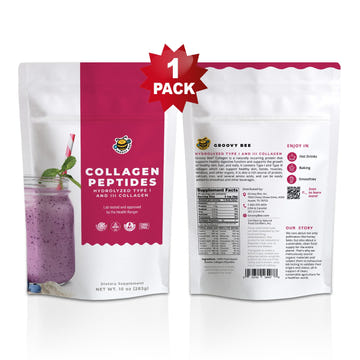
Health Ranger Store Groovy Bee Collagen Peptides Hyd...
$28.95
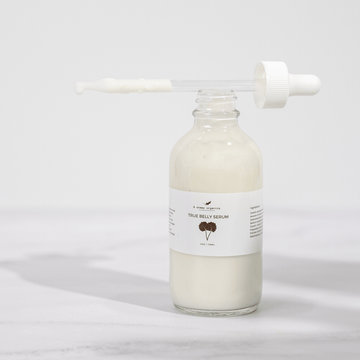
True Belly Serum
$47.00
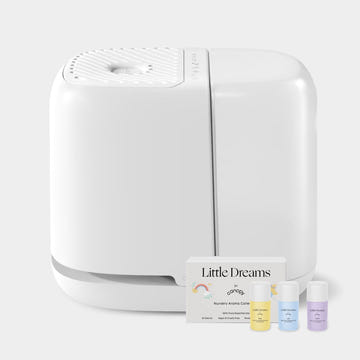
Canopy Nursery Humidifier 2.0 mold-inhibiting dishwa...
$159.00
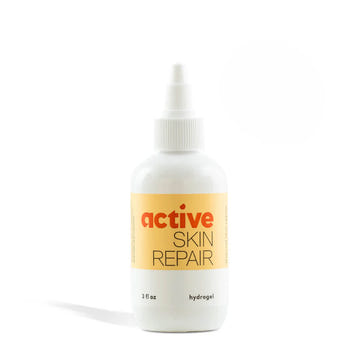
Repair Hydrogel
$34.97
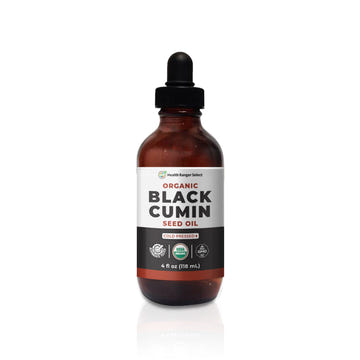
Health Ranger Store Organic Black Cumin Seed Oil 4oz...
$27.95
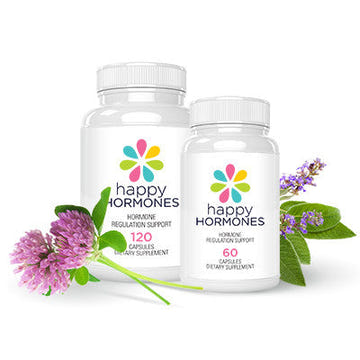
Happy Hormones
$29.95
Emergency Allergic Reactions (Anaphylaxis)
Seek immediate help if your baby shows:
Trouble breathing
Bluish skin
Sudden drowsiness or unresponsiveness
Swelling of the tongue or throat
Your doctor may prescribe an epinephrine auto-injector if your baby is diagnosed with a severe allergy.
Managing Baby Allergies
✔️ Avoid known allergens and read product labels carefully. ✔️ Use fragrance-free, hypoallergenic baby products. ✔️ Choose formulas that meet dietary needs (e.g., hydrolyzed or soy-based). ✔️ Consider allergen-reducing strategies like HEPA filters and frequent dusting.
The Role of Moogco Silver Nursing Cups
Some babies react to skincare products or nipple creams used during breastfeeding. Moogco Silver Nursing Cups offer a hypoallergenic, chemical-free alternative to soothe sore nipples, protecting both mother and baby from exposure to potential irritants.
📌 Shop now: Moogco Silver Nursing Cups on Amazon
Final Thoughts: Stay Calm, Stay Informed
Allergies can be challenging, but with careful monitoring and support from your pediatrician, they are manageable. Awareness is the first step to ensuring your baby grows up healthy, happy, and allergy-safe.
🛒 Find more allergy-conscious baby care at Moogco Baby.
Bring this guide home with 15% off.
Use code HAPPYSPRING for 15% off →
Featured pick from Moogco
French Terry Racerback Nursing & Sleep Bra | Beige
$39.90
Shop this pick → Frequently Asked Questions
Can breastfeeding reduce my baby's risk of developing allergies?
Yes, exclusive breastfeeding for the first few months may help protect against allergies by supporting immune development. Breast milk contains antibodies and beneficial bacteria that can strengthen your baby's gut. However, genetics and environmental factors also play a role, so breastfeeding is one protective factor among many.
How do I know if my baby's rash is from an allergy or just baby acne?
Baby acne usually appears on the face in the first few weeks and looks like small red bumps without itching or irritation. Allergic rashes tend to be itchy, may spread beyond the face, and often coincide with exposure to a new food, detergent, or product. If you're unsure, take a photo and consult your pediatrician for guidance.
Is it safe to give my baby peanut butter if there's no family history of allergies?
Yes, current guidelines encourage introducing peanut products between 4 and 6 months, even without a family history of allergies. Start with a small amount of smooth peanut butter thinned with water or breast milk, never whole peanuts due to choking risk. Watch closely for any reaction and introduce during the day when you can monitor symptoms.
What's the difference between a food intolerance and a food allergy in babies?
A food allergy involves the immune system and can cause symptoms like hives, vomiting, or trouble breathing. A food intolerance is a digestive issue that may cause gas, bloating, or diarrhea but doesn't trigger an immune response. Intolerances are uncomfortable but typically not life threatening, while allergies can be serious and require immediate medical attention.
Can my baby outgrow food allergies?
Many babies do outgrow certain food allergies, especially milk, egg, wheat, and soy allergies. Peanut, tree nut, fish, and shellfish allergies are more likely to persist into adulthood. Your pediatrician or allergist can perform periodic testing to determine if your child has outgrown the allergy and can safely reintroduce the food.
Should I avoid eating allergenic foods while breastfeeding?
You don't need to avoid allergenic foods unless your baby shows clear signs of a reaction after you eat them. In fact, exposing your baby to small amounts of allergens through breast milk may help build tolerance. If you suspect a food you're eating is causing symptoms in your baby, keep a food diary and discuss it with your doctor.
What should I do if my baby has a mild allergic reaction at home?
For mild reactions like a small rash or mild fussiness, stop offering the suspected allergen and monitor your baby closely. You can take photos of the rash to show your pediatrician. Avoid reintroducing the food until you've spoken with your doctor, who may recommend allergy testing or an elimination plan.
Are hypoallergenic baby products really necessary for preventing allergies?
Hypoallergenic products reduce exposure to fragrances, dyes, and harsh chemicals that can irritate sensitive skin or trigger reactions. While they won't prevent food allergies, they do minimize contact allergens and are especially helpful if your baby has eczema or sensitive skin. Choosing gentle, fragrance free options is a smart precaution for all babies in 2026.
From Moogco Studio
Printable and personalized nursery essentials. Designed by moms for moms.


About the Editor
Eda Ulger is the editor at Moogco Baby and a mom of two. She curates and edits our guides so every piece is honest, practical, and genuinely helpful for the early days of motherhood.
Shop This Story
Picks related to this guide, ready to ship from Moogco.
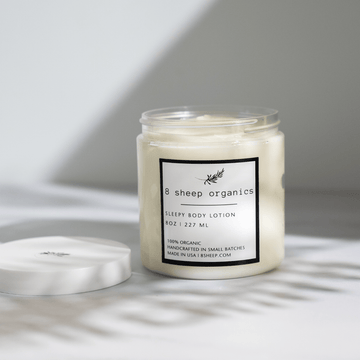
8 Sheep Organics Organic Sleepy Body Lotion for Preg...
$29.00
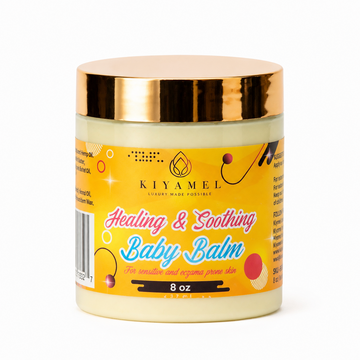
Kiyamel Baby Balm Natural Diaper Rash Cream 8 oz
$49.99
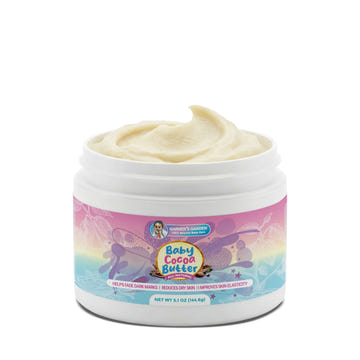
Garner's Garden Baby Cocoa Butter whipped moisturizi...
$10.00
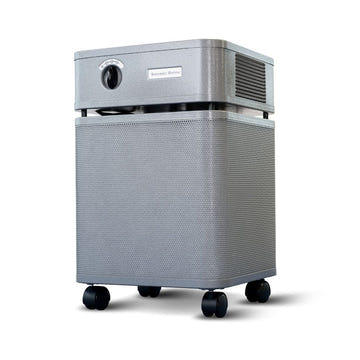
Austin Air Immunity Machine
$1,145.00
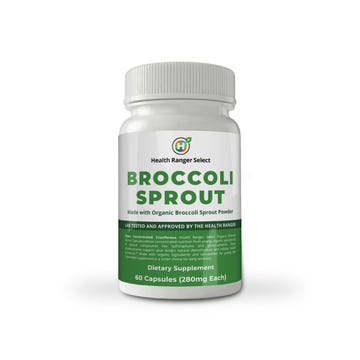
Health Ranger Store Broccoli Sprout Capsules 60 Orga...
$26.95
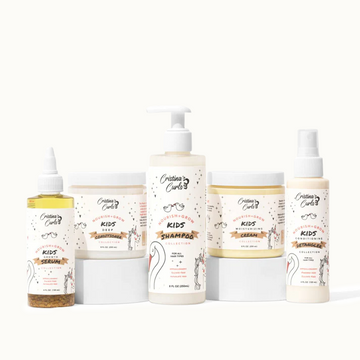
Nourish + Grow Essentials Set
$120.00
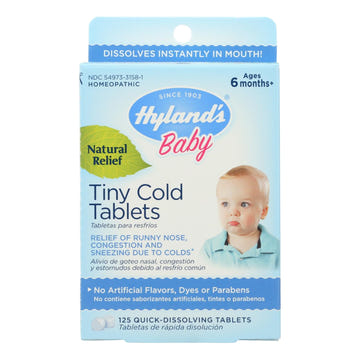
Cozy Farm Hyland's Baby Tiny Cold Tablets 125 Count
$16.88
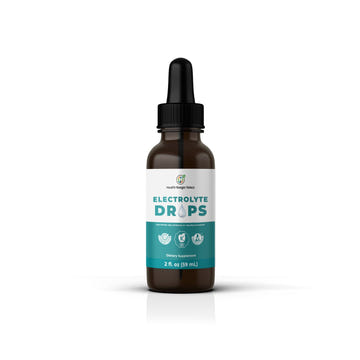
Health Ranger Store Electrolyte Drops 2 fl oz travel...
$12.95
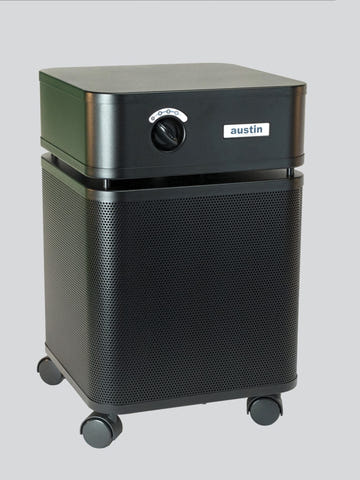
Austin Air Healthmate
$845.00
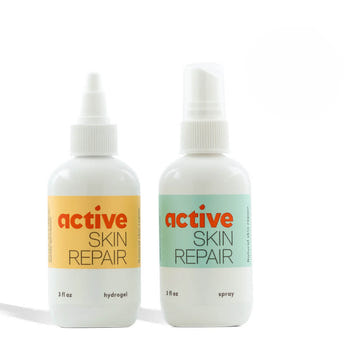
Skin Repair Double Pack
$59.97