


Few things are as stressful for parents as a baby who cries for hours without relief. If your otherwise healthy baby is experiencing prolonged periods of intense crying, they may be dealing with colic. This guide will help you understand what colic is, why it happens, and how to comfort your little one during these challenging episodes.
What Is Colic?
Colic is defined as frequent, prolonged, and intense crying in an otherwise healthy infant. It typically follows the "Rule of Threes":

✔️ Crying for more than 3 hours a day
✔️ Occurs more than 3 days a week
✔️ Persists for at least 3 weeks
Free US shipping over $100
Real essentials, picked by real moms
Take $15 off at checkout, applied automatically when you shop through this link.
Shop with READER15 →Free US shipping over $100. Code applies automatically at checkout.
Colic usually begins around 2-3 weeks of age and often improves by the time a baby is 3-4 months old.
Dr. Emily Sanders, Pediatrician: “Colic isn’t a disease—it’s a phase. While it’s exhausting, it doesn’t indicate anything harmful or long-term.”
Common Signs of Colic
✔️ Intense crying episodes, often in the late afternoon or evening ✔️ Crying that sounds like screaming or an expression of pain ✔️ Clenching fists, arching back, or pulling legs toward the belly ✔️ Difficulty calming down, even after feeding or diaper changes ✔️ Reddened face during crying spells
Picks From This Story
Picks related to this guide, ready to ship from Moogco.
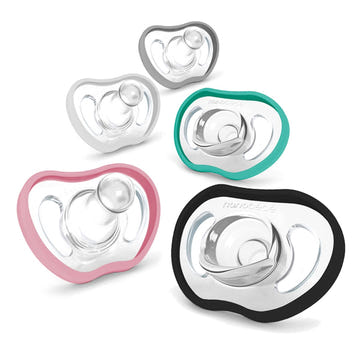
Nanobébé Active Flexy Pacifier 4m+ 4-pack Pink Teal ...
$14.99
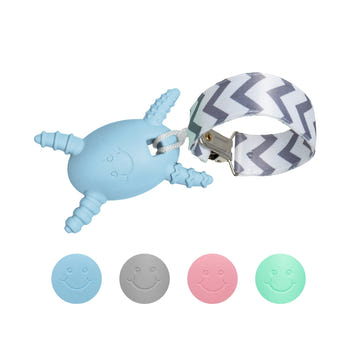
The Teething Egg The Molar Magician baby teether 4 t...
$19.95
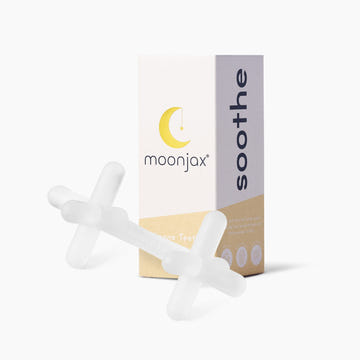
The best baby teether: 1-pack clear silicone teether
$14.99
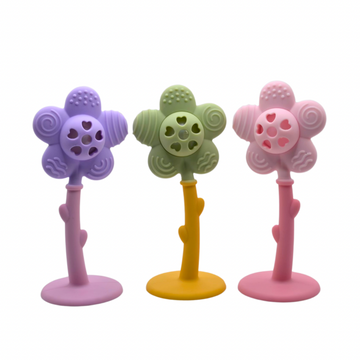
Golden Baby Rattle Teethers food grade silicone for ...
$7.99
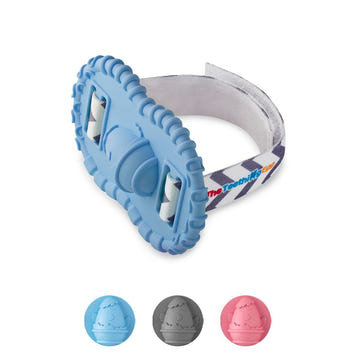
The Teething Egg Wristie Teether for 3-12 Months Adj...
$9.99
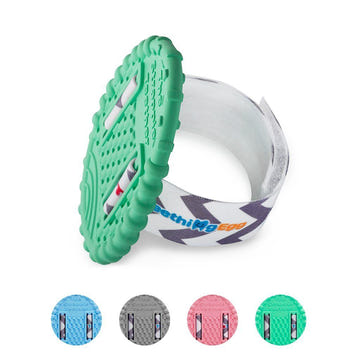
The Teething Egg Strappie Teether for Baby Carriers ...
$9.99
What Causes Colic?
The exact cause of colic is unknown, but possible factors include:
Digestive system immaturity
Gas or gut discomfort
Overstimulation
Food sensitivities (especially to cow’s milk proteins)
Developing nervous system adjusting to the outside world
💡 Note: Colic is not caused by parenting style or anything a caregiver is doing wrong.
How to Soothe a Colicky Baby
1. Use the “5 S’s” Method(Dr. Harvey Karp)
✔️ Swaddle – Wrap baby snugly in a blanket. ✔️ Side/Stomach Position – Hold baby on their side or tummy (for soothing, not sleep). ✔️ Shush – Use white noise or a calming “shhh” sound. ✔️ Swing – Gentle rocking or rhythmic motion. ✔️ Suck – Offer a pacifier or allow comfort nursing.
2. Try Tummy Massage or Bicycle Legs
Helps relieve trapped gas that may be contributing to discomfort.
3. Offer a Warm Bath
The warmth and change of environment can sometimes calm a fussy baby.
4. Reduce Stimulation
Dim lights, lower noise levels, and create a calm space.
5. Monitor Feeding Techniques
If breastfeeding, consider if certain foods in your diet could be triggers. For bottle-fed babies, check for slow-flow nipples to reduce air intake.
Dr. Laura Kim, Pediatric Gastroenterologist: “In some cases, switching to a hypoallergenic formula can ease colic symptoms—but always consult your pediatrician first.”
When to Call the Doctor
While colic is common, seek medical advice if:
✔️ Your baby has a fever, vomiting, or diarrhea ✔️ The crying sounds different (weaker or more high-pitched) ✔️ There’s poor weight gain or feeding difficulties ✔️ You suspect a milk protein allergy or reflux
More Related Picks
A few more favorites from the same collection.

The Teething Egg®
$19.95

Goosewaddle Rattle Teether Wooden Silicone 4 Colors
$16.00
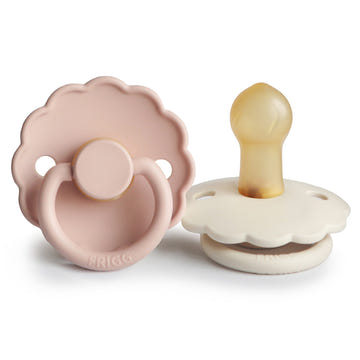
Mushie FRIGG Daisy Natural Rubber Pacifier 2-Pack Da...
$14.99

Mushie FRIGG Silicone Pacifier 6-Pack assorted palette
$34.99

Mushie FRIGG Daisy Silicone Pacifier 2-Pack Glow Night
$14.99
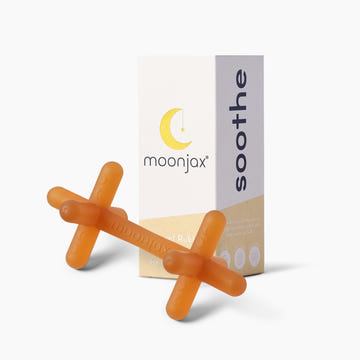
The best baby teether: 1-pack natural hevea tree rub...
$14.99
Caring for Yourself During Colic
Parental stress is real during colic phases. It’s okay to: ✔️ Ask for help from family or friends ✔️ Place your baby safely in their crib and take a short break if overwhelmed ✔️ Talk to your pediatrician about coping strategies
The Role of Moogco Silver Nursing Cups
Comfort nursing can soothe colicky babies, but frequent feeds may cause nipple soreness. Moogco Silver Nursing Cups offer natural relief, making it easier to provide comfort when your baby needs it most.
📌 Try them today: Moogco Silver Nursing Cups on Amazon
Final Thoughts: This Too Shall Pass
Colic can be tough, but it’s temporary. With patience, soothing techniques, and support, you and your baby will get through this phase—stronger and more connected.
🛒 Explore more comforting baby care solutions at Moogco Baby.
Bring this guide home with $15 off.
Use code READER15 for $15 off →
Featured pick from Moogco
French Terry Racerback Nursing & Sleep Bra | Beige
$39.90
Shop this pick → Frequently Asked Questions
Can colic cause long-term harm to my baby?
No, colic does not cause any long-term physical or developmental harm to your baby. While it's distressing in the moment, colic is a temporary phase that resolves on its own, typically by 3 to 4 months of age. Your baby will continue to grow and develop normally.
Is colic more common in breastfed or formula-fed babies?
Colic affects both breastfed and formula-fed babies equally. The cause is not related to feeding method, though some babies may have sensitivities to certain proteins in breast milk or formula. If you suspect a food sensitivity, consult your pediatrician before making any changes.
How can I tell if my baby has colic or something more serious?
Colicky babies cry intensely but are otherwise healthy, feeding well, and gaining weight appropriately. If your baby has fever, vomiting, diarrhea, blood in stool, or is not gaining weight, contact your pediatrician immediately. These symptoms suggest a medical issue that needs evaluation.
Does gripe water really help with colic?
The evidence on gripe water is mixed, and formulations vary widely. Some parents report it helps, while others see no difference. Always check with your pediatrician before giving your baby any supplement, and ensure any product you use is safe and age-appropriate.
Why does colic seem worse in the evening?
Many colicky babies cry more in the late afternoon and evening hours, though the exact reason is unclear. It may be related to overstimulation from the day, a tired nervous system, or natural circadian rhythm patterns. Creating a calm, dimly lit environment during these hours may help.
Can probiotics help reduce colic symptoms?
Some research suggests certain probiotic strains may help reduce crying time in colicky babies, particularly in breastfed infants. However, results vary and more research is needed. Talk to your pediatrician before starting any probiotic supplement to determine if it's appropriate for your baby.
Should I cut dairy from my diet if I'm breastfeeding a colicky baby?
Some breastfed babies with colic may be sensitive to cow's milk proteins in mom's diet. If you suspect this, discuss an elimination trial with your pediatrician or lactation consultant. It can take 2 to 3 weeks to see improvement after removing dairy, so don't give up too quickly.
Is it safe to let my baby cry it out during a colic episode?
It's important to respond to your baby's cries and try soothing techniques first. However, if you've tried everything and feel overwhelmed, it's okay to place your baby safely in their crib and take a short break to calm yourself. Never shake a baby, as this can cause serious injury.
From Moogco Studio
Printable and personalized nursery essentials. Designed by moms for moms.


About the Editor
Eda Ulger is the editor at Moogco Baby and a mom of two. She curates and edits our guides so every piece is honest, practical, and genuinely helpful for the early days of motherhood.
Shop This Story
Picks related to this guide, ready to ship from Moogco.
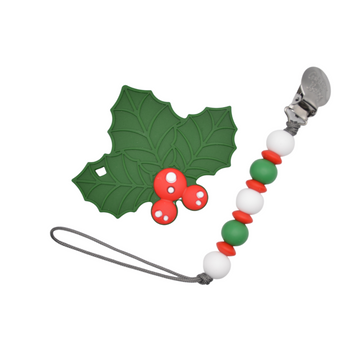
Golden Baby Holly Teether Set silicone pacifier clip...
$9.99
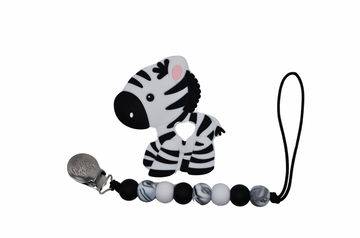
Golden Baby Zebra Teether Set Silicone Pacifier Clip...
$14.99

The Molar Grippie Stick
$4.99
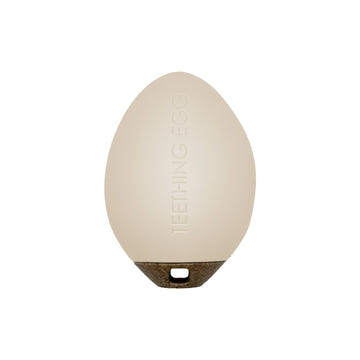
The Teething Egg Amber Core Teething Egg with Baltic...
$23.95
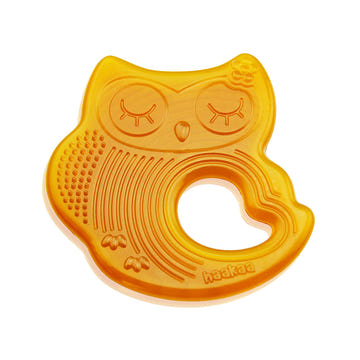
Haakaa Sleeping Owl Natural Rubber Teether 8cm 1 pk
$10.99
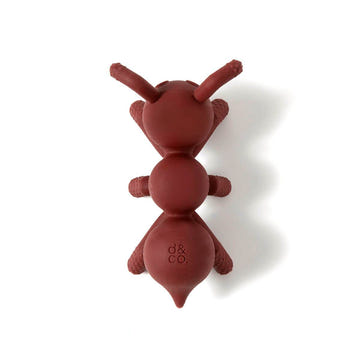
Doddle & Co Ant-icipation Chew 100% Silicone Teether...
$9.99
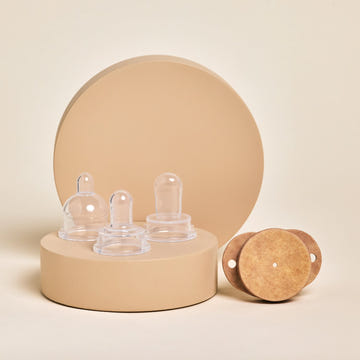
Pacifier Starter Kit
$50.00
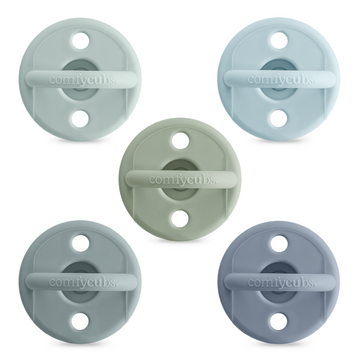
Comfy Cubs Pacifiers Multicolor Boy 5 Pack Silicone
$14.99
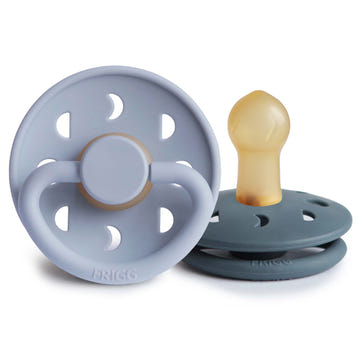
Mushie FRIGG Moon Natural Rubber Pacifier 2-Pack Sof...
$14.99
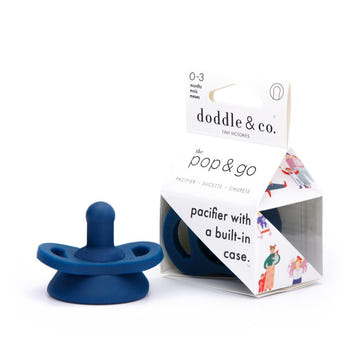
Doddle & Co Pop & Go Pacifiers Navy 100% Silicone
$9.99