


Just when you thought you had your baby’s sleep figured out, they suddenly start waking up more often, crying at night, and fighting naps. Welcome to the 4-month sleep regression—a completely normal (and temporary) phase in your baby’s development.
Dr. Hannah Lewis, Pediatric Sleep Specialist:
“The 4-month regression is not a setback—it’s a progression. It reflects major changes in how your baby’s brain processes sleep.”
What Is the 4-Month Sleep Regression?
Around 3–5 months of age, many babies go through a sudden change in sleep behavior. Their sleep cycles mature, becoming more like an adult’s, with lighter stages of sleep between deep ones. This means they now wake more easily between cycles—and often need help falling back asleep.

Picks From This Story
Picks related to this guide, ready to ship from Moogco.

Swaddelini Grey Swaddle Sleep Sack 3D Knit Seamless ...
$54.95

Swaddelini Lavender Swaddle Sleep Sack 3D knit light...
$54.95

Swaddelini Pink Swaddle Sleep Sack 3D Knit Seamless
$54.95

Swaddelini Blue Swaddle Sleep Sack 3D Knit Seamless
$54.95

Swaddelini Orange Swaddle Sleep Sack 3D Knit Seamless
$54.95
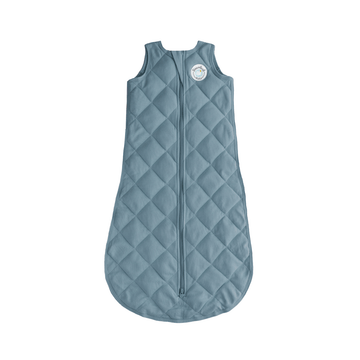
Dreamland Baby Dream Weighted Sleep Sack 1.0 TOG 68-...
$109.00
Common Signs of the 4-Month Sleep Regression
-
Frequent night wakings
Safe sleep, sweeter nightsBetter baby sleep starts here
Take 20% off at checkout, applied automatically when you shop through this link.
Shop with MOM20 →Free US shipping over $100. Code applies automatically at checkout.
-
Shorter naps or skipped naps
-
Increased fussiness or crying
-
Difficulty falling asleep (even when tired)
-
Needing more help to settle (rocking, nursing, etc.)
💡 Good news: This stage usually lasts 2–6 weeks.
Why It Happens
✔️ Neurological development: Brain growth triggers more active and lighter sleep cycles
✔️ Increased awareness: Baby notices their surroundings more and may struggle to self-soothe
✔️ Growth spurt: More calories and comfort may be needed
✔️ Emerging motor skills: Rolling, kicking, and movement can interfere with sleep
More Related Picks
A few more favorites from the same collection.

8 Sheep Organics Juniors Bedtime Lotion deep sea mag...
$23.00

Sell My Stuff Elephant Plush Baby Sleep Pillow 30 35...
$40.00

Xander Bunny — Lavender Stuffed Bunny | Weighted Cal...
$45.00
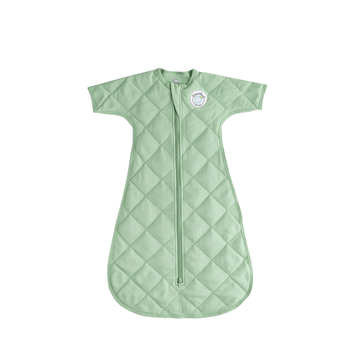
Dreamland Baby Dream Weighted Transition Swaddle arm...
$109.00

Little Martin's Drawer 100% Organic Cotton Sleep Sac...
$38.00

Full-Size Montessori Floor Bed Strong Slatted Frame
$259.99
How to Support Your Baby Through It
1. Stay Consistent With Sleep Routines
-
Use calming, predictable bedtime and nap routines
-
Dim lights, reduce stimulation, and create a wind-down ritual
2. Encourage Daytime Sleep
-
Overtired babies sleep worse at night
-
Offer naps every 1.5–2.5 hours depending on your baby’s age
3. Allow for Independent Settling
-
If safe and appropriate, give your baby a few minutes to resettle during night wakings
-
Try placing baby in the crib drowsy but awake
4. Feed Responsively
-
Sleep regression often coincides with growth spurts—offer extra feeds if needed
-
Night feeding is still normal at this age
5. Take Care of Yourself, Too
-
Trade off night shifts with a partner if possible
-
Nap during the day or ask for support—you need rest, too
The Role of Moogco Silver Nursing Cups
If you’re breastfeeding during a sleep regression, frequent feeds and cluster nursing can cause nipple discomfort.
Moogco Silver Nursing Cups offer natural relief with their antimicrobial, soothing properties—helping you nurse through even the most exhausting nights.
Final Thoughts: This Too Shall Pass
The 4-month sleep regression is tough—but temporary. It’s a sign your baby’s brain is growing and developing new sleep patterns. With patience, routine, and gentle support, you’ll both adjust to this new stage and move toward more restful nights ahead.
🛒 Discover sleep tools and mama support essentials at Moogco Baby
Bring this guide home with 20% off.
Use code MOM20 for 20% off →
Frequently Asked Questions
Can the 4-month sleep regression happen earlier than 4 months?
Yes, the 4-month sleep regression can begin anytime between 3 and 5 months, and some babies experience it as early as 12 weeks. Every baby develops at their own pace, so the timing can vary. The key is recognizing the signs rather than watching the calendar.
Should I start sleep training during the 4-month regression?
Most experts recommend waiting until the regression passes before starting formal sleep training. Your baby is adjusting to new sleep cycles and needs extra support and comfort right now. Focus on consistent routines and gentle settling techniques, then reassess once things stabilize.
Will my baby ever sleep through the night again after this regression?
Absolutely. The 4-month sleep regression is temporary, typically lasting 2 to 6 weeks. Once your baby adjusts to their new sleep patterns and you establish consistent routines, longer stretches of sleep will return. Hang in there, mama, better nights are ahead.
Is it normal for my baby to wake every hour during the regression?
While frustrating, hourly wakings can happen during the 4-month regression as your baby learns to navigate lighter sleep cycles. If it persists beyond a few weeks or you're concerned, check in with your pediatrician. In the meantime, focus on safe sleep practices and rest when you can.
Does formula feeding vs. breastfeeding affect the 4-month sleep regression?
No, the 4-month sleep regression affects all babies regardless of feeding method because it's driven by brain development, not nutrition. Both breastfed and formula-fed babies go through the same neurological changes that trigger more frequent wakings and lighter sleep.
Can teething cause the 4-month sleep regression?
Teething and the 4-month regression are separate issues, though they can overlap and make things harder. The regression is caused by changes in sleep architecture, while teething brings physical discomfort. If you suspect teething, look for drooling, gum sensitivity, or a low-grade fever alongside sleep changes.
How do I know if it's the regression or something else is wrong?
The 4-month regression involves increased night wakings, shorter naps, and fussiness but your baby should still seem healthy otherwise. If your baby has a fever, refuses feeds, seems lethargic, or shows other concerning symptoms, contact your pediatrician to rule out illness or discomfort.
Should I move my baby to their own room during the 4-month regression?
There's no need to make big changes during the regression. The AAP recommends room sharing for at least the first 6 months, and moving your baby during a sleep disruption can add more stress for everyone. Wait until sleep stabilizes, then make the transition if you choose.
From Moogco Studio
Printable and personalized nursery essentials. Designed by moms for moms.


About the Editor
Eda Ulger is the editor at Moogco Baby and a mom of two. She curates and edits our guides so every piece is honest, practical, and genuinely helpful for the early days of motherhood.
Shop This Story
Picks related to this guide, ready to ship from Moogco.
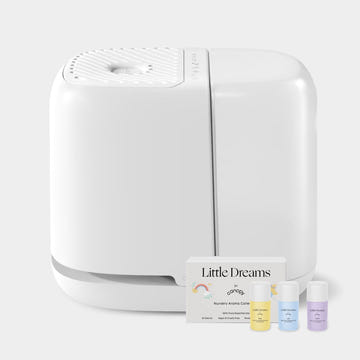
Canopy Nursery Humidifier 2.0 mold-inhibiting dishwa...
$159.00

Burt's Bees Baby Beekeeper Wearable Blanket
$24.95

100% Organic Cotton 1.0 Tog Sleeping Bag with Legs S...
$30.00
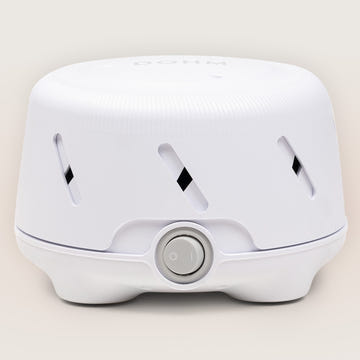
Dohm Uno
$36.99
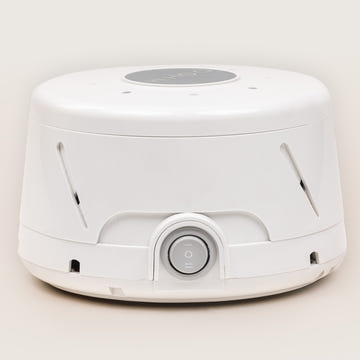
Dohm Classic
$49.99

Healthy Horizons Miracle Blanket one-size swaddle 10...
$32.95

Twin Montessori-Inspired Floor Bed with Guardrails
$199.99

WildBird Dove CloudBlend Sleep Sack TOG 1 Blue grey
$44.00

Hubble Connected Hubble Dream+ Comfort Cloud Sleep S...
$124.99
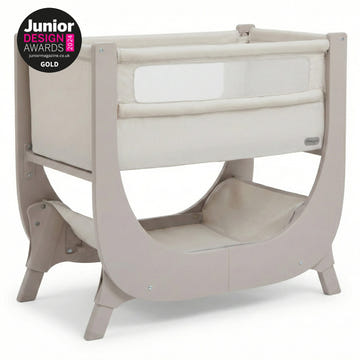
Shnuggle Air Lite Bedside Bassinet | Infant Crib | H...
$295.00