


Yes, car seats really do expire. It might sound a bit odd, it's not like a gallon of milk, after all, but that date stamped on the plastic is one of its most important safety features. It’s not a sales gimmick; it’s a carefully calculated guideline to ensure your child has the best protection possible when you're on the road.
Quick answer: Most car seats expire 6 to 10 years after their date of manufacture (not the date you bought them). Infant seats usually last about 6 years, convertible seats 7 to 10 years, and boosters up to 10 years. You'll find the exact date on a sticker or stamped into the plastic shell of your seat.
How Long Are Car Seats Good For? A Brand-by-Brand Look
Every manufacturer sets its own useful life based on crash testing and materials. Here's what the major brands typically allow, so you know roughly what to expect before you go hunting for the sticker on your own seat.
| Brand | Typical Lifespan | Notes |
|---|---|---|
| Graco | 10 years | Applies to most current seats and bases. |
| Chicco | 6 to 8 years | Infant seats and bases about 6 years; convertibles and boosters about 8. |
| Britax | 6 to 10 years | Infant seats about 6 years; convertibles 7 to 10 depending on model. |
| Evenflo | 6 to 10 years | Most seats 6 years; some all-in-one models go longer. |
| Safety 1st / Cosco | 8 to 10 years | Varies by model; check the shell stamp. |
| Maxi-Cosi | 8 to 10 years | Varies by model. |
| Nuna | 7 to 10 years | Infant seats about 7 years; convertibles up to 10. |
| UPPAbaby | 7 to 10 years | Infant seats about 7 years; boosters longer. |
| Clek | 9 years | One of the longest standard lifespans. |
| Cybex | 7 to 11 years | Varies widely by model; check your manual. |
These are typical lifespans for models sold in recent years, and manufacturers do update them. Your seat's own label and manual are always the final word, so check them first.
Why Your Car Seat Has an Expiration Date


It’s easy to look at a sturdy car seat and think it should last forever. But the truth is, its ability to keep your child safe weakens over time. This isn't just about the Cheerios ground into the crevices or the visible scuffs; it's about the invisible breakdown of materials and the constant march of safety innovation.
NHTSA-rated picks for every stage
Pick the right car seat with confidence
Take $15 off at checkout, applied automatically when you shop through this link.
Shop with READER15 →Free US shipping over $100. Code applies automatically at checkout.
Material Breakdown and Advancing Technology
When you boil it down, car seat expiration comes down to two key things. Both are equally critical to your child's safety, and they're the reason that "Do Not Use After" date is non-negotiable.
-
Invisible Wear and Tear: The core components of a car seat, the plastic shell, the energy-absorbing foam, and the harness straps, all break down over time. Constant exposure to sunlight and hot/cold cycles weakens these materials, making them less effective at doing their job in a collision.
-
Ever-Improving Safety Standards: Car seat technology gets better every single year. Engineers are constantly developing new features and designs based on the latest research. An older seat, even one that looks brand new, simply won't meet the same demanding safety standards as a modern one.
Think of a car seat’s expiration date as its built-in retirement plan. It ensures the seat is taken out of service before its materials become untrustworthy and after it's been surpassed by newer, safer technology.
Most car seats last between six to ten years from their date of manufacture. You'll often find that infant car seats have a shorter lifespan of around six years, while some of the bigger all-in-one seats are designed to last up to ten years.
This timeline is also a great reason to be cautious about using a secondhand seat. You just can't be sure of its history, it could have been in an accident, cleaned with harsh chemicals, or even subject to a recall. As you can read more about over at The Bump, sticking to that car seat expiration date is a straightforward way to give your little one the safest ride, every time.
Picks From This Story
Picks related to this guide, ready to ship from Moogco.
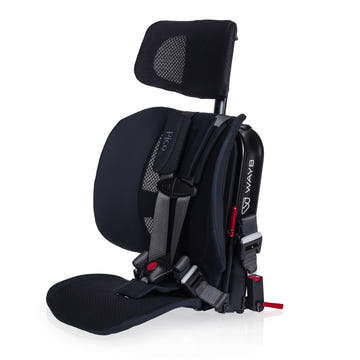
WAYB Pico Portable Car Seat 8 lb Fits Airplane Bins
$499.00
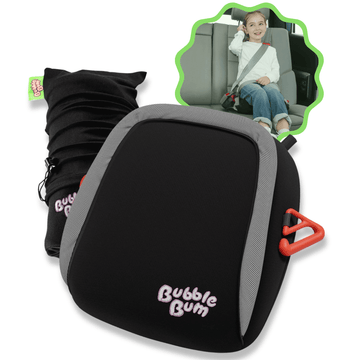
BubbleBum Inflatable Travel Booster Seat Black Ages ...
$40.00
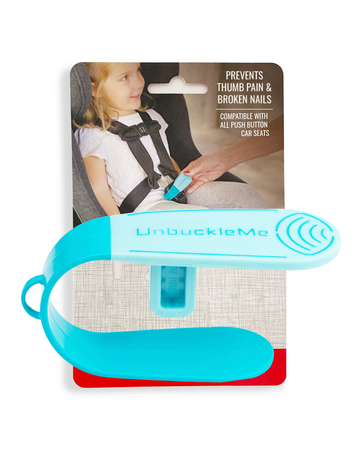
UnbuckleMe Car Seat Buckle Release Tool
$14.99
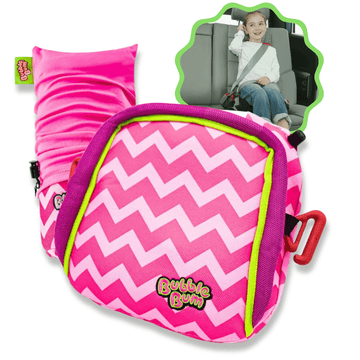
BubbleBum Inflatable Car Booster Seat Pink Travel Bo...
$40.00
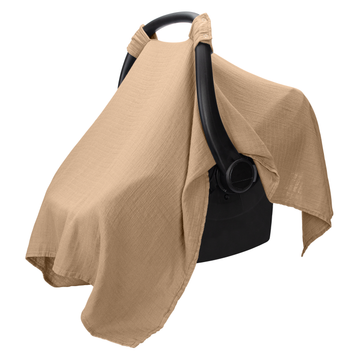
Comfy Cubs Baby Car Seat Cover Cedar Bamboo Muslin
$19.99
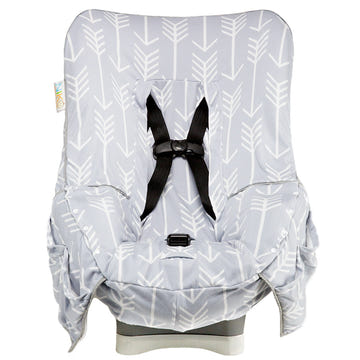
NIKO Easy Wash Children's Car Seat Cover in 100% Cot...
$48.99
The Hidden Dangers of an Old Car Seat
At first glance, an older car seat might look perfectly fine. The fabric isn't torn, the buckles still click shut, and there are no obvious cracks. So, what’s the big deal? The most serious risks are the ones you can’t see, lurking just beneath the surface.
The two main culprits behind car seat expiration are the slow breakdown of materials and the fast-paced evolution of safety technology. Getting a handle on these hidden dangers is key to understanding why that "Do Not Use After" date is so non-negotiable.
The Invisible Breakdown of Materials
Think about a plastic lawn chair or a kid's outdoor toy that's been left in the backyard for a few years. After baking in the summer sun and freezing through a few winters, it gets brittle and weak. A car seat lives in that same kind of harsh environment, your car.
The inside of your vehicle can feel like an oven in July and a freezer in January. This constant cycle of extreme temperature swings puts a ton of stress on the car seat's plastic shell.
Over time, that stress creates micro-fractures deep within the plastic. These tiny, invisible cracks weaken the seat's structure. It might look solid, but its ability to absorb and manage the massive forces in a crash is seriously compromised.
And it’s not just the main plastic shell that wears down:
- Harness Straps: The webbing can stretch, fray, and weaken from daily use, sunlight, and the inevitable spills.
- Internal Foam: The special energy-absorbing foam that protects your child can get brittle and won't compress the way it's designed to in an impact.
- Metal Components: Buckles, clips, and adjusters can rust or wear out, creating a risk of failure when you need them to hold strong.
The Evolution of Safety Technology
Just like smartphone technology has made huge leaps in the last decade, car seat safety engineering is constantly getting better. Safety standards get tougher, and brilliant new features are developed based on the latest research and crash test data.
An older seat is basically a time capsule of the safety standards from the year it was manufactured. That means it's likely missing out on key innovations that are now considered essential.
Using an expired car seat is like relying on a ten-year-old cell phone. Sure, it might still make calls, but it lacks the security, speed, and features of a new device. An old car seat just can't offer the same level of advanced protection as a modern one.
A seat that's just a few years past its expiration date could be missing features like:
- Advanced Side-Impact Protection: Newer seats have much deeper side wings and special foams specifically designed to shield a child’s vulnerable head and torso in a side-impact crash.
- Improved LATCH Systems: Installation has gotten so much easier and more secure, which helps reduce the risk of improper installation, one of the most common and dangerous mistakes parents make.
- Better Materials: Engineers are always developing stronger, more resilient plastics and foams that do a better job of managing crash forces.
While most manufacturers in the U.S. set expiration dates between six to ten years, it's interesting to see how different parts of the world approach this. For example, Sweden, a global leader in child passenger safety, doesn't have strict expiration dates. Their experts have found that well-cared-for seats can stay safe for much longer. You can dig deeper into these different perspectives by reading about why car seats expire and the research behind it.
Even so, for parents here, sticking to the date stamped on your seat is the simplest way to ensure your child is protected by the latest safety standards. When you’re juggling feeding schedules and planning trips, which you can learn more about in our guide on flying with your baby, following these guidelines gives you priceless peace of mind.
At the end of the day, the car seat expiration date is a simple tool to help parents retire a seat before its materials become untrustworthy and its technology falls behind.
How to Find Your Car Seat's Expiration Date
Alright, you get why car seats have an expiration date. Now for the practical part: finding it. Think of it as a quick treasure hunt, the manufacturer tucks this crucial info away in a few standard spots, so you'll just need to do a little searching.
You’re looking for one of two things: a clear "Do Not Use After" date or a "Date of Manufacture" (often abbreviated as DOM). This info is almost always on a sticker or embossed right into the plastic shell of the seat.
This infographic gives a great visual of how time and the stress of a potential crash can weaken a car seat, which is exactly why that expiration date is so important.

As you can see, the materials break down over time, but a crash can cause immediate (and often invisible) damage. Either way, the seat needs to be retired for your child's safety.
Where to Look on the Car Seat
The easiest way to start is by taking the car seat completely out of your vehicle. This lets you turn it over and inspect it in good light, so you don't miss that all-important sticker or stamp.
Here are the most common places to find the date:
- On the Back of the Seat: Many brands put a big sticker right on the back that lists the model number, manufacture date, and expiration date all in one spot.
- On the Bottom of the Base: Flip the whole thing over. The underside is another go-to spot for stickers or stamped-in information.
- Under the Fabric Cover: Sometimes, the dates are molded directly into the plastic shell and hidden by the seat pad. Gently lift the fabric along the edges to take a peek underneath.
It seems simple enough, but finding this information isn't always a given. It's a bit shocking, but market surveys have found that many car seats have surprisingly unclear labeling. One study, for example, discovered that only 2.4% of seats surveyed had a clear manufacture or expiry date, leaving parents guessing. You can read more about these important car seat safety findings from Transport Canada.
What if I Can Only Find the Manufacture Date?
If your seat only has a Date of Manufacture (DOM), don’t sweat it! You can still figure out its expiration date. This is where your owner's manual becomes your best friend.
Your car seat manual is the ultimate source of truth. It will clearly state the seat's "useful life," with a phrase like, "This seat expires 7 years after the date of manufacture."
Misplaced the manual? It happens to the best of us. Just head to the manufacturer's website and search for your seat's model number, you can almost always find a digital PDF version. From there, just add the lifespan (whether it's 6, 8, or 10 years) to the DOM, and you'll have your exact expiration date.
Getting all your gear sorted out before the baby comes is a huge relief, and this is one of those small but vital tasks to tick off your list. For more help, check out our guide on the last-minute essentials you'll need before the baby arrives.
What to Do with an Expired Car Seat

So, you’ve discovered your car seat has officially expired. Now what? Your top priority is to make absolutely sure no one else can use it. It might be tempting to leave it on the curb or drop it at a thrift store, but please don't, it’s a major safety hazard.
An unsuspecting parent could easily pick it up, completely unaware of the car seat expiration or the invisible breakdown of its materials. The good news is that it’s incredibly simple to make sure that doesn’t happen and to protect other little ones from this risk.
Preparing Your Car Seat for Disposal
Before you toss or recycle the seat, you have to make it completely unusable. This is the most important step. It prevents anyone from pulling it out of the trash and putting a child in danger. It only takes a few minutes, but it provides real peace of mind.
Here’s how to safely decommission your old car seat:
- Cut the Harness Straps: Grab a pair of strong scissors and snip every last strap. Make sure they are completely severed and removed from the seat so they can’t be reattached.
- Remove Soft Goods: Pull off all the fabric padding, infant inserts, and comfort covers. Not only does this help with the recycling process, but it also makes the seat look obviously out of commission.
- Mark the Shell: With a permanent marker, write "EXPIRED - DO NOT USE" in big, bold letters all over the plastic shell. This leaves no doubt for anyone who might come across it.
Taking these steps ensures your old car seat ends its journey safely and doesn't accidentally put another child in danger. It's a small act that makes a huge difference in community safety.
Getting rid of old baby gear is just one piece of the puzzle. For a full look at keeping your home safe, check out our guide on creating a safe home environment for your baby , which walks you through everything from the nursery to the kitchen.
Eco-Friendly Disposal Options
Once you've taken the seat apart, you have a couple of great options that are much better for the planet than just sending it to a landfill. Millions of car seats are retired every year, and recycling them keeps a staggering amount of plastic and metal out of our dumps.
Here are a few responsible ways to dispose of your seat:
- Retailer Trade-In Events: Keep an eye out for trade-in events at big-box stores like Target and Walmart. A few times a year, they let you bring in any old car seat, no matter its condition, and give you a coupon for a new one or other baby gear. They work with special recyclers to break down the seats properly.
- Local Recycling Programs: Some towns and counties have dedicated recycling programs for bulky plastics like car seats. A quick search for "car seat recycling near me" should tell you if your local facility is set up for it. They have the right equipment to separate all the different materials.
- Manufacturer Programs: A handful of brands, like Clek, have their own mail-in recycling programs. You might have to pay a small fee for shipping, but it's a fantastic and convenient option if you don't have a local recycling center that accepts them.
More Related Picks
A few more favorites from the same collection.

Micro Preemie No Touching Car Seat Sign Tag
$9.00

Black and White No Touching Baby Car Seat Sign Tag
$9.00

Blue Arrows No Touching Newborn Baby Car Seat Sign Tag
$9.00
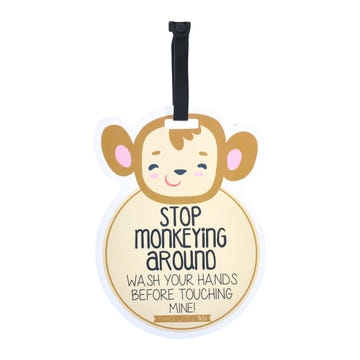
Monkey Wash Your Hands No Touching Newborn Baby Car ...
$9.00
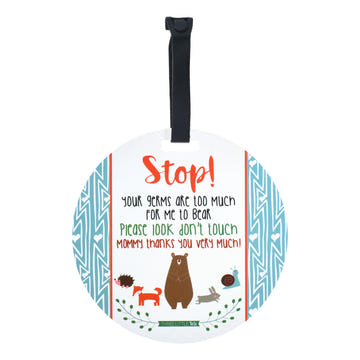
Woodlands No Touching My Newborn Car Seat Sign Tag
$9.00
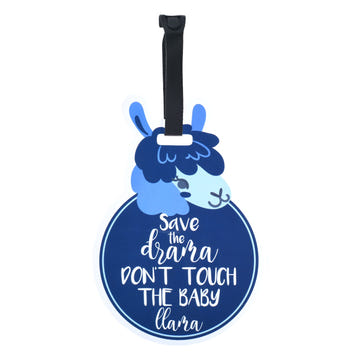
Blue Llama No Touching Baby Car Seat Tag
$9.00
Choosing a New Car Seat for Maximum Safety
Okay, so it's time to replace that old car seat. Think of this not as a chore, but as a fantastic chance to upgrade your child’s safety with the newest materials and features out there. Now that you understand why car seat expiration dates are so important, you can shop for a new one with total confidence.
Here’s a little trick I always share with new parents: once you’ve picked a seat you like, check the box for the Date of Manufacture (DOM). A car seat can sit on a store shelf for months, so grabbing the one that was made most recently ensures you get the longest possible lifespan out of it.
Making a Smart Long-Term Investment
For expecting parents, a top-notch car seat is usually one of the big-ticket items on the baby registry. Adding it to your list is a great way for loved ones to give a gift that truly matters, providing safety and peace of mind for years. If you're currently putting together your registry, our guide on preparing for baby with essential items to buy before birth can help you figure out what you really need.
When you're browsing, think about how the seat will grow with your child. Infant-only seats are perfect for those first few months, but babies outgrow them fast, usually within a year.
Choosing a convertible or all-in-one car seat can be a smart, cost-effective decision. These models are designed to adapt as your child grows, transitioning from rear-facing to forward-facing and sometimes even to a booster, offering up to a decade of safe travels.
This approach doesn't just save you money down the line; it also means you won't have to go through the car seat shopping hassle every couple of years. Plus, your little one gets to stay in a seat they're already comfortable and familiar with as they grow.
Your New Car Seat Buying Checklist
Feeling a bit overwhelmed by the wall of car seats at the store? I get it. The key is to focus on a few core factors to find the perfect match for your family, your car, and your budget.
This checklist will help you cut through the noise and make a confident choice.
New Car Seat Buying Checklist
| Checklist Item | Why It's Important | Notes |
|---|---|---|
| Check the Date of Manufacture | Maximizes the seat's lifespan from the moment you buy it. | Look for the sticker on the box or the seat itself. |
| Ensure It Fits Your Vehicle | A poor fit can compromise safety. It needs to be snug and secure. | Ask if you can test the floor model in your car before buying. |
| Prioritize Ease of Use | A seat that's easy to install and adjust is more likely to be used correctly. | LATCH systems, no-rethread harnesses, and clear labels are huge helps! |
| Read Reviews from Other Parents | Real-world feedback is invaluable for day-to-day use. | Look for comments on comfort, cleaning (spills are inevitable!), and customer service. |
By retiring your old car seat the right way and choosing a new one with care, you’re making one of the most critical safety decisions you can as a parent. Now you’re all set to hit the road, knowing your little one is buckled in safely with the best protection available.
Bases, Accidents, and Secondhand Seats: The Gray Areas
Once you’ve got a handle on the basics, you might still find yourself with a few lingering questions. It's totally normal. As a parent, you just want to know you're making the safest choice every single time.
Let's walk through some of the most common head-scratchers that pop up for parents. Think of this as your go-to guide for those tricky gray areas, so you can feel confident your little one is as safe as can be.
Does the Car Seat Base Expire Too?
Yes, it sure does. The base is an essential part of the safety system, made from the very same plastic as the seat itself. It lives in your car, enduring the same freezing winters and scorching summers that cause that plastic to weaken and get brittle.
The base is built to absorb massive forces in a crash, so its structural integrity is non-negotiable. Always check for a separate expiration date sticker, which is usually plastered on the bottom. If you can't find one, the base officially expires right along with the car seat it was sold with. Never, ever mix an expired base with a new seat.
What if My Car Seat Was in a Minor Accident?
This is a big one. The absolute safest rule to live by is to replace a car seat after any crash, no matter how minor. The forces at play in a collision are powerful enough to cause tiny, invisible stress fractures in the plastic shell that you’d never be able to spot.
Now, some manufacturers follow the National Highway Traffic Safety Administration (NHTSA) guidelines, which say a seat might be okay after a truly minor fender-bender if it meets a checklist of strict criteria (like the car being drivable and the door nearest the seat being undamaged). But the only way to be 100% sure is to call the car seat company and ask about their policy. On the bright side, many insurance policies will even help cover the cost of a new one.
When in doubt, replace the seat. It’s just not worth the risk. A car seat’s one and only job is to protect your child, and any crash, big or small, can compromise its ability to do that in the future.
Can I Use a Seat That Looks Brand New but Is Expired?
The answer is a firm no. You should never use an expired car seat, even if it looks like it was just unboxed yesterday. The biggest dangers of an expired seat are the ones you can't see.
Here's why that pristine-looking seat is a safety risk:
- Invisible Breakdown: Over the years, the plastic becomes brittle. In a crash, it could shatter instead of absorbing the impact the way it was designed to.
- Outdated Tech: Safety standards and technology are always improving. An older seat simply won't have the same life-saving features, like better side-impact protection, that new models offer.
Sticking to the car seat expiration date is a simple but powerful way to make sure your child is protected by modern safety standards and reliable materials. And speaking of being prepared, knowing what to do in other emergencies is just as important. You can brush up on the essentials with our guide to baby first aid basics every parent should know.
At Moogco Baby, we're here to support you with trusted gear and expert advice for every step of your journey. Explore our curated collection of safe, high-quality essentials for your little one at https://www.moogcobaby.com.
Bring this guide home with $15 off.
Use code READER15 for $15 off →
Frequently Asked Questions
How Long Are Car Seats Good For?
Most car seats are good for 6 to 10 years from their date of manufacture. Infant seats average about 6 years, convertible seats last 7 to 10 years, and boosters can go up to 10. The exact date is printed on a sticker or stamped into the plastic shell, and your owner's manual states the seat's useful life.
Do All Car Seat Brands Have the Same Expiration Timeline?
No, different manufacturers set different expiration periods based on their own testing and materials. Most range from six to ten years from the date of manufacture. Infant seats typically have shorter lifespans, around six years, while convertible and all-in-one seats often last closer to ten. Always check your specific seat's label for the exact date.
Can I Donate or Sell My Expired Car Seat?
Absolutely not. Using or passing along an expired car seat puts another child at risk, even if it looks perfectly fine. The safest thing to do is destroy the seat so it can't be used again, cut the straps, write "EXPIRED" on it in permanent marker, and dispose of it properly. Some retailers and fire stations offer recycling programs specifically for old car seats.
What Happens if I Don't Know My Car Seat's History?
If you're unsure whether a seat has been in an accident, exposed to a recall, or stored improperly, it's best not to use it. Secondhand seats can be a safety gamble because you can't see internal damage or know if crucial parts are missing. When your child's safety is on the line, investing in a new seat with a known history is always the smarter choice.
Will My Car Insurance Cover a New Seat After a Crash?
In most cases, yes. Many auto insurance policies will cover the cost of replacing a car seat that was in the vehicle during a collision, even a minor one. Contact your insurance company right away after any accident to find out your coverage and start the replacement process. Always replace a seat after any crash, no matter how small it seemed.
Are There Any Warning Signs That My Seat Is Wearing Out Early?
Yes, keep an eye out for visible cracks in the plastic shell, frayed or stretched harness straps, sticky or broken buckles, or foam that feels crumbly or compressed. If you notice any of these red flags, stop using the seat immediately, even if it hasn't reached its expiration date yet. Regular inspections, especially after extreme temperature changes, are a smart habit.
Do I Need to Register My Car Seat to Track Its Expiration?
Registering your car seat with the manufacturer won't affect its expiration date, but it's still incredibly important. Registration ensures you'll be notified directly if there's ever a recall or safety update for your specific model. You can usually register online in just a few minutes, and it gives you one more layer of protection for your little one.
Can Extreme Heat or Cold Speed Up Car Seat Expiration?
While the expiration date already accounts for typical wear and tear from temperature swings, extreme or prolonged exposure can accelerate the breakdown of materials. If your car is parked in direct sun for hours every day or in a very harsh climate, inspect your seat more frequently for signs of wear. The printed expiration date is still your hard deadline, but extra stress can cause earlier deterioration.
Is It Safe to Buy a Car Seat on Sale or Clearance?
Yes, as long as you carefully check the manufacture date and confirm it has plenty of life left before expiration. Stores sometimes clearance out older inventory, so a seat on sale might already be a few years old. Do the math to make sure you'll get several years of safe use, and always inspect the box to ensure it's unopened and undamaged.
From Moogco Studio
Printable and personalized nursery essentials. Designed by moms for moms.


About the Editor
Eda Ulger is a co-founder of Moogco Baby, the editor of the Moogco Baby Journal, and a mom of two. She curates and edits our guides so every piece is honest, practical, and genuinely helpful for the early days of motherhood.
Shop This Story
Picks related to this guide, ready to ship from Moogco.
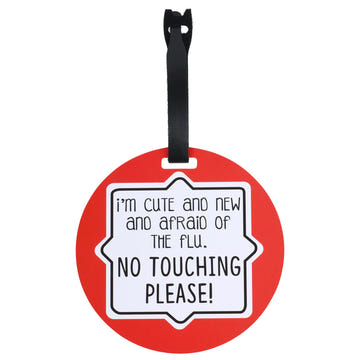
Cute & New Afraid of the Flu Car Seat Tag
$9.00
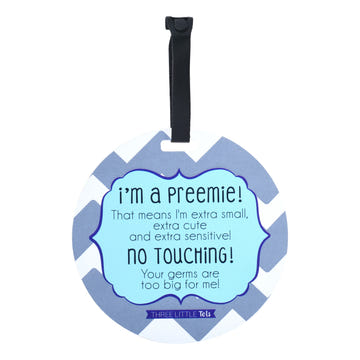
I'm A Preemie Boy No Touching Baby Car Seat Sign Tag
$7.00
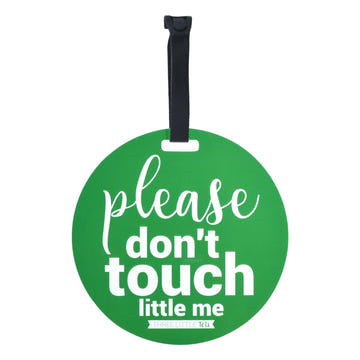
Green Please Don't Touch Little Me Newborn Car Seat ...
$9.00
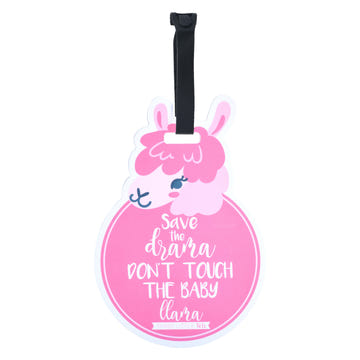
Pink Llama No Touching Newborn Baby Car Seat Sign Tag
$9.00
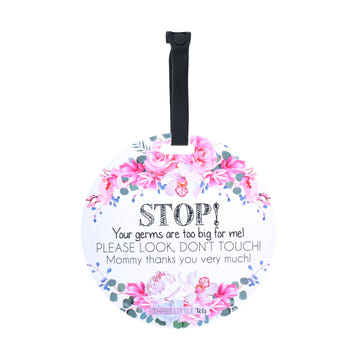
Flower No Touching Baby Car Seat Sign Tag
$9.00
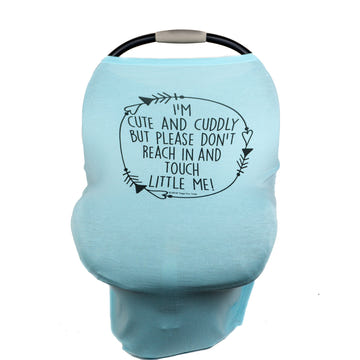
Light Blue Car Seat 5 in 1 Cover – I'm Cute & Cudd...
$9.00
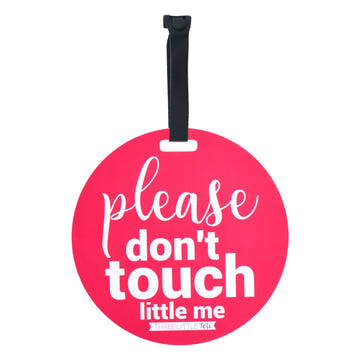
Pink Please Don't Touch Little Me Newborn Car Seat S...
$9.00

Girl Arrows Stop No Touching Newborn Baby Car Seat S...
$9.00
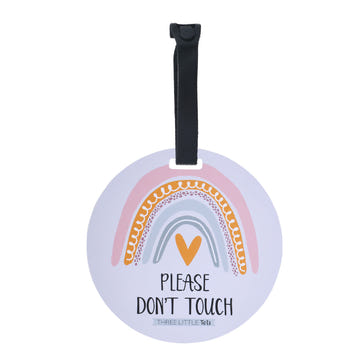
Rainbow Baby No Touching Car Seat Sign Tag
$9.00
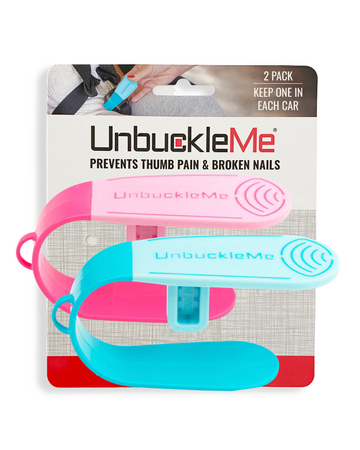
UnbuckleMe Car Seat Buckle Release Tool - Double Packs
$24.99