


Welcoming a newborn into your life brings immense joy, but it also comes with a host of new responsibilities and challenges. One of the primary concerns for new parents is ensuring their baby is getting enough nourishment. Establishing a feeding schedule for your newborn is crucial for their growth and development, as well as for maintaining your peace of mind. In this blog, we’ll explore the essentials of a newborn feeding schedule, tips for recognizing hunger cues, and how Moogco silver nursing cups can support you in your breastfeeding journey.
Understanding Newborn Feeding Needs
Newborns have small stomachs and high nutritional needs, requiring frequent feedings around the clock. During the first few weeks, your baby will likely need to feed every 2-3 hours, including during the night. This frequent feeding schedule supports their rapid growth and helps establish a good milk supply if you’re breastfeeding.
Feeding Schedule Guidelines
First Few Days: In the initial days after birth, your baby’s stomach is very small, and they will need to eat often. Expect to feed your newborn about 8-12 times in a 24-hour period. These early feedings may be short and frequent as your baby gets accustomed to nursing and your milk supply begins to establish.
Weeks 1-4: As your baby grows, their stomach capacity increases. Continue to feed on demand, which typically means every 2-3 hours. Each feeding session might last anywhere from 20 to 45 minutes. It’s important to watch for hunger cues and feed your baby when they show signs of hunger rather than sticking strictly to the clock.
Months 1-3: By the end of the first month, your baby might start to develop a more predictable feeding pattern. You might find that feedings space out a bit more, but it’s still common for babies to feed 8-12 times per day. Some babies might start to sleep longer stretches at night, which can slightly extend the time between nighttime feedings.
Months 3-6: As your baby continues to grow, their feeding frequency may decrease slightly, but they will consume more milk at each feeding. Expect around 7-9 feedings per day. This period is also when many mothers return to work, so introducing pumping and bottle feeding might become part of your routine.
Recognizing Hunger Cues
Understanding your baby’s hunger cues is crucial for establishing an effective feeding schedule. Common hunger cues include:
- Rooting: Your baby turns their head towards your hand when you touch their cheek.
- Sucking on hands or fingers: This indicates they are ready to eat.
- Fussiness or crying: Often a late sign of hunger, it’s best to feed before your baby reaches this stage.
- Opening and closing mouth: Your baby might make sucking noises or gestures.
Responding to these cues promptly helps ensure your baby is getting enough nourishment and supports a more predictable feeding routine.
Tips for Establishing a Feeding Schedule
Feed on Demand: In the early weeks, feeding on demand is the best approach. This helps your baby get the nutrition they need and helps you establish a good milk supply if you’re breastfeeding.
Track Feedings: Keep a log of feeding times and durations. This can help you notice patterns and make adjustments as needed.
Be Flexible: Every baby is different, and what works for one might not work for another. Be flexible and willing to adjust your schedule based on your baby’s needs.
Nighttime Feedings: Expect to wake up for nighttime feedings, especially in the first few months. Creating a comfortable environment for nighttime nursing can make these sessions more manageable.
Support from Moogco Silver Nursing Cups
Breastfeeding frequently, especially during the night, can lead to sore and cracked nipples. Moogco silver nursing cups provide natural antibacterial protection, promoting healing and preventing infections. This ensures that you can breastfeed comfortably, reducing disruptions to both you and your baby’s routine. The smooth surface of the cups reduces friction and irritation, providing continuous comfort, especially during those frequent feeding sessions.
Conclusion
Establishing a feeding schedule for your newborn is essential for their growth and your peace of mind. Understanding your baby’s feeding needs, recognizing hunger cues, and being flexible with your schedule can make the process smoother. Remember that frequent feedings are normal and necessary for newborns, and tools like Moogco silver nursing cups can support you by providing comfort and protection during your breastfeeding journey. Embrace this special time with confidence, knowing you have the resources to nourish and nurture your baby effectively.
Bring this guide home with 20% off.
Use code MOM20 for 20% off →
Featured pick from Moogco
Booginhead Baby LED Weaning 5-Piece Essentials Kit
$29.99
Shop this pick → Frequently Asked Questions
How do I know if my newborn is getting enough milk during feedings?
You can tell your baby is getting enough milk by monitoring wet and dirty diapers. In the first week, expect at least one wet diaper per day of life, increasing to 6-8 wet diapers daily by day six. Your baby should also be gaining weight steadily and seem satisfied after feedings. If you have concerns, consult your pediatrician for a weight check.

Is it normal for my newborn to want to eat every hour sometimes?
Yes, cluster feeding is completely normal, especially in the evening hours and during growth spurts. Your baby may bunch feedings close together to boost your milk supply or for comfort. These frequent feeding periods are temporary and help establish your milk production. Stay hydrated, get comfortable, and let your baby nurse as often as needed during these phases.
Bottles, bowls, and baby-led picks
Picks From This Story
Picks related to this guide, ready to ship from Moogco.

momjug breastfeeding water bottle 50oz double-wall s...
$49.99
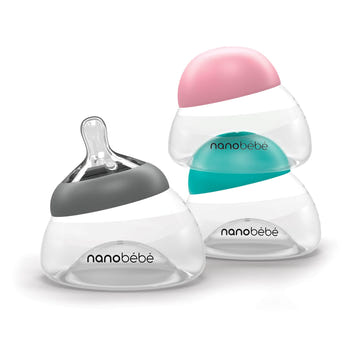
Nanobébé Breastmilk Baby Bottle 5 oz Pack Options Pi...
$16.99
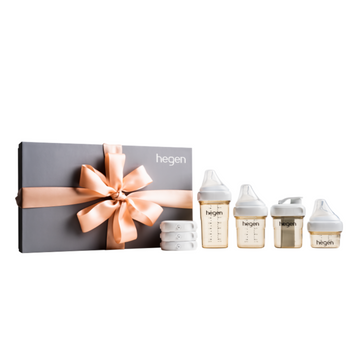
hegen PPSU Essentials Kit 60ml 150ml 240ml baby bottles
$99.99
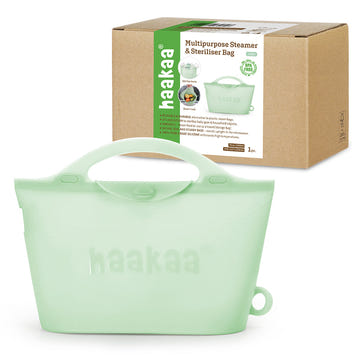
Haakaa Multipurpose Steamer & Sterilizer Bag 3 sizes...
$14.99
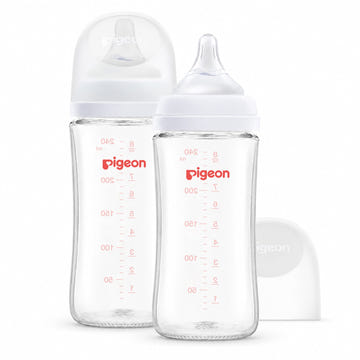
Pigeon Glass Wide Neck Baby Bottle 2-Pack 8.1 oz 3+ ...
$35.99
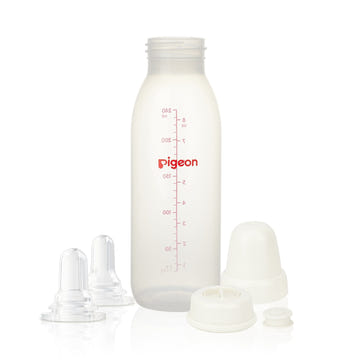
Pigeon Baby Cleft Lip/Palate Bottle 8.11 Oz 2 Nipples
$19.90
Mealtime, simplified
Take 20% off at checkout, applied automatically when you shop through this link.
Shop with MOM20 →Free US shipping over $100. Code applies automatically at checkout.
Should I wake my newborn to feed if they sleep longer than 3 hours?
In the first few weeks, yes, you should generally wake your baby if they sleep longer than 3-4 hours during the day to ensure they're getting enough nutrition and to maintain your milk supply. Once your baby has regained their birth weight and your pediatrician confirms healthy growth, you can typically let them sleep longer stretches at night. Always follow your pediatrician's specific guidance for your baby.
How long should each breastfeeding session last for a newborn?
Most newborn feeding sessions last between 20 to 45 minutes, with some babies nursing longer. Let your baby finish the first breast completely before offering the second, as the fatty hindmilk comes later in the feeding. Your baby will typically release the breast when finished. Don't watch the clock too closely, instead watch for signs that your baby is satisfied and swallowing actively.
Can I start a feeding schedule right away or should I wait?
For the first several weeks, it's best to feed on demand rather than imposing a strict schedule. This helps establish your milk supply and ensures your baby gets adequate nutrition during their most critical growth period. Around 2-3 months, you may notice natural patterns emerging that you can gently shape into a more predictable routine. Always prioritize your baby's hunger cues over the clock in the early weeks.
More Related Picks
A few more favorites from the same collection.
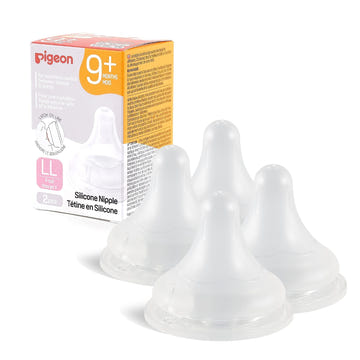
Silicone Nipple (LL), 9+ Months
$21.99
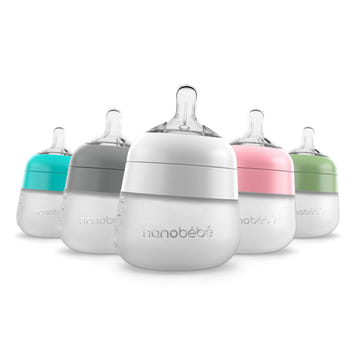
Nanobébé Flexy Silicone Baby Bottle 5oz
$16.99

Nanobébé Silicone Anti-Colic Baby Bottle Nipples Gen...
$5.99
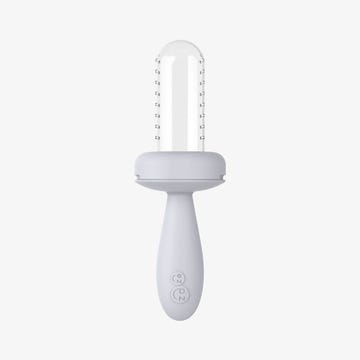
ezpz Baby-Led Gumline Feeder silicone pouch for baby...
$13.99
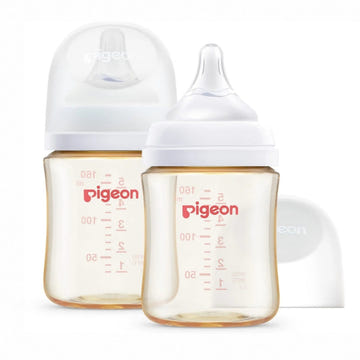
Pigeon PPSU Wide Neck Baby Bottle 2 Pack 5.4 oz Newborn
$34.99
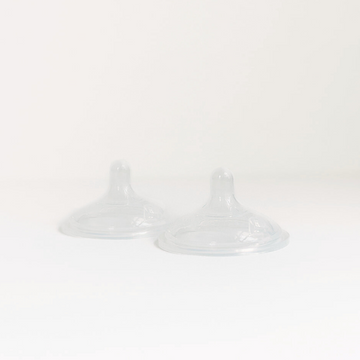
Mason Bottle Silicone Nipples 2 Pack Regular-Mouth B...
$12.99
What if my baby falls asleep at the breast before finishing a feeding?
It's common for newborns to fall asleep while nursing, especially in the first few weeks. Try gently stroking their cheek, changing their diaper, or removing some clothing to wake them. If they've nursed for at least 10-15 minutes and seem content, they may have gotten enough. Watch for adequate wet diapers and weight gain to ensure they're eating sufficiently, and don't hesitate to try again when they show hunger cues.
Do I need to feed from both breasts at every feeding session?
Not necessarily. It's best to let your baby fully empty one breast before offering the second, as the fattier hindmilk comes at the end of a feeding. Some babies are satisfied with one breast per feeding, especially as they get older and more efficient at nursing. Alternate which breast you start with at each feeding to maintain balanced milk production. Pay attention to your baby's cues and your comfort level.
How can I manage nighttime feedings without getting too exhausted?
Keep nighttime feedings calm and quiet with minimal light to help both you and baby return to sleep easily. Consider room sharing with a bassinet next to your bed to reduce the distance you need to travel. Prep everything you might need beforehand, and if possible, take turns with your partner for diaper changes. Remember that frequent night feedings are temporary, and using supportive products like Moogco silver nursing cups can reduce discomfort so you can rest better between sessions.
From Moogco Studio
Printable and personalized nursery essentials. Designed by moms for moms.


About the Editor
Eda Ulger is the editor at Moogco Baby and a mom of two. She curates and edits our guides so every piece is honest, practical, and genuinely helpful for the early days of motherhood.
Shop This Story
Picks related to this guide, ready to ship from Moogco.

better baby care Better Baby Bottle Pair Plastic-free
$45.00
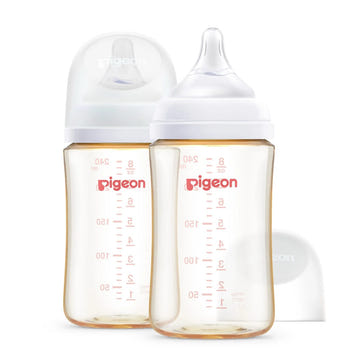
Pigeon PPSU Wide Neck Baby Bottles 2 Pack 8.1 oz 3+ ...
$35.99
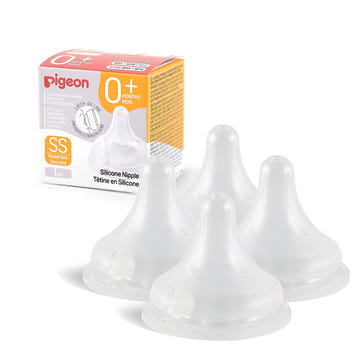
Pigeon Silicone Nipple SS 0+ Months Latch-On Line An...
$22.99
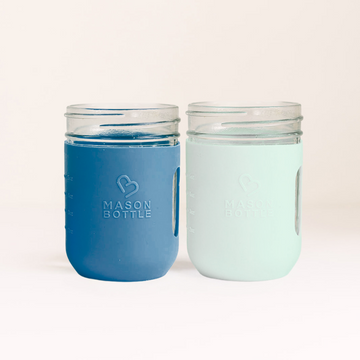
Mason Bottle Silicone Sleeve 2-Pack Fits 4 oz and 8 ...
$16.99
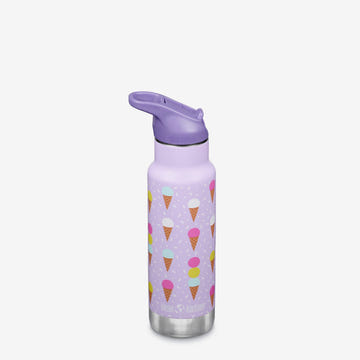
Klean Kanteen 12oz Kid's Classic Insulated Bottle Fl...
$25.95
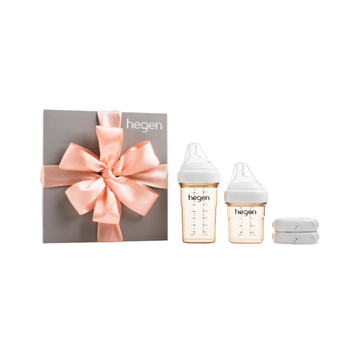
hegen PPSU Baby Bottle Starter Kit 150ml 240ml 0-6 m...
$59.99
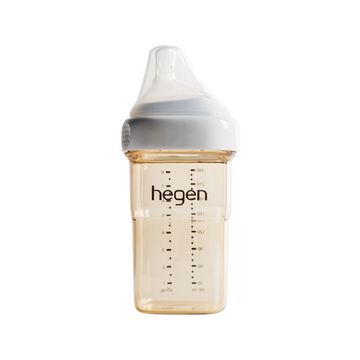
hegen PPSU Anti-Colic Baby Bottle 240ml White Medium...
$24.99
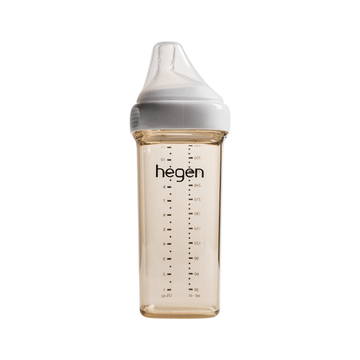
hegen PPSU Anti-Colic Baby Bottle 330ml 11oz White F...
$27.99
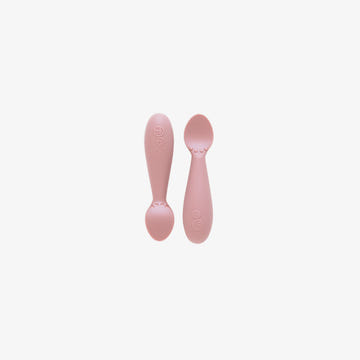
ezpz Baby-Led Tiny Spoons infant self-feeding spoons
$15.99
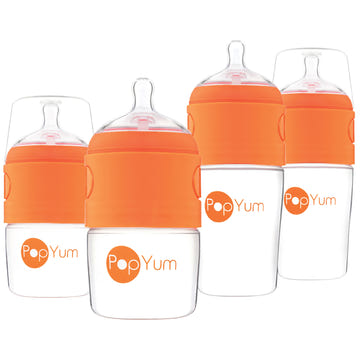
PopYum Baby Bottle Starter Set 4-Pack Orange 5oz 9oz
$44.99