


Yes, absolutely. For parents in the thick of it, Aquaphor is a reliable go-to for both preventing and treating mild to moderate diaper rash. It acts like a breathable shield for your baby’s sensitive bottom, locking out moisture and irritants while letting the skin underneath heal.
Understanding Aquaphor for Diaper Rash


If you're dealing with diaper rash, you're not alone. It's one of the most common baby skin issues out there, affecting anywhere from 7% to 35% of infants at any given time. This constant battle is why parents are always on the lookout for a product that truly works.
Rash-fighting picks moms reorder
Everything for diaper duty
Take 20% off at checkout, applied automatically when you shop through this link.
Shop with MOM20 →Free US shipping over $100. Code applies automatically at checkout.
Aquaphor has earned its spot in countless diaper bags because it pulls double duty. It doesn't just soothe existing redness; it's fantastic for prevention, too. By smoothing on a thin layer with every diaper change, you're creating a smart, semi-occlusive barrier. This barrier is key—it repels wetness while still allowing oxygen to flow, which helps keep skin healthy and lets it breathe.
Core Benefits and Key Ingredients
The secret to Aquaphor for diaper rash is its straightforward, powerhouse formula. The star ingredient, Petrolatum, is what forms that protective layer, but other ingredients work behind the scenes to help the skin recover.
To quickly break it down, here's what makes Aquaphor a parent-favorite for diaper rash care.
Aquaphor for Diaper Rash at a Glance
| Feature | Description |
|---|---|
| Primary Function | Creates a semi-occlusive barrier to protect skin from moisture and irritants. |
| Key Ingredient | 41% Petrolatum forms the protective seal against wetness. |
| Skin Soothers | Panthenol and Glycerin help moisturize and soothe irritated skin. |
| Ideal Use | Best for preventing diaper rash and treating mild to moderate irritation. |
| Safety Profile | Fragrance-free, preservative-free, and dye-free, making it gentle for sensitive skin. |
This table shows how Aquaphor’s simple, effective formula is designed to both protect and heal.
Let’s dig a little deeper into what these ingredients do.
- Protective Barrier: The Petrolatum (41%) is the workhorse. It establishes a gentle shield that keeps urine and stool—the primary causes of diaper rash—from sitting directly on the skin.
- Moisturizing Power: Ingredients like Glycerin and Panthenol are humectants, meaning they draw moisture into the skin and help restore its natural balance. This is crucial for healing.
- Versatile Use: Because it’s free of preservatives and fragrances, the formula is gentle enough for everyday use on a baby’s delicate skin.
At its core, Aquaphor works by creating an ideal healing environment. It locks in moisture to help repair the skin's natural barrier while simultaneously blocking external irritants.
This protect-and-moisturize strategy is precisely why so many pediatricians recommend it and why parents trust it as their first line of defense. For an even more detailed breakdown of the product, you can find a comprehensive Aquaphor Healing Ointment review here.
Picks From This Story
Picks related to this guide, ready to ship from Moogco.
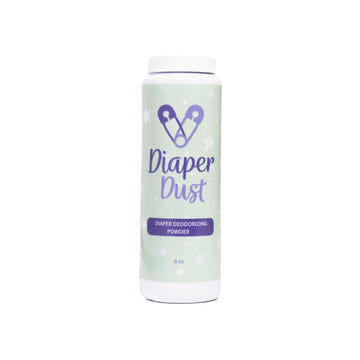
Diaper Dust - 8oz Bottle
$10.00
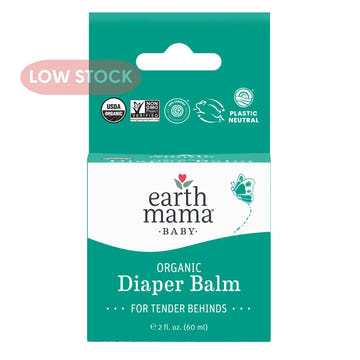
Organic Diaper Balm - Large Capacity for Parents
$13.99
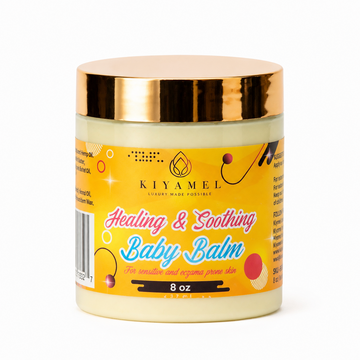
Kiyamel Baby Balm Natural Diaper Rash Cream 8 oz
$49.99
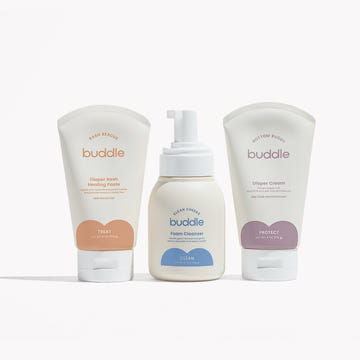
Buddle Skincare Diaper Rash System with Ceramides
$69.00
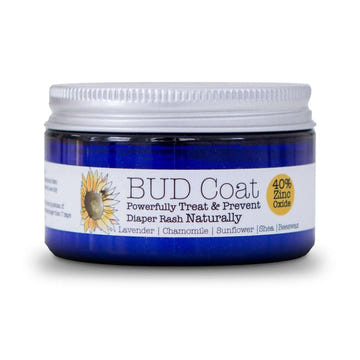
Lavender Life Company BUD Coat 40% Zinc Oxide Diaper...
$16.50
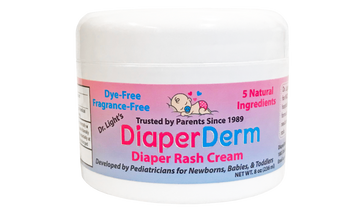
DiaperDerm 8oz jar diaper rash cream zinc oxide lanolin
$21.99
How Aquaphor Works to Heal and Protect
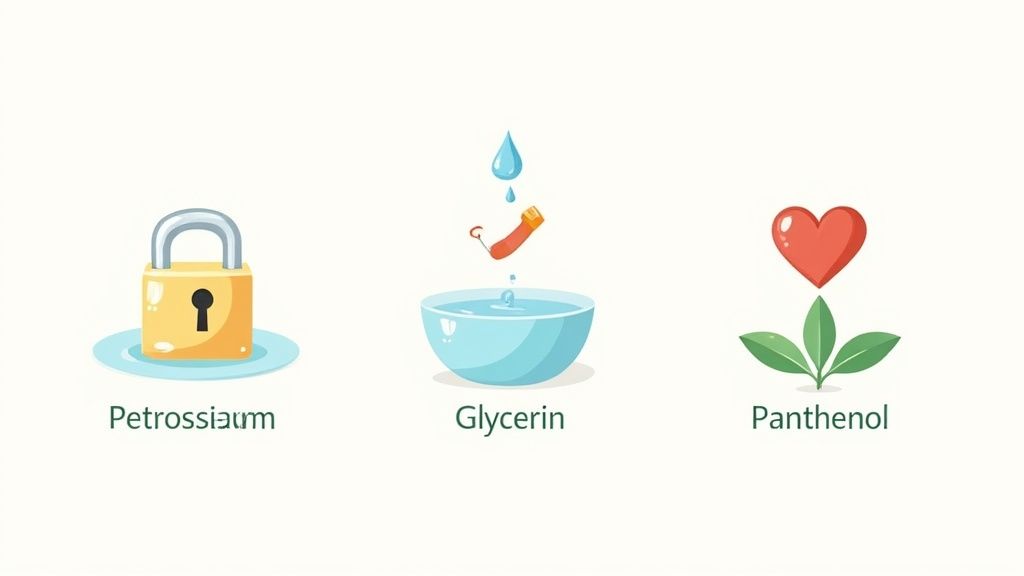
To really get why so many pediatricians and parents swear by Aquaphor, you have to look at how its gentle-yet-mighty formula actually works. Imagine your baby's skin is like a fragile new garden, and a wet diaper is a constant downpour. Aquaphor acts like a breathable shield, protecting that delicate skin from moisture and friction while letting it heal underneath.
The magic starts with its main ingredient: 41% Petrolatum. This creates what's known as a semi-occlusive barrier. It's not like wrapping the skin in plastic; instead, it’s a smart barrier that keeps the bad stuff (like wetness) out but allows oxygen to flow in. That airflow is crucial for preventing the soggy, warm environment where diaper rash loves to start.
The Soothing Support Crew
While petrolatum plays defense, a few other key ingredients are working to actively soothe and restore the skin. This is what makes Aquaphor more than just a barrier cream—it's a true healing ointment.
The two main players on the healing team are Panthenol and Glycerin.
- Panthenol: This is a form of Vitamin B5 that acts as a skin conditioner. It helps calm down redness and irritation, encouraging the skin to repair itself and easing inflammation.
- Glycerin: Think of glycerin as a tiny moisture magnet. It's a humectant, which means it pulls hydration into the skin's surface, keeping it soft and helping it heal faster.
This one-two punch is what makes Aquaphor for diaper rash so reliable. It doesn’t just block irritants; it actively helps your baby’s skin get back to its healthy, resilient self.
A Gentle Formula for the Most Delicate Skin
A huge part of Aquaphor's appeal is what's left out of the tube. The formula was created with the most sensitive newborn skin in mind. When you're a new parent, sticking to simple, clean ingredients is always a smart move. (You can find more guidance in our baby skin care 101 for new parents guide).
Aquaphor is intentionally free from the things you don't want on your baby's skin:
- Fragrance-Free: This dramatically lowers the risk of allergic reactions and sensitivity.
- Preservative-Free: Fewer chemicals mean less stress on your baby’s developing skin barrier.
- Dye-Free: No unnecessary additives that could trigger irritation.
Aquaphor’s power is in its simplicity. It creates the perfect healing zone by shielding skin from the outside world while actively moisturizing and soothing it from the inside.
This combination of a protective barrier and active healing ingredients ensures your baby's bottom isn't just protected, but is also getting everything it needs to recover and stay healthy, diaper change after diaper change.
Applying Aquaphor for Best Results
Getting the most out of any diaper cream is all about the application, and using Aquaphor for diaper rash is no different. Honestly, how you put it on is just as important as what’s in the tube. Following a few simple steps can make a world of difference, turning a routine diaper change into a real chance for healing.
Think of it like putting a bandage on a wound—you’d never put one on without cleaning the area first. The same idea applies here. Your goal is to create a clean, dry canvas before putting on that protective layer. This way, you’re sealing out wetness, not trapping moisture and irritants right against your baby’s skin.
Step-by-Step Application Guide
Getting the technique down is easy, and it’ll become second nature in no time. If you’re looking for a complete rundown on diapering basics, our simple guide for new parents has some great extra tips.
Here’s the process for getting it right every time:
- Start Clean: Gently wipe your baby's bottom using warm water and a soft cloth or some good, fragrance-free wipes. You want to be thorough but gentle—no harsh scrubbing on that already-sore skin.
- Pat Completely Dry: This is the most important step, hands down. Use a clean, soft towel to gently pat the entire area dry. Never rub, because that friction can really hurt. Make sure you get into all those tiny folds and creases where moisture loves to hide.
- Apply a Generous Layer: Squeeze a good amount of Aquaphor onto your fingertips (or a clean spatula). You want to apply a thick, visible layer that covers the entire diaper area, paying extra attention to any red spots. Now is not the time to be stingy; you're building a real barrier here.
The golden rule: always apply Aquaphor to completely dry skin. This ensures you’re locking in hydration and creating a shield against wetness, not trapping irritants underneath.
Pro Tips for Maximum Protection
Beyond the basic steps, a few little tricks can make your efforts even more effective and keep things hygienic.
- Use a Spatula: A silicone diaper cream spatula is a game-changer. It helps you spread the ointment on nice and evenly without getting your hands goopy. Even better, it stops you from transferring germs from your hands into the tub of Aquaphor.
- Cover All the Creases: Take a moment to gently work the ointment into every little skin fold. Those areas are ground zero for moisture buildup and irritation, so they need just as much protection as the rest of the area.
- Don't Wipe Off the Old Stuff: See some leftover ointment from the last diaper change? No need to scrub it all off. Just clean the soiled areas as usual and apply a fresh layer right over it. That existing barrier is still doing its job.
More Related Picks
A few more favorites from the same collection.
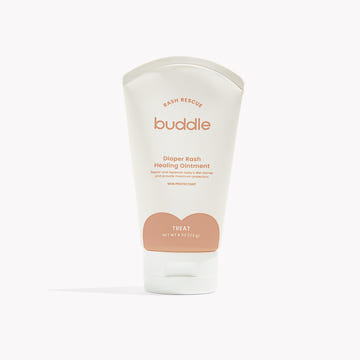
Buddle Skincare Rash Rescue Diaper Rash Treatment 40...
$20.00
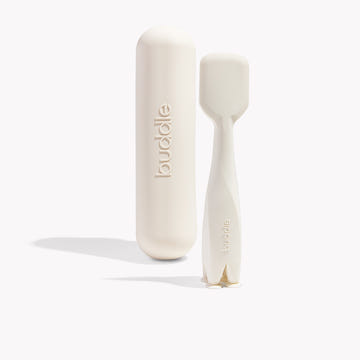
Buddle Skincare Paddle Pal Diaper Rash Spatula with ...
$19.00
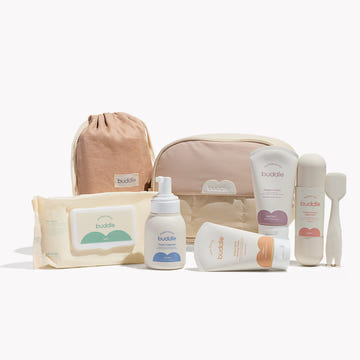
Buddle Skincare Ultimate Diaper Rash Kit with Puffer...
$85.00
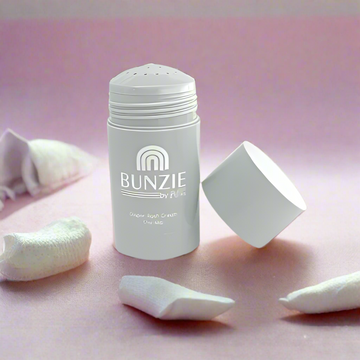
BUNZIE Diaper Rash Cream and Applicator
$17.99
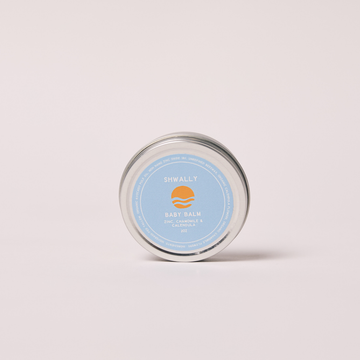
Shwally Baby Booty Diaper Cream 2OZ Zinc Calendula C...
$22.00

NOLEO DUO: 3-in-1 Diaper Rash Cream & Large Cotton Pads
$39.95
Comparing Aquaphor to Other Diaper Creams
Walking down the baby care aisle can feel overwhelming. When you’re staring at a wall of diaper rash treatments, you’ll see everything from clear ointments to thick, sticky white pastes. It's confusing, but understanding the key differences helps you pick the right product for the right situation. After all, what works for a little bit of redness isn't always the best choice for a more angry-looking flare-up.
Aquaphor really sits in its own category as a petrolatum-based ointment. Its main job is to prevent rashes and help heal minor irritation by locking in moisture. It forms a breathable, semi-occlusive barrier that keeps wetness away from the skin while still allowing it to heal from within. Think of it like a protective, healing bubble for that delicate skin.
This is a totally different approach from the thick, white creams you’re probably familiar with.
Zinc Oxide Pastes: The Heavy-Duty Barrier
Creams like Desitin or Boudreaux's Butt Paste are built around one key ingredient: zinc oxide. This stuff creates a dense, opaque barrier—almost like a waterproof seal—that completely blocks moisture from ever touching the skin. This makes it a fantastic choice for treating active, weepy rashes that you really need to dry out.
Aquaphor is a master of prevention and healing mild irritation. Zinc oxide cream, on the other hand, is what you reach for when you're dealing with a more intense, wet diaper rash and drying the area is the top priority.
This difference really shows how much more specialized baby care products have become. Brands are now creating solutions that address multiple issues at once, from simple dryness to full-blown irritation. If you're curious, you can learn more about these global trends in baby care products on alliedmarketresearch.com.
No matter what you use, proper application is key. This simple guide shows the right way to apply Aquaphor.
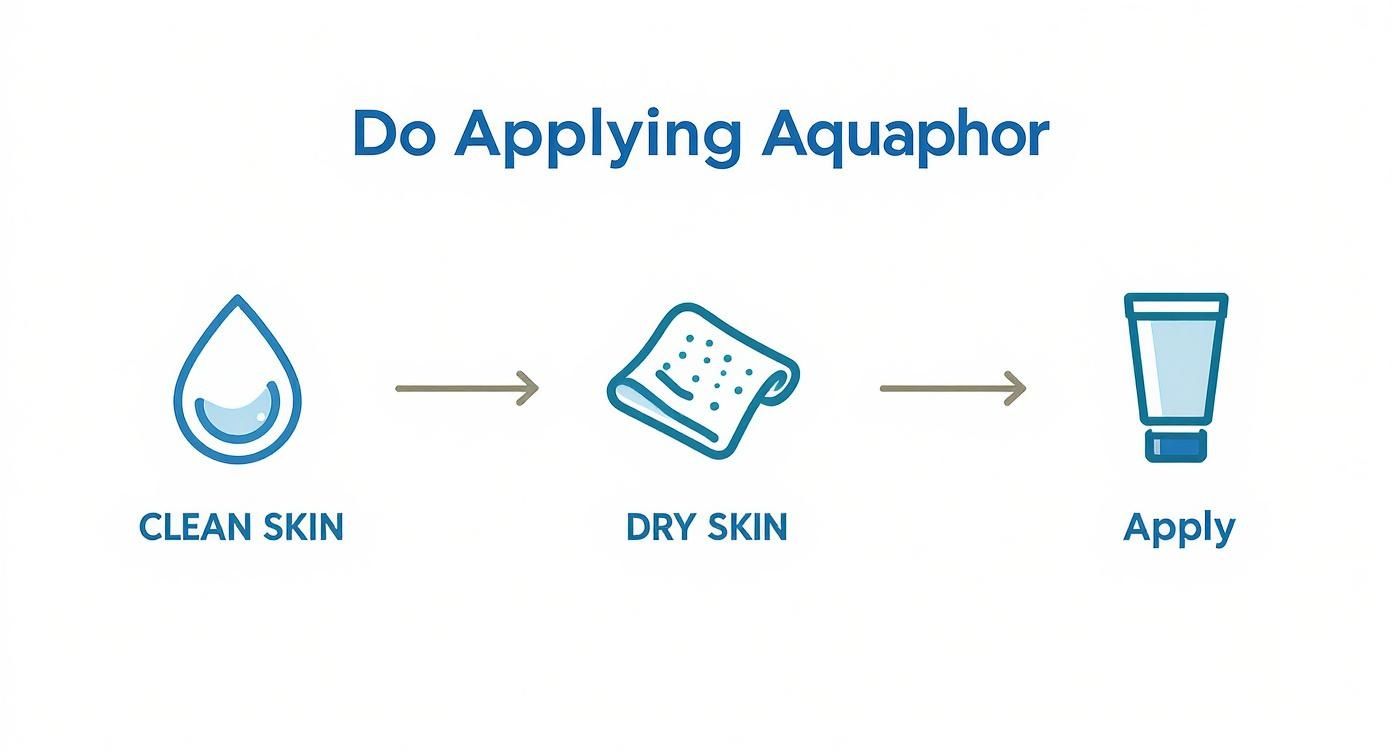
As you can see, the most important steps—cleaning and thoroughly drying—happen before the ointment even comes out of the tube.
Botanical Balms: The Natural Approach
You’ll also find a growing number of natural or botanical balms on the shelves. These typically use gentle ingredients like calendula, shea butter, and coconut oil to soothe and moisturize. While they are wonderfully gentle, their barrier function is usually much lighter than what you’d get from Aquaphor or a zinc cream. They’re a great option for babies with very sensitive skin or for parents who prefer plant-based ingredients for daily moisturizing.
Comparing Aquaphor with Other Diaper Rash Treatments
To make the choice a little easier, here’s a breakdown of the key differences between these popular options. This table should help you figure out what to grab based on your baby's needs at any given moment.
| Feature | Aquaphor Healing Ointment | Zinc Oxide Creams (e.g., Desitin) | Natural/Botanical Balms |
|---|---|---|---|
| Main Goal | Prevention & healing mild rash by moisturizing. | Treatment of moderate to severe rash by drying it out. | Soothing & gentle daily moisturizing. |
| Key Ingredient | 41% Petrolatum | Zinc Oxide (10-40%) | Plant oils & butters (e.g., shea, calendula) |
| Texture | Translucent, smooth ointment | Thick, white, opaque paste | Soft, often oily balm |
| Best For | Daily use, dry/chafed skin, preventing irritation. | Active, red, weepy rashes needing a strong barrier. | Sensitive skin, daily conditioning, chemical-free preference. |
Ultimately, choosing the right diaper cream really depends on what you're dealing with. Many experienced parents (myself included!) find it’s best to keep both Aquaphor and a good zinc oxide cream in the changing table drawer. That way, you’re prepared for anything.
It’s also helpful to remember that many gentle, protective products can pull double duty. The same principles of creating a safe, healing barrier apply to other common new-parent challenges, a topic we cover in our guide to the best nipple cream for breastfeeding. Building a small but versatile toolkit makes life just a little bit easier.
When to See a Doctor About Diaper Rash
While Aquaphor for diaper rash is a fantastic first line of defense, it’s not a cure-all. Most rashes are simple irritations that clear up nicely with a little TLC at home, but you have to know when it’s time to call in the professionals.
Always trust your gut. If a rash just doesn't look right or isn’t getting better, a quick call to your pediatrician is the best move you can make.
Knowing when to pick up the phone brings peace of mind, especially when you're already juggling so much. Juggling baby care and a million other things is tough, so if you need some help, these time management strategies for busy parents can be a real lifesaver.
Red Flags to Watch For
Sometimes, a stubborn rash needs more than an over-the-counter barrier cream—it needs a doctor's diagnosis and a prescription. Don't hesitate to contact your pediatrician if you spot any of these warning signs.
- It's Not Getting Better: If you’ve been diligently cleaning, drying, and applying ointment for two to three days and the rash is getting worse or showing zero improvement, it’s time for a professional opinion.
- The Skin is Broken: Any pimples, blisters, boils, or open sores need a doctor's attention. Broken skin is an open invitation for infection.
- It Looks "Beefy" and Spreads: A very bright, angry-looking red rash—often described as "beefy"—is a telltale sign. If you see smaller red spots (satellite lesions) spreading out from that main patch, you're likely dealing with a yeast infection. Aquaphor won't knock it out; your baby will need a prescription antifungal cream.
If your baby develops a fever along with the diaper rash, or seems unusually irritable, lethargic, or pained, contact your doctor right away. These could be signs of a more serious infection that needs immediate care.
Recognizing these signs helps you act quickly and get your little one comfortable again. For a broader look at handling common infant issues, check out our guide on baby first aid basics every parent should know.
Got Questions About Aquaphor? We’ve Got Answers.
Even with a product as common as Aquaphor, it's natural to have a few questions before slathering it on your baby. Being thorough is just part of being a parent! Let’s clear up some of the most common uncertainties so you can use it with total confidence.
Is Aquaphor Really Safe for Newborns?
Absolutely. Aquaphor Healing Ointment is widely considered safe for newborns, and for good reason. Its formula is incredibly simple and gentle, which is exactly what you want for the most delicate, brand-new skin.
What makes it so safe is what's not in it. Aquaphor is:
- Fragrance-free: This dramatically lowers the risk of triggering an allergic reaction or sensitivity.
- Preservative-free: Fewer chemicals mean less potential for irritating a baby's still-developing skin barrier.
- Dye-free: No pointless additives that could cause a reaction.
It’s this stripped-down, gentle approach that leads so many pediatricians to recommend it right from day one to protect against irritation and tackle any little dry spots.
What's the Difference Between Regular and Baby Aquaphor?
This is a big one, and the answer might surprise you: there is no difference in the actual formula. The active and inactive ingredients in the classic red-and-white tube of Aquaphor Healing Ointment are identical to what's in the Aquaphor Baby Healing Ointment.
The only real change is the packaging. The "Baby" branding is just a smart marketing move to help parents spot it quickly in the baby care aisle. So, if you've already got a big tub of the original stuff at home, go ahead and use it on your baby's bottom. No need to buy a separate tube.
Can I Use Aquaphor with My Cloth Diapers?
This is a crucial question for families who choose cloth. Because Aquaphor has a petroleum base, it's generally not recommended for use with cloth diapers. The thick, waxy texture of the ointment can build up on the fabric's fibers over time, which is a real problem.
This buildup makes the diapers less absorbent and can even cause them to repel liquid, leading to frustrating leaks. If you're a cloth diaper user, you'll be better off choosing a cream that is specifically marked "cloth diaper safe." These are usually zinc-based or made with natural butters that wash out cleanly.
Pro Tip: Many parents who use cloth diapers still keep a small tube of Aquaphor for more stubborn rashes. If you do this, make sure you use a disposable diaper liner. The liner creates a physical barrier that protects your expensive diapers from the ointment.
How Often Should I Apply Aquaphor for Prevention?
When it comes to preventing diaper rash, consistency is everything. The best approach is to apply a thin, even layer of Aquaphor at every single diaper change.
Think of it less like a treatment and more like daily skin maintenance. This proactive habit ensures there's always a protective barrier in place, shielding that delicate skin from the moisture and friction that cause diaper rash to start.
At MoogCo, we understand that protecting your delicate skin is a top priority. Our Original Silver Nursing Cups offer a chemical-free, reusable way to soothe and protect, providing comfort and relief when you need it most. Discover the gentle, effective solution trusted by mothers everywhere. Learn more about MoogCo's Silver Nursing Cups.
Bring this guide home with 20% off.
Use code MOM20 for 20% off →
Stocking up? Browse our disposable diapers collection for gentle, reliable picks from bamboo to overnight options. US orders over $100 ship free.
Frequently Asked Questions
Can I Mix Aquaphor with Other Diaper Rash Creams?
It's generally best to use one product at a time so you can see what's working. If you need extra strength, apply a medicated zinc oxide cream first, let it absorb for a minute, then seal it in with a thin layer of Aquaphor on top. Always check with your pediatrician before layering products, especially if the rash isn't improving.
Will Aquaphor Stain My Baby's Clothes or Bedding?
Aquaphor can leave greasy marks on fabric since it's petroleum-based. To minimize staining, make sure the diaper is snug enough to contain the ointment, and consider using an extra liner or older clothing during heavy treatment days. Most stains come out with a good pre-treatment and hot water wash, but it's smart to keep your favorite outfits out of rotation during a bad rash flare-up.
How Do I Know If the Diaper Rash Is Too Severe for Aquaphor?
If you see open sores, blisters, pus, or if the rash spreads beyond the diaper area, it's time to call your pediatrician. Aquaphor works beautifully for mild to moderate redness and irritation, but anything that looks infected, bleeds, or doesn't improve after two to three days needs a professional eye. Trust your gut, if it looks serious, get it checked out.
Can I Use Aquaphor on My Baby's Face or Other Dry Patches?
Absolutely, Aquaphor is gentle enough to use on dry cheeks, eczema patches, or chapped skin anywhere on your baby's body. Just avoid putting it right on the eyelids or inside the mouth. Many parents keep a small tube in the diaper bag for quick touch-ups on wind-chapped cheeks or cracked lips during colder months.
Is It Normal for Aquaphor to Feel Greasy on My Baby's Skin?
Yes, that greasy feel is actually what you want. The thick, emollient texture means it's forming that protective barrier we talked about. It should sit on top of the skin rather than absorb completely. If it feels too heavy, you might be using more than needed, but a visible layer is key for real protection against wetness and friction.
Can I Use Aquaphor for Diaper Rash During Every Single Diaper Change?
You definitely can, and many pediatricians actually recommend it for babies prone to rashes. Applying Aquaphor at every change creates a continuous barrier, which is especially helpful overnight or during long stretches between changes. It's a simple habit that can save you from dealing with painful flare-ups down the road.
Does Aquaphor Expire, and How Should I Store It?
Aquaphor does have a shelf life, usually around three years from the manufacture date, and you'll find an expiration date stamped on the tube or jar. Store it at room temperature, away from direct sunlight and heat, and always make sure the cap is tightly sealed. If it starts to smell off, changes color, or separates, toss it and grab a fresh one.
What Should I Do If My Baby's Diaper Rash Gets Worse After Using Aquaphor?
If the rash worsens or your baby develops new symptoms like swelling, increased redness, or seems more uncomfortable, stop using it and reach out to your pediatrician right away. While rare, some babies can be sensitive to certain ingredients, or the rash might actually be a yeast infection or bacterial issue that needs a prescription treatment instead of an over-the-counter ointment.
From Moogco Studio
Printable and personalized nursery essentials. Designed by moms for moms.


About the Editor
Eda Ulger is the editor at Moogco Baby and a mom of two. She curates and edits our guides so every piece is honest, practical, and genuinely helpful for the early days of motherhood.
Shop This Story
Picks related to this guide, ready to ship from Moogco.
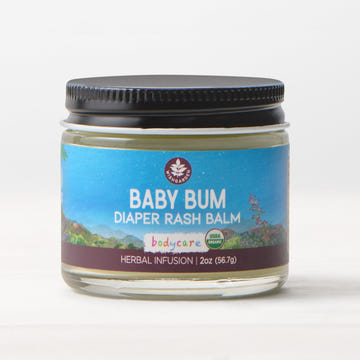
WishGarden Herbs Baby Bum Diaper Rash Balm organic s...
$14.99
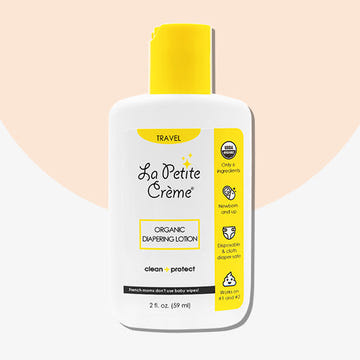
La Petite Creme Organic Travel Size Diaper Lotion 2 ...
$8.99
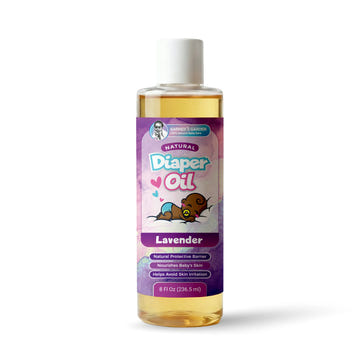
Garner's Garden Natural Diaper Oil lightweight breat...
$15.00
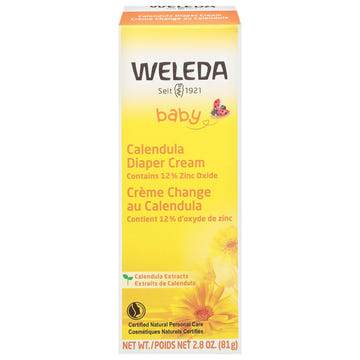
Cozy Farm Weleda Diaper Cream 2.8 Oz Calendula Zinc ...
$18.34
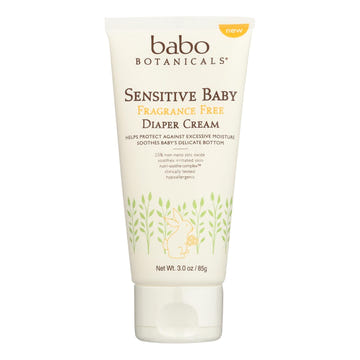
Cozy Farm Babo Botanicals Diaper Cream Sensitive Ski...
$17.77
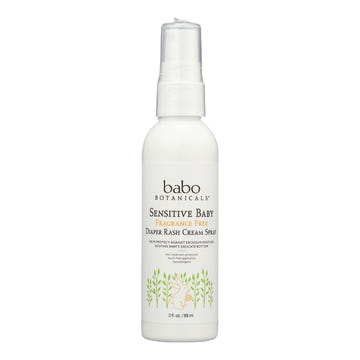
Cozy Farm Diaper Cream Spray Sensitive Unscented 3 F...
$17.52
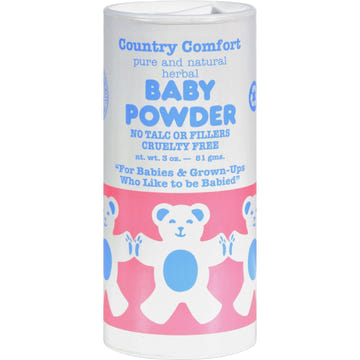
Cozy Farm Country Comfort Cooling Baby Powder 3 oz
$13.02
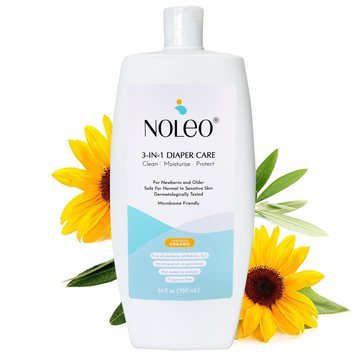
NOLEO 3-IN-1 - Diaper Rash Cream - EWG Verified
$24.99
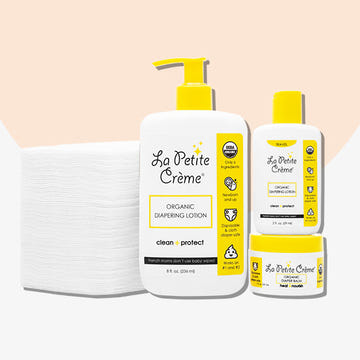
La Petite Creme Organic French Diaper Care Gift Set ...
$54.99
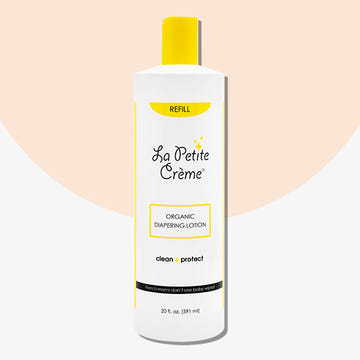
La Petite Creme Organic French Diapering Lotion Econ...
$42.99