


Reusable diapers for babies were once a mainstream option. Not so long ago, they were the only option for infants! However, when disposable diapers arrived in the 1950s, convenience began to take precedence over tradition. Parents wanted a quicker, easier option than using pins, learning complicated folds, and dealing with plastic pants. Therefore, it wasn’t too surprising that disposables looked like the way of the future. That was the status quo for decades. Then, the world started to learn more about climate change, and a new shift back towards reusables began.
Modern parents are naturally concerned about the environment and the world they’re leaving for their children. So, it’s no wonder that interest in reusables has begun to surge again. However, are reusables really the best eco-friendly option?
Misconceptions About The Environmental Impact Of Reusables
Misconceptions abound about the potential negative environmental impact of reusable diapers. Reports dating back to the early 2000s explored the benefits and drawbacks of reusables and disposables. Their findings were that reusables were just as damaging to the environment as disposables. The reasoning behind this was due to high washing temperatures and the use of tumble dryers to launder cotton prefold reusables.

That all made sense at the time of the reports’ release, but it’s no longer the case. Many parents still don’t realize that modern cloth diapers are very different from their older counterparts. Most manufacturers today use quick-dry fabrics that are eco-friendly. Organic cotton and bamboo are two popular materials for modern reusables with a low environmental impact. Modern appliances are also far more energy-efficient than those from two decades ago. Added into the equation is the fact that modern style pocket diapers are made out of high performance, stay dry materials which wash clean in warm water, and tumble dry low, or can air dry in no time at all. Also, these old reports didn’t account for the positive environmental impact of reusing reusable diapers for subsequent babies.
Picks From This Story
Picks related to this guide, ready to ship from Moogco.
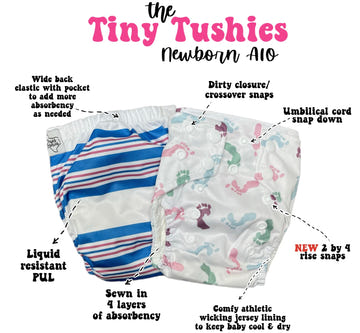
Texas Tushies Tiny Tushies Newborn AIO Cloth Diaper ...
$9.00
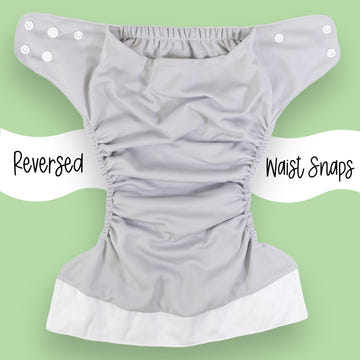
Texas Tushies Flex Fit Pocket Cloth Diaper fits 7lbs...
$8.00
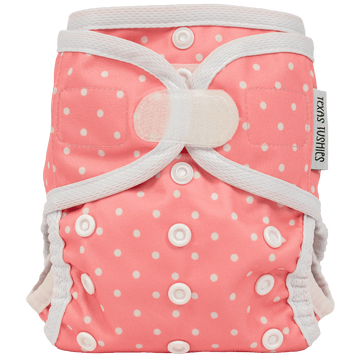
Texas Tushies Tiny Tushies Newborn Hook & Loop Cover...
$8.50
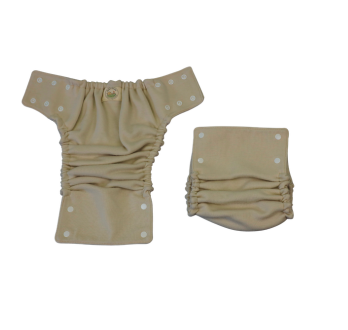
Babee Greens Natural Wool Diaper Covers Merino Wool ...
$39.95
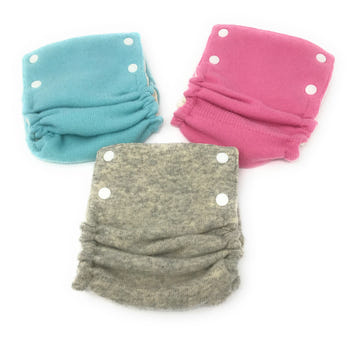
Babee Greens Wool Diaper Cover Solid Colors One Cover
$34.95
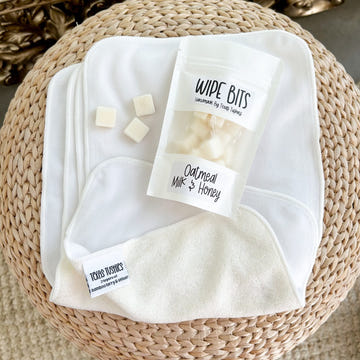
Texas Tushies Goat Milk Cloth Wipe Bit Jar 20 bits M...
$2.00
Disposables And The Environmental Issues They Cause
Evidence shows that disposable diapers represent more than 4% of landfill waste. The materials manufacturers use when producing disposables emit a considerable amount of carbon. As the third-largest landfill waste contributor, disposable diapers significantly contribute to global warming.
Let’s take a look at the statistics.
- On average, a baby uses around 9000 diapers in the first three years of its life.
- Each diaper uses half a jar of petroleum oil as part of its manufacturing process, not to mention other toxic chemicals and chlorine.
- Disposables take as long as five centuries to break down.
- Their manufacturing processes use limited resources that contribute to global warming. Disposable diapers utilize 20 times more wood pulp, crude oil, and other raw materials than reusable ones.
- North American landfills receive around 90,000 tons of polypropylene from disposable diapers each year.
- Disposable manufacturing involves other plastic materials that come from non-renewable fossil fuels. When these materials slowly degrade in landfills, toxic chemicals leach into the soil, water, and air, harming local wildlife.
- The dyes, adhesives, bleaches, and the other components in disposable diapers contain potentially carcinogenic and neurotoxic chemicals. While wood pulp isn’t toxic, treating the pulp often involves problematic chemicals that create carcinogenic and toxic by-products during manufacturing.
- It takes nine gallons of water just to manufacture a single disposable diaper. That is significantly more water wastage than that involved in washing reusables. Manufacturing and using disposable diapers require more than twice as much water as manufacturing and using reusables.
- It isn’t only the diapers themselves that cause environmental issues. The average baby produces around a ton of waste each year. When this organic matter decomposes, pollution of the soil and groundwater occurs. The decomposing waste also produces carbon dioxide and methane, two potentially toxic greenhouse gases that impact climate change.
The numbers don’t lie.
How Can Reusable Diapers Be Even More Eco-Friendly?
Although reusable diapers are more eco-friendly than disposables by nature, there are ways for parents to make them even greener.
These include:
- Washing your reusables with a phosphate-free detergent (make sure all detergents are brand approved, not all detergents are safe for diapers that contain elastic and waterproof laminate)
- Washing reusable diapers on a low-temperature setting.
- Drying cotton-only cloth diapers (prefold/flats) outdoors on a washing line.
- Drying modern cloth diapers (elastic/waterproof laminate.)
- Using the same reusable diapers on multiple children.
- Choosing a reputable diaper brand that uses eco-friendly manufacturing materials and processes. Organic cotton, hemp, and bamboo are environmentally sound choices.
- Using the most energy-efficient appliances to launder reusable diapers.
More Related Picks
A few more favorites from the same collection.
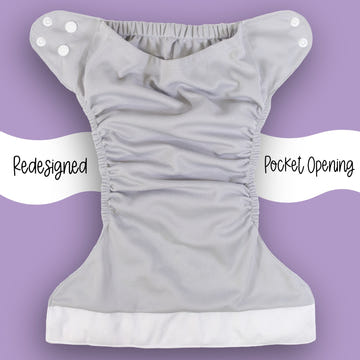
Texas Tushies Slim Fit Pocket Cloth Diaper 8-40lbs R...
$8.00
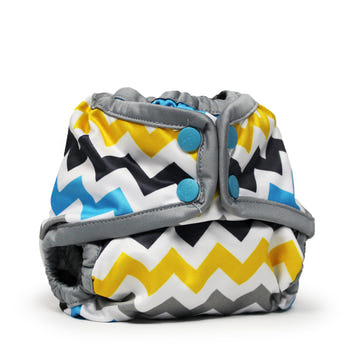
Kanga Care Rumparooz Newborn Cloth Diaper Cover Charlie
$5.48
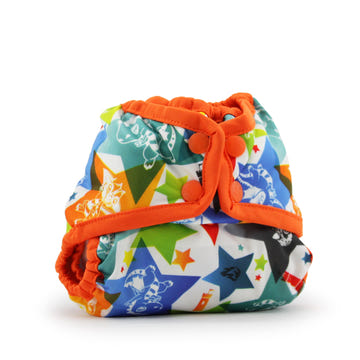
Kanga Care Rumparooz Newborn Cover Dragons Fly Poppy...
$5.48
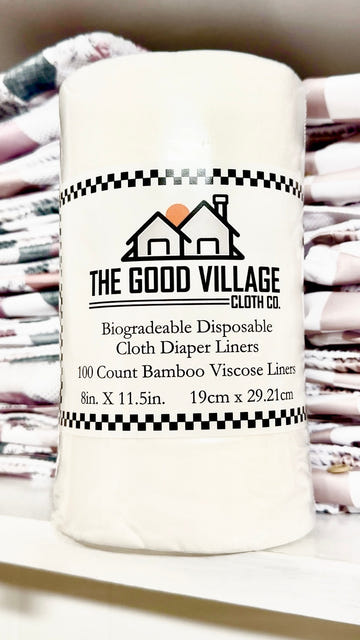
✨PREORDER ✨ | Biodegradable Disposable Cloth Diaper ...
$10.00
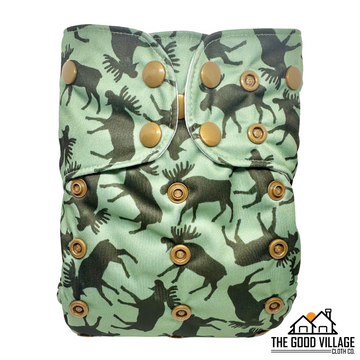
One Size Pocket Diaper | Mooses
$14.00
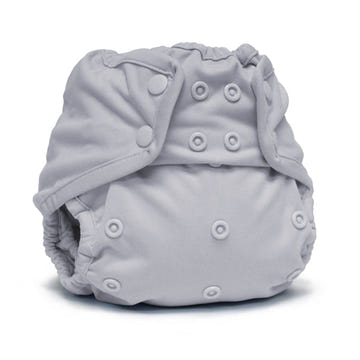
Kanga Care Rumparooz One Size Cloth Diaper Cover Pla...
$14.95
They are a reliable choice because manufacturers make them from eco-friendly materials through environmentally-sound processes. Suitable for use by multiple siblings year after year. Cost-effective, high quality, and impressively absorbent, With the Rumparooz, you also get the exclusive patented leak prevention technology of the double inner gussets, and keep that mess where it belongs. Rumparooz reusables are a far greener option for your baby than disposable diapers. Even better, they’re far cuter, far more comfortable, and just as convenient. Therefore, you can be confident that you’re trying your hardest, not only for your little one but for the planet too.

Building your stash? Browse our cloth diapers collection for all-in-ones, pockets, prefolds, and covers we trust. US orders over $100 ship free.
Frequently Asked Questions
How many reusable diapers do I need to start cloth diapering full time?
Most parents find that 24 to 36 reusable diapers work well for full-time cloth diapering. This quantity allows you to wash every two to three days while always having clean diapers available. Newborns need more frequent changes, so you might want to start on the higher end of that range. As your baby grows and changes less frequently, you may find you need fewer diapers in rotation.
Can reusable diapers handle overnight without leaking?
Yes, modern reusable diapers are designed to handle overnight wear when properly boosted with extra absorbency. Many parents add hemp or bamboo inserts to increase absorption capacity for those long stretches of sleep. The key is finding the right combination of materials and fit for your baby's needs. Quality reusable diapers with good leak prevention features, like double gussets, perform excellently through the night.
Do reusable diapers cause more diaper rash than disposables?
Reusable diapers do not inherently cause more diaper rash and may actually reduce it for some babies. The breathable, natural fabrics used in modern cloth diapers allow better air circulation than plastic-backed disposables. The key to preventing rash with any diaper type is frequent changes and keeping your baby clean and dry. Many parents find their babies have fewer rashes after switching to reusables made from organic cotton or bamboo.
What happens to reusable diapers when my baby outgrows them?
Many modern reusable diapers feature adjustable sizing that grows with your baby from birth to potty training, maximizing their lifespan. Once your child is done with them, you can use them for subsequent children, sell them secondhand, or donate them to families in need. Some parents even keep a few for emergencies or messy play activities. This extended use is one of the biggest environmental advantages of choosing reusables over disposables.
Are reusable diapers harder to use when you're out and about?
Modern reusable diapers are just as easy to change on the go as disposables. Simply pack a wet bag to store soiled diapers until you get home, and bring enough clean diapers for your outing. Many parents find that once they establish a routine, cloth diapering away from home becomes second nature. The convenience factor has improved dramatically with modern designs that fasten just like disposables.
Will using reusable diapers really save me money in the long run?
Yes, reusable diapers typically save families between $1,500 and $2,000 compared to using disposables for one child. While the upfront cost is higher, reusables pay for themselves within the first year of use. The savings multiply significantly if you use the same diapers for multiple children. Even factoring in water and electricity costs for laundering, cloth diapers remain far more economical than continuously purchasing disposables.
Do I need special laundry detergent for reusable diapers?
You need detergent that is effective at cleaning but safe for the specialized fabrics in modern cloth diapers. Look for phosphate-free options without fabric softeners, optical brighteners, or additives that can damage waterproof laminate and elastic. Always check that your chosen detergent is approved by your diaper manufacturer. Using the right detergent ensures your reusables stay absorbent and last through years of use.
How do bamboo and organic cotton reusable diapers compare for absorbency?
Both bamboo and organic cotton make excellent absorbent materials for reusable diapers, each with unique benefits. Bamboo is naturally more absorbent and dries faster than cotton, making it ideal for heavy wetters and overnight use. Organic cotton is durable, soft, and holds up well to repeated washing over many years. Many parents choose a combination of both materials to take advantage of their different strengths throughout the day and night.
From Moogco Studio
Printable and personalized nursery essentials. Designed by moms for moms.


About the Editor
Eda Ulger is the editor at Moogco Baby and a mom of two. She curates and edits our guides so every piece is honest, practical, and genuinely helpful for the early days of motherhood.
Shop This Story
Picks related to this guide, ready to ship from Moogco.
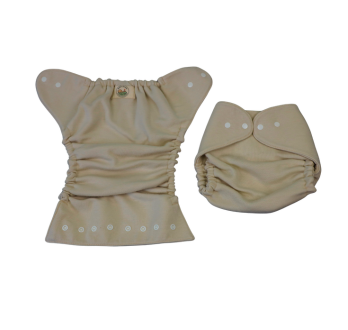
Babee Greens Natural Wool Snap Wrap Diaper Cover Roomy
$39.95
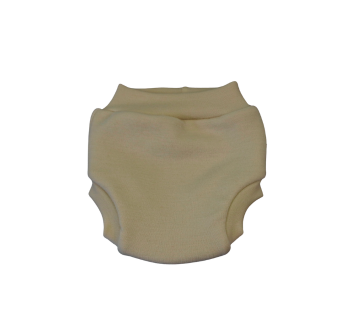
Babee Greens Pull-Up Woolies overnight and potty tra...
$38.95
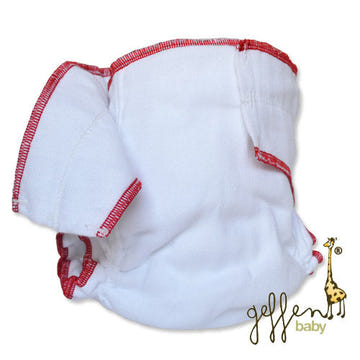
GeffenBaby.com Cotton Fitted Cloth Diaper without Sn...
$7.99
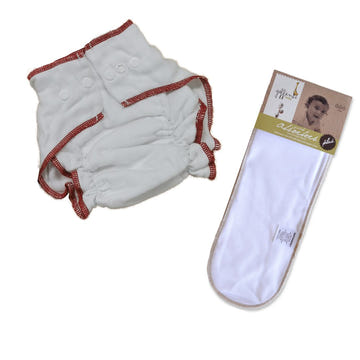
GeffenBaby.com Cotton Fitted Cloth Diaper Bundle wit...
$11.26
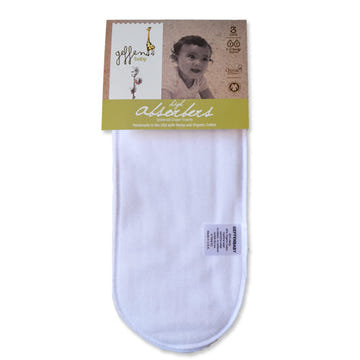
GeffenBaby High Absorbers Cloth Diaper Inserts 5 x 1...
$17.89
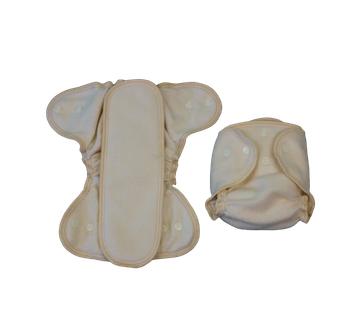
Babee Greens Newborn Fitted Cloth Diaper 5-14 lb Org...
$18.95
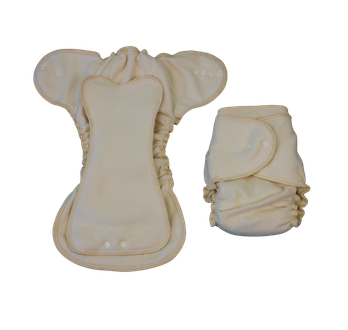
Babee Greens One-Size Fitted Cloth Diaper 5-35 lbs O...
$22.00
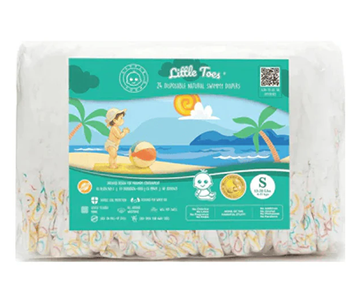
Little Toes Natural Disposable Swim Diapers 24-Pack
$18.99
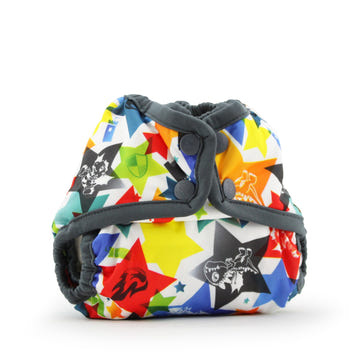
Kanga Care Rumparooz Newborn Cloth Diaper Cover Drag...
$5.48
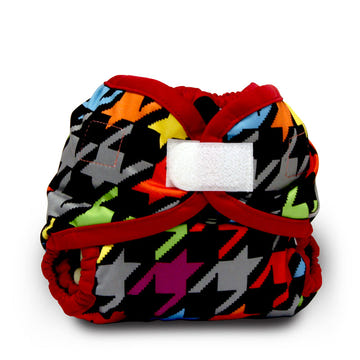
Kanga Care Rumparooz Newborn Cloth Diaper Cover Invader
$5.48