


What is the best baby formula for gas and fussiness?
Short answer: For gassy, fussy babies the usual first step is a partially hydrolysed formula, where the protein is broken down so it digests more easily. If symptoms are severe or there is blood in the stool, that points to a cow's milk protein allergy and needs an extensively hydrolysed formula prescribed by your pediatrician.
- Partially hydrolysed: first step for ordinary gas and fussiness
- Extensively hydrolysed or amino acid: for diagnosed CMPA, by prescription
- Lactose-reduced only helps true lactose intolerance, which is rare in infants
- Give any switch 7 to 14 days before judging it
- Check bottle and latch first, air intake causes more gas than formula does
If you're desperately searching for the best baby formula for gas and fussiness, you're likely looking at options with partially broken-down proteins, added probiotics, or reduced lactose. These formulas are specifically made to be gentler on a baby's brand-new digestive system, which is often the main culprit behind all that discomfort.
Why Is My Baby So Gassy and Fussy?


If you're reading this in the middle of the night with a squirming, unhappy baby in your arms, please know you are not alone. Gas and fussiness are rites of passage for most new parents. It's an incredibly common, and thankfully temporary, phase that nearly every family goes through.
Free US shipping over $100
Real essentials, picked by real moms
Take 25% off at checkout, applied automatically when you shop through this link.
Shop with MAMA25 →Free US shipping over $100. Code applies automatically at checkout.
The root of the issue is beautifully simple: your baby’s digestive system is a work in progress. Think of it like a new engine that’s still breaking in, it isn’t running at peak efficiency just yet. It’s still learning the ropes of processing food, moving things along, and coordinating all the muscles needed for smooth digestion. This immaturity can easily lead to trapped gas bubbles and a whole lot of fussing.
Common Causes of Infant Discomfort
A few key factors are usually behind a gassy, fussy baby. Pinpointing them is the first real step toward finding relief.
- Immature Digestive System: As we mentioned, a baby's gut is still developing. Their intestines are figuring out how to work, which often creates more gas than a mature digestive system would.
- Swallowing Air: Babies are pros at swallowing air, especially during feedings. This can happen if they have a shallow latch (on the breast or bottle), drink too quickly, or work themselves up crying right before it's time to eat.
- Formula Composition: Some standard milk-based formulas contain large proteins and full-strength lactose. For certain babies, these can be tough to break down, resulting in gas, bloating, and general misery.
This is a challenge formula manufacturers have certainly noticed. The global infant formula market was valued at an incredible USD 81.72 billion in 2024 and is expected to climb to USD 178.83 billion by 2032. This boom is driven by parents seeking out specialized nutrition to support their little one's digestive health. You can learn more about the growing infant formula market on fortunebusinessinsights.com.
Finding the Right Path to Relief
The good news is that relief often comes from tackling these core issues head-on. Choosing the right baby formula for gas and fussiness is a huge piece of the puzzle, but it’s most effective when you pair it with other smart strategies.
The goal is to create a holistic approach to comfort. This means looking at not just what your baby eats, but also how they eat. Small adjustments in feeding technique and burping can make a world of difference.
Simple things, like finding a feeding position that minimizes air intake or becoming a master burper, can help release any air your baby does swallow. While this guide will dive deep into formula options, remember that these other elements are just as vital.
And for parents who are breastfeeding, you're not exempt from the gas-and-fussiness club! The causes and solutions are often similar. For more specific advice, you can explore our guide on managing gas in breastfed babies.
Picks From This Story
Picks related to this guide, ready to ship from Moogco.

MOOGCO Silver Nursing Cups 925k Silver - Protect Aga...
$34.75
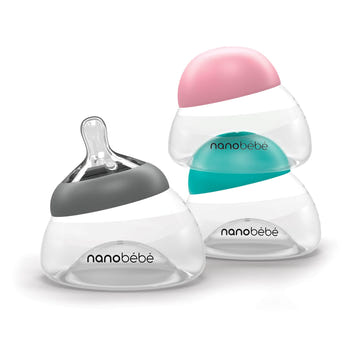
Nanobébé Breastmilk Baby Bottle 5 oz Pack Options Pi...
$16.99

Zomee Breast Pumps Breast Milk Storage Bottles BPA-free
$3.99
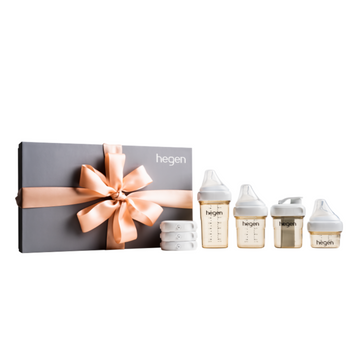
hegen PPSU Essentials Kit 60ml 150ml 240ml baby bottles
$99.99

Healthy Horizons Elvie Stride Diaphragms 2 Pack
$21.99
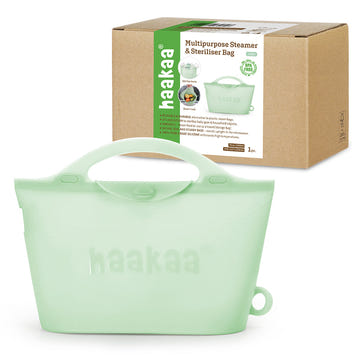
Haakaa Multipurpose Steamer & Sterilizer Bag 3 sizes...
$14.99
A Parent's Guide to Formula Ingredients
Stepping into the formula aisle can feel like walking into a science lab. The shelves are lined with canisters covered in terms like "hydrolyzed proteins" and "probiotics," and it’s enough to make any parent's head spin. But figuring out these ingredients is the key to picking the right baby formula for gas and fussiness.
Let’s decode those labels together. My goal here is to help you match your baby’s specific troubles, whether it's endless gas, painful spit-up, or just general crankiness, with the formula ingredients designed to bring them relief. This way, you can make a choice based on knowledge, not just a hopeful guess.
Partially Hydrolyzed Proteins: The "Pre-Digested" Advantage
Imagine trying to swallow a giant steak in one bite. It would be a struggle, right? Now, picture that same steak already cut into tiny, manageable pieces. That’s pretty much what partially hydrolyzed formulas do for your baby’s developing tummy.
Standard cow's milk formula is built on large, complex protein molecules. For a lot of babies, especially those with immature digestive systems, breaking down these big proteins is hard work. All that effort can easily lead to extra gas and discomfort.
That’s where partially hydrolyzed formulas come in. Often labeled "Gentle" or "Comfort," these formulas use a special process to break down the large proteins into smaller, more digestible fragments before you even mix the bottle.
- Easier on the Tummy: The smaller proteins are simply less work for your baby's system to process.
- Less Gas: When digestion is more efficient, there’s less undigested protein left behind to ferment in the gut and create gas bubbles.
- A Great Starting Point: For general fussiness that isn’t tied to a specific allergy, these formulas are often the first thing pediatricians recommend trying.
For many little ones struggling with everyday digestive upset, this gentle approach can be a total game-changer.
Probiotics and Prebiotics: Nurturing a Healthy Gut
Think of your baby’s gut as a brand-new garden. Probiotics and prebiotics are the little helpers that get it to flourish. A healthy, balanced gut is absolutely essential for smooth digestion, and that’s exactly what these ingredients are there to support.
Probiotics are the "good" live bacteria added directly to the formula. They help populate your baby's gut with beneficial microbes, which can crowd out the "bad" bacteria that might be causing gas and inflammation. It's like planting seeds of healthy bacteria right where they need to go.
Prebiotics, on the other hand, are the fertilizer. They're a special kind of fiber (like GOS and FOS) that acts as food for the good bacteria already living in the gut, helping them grow strong and multiply.
When you see both probiotics and prebiotics in a formula, you've got what's called a synbiotic. This powerful duo works together to build a healthy gut microbiome from the ground up, which is fundamental for reducing gas, improving poops, and even supporting their overall immune health.
Whey vs. Casein and the Role of Lactose
Lactose is the natural sugar found in milk. While a true lactose intolerance is actually quite rare in babies, some infants have a temporary sensitivity that makes it tough to break it down. This can lead to classic signs of trouble like gas and watery stools. In these cases, reduced-lactose or lactose-free formulas can bring some serious relief.
It’s also helpful to know about the two main types of protein in milk: whey and casein.
- Whey: This protein is light and digests very quickly. It empties from the stomach faster, which is why breast milk is naturally whey-dominant.
- Casein: This protein is heavier. It forms thicker curds in the stomach and takes longer to digest.
Formulas designed to be gentle on the tummy often have a higher whey-to-casein ratio, mimicking breast milk to make digestion easier. If you're trying to figure out what's causing your baby's discomfort, it helps to understand the difference between protein and lactose issues. You can dive deeper into the differences between a baby lactose intolerance vs a protein sensitivity in our detailed guide.
As more parents seek out solutions, the demand for these thoughtfully designed formulas is growing. Reports show a clear consumer preference for formulas with gentle proteins, reduced lactose, and digestive aids like probiotics that help build a healthy gut and minimize discomfort. By understanding what's inside the can, you can turn a confusing shopping trip into a confident step toward a happier, more comfortable baby.
How to Choose the Right Type of Formula
Walking down the formula aisle can feel like you need a PhD to understand it all. But once you know the basic categories, you can pick the best option for your little one with confidence. Think of it like this: each specialty formula is a key designed for a specific lock. The goal is to match your baby's symptoms to the right formula to unlock a happier, more comfortable tummy.
Let's move past the guesswork and make an informed decision. By understanding the main types of baby formula for gas and fussiness, you can pinpoint what your baby needs.
This simple decision tree can help you visualize the most common starting points.
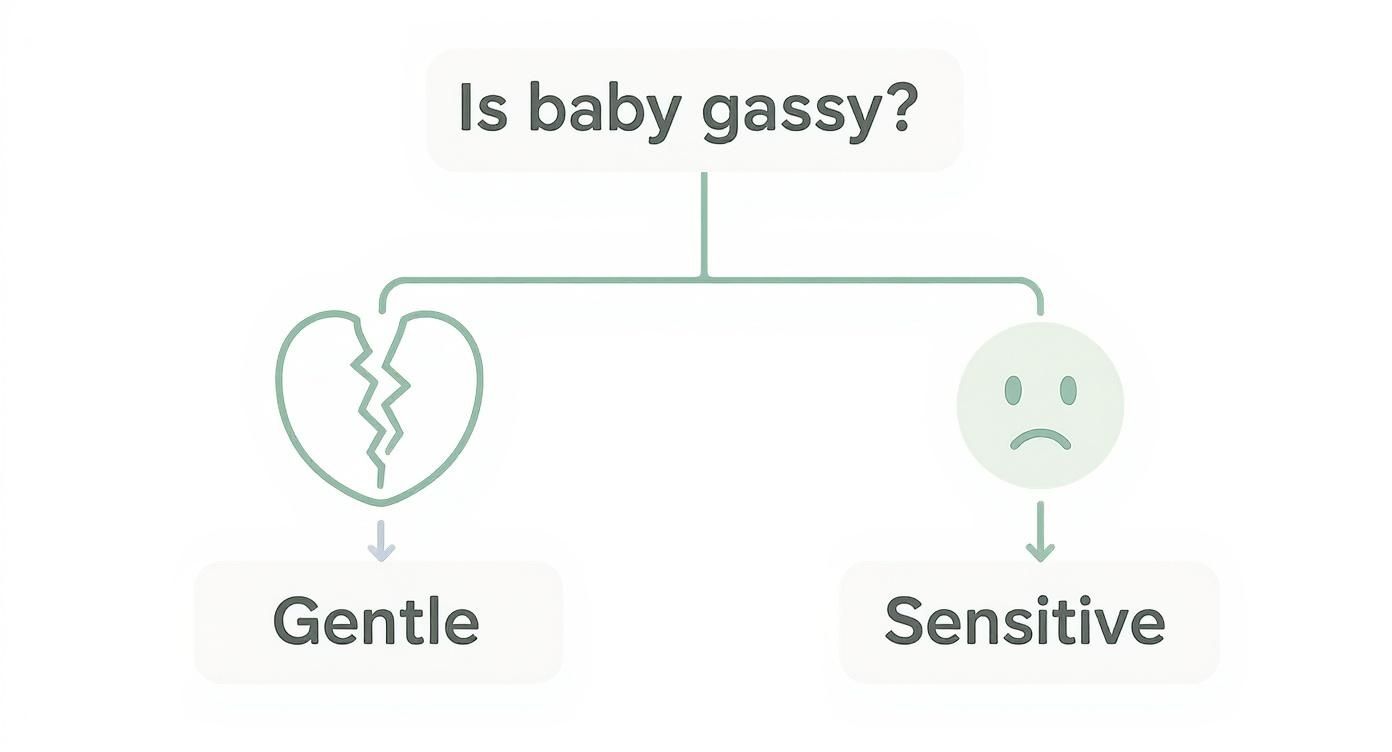
As you can see, "Gentle" formulas are a great first step for general gassiness, while "Sensitive" options are better suited for fussiness that might be tied to lactose.
Gentle or Comfort Formulas for General Gassiness
If your baby seems gassy, squirmy, and fussy after feedings but doesn't have other red flags like severe spit-up or really problematic diapers, a "Gentle" or "Comfort" formula is an excellent place to start. In fact, it’s often the first thing pediatricians suggest for everyday tummy troubles.
What makes these formulas "gentle"? It’s the partially hydrolyzed proteins. As we mentioned earlier, this just means the large cow's milk proteins are already broken down into smaller, more digestible pieces, giving your baby’s immature system a helping hand.
- Who it's for: Babies dealing with general gas, fussiness, and mild digestive discomfort.
- How it helps: The pre-digested proteins take the strain off your baby's gut, which can mean less gas and irritation.
This is the most straightforward fix for the most common issue. It gets to the heart of the problem, an underdeveloped digestive system, without needing more drastic changes.
Sensitive or Reduced-Lactose Formulas
Is your baby not just gassy, but also having loose, watery, or even explosive diapers? That combination can point to trouble digesting lactose, the natural sugar found in milk. While a true lactose intolerance is rare in babies, a temporary sensitivity is fairly common.
"Sensitive" formulas are made with a much reduced amount of lactose. This gives your baby's system a break, letting them digest their food more easily without the bloating and gassy side effects that come from undigested milk sugar.
A lot of parents think "Gentle" and "Sensitive" formulas are the same thing, but they're not. The key difference is what they target: Gentle formulas focus on protein digestion, while Sensitive formulas tackle lactose digestion.
So, how do you choose? Look at your baby’s main symptoms. If it seems like protein is the culprit, start with Gentle. If lactose sensitivity feels more likely, a Sensitive formula is the logical next step.
Here's a quick look at how the different options stack up.
Comparing Formulas for Sensitive Stomachs
This table breaks down the main formula categories, what makes them unique, and the symptoms they’re designed to help with.
| Formula Category | Key Feature | Primary Symptom Addressed | Considerations |
|---|---|---|---|
| Gentle/Comfort | Partially hydrolyzed proteins | General gas, fussiness, mild discomfort | Great starting point for common digestive issues. |
| Sensitive | Reduced lactose | Gas accompanied by loose or watery stools | For babies who struggle with milk sugar, not protein. |
| Anti-Reflux (AR) | Thickened with rice starch | Frequent, uncomfortable spit-up | Thick consistency can require a different bottle nipple. |
| Soy-Based | Soy protein, naturally lactose-free | Cow's milk protein allergy, galactosemia | Generally recommended only by a pediatrician. |
As you can see, each formula type has a very specific job. It's all about finding the one that best fits your baby's needs.
Specialized Formulas for Specific Issues
Sometimes, general fussiness comes with more distinct problems that need a targeted solution. Two other common categories you’ll see are soy-based formulas and Anti-Reflux (AR) options.
- Soy-Based Formulas: These formulas swap milk protein for soy protein and are naturally lactose-free. They are almost always recommended by a pediatrician, usually for a specific condition like galactosemia or a confirmed cow's milk protein allergy where hydrolyzed formulas didn't work.
- Anti-Reflux (AR) Formulas: If your baby's biggest problem is frequent and uncomfortable spit-up, an AR formula could be a game-changer. These are thickened, typically with rice starch, which helps the formula stay down in the stomach where it belongs.
The market for these specialized formulas keeps growing as parents look for answers. Today, infant formula makes up about 40.2% of the entire baby milk market, and a huge part of that growth is in options designed to reduce colic and fussiness. This has pushed brands toward cleaner labels and ingredients that genuinely support digestive health. You can discover more insights about the baby milk market on gminsights.com.
For a complete look at your baby's feeding journey, from their first bottles to their first solid foods, check out our comprehensive guide to baby feeding.
Choosing a formula can feel like a huge responsibility, but remember, the goal is just to find what makes your baby feel their best. And of course, always talk to your pediatrician before making a switch, especially to a specialized formula like soy or AR.
Switching Your Baby to a New Formula Safely
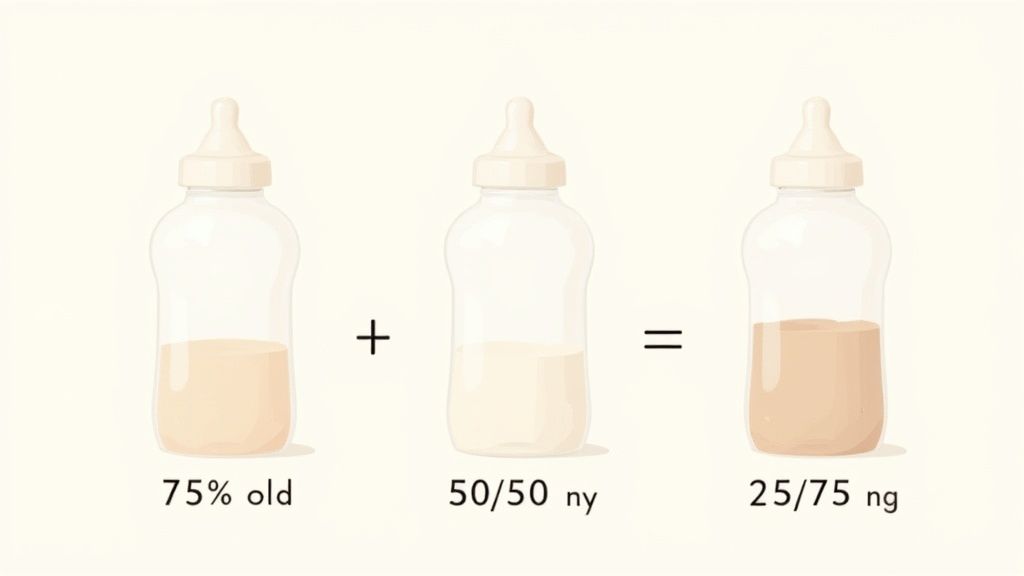
So, you've done your research and found a new baby formula for gas and fussiness that you’re hopeful about. The next step is a big one: making the switch. The goal here is to introduce the new formula without upsetting your baby’s delicate digestive system even more.
Think of it less like flipping a switch and more like slowly merging onto a new highway. A sudden change can be a real shock to their gut, which has just gotten used to one thing. A gradual transition gives their little body time to adapt, which is the best way to avoid a new round of gas, fussiness, or constipation.
The Gradual Transition Plan
The best approach is to slowly mix the new formula with the old, gradually changing the ratio over several days. This lets your baby’s system get acquainted with the new ingredients bit by bit. Here’s a simple, effective schedule to follow over the course of a week.
Remember, this is just a guide. If your baby seems to be having a tough time, feel free to pause at any step for an extra day or two before moving on.
A Step-by-Step Mixing Guide:
- Days 1-2: Start by making each bottle with 75% of the old formula and just 25% of the new one.
- Days 3-4: Move to a 50/50 split. This is a great time to really watch how your baby is handling the change.
- Days 5-6: Now, shift the balance to 25% old formula and 75% new.
- Day 7: If all is going well, you can make the full switch to 100% new formula.
If you know your baby is particularly sensitive, you can absolutely stretch this timeline out over ten days or even two weeks for an extra-gentle transition. Some babies might also push back against a new taste, and a slower introduction can help them get used to it. If you're running into that, our guide on navigating bottle refusal has some great tips that can help here, too.
What to Expect During the Switch
Patience is everything during this time. It can take a full one to two weeks after you’ve completely switched for your baby's system to fully adjust. Try not to get discouraged if you don't see a miracle overnight, give it time.
You might notice some changes in your baby's diapers. The color, consistency, and even how often they go can shift as their body gets used to the new formula. This is almost always normal, but it’s a good idea to keep an eye on things.
Signs You’re on the Right Track:
- You see a real decrease in fussiness, especially right after a feed.
- There’s less straining and grunting from painful gas.
- Their bowel movements seem more regular and comfortable.
- Sleep might even improve as their discomfort eases.
On the flip side, if symptoms like spit-up, gas, or crying get much worse and don't improve after a couple of days, it could be a sign this new formula isn’t the one. Always trust your gut. If you're worried about anything during the transition, give your pediatrician a call. They can help you figure out the best next step for your little one.
More Related Picks
A few more favorites from the same collection.

Haakaa Silicone Yummy Pouch 4.5 oz
$13.56

Pigeon Glass Wide Neck Baby Bottle 2-Pack 8.1 oz 3+ ...
$35.99

Haakaa Silicone Pump and Ladybug Milk Collector Comb...
$30.32
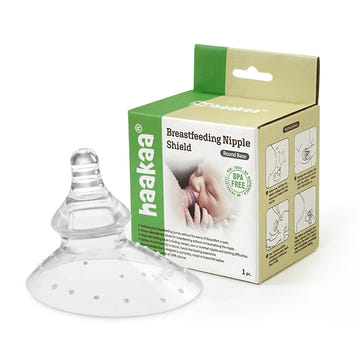
Haakaa Silicone Breastfeeding Nipple Shield Round Sh...
$19.05

Organic Nipple Butter™ - Double-Sided for Kids
$14.99

Ice Tray for the Baby-Led™ Gumline Feeder
$9.99
Comforting Your Fussy Baby Beyond Formula

Finding the right baby formula for gas and fussiness is a massive win, but it’s not the only tool you have. Sometimes, the real magic lies not just in what your baby eats, but in how they eat and what happens right after.
Think of it like this: the formula is the fuel, but your feeding technique is how smoothly the engine runs. A few small tweaks can stop your baby from swallowing extra air, a major cause of gas pains. These simple, hands-on techniques can offer almost instant relief and will work hand-in-hand with any formula you're using.
Mastering the Art of the Feed
The way you hold the bottle and pace the feeding can make a huge difference in how much air your baby takes in. A little prevention here really does go a long way in heading off discomfort later.
Paced Bottle Feeding is a total game-changer, especially because it mimics the natural rhythm of breastfeeding. Instead of tipping the bottle up and letting gravity do the work, you hold it more horizontally. You only need to tilt it just enough to fill the nipple with milk. This simple shift encourages your baby to suck and work for the milk, preventing them from gulping it down too fast and swallowing a bunch of air in the process.
The real goal here is to let your baby lead the way. Pacing gives them control and allows them to take little breaks, just as they would at the breast. It's a small change that can have a surprisingly big impact on how they feel after a feeding.
Another incredibly simple trick? Prepare bottles a little ahead of time. Shaking a bottle vigorously right before a feeding creates a swirl of air bubbles that end up right in your baby's belly. If you mix the formula even 10-15 minutes beforehand, those bubbles have time to settle, meaning more milk and less air for your little one.
Proven Techniques for Releasing Trapped Gas
Even with the best feeding form, some air is bound to sneak in. This is where you get to shine as a master burper and baby masseuse. These methods are all about physically helping those trapped gas bubbles move up and out.
A good burp is so much more than a few pats on the back. It’s about applying gentle, consistent pressure to your baby's tummy to help nudge those stubborn bubbles free. If you want to explore different positions and holds, our guide on the importance of burping your baby is a great resource.
Here are a few other tried-and-true techniques you can start using today:
- Bicycle Legs: Lay your baby on their back and gently pump their legs like they’re riding a bicycle. This motion gets their intestines moving and can physically push gas along.
- Knees to Tummy: With your baby on their back, gently bring their knees up toward their tummy, holding for a few seconds before releasing. That soft pressure on their abdomen can help dislodge trapped air.
- Tummy Time: Supervised tummy time isn't just for building neck strength! The gentle pressure on the belly is fantastic for relieving gas. Even just a few minutes here and there throughout the day can make a difference.
The Power of Gentle Tummy Massage
A gentle tummy massage is a wonderfully soothing way to help your baby’s digestive system get things moving. Using a little baby-safe lotion or oil, you can use light pressure to encourage gas to pass.
One of the most effective and well-known methods is the "I Love U" massage. It's designed to follow the natural path of the colon, helping to guide gas and stool through the intestines.
Here’s how it works:
- The "I": Gently trace the letter "I" down your baby's left side.
- The "L": Trace an upside-down "L," starting on their right side, moving across their belly, and then down the left side.
- The "U": Trace an upside-down "U," starting low on their right side, moving up and across their tummy, and finishing down the left side.
These loving, intentional movements don't just provide physical relief; they're also a beautiful way to connect and bond with your baby. When you combine these hands-on techniques with the right formula, you’ve got a powerful two-pronged approach to conquering gas and fussiness for good.
When to Call Your Pediatrician for Help
https://www.youtube.com/embed/thaJf0bdr7Y
Most of the time, a gassy, fussy baby is just… being a baby. It's a completely normal part of their development. But that little voice in the back of your head, your parental intuition, is a powerful tool. You’re the expert on your baby.
Knowing the difference between typical growing pains and a sign that something more serious is going on is key. The goal here isn't to make you worry, but to give you the confidence to know when it’s time to make that call to the doctor. While most fussiness can be eased by finding the right baby formula for gas and fussiness or tweaking your feeding routine, some symptoms are clear signals to get a professional opinion.
Red Flags That Need a Doctor's Attention
If you see any of the signs below, don't hesitate to call your pediatrician. These symptoms can point to underlying issues that go beyond simple gas, like a true cow's milk protein allergy (CMPA), gastroesophageal reflux disease (GERD), or other medical conditions.
- Projectile Vomiting: This isn't your average spit-up. We're talking about forceful, powerful vomiting that can shoot across the room.
- Blood in Stool: Any streaks of red blood or stools that look black and tarry should be addressed immediately.
- Not Gaining Weight: If your baby isn't gaining weight steadily or is actually losing weight, it's a critical sign they aren't getting what they need from their feedings.
- Extreme Irritability: This is more than just fussy crying. It’s inconsolable screaming that can last for hours, where nothing you do seems to bring any comfort at all.
- Signs of Dehydration: This includes having fewer than six wet diapers in a 24-hour period, a sunken soft spot (fontanelle) on their head, or crying without producing tears.
Trust your gut. You know your baby better than anyone. If something just feels wrong, it is always better to call the doctor for reassurance than to sit at home and worry.
A pediatrician is your partner in this. They can properly diagnose what’s going on, whether it requires a specialized formula, medication, or another treatment. Working together ensures your baby gets exactly what they need to feel better, grow, and thrive.
Got Questions? We've Got Answers
Stepping into the world of baby formula can feel like learning a new language, especially when you're just trying to help your fussy little one feel better. Let's clear up some of the most common questions parents have when looking for a formula to help with gas and fussiness.
How Long Until I See a Difference with a New Formula?
This is the big one, and the answer is: you need to give it a little time. It can take a few days, or even up to two full weeks, for your baby’s digestive system to get used to a new formula.
Think of it as a gentle adjustment period, not an instant fix. You're looking for small, gradual improvements in their gas, fussiness, and poops. Try not to jump from one formula to another too quickly, as that can make their tummy troubles even worse. Give it at least a solid week to see how things go, unless, of course, they have a bad reaction.
Are "Gentle" and "Sensitive" Formulas the Same?
It's a great question, and the answer is usually no, but it really depends on the brand. These terms can be confusing because they aren't standardized.
- "Gentle" or "Comfort" formulas typically use partially hydrolyzed proteins. This just means the milk proteins have been broken down into smaller pieces, making them easier for a baby's developing tummy to digest.
- "Sensitive" formulas, on the other hand, are often lactose-reduced. They're designed for babies who might have a tough time with the natural sugar found in milk.
The best way to know what you're getting is to ignore the marketing on the front and read the ingredients list on the back. Check if it says "partially hydrolyzed protein" for digestion ease or "reduced-lactose" for milk sugar sensitivity. That'll tell you what problem it's trying to solve.
Can I Mix Two Different Formulas Together?
It's best to avoid mixing different types of formula in the same bottle unless your pediatrician has given you the green light. Every formula is carefully crafted with a specific balance of proteins, fats, and carbs to meet your baby's nutritional needs. Mixing them can throw that delicate balance off.
If you're in the process of switching from one formula to another, the safest bet is a gradual transition. You can do this over a few days by slowly phasing out the old formula and increasing the new one, bottle by bottle. This gives your baby's system a chance to adapt without any sudden shocks.
Do Probiotics in Formula Actually Work for a Fussy Baby?
The research here is really promising. There's growing evidence that certain probiotics, especially well-studied strains like L. reuteri and BB-12, can make a real difference for infant gut health.
These "good bacteria" help create a happy, balanced environment in your baby's digestive tract. For some little ones, this can lead to less crying and more predictable poops. While they aren't a magic bullet for every baby, a formula with added probiotics is definitely a tool worth considering. Just be sure to run it by your pediatrician first to make sure it's the right move for your baby.
For breastfeeding moms looking for a natural, drug-free way to find comfort, MoogCo offers a simple, time-tested solution to soothe and protect sore nipples. Our silver nursing cups create a gentle healing environment, helping you make the most of your nursing journey. Discover the comfort of MoogCo’s Original Silver Nursing Cups today.
Bring this guide home with 25% off.
Use code MAMA25 for 25% off →
Featured pick from Moogco
MOOGCO Silver Nursing Cups 925k Silver - Protect Against Sore Breasts And Nipple Irritation
$45.90 $49.90
Shop this pick → Frequently Asked Questions
Should I switch formulas if my baby is only a little bit fussy?
Not necessarily. All babies have some level of fussiness as their digestive systems mature, and it's completely normal. If your baby is gaining weight well, having regular wet and dirty diapers, and the fussiness is manageable, you may not need to switch at all. However, if the fussiness is severe, constant, or accompanied by signs like blood in the stool or poor weight gain, talk to your pediatrician about trying a different formula.
Is it normal for formula-fed babies to be gassier than breastfed babies?
Yes, formula-fed babies can sometimes experience more gas because formula takes longer to digest than breast milk and may contain ingredients that are harder for immature digestive systems to break down. That said, plenty of breastfed babies struggle with gas too, so it's not a universal rule. The key is finding a formula that works well for your baby's unique tummy, and using good feeding techniques to minimize swallowed air.
Can overfeeding cause gas and fussiness in babies?
Absolutely. When a baby's stomach gets too full, it can lead to discomfort, spit-up, and extra gas as their system works overtime to process all that milk. Pay attention to your baby's hunger cues and try paced bottle feeding, which gives them more control over how much and how fast they eat. If your baby seems uncomfortable after every feeding, you might be offering too much at once.
What's the difference between a milk protein allergy and a sensitivity?
A true milk protein allergy involves the immune system and can cause symptoms like blood in the stool, hives, vomiting, or severe reactions. A sensitivity, on the other hand, is much milder and usually shows up as gas, fussiness, or loose stools without the immune response. Sensitivities are far more common and may improve as your baby's digestive system matures, while allergies typically require a hypoallergenic formula under a doctor's care.
Will a gentle formula help with my baby's reflux or just gas?
Gentle formulas with partially hydrolyzed proteins can sometimes help with both gas and mild reflux because they digest faster and move through the stomach more quickly. However, if your baby has moderate to severe reflux, your pediatrician might recommend a thickened formula or one specifically designed for reflux. Gas and reflux often go hand in hand, so addressing one can sometimes improve the other.
How do I know if my baby needs a lactose-free formula?
True lactose intolerance in babies is very rare. Signs that your baby might benefit from a reduced-lactose or lactose-free formula include very watery, explosive stools, excessive gas, and fussiness after every feeding. However, these symptoms can also point to other issues like a protein sensitivity, so it's important to work with your pediatrician before making the switch. Most babies digest lactose just fine once their systems mature a bit.
Are organic formulas better for gassy babies?
Not necessarily. Whether a formula is organic doesn't directly affect how easy it is to digest. What matters most for a gassy baby is the protein structure, lactose content, and added digestive aids like probiotics. That said, some organic formulas do come in gentle or comfort versions with partially hydrolyzed proteins, so you can find options that check both boxes if organic is important to you.
Can I give my baby gas drops along with a new formula?
Yes, many parents use gas drops alongside formula changes to provide extra relief while their baby's system adjusts. Gas drops containing simethicone are generally considered safe and can help break up gas bubbles in the tummy. Just keep in mind that gas drops are a short-term comfort measure, not a long-term solution. Pairing them with the right formula and good feeding habits is the best approach for lasting relief.
From Moogco Studio
Printable and personalized nursery essentials. Designed by moms for moms.


About the Editor
Eda Ulger is the editor at Moogco Baby and a mom of two. She curates and edits our guides so every piece is honest, practical, and genuinely helpful for the early days of motherhood.
Shop This Story
Picks related to this guide, ready to ship from Moogco.

ezpz Baby-Led Gumline Feeder silicone pouch for baby...
$13.99
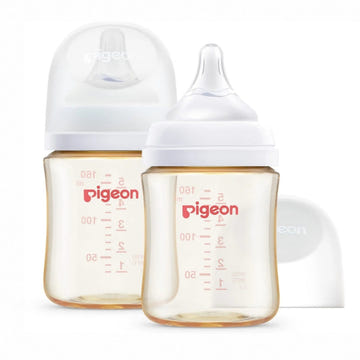
Pigeon PPSU Wide Neck Baby Bottle 2 Pack 5.4 oz Newborn
$34.99

Silicone Nipple (LL), 9+ Months
$21.99
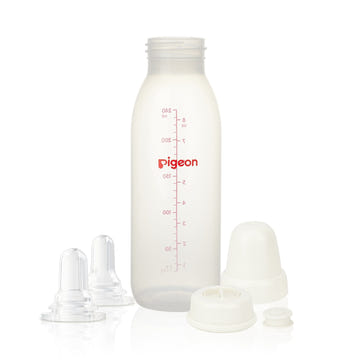
Pigeon Baby Cleft Lip/Palate Bottle 8.11 Oz 2 Nipples
$19.90
Bae & Bee Boutique Maymom Silicone Medela Flange Ins...
$6.00
Bae & Bee Boutique Silicone Flange Inserts 10-21mm
$16.00
Healthy Horizons Elvie Pump Breast Shields 2 Pack 21...
$29.99

ezpz Tiny Plate open plate for self-feeding and uten...
$18.99
Mason Bottle Silicone Nipples 2 Pack Regular-Mouth B...
$12.99
Haakaa Freeze-N-Feed Mini Combo Fresh Food Feeder Set
$19.90