


Quick answer: For most new moms, a double electric breast pump is the best starting point: it empties both breasts in 15 to 20 minutes and is covered by most US insurance plans. Choose a wearable pump for hands-free pumping at work, a manual pump as an inexpensive backup, and a hospital-grade pump when you're establishing supply for a preemie or exclusively pumping.
The best breast pump for new moms really comes down to what your daily life looks like. A wearable pump can be a game-changer for a mom on the move, while a powerful double electric model is a workhorse for building a solid milk supply. Some of the most loved pumps out there are efficient workhorses like the Spectra S1, super portable options like the Elvie Stride, and versatile all-rounders like the Motif Luna.
Your Guide to Choosing the Right Breast Pump
Before you spend a dollar: under the Affordable Care Act, nearly every US insurance plan must cover a breast pump at no cost to you. The smart play is deciding what to get through insurance and what is worth upgrading out of pocket. This guide walks you through both.
Welcome to motherhood! With so many options out there, picking a breast pump can feel like a huge decision, but it doesn't have to be stressful. I'm here to walk you through it, starting with a look at top picks for different situations before we get into the nitty-gritty of what makes each pump type special.

You're definitely not alone in this search. The global breast pump market is expected to hit around $3.51 billion by 2025, which just goes to show how many new parents count on them. Electric pumps, in particular, are a favorite for their sheer efficiency. (You can see more on the market growth over at Precedence Research.)
Top-rated pumps + accessories
Pumping made simpler
Take 15% off eligible items at checkout, applied automatically when you shop through this link.
Shop with MOM15 →Free US shipping over $100. Code applies automatically at checkout.
Think of this as your personal roadmap. We'll find a pump that truly supports your feeding goals, works with your budget, and actually fits into your new life. Whether you’re planning to pump exclusively, just once in a while, or need a "just-in-case" backup, you'll find the practical advice you need right here. For even more help, feel free to check out our complete guide on finding the best lactation products.
Quick Pump Selector for Every Mom
Let's make this simple. This little table is your cheat sheet to see which pump type might be the right fit based on your main goal.
| Your Pumping Goal | Recommended Pump Type | Why It's a Great Fit |
|---|---|---|
| Pumping multiple times daily | Double Electric Pump | These are the gold standard for efficiency, helping you establish and maintain your milk supply. A lifesaver for working moms or exclusive pumpers. |
| Pumping on the go | Wearable Breast Pump | For true freedom, nothing beats a wearable. You can pump while commuting, in a meeting, or tackling chores without being plugged into a wall. |
| Occasional or backup use | Manual Breast Pump | Simple, budget-friendly, and super portable. Perfect for relieving engorgement or for when you're just away from your baby for a couple of hours. |
| Establishing supply early on | Hospital-Grade Pump | This is the heavy-hitter. It offers the strongest, most effective suction to get your milk production started right in those critical first few days. |
Think of this as a starting point. As we dive into the details of each type, you'll get an even clearer picture of which one will become your trusted sidekick on this journey.
Picks From This Story
Picks related to this guide, ready to ship from Moogco.

Healthy Horizons Elvie Stride Diaphragms 2 Pack
$21.99
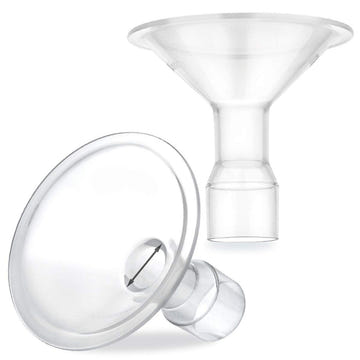
Bae & Bee Boutique Maymom Narrow Neck Flange compati...
$15.00
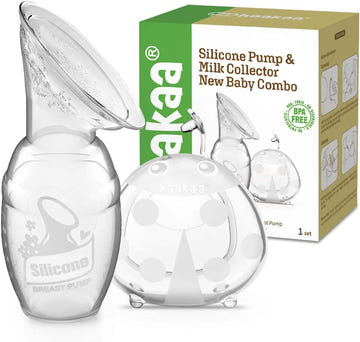
Haakaa Silicone Pump and Ladybug Milk Collector Comb...
$30.32
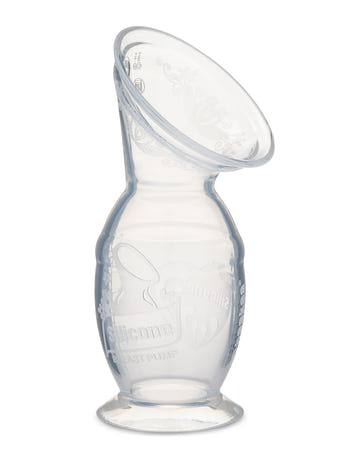
Haakaa Generation 2 Silicone Breast Pump 5 oz Suctio...
$20.99
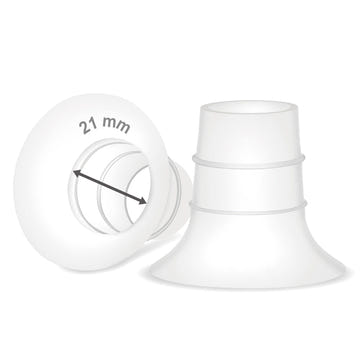
Bae & Bee Boutique Maymom Silicone Medela Flange Ins...
$6.00
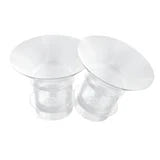
Bae & Bee Boutique Silicone Flange Inserts 10-21mm
$16.00
Comparing the Different Types of Breast Pumps
| Pump type | Typical price | Best for | Trade off |
|---|---|---|---|
| Wearable (in bra) | $100 to $350 | Pumping while working, driving, or chasing a toddler | Slightly lower output than a strong double electric for some moms |
| Double electric | $100 to $300 | Daily pumping and building a freezer stash | Tethered to tubes and a motor unit during sessions |
| Hospital grade | $300+ or rental | Establishing supply with a NICU baby or exclusive pumping | Price and size; many moms rent or buy refurbished instead |
| Manual | $15 to $40 | Occasional relief, travel, and the diaper bag backup | One side at a time and hand fatigue with daily use |

Finding the best breast pump for you isn't just about comparing features on a box. It’s about figuring out how a pump will fit into your life, your schedule, your pumping goals, and your day-to-day reality. Let's walk through the main types of pumps you'll find and see where each one really shines.
This little decision tree is a great place to start thinking about which pump might be your best match.

As you can see, thinking about why and how often you'll be pumping is the perfect first step to narrowing down the huge world of options.
Manual Breast Pumps
Think of a manual breast pump as simplicity itself. It’s super lightweight, only has a few parts to clean, and doesn't need batteries or an outlet. You're in total control of the suction and speed by squeezing a handle.
This makes it an absolute lifesaver for occasional use. Need to relieve some uncomfortable engorgement? Or maybe pump a bottle so you can run out for a few hours? A manual pump is your best friend. They’re cheap, totally silent, and easy to just toss in your diaper bag.
But let’s be real: if you need to pump multiple times every single day, relying on a manual pump would be exhausting and not nearly as effective. It's a fantastic backup to have, but it’s not built to be a primary pump for establishing or maintaining your supply.
Double Electric Breast Pumps
This is the tried-and-true workhorse of the pumping world. For moms heading back to the office or exclusively pumping, a double electric pump is often the best breast pump for new moms. Their whole design is built around efficiency, letting you express milk from both breasts at the same time and cutting your pumping sessions in half.
These pumps come with powerful motors, lots of different suction levels, and expression modes designed to mimic how a baby nurses. That power is exactly what you need to build and maintain a strong milk supply. While they aren't as portable as other options and usually need to be plugged in, their performance for daily, heavy-duty use is simply unmatched.
Wearable Breast Pumps
Wearable pumps have completely changed the game for pumping moms. These are tiny, all-in-one motors that you slip right into your bra, letting you pump hands-free and without anyone knowing. No tubes, no dangling bottles, no being tied to a wall.
Just imagine pumping while you're on a work call, walking the dog, or making dinner. That's the freedom a wearable pump like the Moogco Freedom Go offers. While they might not have the same raw power as a big, traditional double electric, the convenience factor is a massive win for moms who need to pump on the go without missing a beat. They are a fantastic choice for keeping your supply up while living a busy life.
Key Insight: The choice between a double electric and a wearable often comes down to power versus portability. A double electric is for maximizing how much milk you get in a dedicated session. A wearable is for weaving pumping seamlessly into your active day.
Hospital-Grade Breast Pumps
Hospital-grade pumps are the absolute strongest and most durable pumps you can get. You typically rent these instead of buying them, and you'll often use one in the hospital right after birth, especially if your baby is in the NICU or is having a tough time latching.
Their powerful suction and incredibly precise settings are specifically designed to establish a milk supply when it matters most. The technology they use, like closed-system pumps that prevent milk from backing up into the tubing, is now becoming standard. In fact, closed systems are expected to make up over 63% of the market by 2025. These powerful machines also drove more than 60% of revenue in their market segment in 2024, showing just how critical they are.
For most moms, a hospital-grade pump is a temporary helper to get things going. After that, they usually switch to a personal double electric or wearable pump for the long haul.
Picking the right pump is a huge step, but it's only one piece of the puzzle. For a complete list of everything you might need, check out our guide on breastfeeding must-haves to make sure you're totally prepared.
The Features That Actually Matter
When you start shopping for a breast pump, the technical jargon can make your head spin. But trust me, finding the best breast pump for new moms isn’t about picking the one with the most high-tech features. It's about knowing which details will make your life easier when you're tired, busy, and just trying to feed your baby.
Let's cut through the noise. We'll focus on the practical stuff that affects your comfort, how much milk you get, and whether the whole process feels manageable or like a total chore.

Suction Strength and Pumping Modes
Let's clear up a huge misconception: stronger suction does not equal more milk. In fact, cranking the suction up too high is a fast track to pain, nipple damage, and can even tank your supply over time. The real key is finding a pump with a good range of adjustable settings that feel comfortable for you.
A great pump will mimic how a baby naturally nurses by using two different modes:
- Stimulation Mode: Think of this as the "wake-up call." It uses a fast, light fluttery suction to tell your body it's time to release milk (this is called triggering your let-down).
- Expression Mode: Once the milk starts flowing, the pump switches to a slower, deeper, more rhythmic pull. This is what efficiently empties your breasts.
Being able to tweak the strength in both modes is what helps you find that perfect setting for a productive and, most importantly, comfortable session.
The Critical Importance of Flange Fit
If you take away only one thing from this guide, let it be this: proper flange fit is everything. The flange is that plastic funnel part that goes over your nipple. Get the size wrong, and you're in for a world of hurt.
If it’s too small, it’ll pinch and can block your milk ducts. Too big, and it pulls in too much of your areola, which causes swelling and soreness. An ill-fitting flange is one of the biggest reasons moms give up on pumping. Most pumps come with a standard 24mm flange, but our bodies aren't one-size-fits-all. Taking a few minutes to measure yourself is absolutely non-negotiable.
Real-World Impact: Think of it like a pair of running shoes. You wouldn't try to run a marathon in shoes that are two sizes too small, right? It would be agonizing and you’d probably get injured. A breast pump flange is the same, the right fit prevents pain and helps you hit your goals.
Closed System vs. Open System Pumps
When it comes to your baby’s milk, you can’t be too careful about hygiene. This is where the difference between a closed and open system pump really matters.
- Closed-System Pumps: These are designed with a barrier, often called a backflow protector, that stops milk from ever getting into the pump’s tubing or motor. This is huge, as it prevents moisture from building up and creating a breeding ground for mold.
- Open-System Pumps: These pumps don't have that protective barrier, so tiny milk particles can sometimes get into the tubes. While often less expensive, they require you to be extra vigilant about cleaning and thoroughly drying the tubing to avoid contamination.
For your peace of mind and just plain easier cleanup, a closed system is the way to go. The good news is that most modern electric pumps are now built this way. Of course, you still need to clean your parts after every use. For a step-by-step guide, check out our post on how to clean breast pump parts correctly.
Feature Comparison Across Pump Types
To make sense of it all, let's break down how these features stack up across the different types of pumps you'll encounter.
| Feature | Manual Pump | Double Electric Pump | Wearable Pump | Hospital-Grade Pump |
|---|---|---|---|---|
| Portability | Excellent | Good (some models are very compact) | Best (in-bra design) | Poor (heavy, bulky) |
| Suction Power | User-controlled | Strong & adjustable | Good (often slightly less power than traditional) | Strongest (highly customizable) |
| Hygiene | Good (fewer parts) | Excellent (most are closed systems) | Excellent (closed systems) | Excellent (designed for multiple users) |
| Noise Level | Silent | Moderate to quiet | Very quiet & discreet | Can be loud |
This table gives you a quick snapshot, but remember, the "best" choice really depends on how and where you plan to be pumping.
Portability, Noise, and Battery Life
Finally, think about your real-life, day-to-day routine. A mom who primarily works from home will have very different needs than a nurse working a 12-hour shift or a mom who travels for her job.
Ask yourself these practical questions:
- Portability: Do you need something you can toss in your purse for an evening out, or will your pump live on your nightstand? Wearable pumps and compact battery-operated ones offer the most freedom.
- Noise Level: A quiet motor is a game-changer for pumping next to a sleeping baby or for trying to be discreet on a work call. Some pumps are whisper-quiet, while others have a noticeable hum.
- Battery Life: If you know you'll be pumping on the go, a reliable rechargeable battery is a must. Check the specs to see how many 20-minute pumping sessions you can expect from a full charge.
One thing no pump box mentions: the first weeks of pumping can leave your nipples as sore as nursing does. A badly sized flange is the usual culprit, so size that first. While the skin recovers, many pumping moms wear silver nursing cups between sessions and keep leaks in check with the right nursing pads.
More Related Picks
A few more favorites from the same collection.
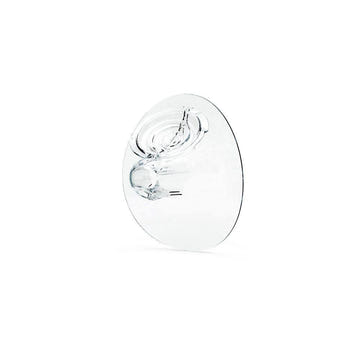
Healthy Horizons Elvie Pump Breast Shields 2 Pack 21...
$29.99
Bae & Bee Boutique Duckbill Valve Pink Replacement F...
$14.00
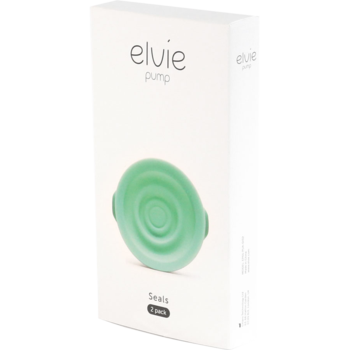
Healthy Horizons Elvie Pump Seals 2 Pack Spare Diaph...
$16.99
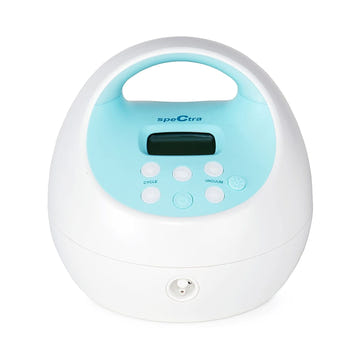
LL Medico Spectra S1 Plus Rechargeable Double Electr...
$216.00
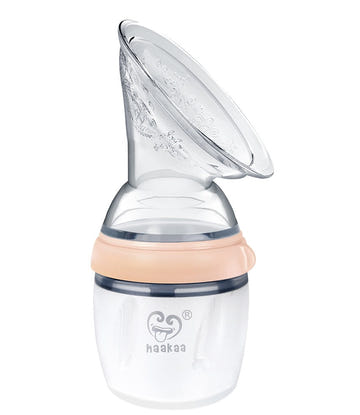
Haakaa Silicone Breast Pump Generation 3 160ml 250ml
$28.99
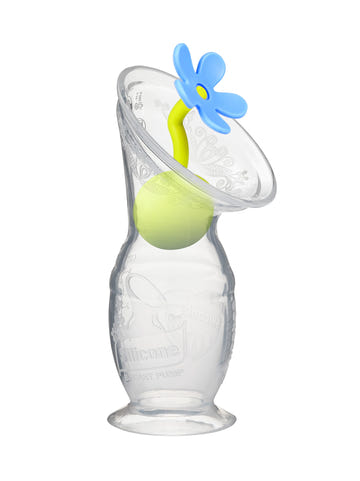
Haakaa Gen 2 Silicone Breast Pump 4 oz with Suction ...
$26.99
Making Sense of Insurance and Creating Your Pumping Plan
You've done the hard work of picking the best breast pump for new moms, but now comes the part that can feel just as tricky: figuring out how to get it and how to make it work for your life. The great news is that the Affordable Care Act (ACA) requires most health insurance plans to cover the cost of a breast pump.
Let's walk through how to navigate the insurance maze and then build a pumping plan that actually fits your routine.
How to Get Your Insurance-Covered Breast Pump
Getting your pump covered by insurance is usually pretty straightforward, but you have to be your own advocate. The very first thing you should do is call your insurance provider. The member services number on the back of your card is your direct line to the answers you need.
When you get someone on the phone, have these questions ready to go:
- Which pumps are fully covered? Some plans will cover a solid double electric pump at 100%, but might ask you to pay an "upgrade fee" if you want a premium wearable or hospital-grade model.
- Will I need a prescription? Almost always, yes. Your insurance will likely need a prescription from your OB-GYN or midwife to confirm it's medically necessary.
- When can I actually order my pump? This varies a lot. Some plans let you order as soon as you hit the third trimester, while others make you wait until after the baby has arrived.
- Where do I get it from? Insurance companies work with specific Durable Medical Equipment (DME) suppliers. You’ll have to order through one of their approved partners to get coverage.
With this info and your prescription in hand, you can head to the DME supplier's website, plug in your insurance details, and see all your covered options.
My Two Cents: Don't skip the phone call to your insurance company. Websites can be generic, but a conversation will give you the exact details for your plan, saving you a ton of time and protecting you from unexpected bills.
Creating a Pumping Plan That Works for You
Having the pump is one thing; knowing when and how to use it is what really sets you up for success. Your pumping schedule will absolutely change as your baby grows, but starting with a basic framework makes everything feel less overwhelming.
A good plan helps you build a solid milk supply, gives you the freedom of a freezer stash, and can make going back to work feel much more manageable. If you're heading back to the office, our guide on pumping breast milk as a working mom has some fantastic, real-world strategies.
A Quick Guide to Pumping Frequency
How often you pump really depends on your goals, are you exclusively pumping, or are you just trying to build a small backup supply?
- To Establish Your Supply (First 6 weeks): Think like a newborn. Aim to pump 8-12 times in a 24-hour period. That means pumping every 2-3 hours, and yes, that includes at least one middle-of-the-night session.
- To Maintain Your Supply (6 weeks and beyond): Once your body gets the hang of things, you can often scale back to 6-8 sessions a day. For moms back at work, this usually looks like pumping every 3-4 hours during the day.
- To Build a Freezer Stash: The "power hour" is in the morning! Many moms have their highest milk volume then. Try adding one short pumping session about 30-60 minutes after your baby’s first morning feed to start stocking up.
And remember, consistency is key. A solid 15-20 minutes per session is usually all it takes to empty your breasts, which is the signal your body needs to keep making more milk. Set up a comfy little pumping station with water, snacks, and a picture of your little one to help make it a more positive, and productive, experience.
Moogco Baby Solutions for Modern Moms

Alright, you've got the lay of the land when it comes to pump types. Now, let’s talk about how the right tools can actually fit into your real, everyday life. Here at Moogco Baby, we’re obsessed with creating products that solve the actual problems modern moms run into. It's not about a long list of features; it's about making your breastfeeding journey feel a little less complicated and a lot more you.
We know that finding the best breast pump for new moms is so much more than a simple purchase, it’s about matching the right gear to your specific lifestyle. Whether you’re a working mom who needs to maximize every minute or a multitasking parent who’s always on the go, the right pump changes everything.
Let's dive into our two flagship models and see which one sounds more like your life.
For the Mom Needing Power and Efficiency
Heading back to work? Building up a serious freezer stash? You need a pump that’s a total workhorse, powerful, efficient, and above all, reliable. That’s exactly why we built the Moogco EliteFlow Double Electric Pump.
Think about it: you’re back at your desk, trying to squeeze in a pumping session between meetings. The EliteFlow’s hospital-strength suction and multiple expression modes are designed to get the job done quickly, helping you get the most milk in the least amount of time. That kind of efficiency is what protects your milk supply when you’re navigating a packed schedule.
Plus, its quiet motor won’t announce your pumping break to the entire office, and the closed system design gives you one less thing to worry about. For the mom whose pumping time is precious, the EliteFlow delivers the performance you can count on.
For the Mom Who Never Stops Moving
Let’s be honest, life with a little one is a whirlwind. Between juggling household chores, running errands, and chasing after older kids, sitting still isn’t always an option. This is exactly the kind of day the Moogco Freedom Go Wearable Pump was made for.
The Freedom Go is all about giving you your hands, and your life, back. These super-lightweight cups slip right inside your regular nursing bra, so you can pump without being tethered to a wall or a clunky motor. You can fold laundry, take a work call, or just enjoy a quiet moment on the couch, all while pumping discreetly. Nobody has to know.
The Real-World Difference: Think of the EliteFlow as your dedicated power station, perfect for scheduled, high-output sessions. The Freedom Go, on the other hand, is your secret weapon for weaving pumping into the fabric of your day, helping you keep your supply up without ever hitting pause.
Creating a Complete Circle of Support
A great pump is a game-changer, but it’s just one piece of the puzzle. At Moogco Baby, we truly believe in creating a whole ecosystem of support to care for you and your baby. Let’s face it, pumping and nursing can be tough on your body, and having the right comforts can make all the difference.
Your well-being is our top priority. That’s why we’ve developed a whole line of products to soothe and support you through it all:
- Soothing Nipple Balms: Our all-natural formulas are perfect for providing relief to sore, cracked nipples, helping you heal between feeds.
- Comfortable Nursing Bras: Designed for easy, one-handed access and gentle support, our bras make nursing and pumping feel less like a chore.
- Hygienic Cleaning Supplies: Keeping pump parts sterile is non-negotiable. Our specialized brushes and soaps make cleanup fast and foolproof.
We also know how common nipple sensitivity is for new moms. For gentle, natural relief, silver has been a lifesaver for many. You can learn more in our guide to the best silver nursing cups and see how they can become a key part of your self-care routine. When you pair a top-tier pump with these essential accessories, you’re building a holistic system that supports your health, comfort, and breastfeeding goals from the very beginning.
Still Have a Few Questions? Let's Clear Them Up
Alright, so you've waded through all the different types of pumps and features. It's totally normal if your head is still spinning a little. Choosing the right breast pump is a big deal, and it's smart to make sure all your questions are answered before you make a final decision.
Let's walk through some of the most common things moms wonder about. Think of this as the final check-in to make sure you're feeling totally confident and ready for your pumping journey.
How Do I Figure Out My Flange Size?
This is, without a doubt, one of the most important pieces of the pumping puzzle. The right flange size is everything, it affects your comfort, how much milk you get, and your overall success. A bad fit can cause pain, damage your nipples, and even tank your supply.
Most pumps come with a standard 24mm flange, but let's be real, our bodies aren't one-size-fits-all. A good fit means your nipple can move freely in the flange tunnel without rubbing the sides. You should also see just a tiny bit of your areola being pulled in with each suction. If it feels like your whole areola is being sucked in or you're feeling a pinch, you definitely need a different size.
Pro Tip: A lot of brands have printable sizing rulers on their websites, which is a fantastic place to start. If you want to be absolutely sure, a quick session with a lactation consultant is worth its weight in gold. They can measure you professionally and give you personalized advice.
When Should I Actually Start Pumping?
The "right" time to start pumping really comes down to your unique situation and what you're hoping to achieve with breastfeeding. There isn't a single magic answer, but there are some solid guidelines to follow.
If you and your baby are nursing directly and everything's going smoothly, most lactation experts will suggest holding off on the pump until your supply is fully established. This usually happens around 3 to 4 weeks postpartum. Waiting gives you both a chance to get the hang of breastfeeding without introducing a different nipple flow that could confuse your little one.
Of course, there are exceptions. If your baby is having trouble latching, is in the NICU, or if you know you'll be heading back to work early on, you might need to start pumping much sooner to build and maintain your milk supply. The best thing to do is have a chat with your doctor or a lactation consultant to map out a plan that feels right for you and your family.
Can I Use My Pump to Increase My Milk Supply?
Absolutely! The name of the game with milk production is supply and demand. The more milk you remove, the more your body gets the signal to make more. Pumping consistently and effectively is the best way to send that signal loud and clear.
Here are a few tried-and-true tricks that have helped countless moms:
- Add a Pumping Session: Squeeze in one extra pumping session each day. First thing in the morning is usually a great time, since that's when supply tends to be highest.
- Give Power Pumping a Go: This is a technique that mimics a baby's cluster feeding. It involves a specific one-hour schedule of pumping and resting to really kick your production into high gear.
- Help Your Let-Down: Your let-down reflex is key. Looking at a photo of your baby or watching a sweet video of them can work wonders to get the milk flowing.
And don't forget the basics: staying hydrated, eating nourishing food, and getting as much sleep as a new parent possibly can.
Here at Moogco Baby, we get it. We're here to back you up on every step of this incredible ride. From smart pumps designed for real life to the coziest nursing essentials, we've put together everything you need to feel supported and cared for. Take a look at our collections and find the perfect tools for your journey.
Discover the Moogco Baby collection today!
Bring this guide home with 15% off.
Use code MOM15 for 15% off →
Frequently Asked Questions
How often should I replace breast pump parts?
Most pump parts like valves and membranes should be replaced every 1 to 3 months depending on how often you pump, while flanges can last 3 to 6 months with proper care. If you notice any cracks, discoloration, or a drop in suction strength, replace parts right away. Keeping fresh parts on hand ensures your pump works efficiently and stays hygienic.
Is it normal for pumping to hurt?
No, pumping should never be painful. If you're feeling discomfort, it's usually a sign that your flange size is wrong, your suction is set too high, or you need to adjust your positioning. Start with lower settings and make sure your nipple moves freely in the tunnel without rubbing. If pain continues, reach out to a lactation consultant to troubleshoot.
Can I pump into the same bottle throughout the day?
You can add freshly pumped milk to refrigerated milk from earlier in the day, but make sure to cool the fresh milk in the fridge first for about 30 minutes before combining them. Never add warm milk directly to cold milk, as it can raise the temperature and affect freshness. Always label your bottles with the date and time of the first pump session.
Do I need to sterilize pump parts after every use?
After each pumping session, you need to wash pump parts with hot soapy water or run them through the dishwasher, but you don't need to sterilize every single time. Sterilizing once a day or a few times a week is plenty for healthy, full-term babies. Just make sure all parts are completely dry before reassembling to prevent mold or bacteria growth.
What's the difference between a closed system and an open system pump?
A closed system pump has a barrier that keeps milk and moisture from getting into the tubing and motor, making it more hygienic and easier to clean. Open system pumps don't have that barrier, so milk can sometimes back up into the tubes, which means you need to clean or replace them more often. Closed systems are becoming the standard and are especially important if you're sharing or renting a pump.
Can I use a breast pump while I'm still learning to breastfeed?
Yes, but it's usually best to wait until breastfeeding is well established, around 3 to 4 weeks postpartum, unless your healthcare provider advises otherwise. If you need to pump earlier because of latch issues, low supply, or separation from your baby, that's totally fine and often necessary. Just work closely with a lactation consultant to make sure pumping supports rather than interferes with your breastfeeding goals.
How long do breast pump motors typically last?
Most personal-use breast pumps are designed to last around 6 months to a year of regular daily use, though some higher-end models can go longer. If you're planning to pump for multiple children, check the warranty and motor lifespan before buying. Wearable and manual pumps may have different durability, so always follow the manufacturer's guidance on care and expected use.
Will insurance cover a wearable pump or only a traditional electric pump?
Most insurance plans in the U.S. cover one breast pump per pregnancy under the Affordable Care Act, and many now include wearable pumps in their approved lists. However, coverage varies widely by provider and plan, so it's important to check with your insurance directly or use a pump supplier that handles insurance verification. Some plans may require you to choose from a specific list of brands or models.
From Moogco Studio
Printable and personalized nursery essentials. Designed by moms for moms.


Should I get a wearable pump or a regular double electric pump?
If you will pump mostly at home on a predictable schedule, a double electric usually gives the strongest, most consistent output for the money. If you need to pump at work, in the car, or while caring for other kids, a wearable earns its price in freedom. Many moms end up with both: insurance covers the double electric and they pay out of pocket for the wearable.
About the Editor
Eda Ulger is the editor at Moogco Baby and a mom of two. She curates and edits our guides so every piece is honest, practical, and genuinely helpful for the early days of motherhood.
Shop This Story
Picks related to this guide, ready to ship from Moogco.
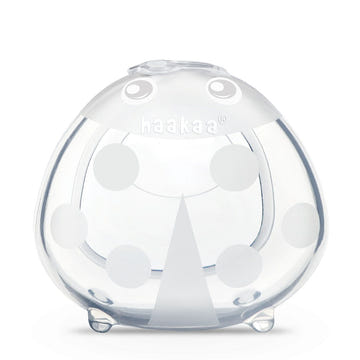
Haakaa Ladybug Silicone Milk Collector 2.5 oz 75 ml
$17.99
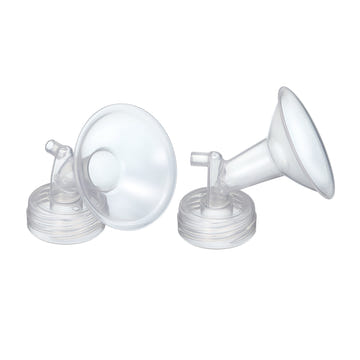
Cimilre Breast Shields set of two 21mm 24mm 28mm 32mm
$19.99
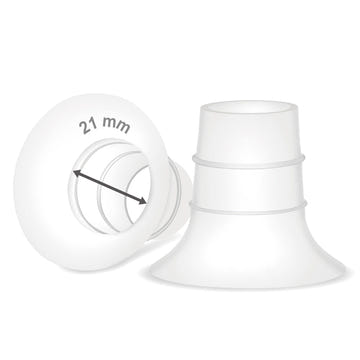
Bae & Bee Boutique Maymom Elvie Flange Inserts Semi-...
$6.00
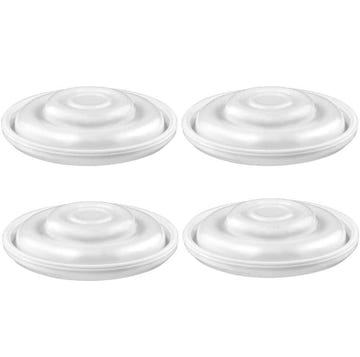
Bae & Bee Boutique 4pc Maymom Silicone Membrane for ...
$10.00
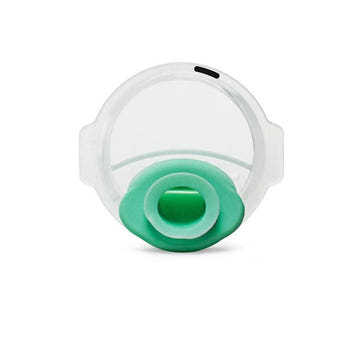
Healthy Horizons Breastfeeding Centers Elvie Pump Sp...
$16.99
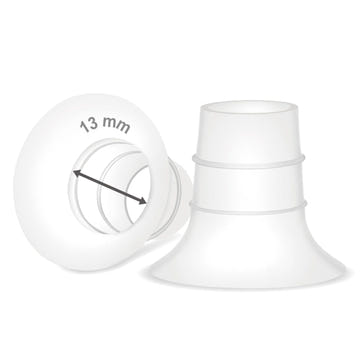
Healthy Horizons Maymom Flange Short Inserts 2 Pack ...
$14.99
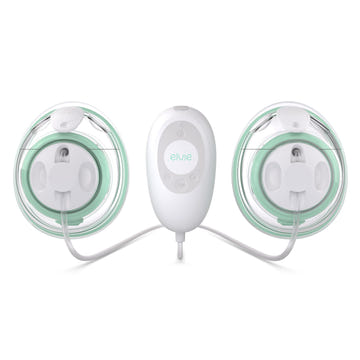
Healthy Horizons Elvie Stride wearable hands-free br...
$189.99
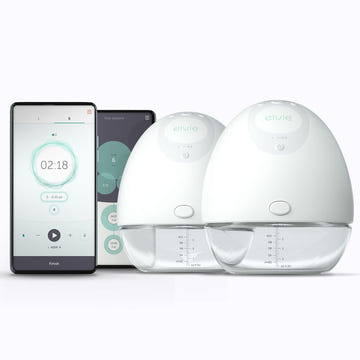
Healthy Horizons Elvie Double Electric Wearable Brea...
$549.99
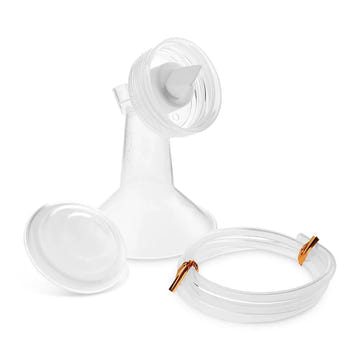
Spectra Wide Neck Breast Flange Kit
$15.99
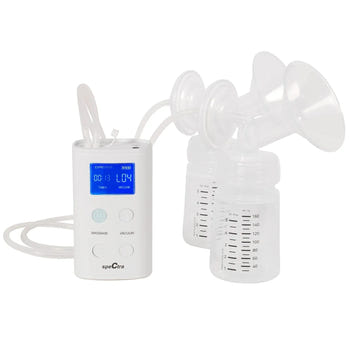
LL Medico Spectra 9 Plus Premier Portable Rechargeab...
$194.00