


When you’re on the hunt for organic baby gear, trust and transparency are everything. You want products that really live up to their claims—no hidden chemicals, no compromises.
From GOTS-certified cotton sleepers to eco-friendly diapers and sturdy glass bottles, these favorites bring together safety, comfort, and planet-friendly design.
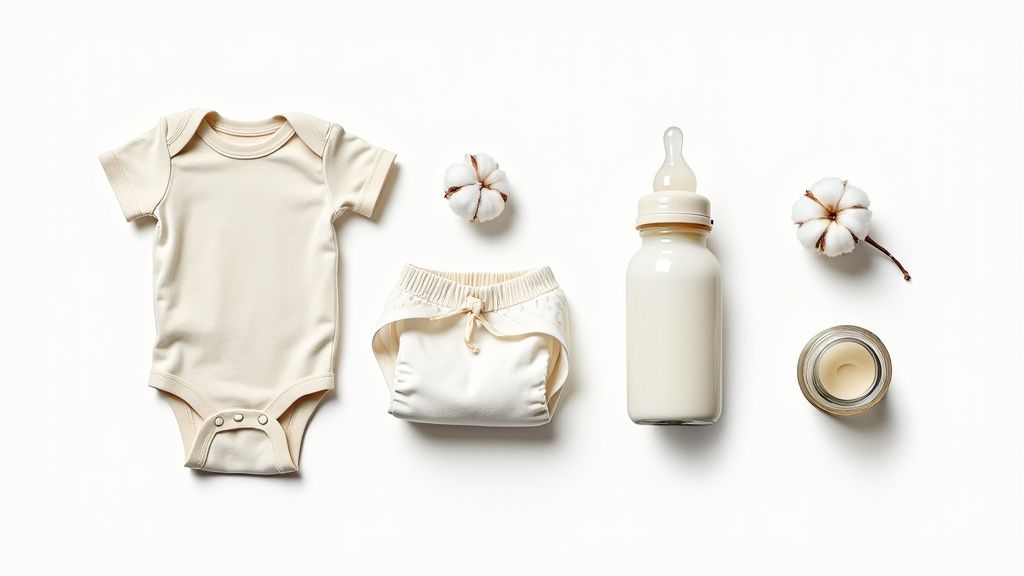
Why Best Organic Baby Products Are Essential
Certifications aren’t just fancy logos—they’re your warranty that materials and ingredients have been rigorously tested against strict health and environmental standards. That means you’re keeping harsh pesticides, synthetic dyes, and irritating additives far away from your baby’s delicate skin.

- Certification Alerts: Seals like USDA Organic, GOTS, and COSMOS confirm that fabrics and formulas meet high-purity benchmarks.
- Safety Standards: Organic lotions and textiles cut out pesticides, parabens, and synthetic fragrances for maximum gentleness.
- Category Checkpoints: Mini-checklists for clothing, feeding gear, toys, bedding, and diapers highlight the must-have features you can’t miss.
- Mom-Tested Stories: Real families share wins—like Sarah’s experience with Moogco Silver Nursing Cups easing nursing discomfort and supporting longer breastfeeding.
- Registry Roadmap: Simple, budget-friendly steps to build an organic baby registry without feeling overwhelmed.
For a quick overview, here are our top organic essentials to get you started:
Free US shipping over $100
Real essentials, picked by real moms
Take 25% off at checkout, applied automatically when you shop through this link.
Shop with READER25 →Free US shipping over $100. Code applies automatically at checkout.
Quick Recommendations For Best Organic Baby Products
Below is a snapshot of our favorite organic baby picks to help you shop with confidence right away.
| Product Category | Top Pick | Key Benefit |
|---|---|---|
| Clothing | Certified Organic Cotton Sleepsuit | Breathable softness for delicate skin |
| Skincare | Natural Shea Butter Lotion | Hydrates without synthetic additives |
| Feeding | Glass Baby Bottle | BPA-free and durable design |
| Diapers | Biodegradable Diapers | Eco-friendly disposal system |
| Toys | Wooden Teether Set | Non-toxic and safe chewing |
| Bedding | GOTS Organic Crib Sheet | Chemical-free breathable fabric |
This snapshot gives you a clear starting point before you dive deeper.
Choosing truly organic essentials can feel overwhelming, but with clear analogies, real-world examples, and simple mini-checklists, you’ll learn to spot genuine seals and avoid greenwashing. Next up: we’ll unpack each category—clothing, skincare, feeding, toys, bedding, and diapers—so you can shop confidently every step of the way.
Understanding Organic Baby Products
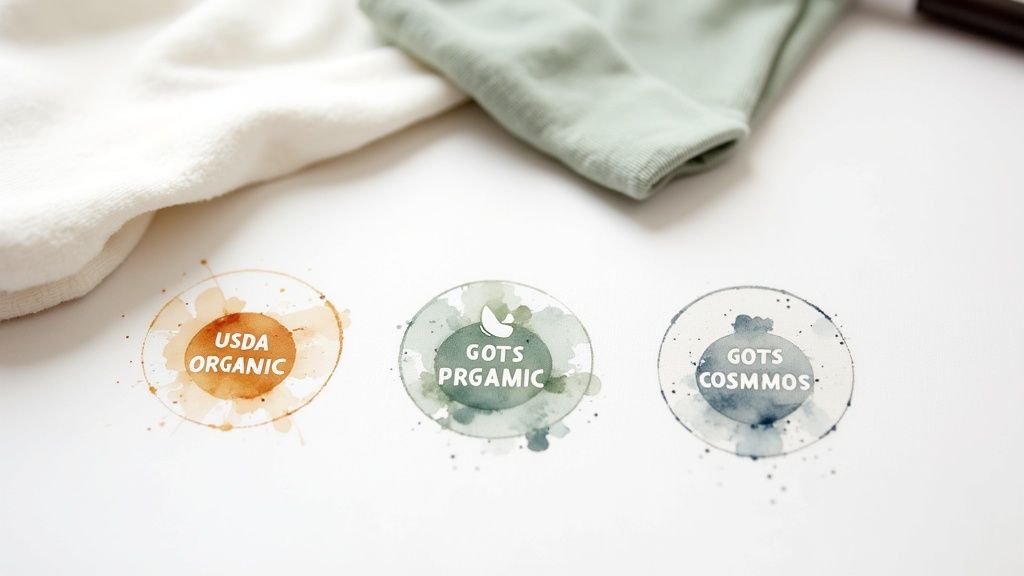
Organic certification works like a quality checkpoint, allowing only safe, non-toxic ingredients into baby products. It’s your front-line defense against hidden chemicals that can irritate delicate skin.
Getting familiar with seals such as USDA Organic, GOTS, and COSMOS empowers you to decode labels and shop with confidence. Each stamp represents rigorous, third-party inspections that verify what’s inside.
- USDA Organic: No GMOs or synthetic pesticides in baby foods.
- GOTS: Guarantees textiles are free from toxic dyes and follow responsible farming.
- COSMOS: Sets clear rules for natural and organic cosmetics, ensuring formulas pass safety tests.
Understanding Certification Seals
Think of certification badges like blueprints for safety and sustainability. Spotting the right icon tells you a product went through strict audits—almost like checking that your front door lock has a safety grade.
“Organic labels are only as good as the audits behind them. Third party checks build real trust.”
Comparing Ingredient Lists
Putting a conventional lotion and an organic version side by side makes the differences clear.
- Conventional lotion often hides mineral oil, parabens, synthetic fragrances and preservatives.
- Organic lotion highlights aloe vera, shea butter, organic sunflower oil and mild essential oils.
Seeing both lists together helps you cut through marketing fluff and pick truly organic baby care.
Real Mom Story
When breastfeeding became painful, Sarah turned to Moogco Silver Nursing Cups. The gentle silver layer eased discomfort and kept her pumping sessions hygienic.
She ended up breastfeeding three months longer than she expected, staying close to her baby and feeling empowered.
“Without these cups I might have given up, but they changed our nursing story.”
Check out our guide on best baby feeding supplies for more must-have nursing and feeding tools.
The United States market for baby products reached about USD 278.93 billion in 2025, with parent surveys showing 74% preferring organic personal care and 45% willing to pay premiums for certified organic items. Discover more insights about this market on ForInsightsConsultancy.
To truly grasp the implications of organic choices for your baby, it is essential to understand what certified organic truly means for families.
Tips for Reading Organic Labels
- Start by scanning the ingredient list for unpronounceable chemicals.
- Verify that seals match the product category and come from reputable bodies.
- Ignore vague buzzwords like “natural” or “pure” when they lack certification.
- Remember that textiles and cosmetics follow different organic standards than foods.
Following these steps will help you shop confidently and choose the best organic baby products every time.
Why Organic Cotton Matters
Babies’ skin is sensitive; residues from pesticides or harsh dyes can trigger rashes. Organic cotton:
- Feels softer against skin without harsh chemical residues.
- Uses less water and encourages eco-friendly farming.
- Offers natural breathability to help regulate baby’s temperature.
How Third Party Testing Builds Trust
Independent labs dig in to check for pesticide traces, heavy metals and allergens. They turn label claims into verified facts.
“Third party testing turns claims into facts, giving parents confidence in every label.”
Concrete Label Reading Tip
Look for the certifier code next to the organic seal. For example, USDA Organic products carry a four-digit number identifying the certifying agency. Mastering this detail makes label reading your superpower for selecting the best organic baby products.
Next, we’ll dive into safety and sustainability factors that protect your little one and the planet.
Picks From This Story
Picks related to this guide, ready to ship from Moogco.
Swaddelini Bamboo Blend Beige Swaddle Sleep Sack 3D-...
$69.95
Wendy Anne Organic Cotton Futon Pad Rectangle Custom...
$69.00
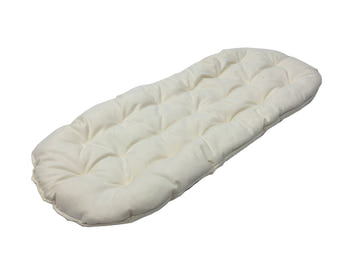
Organic Cotton Futon Mattress Topper Pad - Custom Si...
$69.00
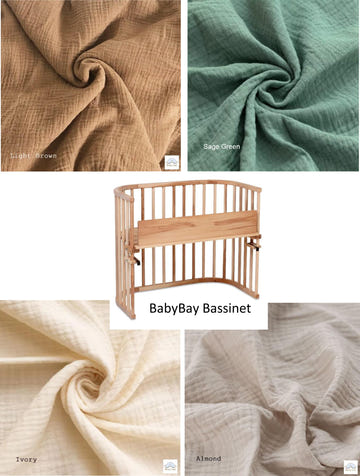
Wendy Anne Bedside Bassinet Fitted Sheet Organic Cot...
$36.00
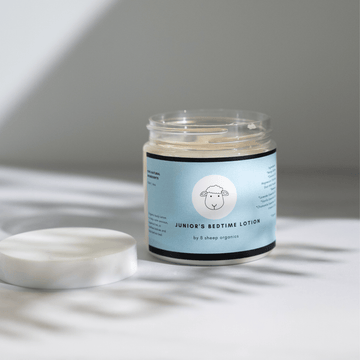
8 Sheep Organics Juniors Bedtime Lotion deep sea mag...
$23.00
AmishToyBox.com Berlin Flyer Sport Wagon F410 36x17....
$269.50
Safety And Sustainability For Organic Baby Care
Organic certifications give us a starting point, but the real peace of mind comes from digging deeper—spotting hidden chemicals and opting for eco-friendly choices.
When you pick pesticide-free fabrics and skincare without harsh additives, you’re not just dressing your baby—you’re cutting back on irritants that spark redness and sneezes.
And by choosing items like biodegradable diapers or recycled packaging, you’re quietly reducing waste and protecting water and soil for tomorrow.
- Toxin-Free Formulas reduce exposure to parabens, phthalates, and synthetic fragrances
- Pesticide-Free Textiles shield sensitive skin while supporting a growing immune system
- Biodegradable Diapers and refillable pouches keep piles of plastic out of landfills
- Carbon-Neutral Manufacturing slashes greenhouse gas emissions at the source
- Durable Organic Clothing means fewer replacements and no fast-fashion guilt
Comparing Diaper Options
| Feature | Traditional Diapers | Biodegradable Diapers |
|---|---|---|
| Disposal Time | Over 500 years | 6 months to 3 years |
| Material Composition | Synthetic plastics and gels | Plant fibers and starch |
| CO2 Emissions | High during production | Reduced through natural breakdown |
Making the switch can cut plastic waste nearly in half—and if you compost right, you’ll even boost soil health.
Benefits Of Toxin-Free Formulas
Gentle baby lotions and soaps free of synthetic preservatives give you everyday comfort.
Swap out your usual shampoo for an organic, essential-oil blend and notice how sensitive scalps calm down. Over time, that simple change leads to fewer flare-ups and more even skin tone.
“Choosing toxin-free formulas is like swapping out road salt for sand on icy sidewalks—both clear the path, but one leaves harmful residue.”
Exploring Carbon-Neutral Manufacturing
A growing number of baby brands are powering factories with wind and solar.
Then they offset what they can’t eliminate by purchasing verified carbon credits. The result? A product with a much smaller climate footprint.
- Install solar panels or tap into wind farms at textile mills
- Source cotton from farms that regenerate soil instead of depleting it
- Keep manufacturing close to home to avoid long-haul shipping
- Balance out leftover emissions with accredited carbon offsets
On top of that, using recycled packaging cuts plastic demand and closes the loop on materials.
Pesticide-Free Fabric Benefits
Organic cotton grown without pesticides feels soft against fresh skin—and it’s less likely to carry residue that causes redness.
When you spot a GOTS-certified tag, you know the entire supply chain—from seed to stitching—meets high environmental and social standards.
- Check labels like Oeko-Tex or GOTS for real verification
- Seek out undyed or low-impact dyed items to skip harsh colorants
- Pick sturdy weaves that hold up to washing and little adventures
These simple checks guarantee clothes that stay gentle wash after wash—and kind to the planet all the way.
When Jenna struggled with soreness and leaking, she tried Moogco Silver Nursing Cups and found gentle relief. The hygienic silver lining let her pump comfortably—and breastfeed months longer than she expected.
Choosing Refillable Skincare
Refillable pouches ditch the single-use bottle habit and shrink your plastic footprint.
Many systems concentrate formulas so you use less packaging per drop—good for your shelf and the planet.
To ensure you’re making the safest choices for your baby, it’s crucial to understand which compounds might be harmful. For a deeper dive, review the common skin care ingredients to avoid for healthy skin.
Long-Term Savings With Durable Clothing
Investing in built-to-last organic onesies and sleepwear isn’t just eco-friendly—it actually saves you money over time.
Fewer replacements mean less waste in the closet and more dollars in savings.
The global baby care sector—spanning organic skincare, biodegradable diapers, and natural feeding accessories—was valued at USD 107.6 billion in 2024 and is set to grow at a 4.3% CAGR through 2034 thanks to eco-conscious parent demand. Learn more about industry trends
Safety and sustainability go hand in hand when choosing the best organic baby products.
Check out our guide on sustainable baby products to shrink your carbon footprint while caring for your child.
A Practical Guide to Organic Baby Product Categories
Ready to dive into the specifics? Let’s walk through each category of organic baby products so you know exactly what to look for when shopping for your little one.
From the softest cotton onesies to gentle, biodegradable diapers, we’ll cover the must-have features, smart shopping checklists, and realistic budget tips to help you build a registry you can feel great about.
Think of clothing, skincare, and feeding as the three pillars of your organic baby journey. The infographic below shows how everything connects back to these core essentials.
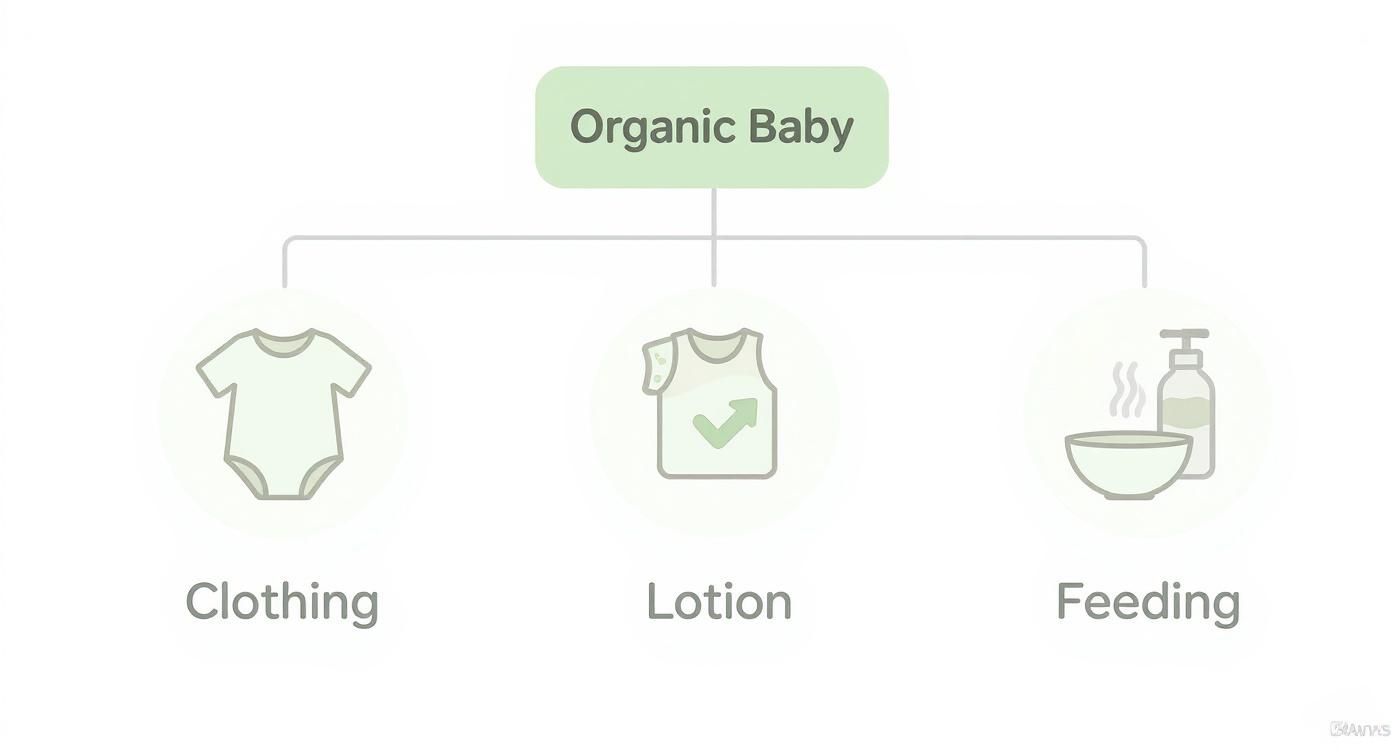
As you can see, starting with these three branches helps anchor every choice you make, ensuring you're always picking the best for your baby.
H3: Organic Baby Clothing
The first layer against your baby's skin should be the purest. Organic cotton clothing is a fantastic choice because it’s grown without the harsh pesticides and chemicals found in conventional cotton, which means less risk of irritation.
When you're shopping, keep an eye out for the GOTS certification on the tag—it’s the gold standard. I also recommend looking for undyed or low-impact dyed pieces. A good rule of thumb is to budget around $30–$50 per outfit for high-quality, durable organic pieces that will last long enough to be passed down.
- Check the tags for GOTS or Oeko-Tex labels.
- Feel the fabric: Choose soft, breathable weaves like jersey or rib knit.
- Inspect the details: Look for strong seams and avoid clothing with overpowering chemical smells from harsh dyes.
Choosing certified organic cotton is like wrapping your baby in a soft, chemical-free hug. It’s gentle on their skin and so much better for the planet.
H3: Natural and Gentle Skincare
A baby’s skin is incredibly delicate and absorbent, so what you put on it truly matters. Natural lotions, oils, and balms can protect that sensitive barrier without synthetic fragrances or harsh additives.
Look for products made with simple, nourishing ingredients like organic shea butter or calendula. Certifications like COSMOS or USDA Organic are your best friends here. Many brands are also moving toward refillable or concentrated packaging, which is a great way to cut down on plastic waste.
- Go fragrance-free or choose products scented with natural essential oils.
- Verify the seals: Look for USDA Organic or EcoCert seals to confirm ingredient quality.
- Always patch test: Dab a tiny amount of any new product on your baby’s skin to check for a reaction.
Think of a good organic lotion as a protective blanket, sealing in moisture and keeping your baby’s skin soft and comfortable.
H3: Safe and Healthy Feeding Essentials
When it comes to feeding, you want to keep unwanted chemicals far away from your baby’s milk and food. Prioritizing glass bottles and BPA-free utensils is a simple way to do just that.
We hear from parents all the time about how making small changes made a big difference. One mom, Jenna, told us that using Moogco Silver Nursing Cups brought her so much comfort that she was able to continue breastfeeding for months longer than she expected.
The demand for clean, pesticide-free nutrition is growing fast. The global organic baby food market, valued at around USD 6.52 billion in 2016, is projected to hit USD 13.86 billion by 2033. That's a 10.45% compound annual growth rate, showing just how many parents are making this a priority.
And as you're thinking about feeding, don't forget the rest of the nursery! You can find more great ideas in our guide on baby nursery must-haves.
- Stock up wisely: Start with organic baby cereals and simple fruit or veggie purees.
- Store smart: Use glass jars for homemade baby food to avoid plastic leaching.
- Budget ahead: Plan on about $100 a month for feeding gear, organic foods, and other essentials.
Comparison Of Organic Baby Product Categories
Feeling a little overwhelmed by the options? Don't be! This table breaks down the key things to look for in each category, helping you prioritize what matters most.
| Category | Key Feature | Certification | Typical Price Range |
|---|---|---|---|
| Clothing | Breathable, soft cotton | GOTS | $30–$50 per outfit |
| Skincare | Gentle, natural oils | COSMOS, USDA Organic | $15–$30 per item |
| Feeding | Glass, stainless steel | BPA-free | $20–$60 for a set |
| Toys | Non-toxic wood, natural rubber | ASTM F963 | $10–$40 per toy |
| Bedding | Chemical-free linens | GOTS, Oeko-Tex | $25–$70 per piece |
| Diapers | Biodegradable, plant-based | FSC, Chlorine-Free | $0.30–$0.50 per diaper |
Seeing it all laid out like this makes it much easier to compare your options and decide where to invest.
H3: Non-Toxic Toys and Playtime
Since so many toys end up in a baby's mouth, the materials they're made from are incredibly important. Look for toys made from sustainably harvested wood, natural rubber, or food-grade silicone.
There's something so classic and comforting about wooden toys—they bring a little piece of nature right into your nursery.
- Avoid the yuck: Steer clear of plastics containing PVC, BPA, and phthalates, especially for teething toys.
- Check for safety standards: The ASTM F963 certification is a key indicator of toy safety.
- Invest in quality: Plan to spend around $15–$30 per toy for safe, durable options that will last.
H3: Safe and Cozy Bedding
Your baby will spend a lot of time in their crib, so creating a safe, chemical-free sleep space is a top priority. GOTS-certified crib sheets are a must, as they ensure the fabric is free from harsh dyes and finishes.
These gentle materials are more breathable, which helps regulate your baby's temperature for a more comfortable night's sleep.
- Add a protective layer: An organic mattress protector is great for blocking dust mites and allergens.
- Look for low-impact dyes or natural, undyed fibers to prevent skin irritation.
- Budget for the basics: Expect to spend between $50–$100 for high-quality organic sheets and a mattress protector.
H3: Eco-Friendly Diapering Solutions
Diapers are a huge part of a baby's first few years, and they can have a big environmental footprint. Biodegradable diapers, made from plant-based fibers like bamboo, are a fantastic way to reduce landfill waste.
When shopping, look for diapers that are processed without chlorine and come in compostable or recyclable packaging.
- Find your balance: Many families rotate between reusable cloth diapers at home and eco-friendly disposables for on-the-go to manage costs.
- Look for eco-labels: Certifications like FSC show that the materials came from responsibly managed forests.
- Plan your monthly cost: Allocate around $50–$80 per month, depending on your chosen brands and whether you're using cloth, disposable, or both.
A great tip: Buying diapers in bulk can often unlock discounts, saving you money in the long run.
H3: Budgeting and Building Your Registry
Okay, let's pull it all together! Here's a sample budget to help you plan your spending and create a registry that covers all the essentials without going overboard.
- Clothing: $200 for a starter set of about six outfits, mixing a few special pieces with everyday basics.
- Skincare: $100 for lotions, balms, wash, and a few refills.
- Feeding: $150 to cover bottles, nursing aids, bibs, and food storage.
- Toys: $80 for a few foundational, high-quality play items.
- Bedding: $100 for a couple of sheet sets, a mattress protector, and sleep sacks.
- Diapers: $150 for a monthly stash that balances cloth and disposable options.
Use this list as a starting point to build a thoughtful registry. By choosing the best organic baby products, you're not just supporting your baby's health—you're also making a positive choice for the planet they'll inherit.
Real Life Success Stories
Theory and checklists are great, but hearing from other parents who've been in the trenches? That’s where it really clicks. Seeing how others have brought organic and non-toxic principles to life can make your own journey feel so much more manageable. Their stories remind us that it’s not about achieving perfection overnight—it's about making small, meaningful choices that really add up.
These real-world examples show just how powerful it can be to find the right tools and strategies for your family.
Sarah’s Breastfeeding Breakthrough with Moogco
As a new mom, Sarah was all-in on breastfeeding but ran into some serious roadblocks. Painful latch issues and severe soreness turned every feeding into an ordeal, and she found herself on the verge of giving up. She felt defeated, and the idea of switching to formula full-time felt like the only option left.
Before throwing in the towel, she decided to try Moogco Silver Nursing Cups. She’d heard about the natural healing power of silver and wanted something gentle that aligned with her organic-first mindset. Right away, the cups offered soothing relief and created a clean barrier that helped her heal between feedings.
This one simple change was a total turning point. With the pain finally under control, Sarah could focus on getting a better latch without gritting her teeth. The comfort and confidence boost she got from the cups was huge.
"The silver cups were a game-changer. They made breastfeeding bearable again and gave me the strength to continue. I honestly don't think I would have lasted without them."
Because of this discovery, Sarah was able to breastfeed for months longer than she ever thought she could, cherishing that special bond with her baby. For more tools that can make a real difference, check out our list of first-time mom essentials.
Smart Strategies From Other Parents
Sarah’s story is just one of many. All over, parents are finding clever, practical ways to weave organic living into their everyday routines, proving it doesn’t have to be overwhelming or break the bank.
-
A Parent's Clothing Swap Success: One mom got her neighborhood together for an organic baby clothes swap. By trading gently used items, she saved hundreds of dollars and kept her little one in high-quality, GOTS-certified outfits without paying premium prices.
-
The DIY Organic Skincare Solution: A dad was struggling to find something that worked for his baby’s stubborn cradle cap. So, he made his own organic balm with just three ingredients: organic coconut oil, shea butter, and calendula oil. It was a gentle, effective fix that worked when nothing from the store did.
-
A Dad’s Non-Toxic Toy Rotation System: To keep his toddler engaged without overwhelming him, another dad set up a toy rotation system. He picked out a small collection of non-toxic wooden and plant-based rubber toys and stored the rest. Every week, he’d swap them out, making old toys feel brand new and encouraging more focused, creative play.
These stories show how a little bit of creativity can go a long way. Whether it’s finding that one perfect product that solves a problem or coming up with a smart trick to save money, these parent-approved ideas make going organic feel practical and truly rewarding.
More Related Picks
A few more favorites from the same collection.
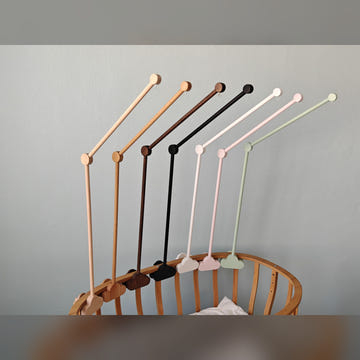
Wooden Crib Mobile Arm with Cloud Clamp, Handmade Be...
$37.90
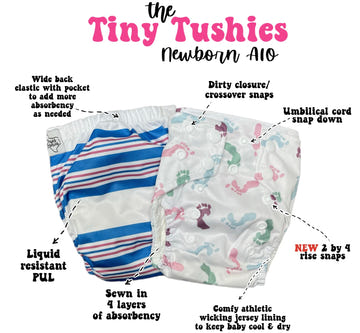
Texas Tushies Tiny Tushies Newborn AIO Cloth Diaper ...
$9.00
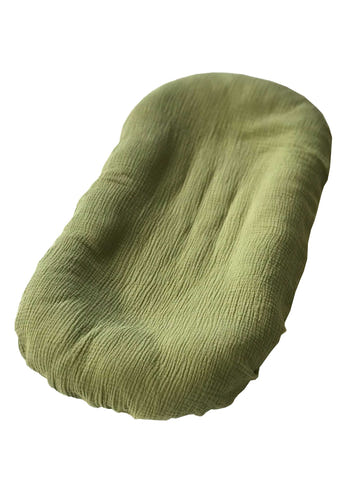
Wendy Anne Infant Lounger Slip Cover Organic Cotton ...
$59.00
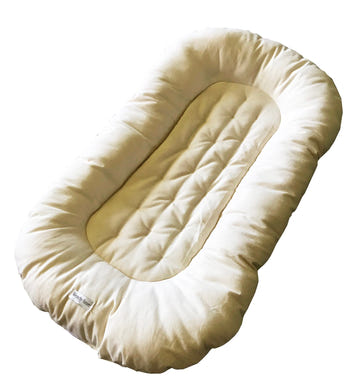
Wendy Anne Lounger Nest Organic Cotton Futon Oval Bo...
$129.00
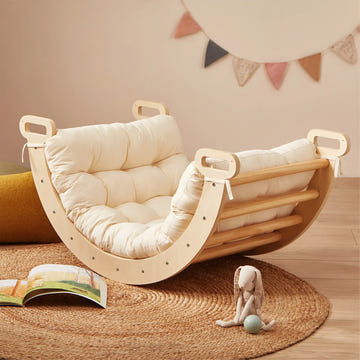
Tiny Land Thick Padded Play Cushion Arch Not Included
$74.99
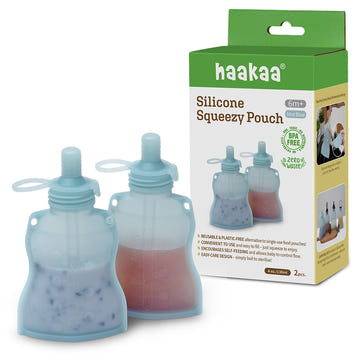
Haakaa Silicone Yummy Pouch 4.5 oz
$13.56
Building Your Registry: A Practical Checklist
Alright, let's get down to the fun part—shopping! It can feel a little overwhelming, but a good plan turns potential stress into a focused, satisfying experience. The key is knowing what you truly need versus what’s just nice to have.
Think of it like this: you want to invest in a few high-quality, organic pieces where it matters most (like a crib mattress) while sticking to safety-first basics for other items.
- The Essentials: These are your non-negotiables, like certified organic cotton clothing and skincare that's free from harsh chemicals.
- The "Worth-It" Splurges: This is where you might go for a GOTS-certified organic mattress or a really lovely, refillable skincare system.
- The Smart Buys: Keep an eye out for sales and bundle deals on everyday items. These are your budget anchors.
How to Decide What Comes First
Start by making a list of the absolute must-haves—the things you'll use every single day that directly impact your baby's safety and comfort. Think feeding, sleeping, and dressing. Those are your top priorities.
Once you’ve got those covered, you can start layering in the other wonderful things, like beautiful organic toys or nursery decor.
- Feeding Gear: Start with glass or stainless steel bottles, BPA-free utensils, and anything you need for nursing support.
- Sleep Setup: This is a big one. Prioritize certified organic crib sheets and a quality mattress protector.
- First Wardrobe: You don't need a ton, but a solid stash of GOTS-certified cotton sleepers and simple playsuits is a must.
- Bath & Skincare: A gentle, organic baby wash and a soothing lotion are all you need to begin.
"Making a clear priority list saved my sanity—and my wallet! It stopped me from making impulse buys and helped me focus on what my baby actually needed." - Mom of two
With this simple blueprint, you'll feel so much more confident navigating the world of organic baby products.
Registry Hacks for Those Bigger Items
Let's be real: some of the best organic gear comes with a higher price tag. This is where group gifting becomes your best friend! Don't be shy about encouraging friends and family to chip in together for those big-ticket items.
- Set up a few "group gift" funds or simply highlight the pricier items on your registry. Many registry platforms have this feature built-in.
- Point out items that might qualify for free shipping, especially if the store offers it over a certain amount, like $100.
- Make sure your registry has a wide range of price points. This allows everyone to contribute in a way that feels comfortable for them.
A little pro-tip: try timing your registry launch around big sales events like Black Friday or other seasonal deals. It's a fantastic strategy for snagging popular items at a serious discount.
Here’s a simple game plan to build out your registry:
| Step | Your Action | The Goal |
|---|---|---|
| 1 | Print or save a checklist | To keep everything in one place. |
| 2 | Prioritize by safety & daily use | To focus on the true essentials first. |
| 3 | Enable group gifting options | To make big-ticket items more accessible. |
| 4 | Watch for major sales events | To stretch your budget further. |
A Real-World Example
When my friend Jenna was struggling with breastfeeding soreness, she was about to give up. A friend gifted her a set of Moogco Silver Nursing Cups from her registry. The natural, gentle relief they provided made all the difference, helping her feel comfortable enough to continue breastfeeding for three months longer than she ever thought she would.
A Few Words on Timing and Budgeting
It’s easy to get carried away, so setting a loose budget can help you stay grounded. Here’s a rough idea of where to start:
- Clothing: Around $200 should get you a great starter set of about six outfits.
- Feeding: Budget about $150 for bottles, storage, and other initial gear.
- Bedding: You can get a couple of high-quality organic sheets and a protector for around $100.
Focus your spending on the items you'll use the most, and then add the less-critical pieces as your budget allows.
- A simple spreadsheet is your best friend for tracking purchases.
- Pay attention to what’s being purchased from your registry and adjust your own buying plans accordingly.
- Use any gift cards or group funds you receive to check those big splurges off your list!
To make this even easier, we’ve put together a handy, fillable guide. Check out our Baby Registry Checklist Printable to streamline your planning.
Following a structured-but-flexible approach like this will help you build a registry you feel truly good about—one that’s safe, sustainable, and perfectly suited to your family.
Final Reminders Before You Click 'Buy'
Just before you finalize everything, take one last look. A quick double-check now can save a lot of hassle later.
- Always confirm that the product has the right certification seal for its category (GOTS for textiles, USDA for food, etc.).
- Keep your registry updated. As you get closer to your due date, you might realize you need something you hadn't thought of before.
- It never hurts to send a gentle reminder to your gift-givers about a month before the baby is due.
Taking a moment for these final steps will ensure you’re truly prepared. You’ve done the research, you’ve made thoughtful choices, and now you can rest easy knowing you've curated the best for your baby.
Got Questions? We’ve Got Answers.
When you first start looking into organic baby products, it's totally normal for a few questions to pop up. Getting straight answers is key to feeling confident in your choices. Let's walk through some of the things parents ask us most often.
Are "Organic" Certifications Really That Strict?
You bet they are. An official organic certification isn't just some fancy marketing sticker; it's a promise backed by serious, legally-enforced rules. For something like a onesie or a blanket, the GOTS (Global Organic Textile Standard) seal is the gold standard. It means that from the moment the cotton was picked to the final stitch, the entire process was free of nasty pesticides and toxic chemicals.
Think of it like the USDA Organic seal on your baby's food—it's a guarantee that the ingredients were grown without any synthetic fertilizers or GMOs. These certifications aren't handed out easily; they require intense third-party audits to make sure every single claim is true. They're your shortcut to knowing a product is genuinely safe and high-quality.
Why Do Organic Products Sometimes Cost More?
It's true, you might notice a higher price tag on some organic items, but there's a good reason for it. Organic farming and production are just more hands-on and sustainable, and that extra care and effort costs a bit more. But the investment often pays off in the long run. For example, GOTS-certified clothing is known for being incredibly durable, holding up to endless wash cycles without falling apart.
It's also about what you're avoiding. By choosing high-quality, non-toxic products, you might sidestep future costs, like creams or doctor's visits for skin rashes caused by chemical residues in conventional items. When you add up the durability and your own peace of mind, the value really starts to shine through.
How Do I Spot "Greenwashing"?
"Greenwashing" is a sneaky marketing tactic where a company slaps words like "natural" or "eco-friendly" on a label without anything to back it up. The easiest way to see through the hype is to look for those official third-party seals we talked about, like GOTS, USDA Organic, and COSMOS. They’re the real deal.
Another pro tip? Always turn the product over and scan the full ingredient list. If you see one or two "natural" ingredients buried in a long list of words you can't pronounce, that's a red flag. Truly organic brands are proud of their ingredients and certifications and aren't afraid to be transparent about them.
Are There Any Good Organic Diaper Options Out There?
Absolutely! The world of gentle, eco-conscious diapering has come a long way. You can now find fantastic disposable diapers made from sustainably sourced, plant-based materials like bamboo. These are almost always free of chlorine, fragrances, and lotions, which is a huge relief for babies with sensitive skin.
And if you're open to reusables, organic cotton or bamboo cloth diapers are amazing. They're super soft, incredibly absorbent, and make a massive dent in your household waste. It's a win for your baby's bottom and a win for the planet.
At Moogco Baby, our goal is to bring you a thoughtfully chosen collection of essentials that are safe, sustainable, and ready for every milestone. We've done the research so you can shop with comfort and total peace of mind.
Bring this guide home with 25% off.
Use code READER25 for 25% off →
Featured pick from Moogco
MOOGCO Silver Nursing Cups 925k Silver - Protect Against Sore Breasts And Nipple Irritation
$45.90 $49.90
Shop this pick → Frequently Asked Questions
Can organic clothing really help prevent baby eczema?
Organic cotton removes pesticide residues and harsh dyes that can trigger flare-ups on sensitive skin. While it won't cure eczema, many parents notice fewer red patches and less scratching when they switch to GOTS-certified fabrics. Pairing organic clothing with fragrance-free detergent gives your baby the gentlest environment possible.
What's the difference between USDA Organic and GOTS certification?
USDA Organic applies to foods and cosmetics, ensuring no GMOs or synthetic pesticides. GOTS focuses on textiles like clothing and bedding, verifying that cotton and other fibers are grown and processed without toxic chemicals. For the best organic baby products, look for both seals depending on the category you're shopping.
Do organic baby lotions expire faster than regular ones?
Yes, formulas without synthetic preservatives typically have a shorter shelf life, often 6 to 12 months after opening. Check the jar or tube for a small open-lid icon with a number indicating months of safe use. Store organic skincare in a cool, dry spot and toss anything that smells off or changes color.
Are wooden toys actually safer than plastic ones?
Wooden teethers and toys made from untreated hardwood skip BPA, phthalates, and flame retardants common in plastics. They're naturally antimicrobial and durable enough to survive years of chewing and dropping. Just make sure any finish is food-grade or certified non-toxic before handing it to your little one.
How can I tell if a brand is greenwashing its organic claims?
Look for third-party certification seals like USDA Organic, GOTS, or COSMOS, not just vague words like "natural" or "pure." Check the certifier code next to the logo and cross-reference it on the organization's website. If a brand won't share ingredient lists or testing reports, that's a red flag to keep shopping.
Is it worth paying more for organic crib sheets?
Your baby spends up to 16 hours a day on those sheets, so GOTS-certified organic cotton keeps pesticide residues and toxic dyes away from their skin and lungs. Organic sheets also tend to be softer and more breathable, reducing overheating and irritation. Over time, their durability means you'll replace them less often than conventional options.
Can I compost biodegradable diapers at home?
Most biodegradable diapers need industrial composting facilities because home bins don't reach high enough temperatures to break down all materials safely. Check your local waste program for commercial composting pickup, or look for brands that offer mail-back composting services. At minimum, these diapers still decompose far faster than traditional plastic options in landfills.
What organic feeding gear should I prioritize on a tight budget?
Start with glass baby bottles to avoid BPA and microplastics, then add organic cotton burp cloths that double as wipes. If you're breastfeeding, consider supportive tools like Moogco Silver Nursing Cups to protect your nursing journey without breaking the bank. You can gradually swap in organic bibs and silicone spoons as your budget allows.
From Moogco Studio
Printable and personalized nursery essentials. Designed by moms for moms.


About the Editor
Eda Ulger is the editor at Moogco Baby and a mom of two. She curates and edits our guides so every piece is honest, practical, and genuinely helpful for the early days of motherhood.
Shop This Story
Picks related to this guide, ready to ship from Moogco.
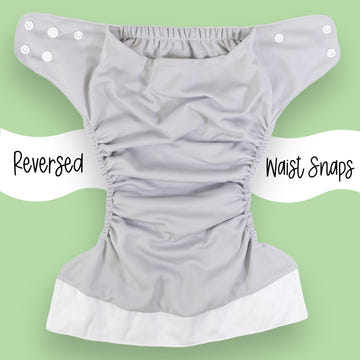
Texas Tushies Flex Fit Pocket Cloth Diaper fits 7lbs...
$8.00
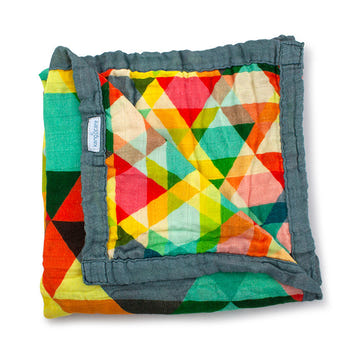
Kanga Care Bamboo Muslin Blanket Baby Finn Reversibl...
$39.99
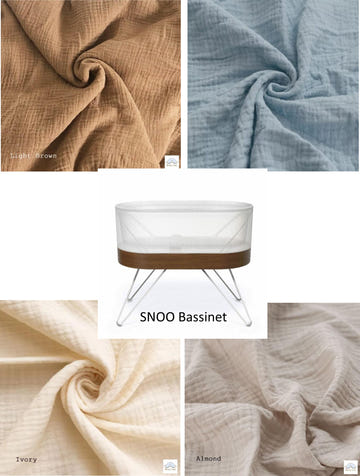
Wendy Anne Cradle Bassinet Fitted Sheet Organic Cott...
$32.00
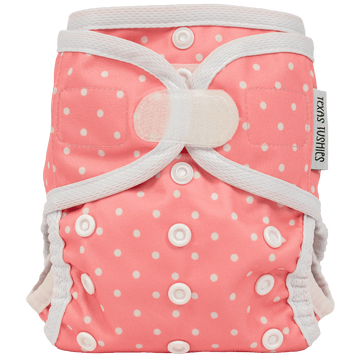
Texas Tushies Tiny Tushies Newborn Hook & Loop Cover...
$8.50
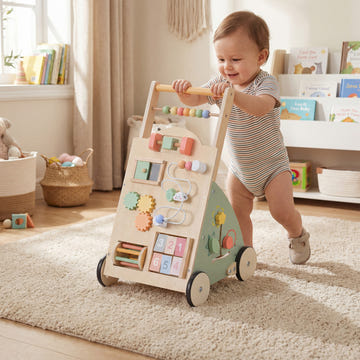
Wooden Baby Walker with Wheels and Storage Basket - ...
$52.99

Goosewaddle Rattle Teether Wooden Silicone 4 Colors
$16.00
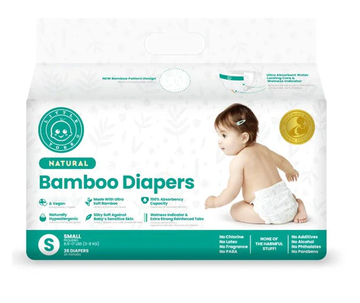
Little Toes Natural Bamboo Diapers 36 Pack
$25.99
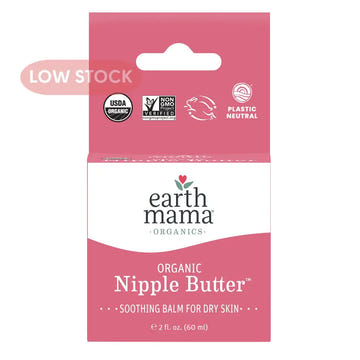
Organic Nipple Butter™ - Double-Sided for Kids
$14.99
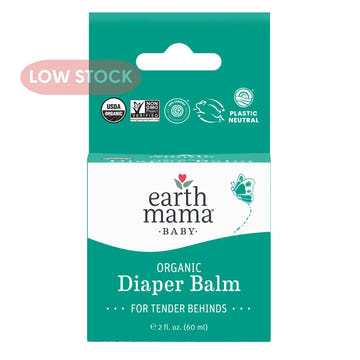
Organic Diaper Balm - Large Capacity for Parents
$13.99
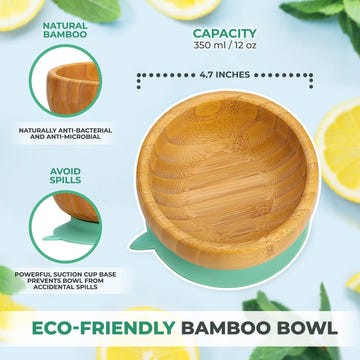
The Teething Egg Bamboo Bowl with Suction Base Natur...
$17.95