


Breastfeeding is often portrayed as a beautiful and bonding experience between a mother and her baby, but for many women, it can also be a time of emotional upheaval. The postpartum period is marked by significant hormonal changes, sleep deprivation, and the immense responsibility of caring for a newborn. These factors can contribute to the onset of postpartum depression (PPD), a condition that affects roughly 1 in 7 new mothers. This blog post explores the connection between breastfeeding and mental health, with a focus on recognizing and managing postpartum depression.
Understanding Postpartum Depression
What Is Postpartum Depression?
Postpartum depression is a form of clinical depression that occurs after childbirth. Unlike the “baby blues,” which are short-lived feelings of sadness and anxiety that many new mothers experience, PPD is more severe and can persist for months if left untreated. Symptoms of PPD can include feelings of hopelessness, extreme fatigue, irritability, difficulty bonding with the baby, and even thoughts of self-harm or harming the baby.
The Role of Hormones:
After childbirth, a woman’s hormone levels drop rapidly, which can trigger mood swings and emotional instability. For some women, these hormonal shifts, combined with the physical and emotional demands of caring for a newborn, can lead to the development of PPD. While breastfeeding has been shown to have protective effects against depression in some women, it can also be a source of stress and anxiety for others, especially if breastfeeding challenges arise.
Recognizing the Signs of Postpartum Depression
Emotional Symptoms:
Mothers with PPD may feel overwhelmed, anxious, or unable to cope with the demands of motherhood. They might experience intense feelings of guilt or worthlessness, believing they are not doing enough for their baby. These emotions can make it difficult to enjoy the early days of motherhood and can interfere with a mother’s ability to bond with her baby.
Physical Symptoms:
In addition to emotional symptoms, PPD can manifest physically. Some women may experience changes in appetite or sleep patterns, persistent fatigue, or physical aches and pains that have no clear cause. These symptoms can make it difficult for mothers to care for themselves and their baby.
Impact on Breastfeeding:
PPD can also impact breastfeeding. Some mothers may feel so overwhelmed that they struggle to maintain a consistent breastfeeding routine, while others might experience a lack of interest in feeding their baby altogether. In some cases, PPD can lead to early weaning, which can further exacerbate feelings of guilt and sadness.
Managing Postpartum Depression
Seeking Professional Help:
If you suspect that you or someone you know is experiencing PPD, it’s essential to seek professional help. Treatment for PPD may include therapy, medication, or a combination of both. Speaking with a healthcare provider is the first step toward finding the right treatment plan. Early intervention can make a significant difference in managing symptoms and improving overall well-being.
Building a Support System:
Having a strong support system is crucial for managing PPD. Reach out to family members, friends, or support groups who can offer emotional and practical help. Sometimes, just having someone to talk to can make a big difference. Don’t be afraid to ask for help with baby care, household tasks, or simply taking time for yourself to rest and recharge.
Self-Care Practices:
Taking care of your mental health is just as important as caring for your baby. Incorporating self-care practices into your daily routine can help alleviate some of the stress and anxiety associated with PPD. Simple activities like taking a walk, practicing mindfulness, or enjoying a warm bath can provide a much-needed break and help improve your mood.
Breastfeeding Support:
If you’re struggling with breastfeeding, seeking support from a lactation consultant can be incredibly beneficial. They can help address any challenges you’re facing, whether it’s latching issues, low milk supply, or pain during feeding. Sometimes, just knowing that you have someone to guide you through the process can reduce anxiety and help you feel more confident in your ability to breastfeed.
The Role of Moogco Silver Nursing Cups in Supporting Your Breastfeeding Journey
Breastfeeding can be a challenging experience, especially if you’re dealing with postpartum depression. Moogco Silver Nursing Cups offer a practical solution for mothers who are experiencing sore or cracked nipples, a common issue that can make breastfeeding even more difficult.
Natural Healing:
Moogco Silver Nursing Cups are made from natural silver, which has antibacterial and healing properties. Using these cups can help prevent infections and promote healing, allowing you to continue breastfeeding comfortably. When you’re dealing with the emotional toll of PPD, having a reliable solution to physical breastfeeding challenges can make a significant difference in your overall well-being.
Ease of Use:
These cups are easy to use and require no additional creams or ointments, making them a convenient option for busy mothers. Their durability means they can be used throughout your breastfeeding journey, providing consistent relief when you need it most.
Picks From This Story
Picks related to this guide, ready to ship from Moogco.
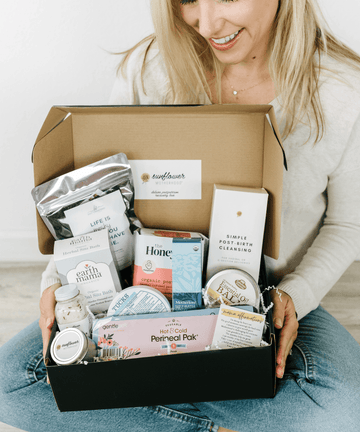
Sunflower Motherhood Deluxe Postpartum Recovery Box ...
$149.00
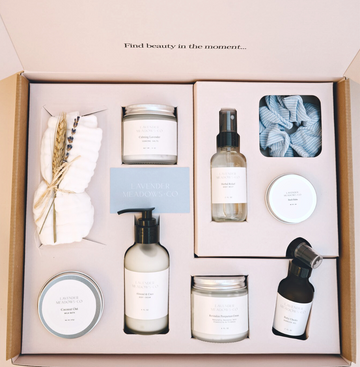
Lavender Meadows Co Postpartum Care Package Deluxe G...
$146.00
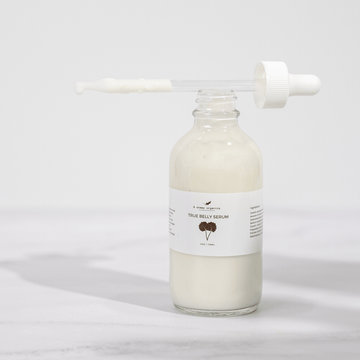
True Belly Serum
$47.00
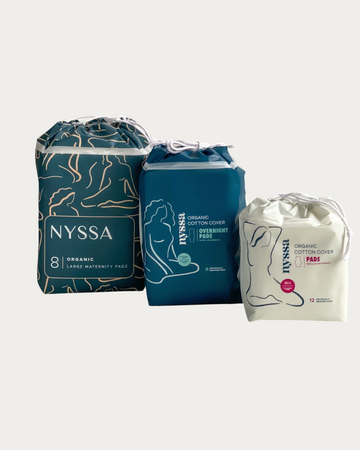
Nyssa Complete Organic Cotton Cover Pads Trio Postpa...
$25.00
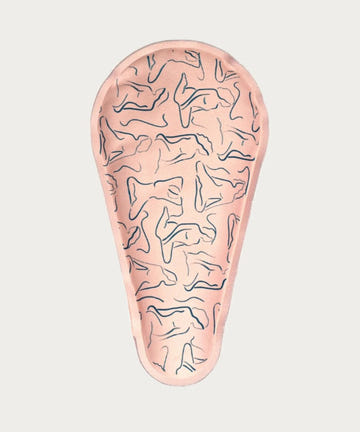
Nyssa Between Legs Perineal Ice Heat Pack for Postpa...
$15.00
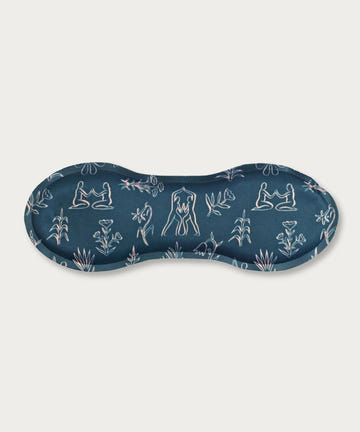
Nyssa Uterine Reusable Ice & Heat Pack contoured for...
$15.00
Conclusion
Breastfeeding while managing postpartum depression can be incredibly challenging, but it’s important to remember that you’re not alone. Recognizing the signs of PPD and seeking help early on can make a world of difference in your mental health and your ability to care for your baby. By building a support system, practicing self-care, and utilizing tools like Moogco Silver Nursing Cups, you can navigate this difficult time with greater ease. Remember, taking care of yourself is the best way to take care of your baby.
Curated by moms, vetted by lactation pros
Everything for the breastfeeding journey
Take $15 off at checkout, applied automatically when you shop through this link.
Shop with MAMA15 →Free US shipping over $100. Code applies automatically at checkout.
Bring this guide home with $15 off.
Use code MAMA15 for $15 off →
Featured pick from Moogco
The Original Silver Nursing Cups with Silicone Pads
$62.90 $74.90
Shop this pick → Frequently Asked Questions
Can breastfeeding actually make postpartum depression worse?
While breastfeeding can have protective effects for some women, it can increase stress and anxiety for others, especially when challenges like pain, low supply, or latching difficulties arise. The pressure to breastfeed successfully can intensify feelings of inadequacy if things don't go as planned. It's important to prioritize your mental health and know that fed is best, whether that's through breastfeeding, formula, or a combination of both.

How do I know if I have postpartum depression or just baby blues?
Baby blues typically appear within the first few days after birth and resolve within two weeks, involving mild mood swings, tearfulness, and anxiety. Postpartum depression is more severe, lasts longer than two weeks, and includes symptoms like hopelessness, extreme fatigue, difficulty bonding with your baby, and thoughts of self-harm. If your symptoms are interfering with daily functioning or lasting beyond two weeks, reach out to your healthcare provider for evaluation.
More Related Picks
A few more favorites from the same collection.
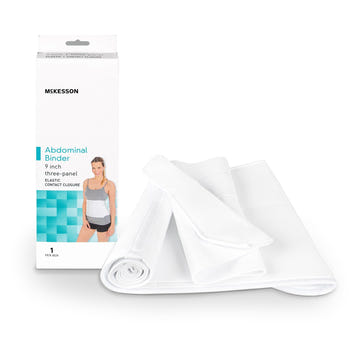
LL Medico McKesson Abdominal Binder Small Medium Whi...
$14.99
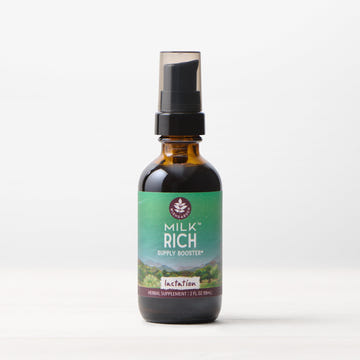
WishGarden Herbs Milk Rich Supply Booster pump top b...
$26.99
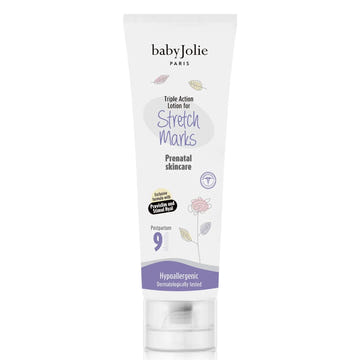
Baby Jolie Paris Triple Action Stretch Marks Cream 7...
$29.99
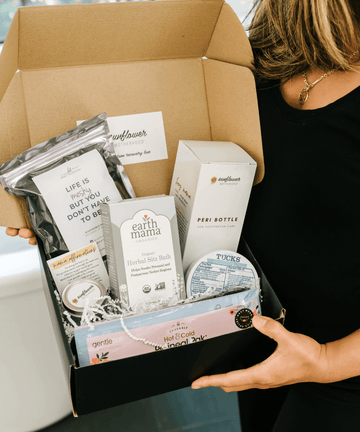
Sunflower Motherhood Postpartum Recovery Box full-si...
$79.00

Kindred Bravely High-Waisted Postpartum Underwear Pa...
$36.90
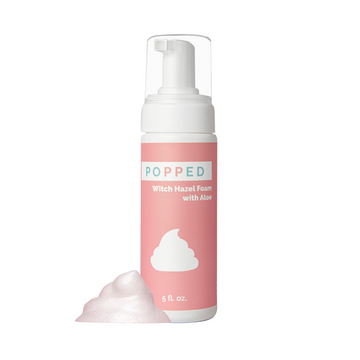
Popped Witch Hazel Foam with Aloe 5 fl oz Postpartum...
$12.99
Should I stop breastfeeding if I need medication for postpartum depression?
Many medications for postpartum depression are safe to take while breastfeeding, and stopping breastfeeding abruptly can sometimes worsen symptoms due to additional hormonal shifts. Your healthcare provider can work with you to find a treatment plan that supports both your mental health and your breastfeeding goals. Never hesitate to discuss medication options, as treating PPD is essential for both you and your baby's wellbeing.
Is it normal to feel guilty about not enjoying breastfeeding?
Absolutely. Many mothers struggle with breastfeeding and feel guilty when the experience doesn't match their expectations, especially with PPD adding emotional weight. These feelings are common and don't make you a bad mother. It's okay to have complicated feelings about breastfeeding, and seeking support from a lactation consultant or therapist can help you process these emotions and find what works best for your family.
Can lack of sleep from night feedings trigger postpartum depression?
Severe sleep deprivation is both a symptom and a trigger of postpartum depression, and frequent night feedings can contribute significantly to exhaustion. If possible, try to share nighttime duties with a partner who can handle diaper changes or bring baby to you for feeds, or consider pumping so someone else can handle an occasional night feeding. Even small improvements in sleep can have a meaningful impact on your mental health.
What self-care activities are realistic when dealing with PPD and breastfeeding?
Start small with manageable activities like a five-minute breathing exercise, stepping outside for fresh air, or taking a quick shower while someone watches the baby. You might also try skin-to-skin contact with your baby during feeding, which can boost oxytocin and improve mood. Remember that self-care doesn't have to be elaborate, and even tiny moments of intentional rest or mindfulness can help you cope with PPD symptoms.
How can my partner help if I'm experiencing postpartum depression while breastfeeding?
Partners can help by taking over non-feeding tasks like diaper changes, burping, soothing, and household chores, allowing you more time to rest. They can also support you by listening without judgment, encouraging you to seek professional help, and attending appointments with you. Having a partner who validates your feelings and actively participates in baby care can significantly reduce the isolation and overwhelm that often accompany PPD.
Will postpartum depression affect my milk supply?
Postpartum depression can impact milk supply in some women due to increased stress hormones, difficulty maintaining a consistent feeding schedule, or reduced motivation to pump or nurse. However, with proper support, treatment, and potentially working with a lactation consultant, many mothers successfully maintain their supply while managing PPD. Prioritizing your mental health treatment is crucial, as your overall wellbeing directly affects your ability to care for and feed your baby.
From Moogco Studio
Printable and personalized nursery essentials. Designed by moms for moms.


About the Editor
Eda Ulger is the editor at Moogco Baby and a mom of two. She curates and edits our guides so every piece is honest, practical, and genuinely helpful for the early days of motherhood.
Shop This Story
Picks related to this guide, ready to ship from Moogco.
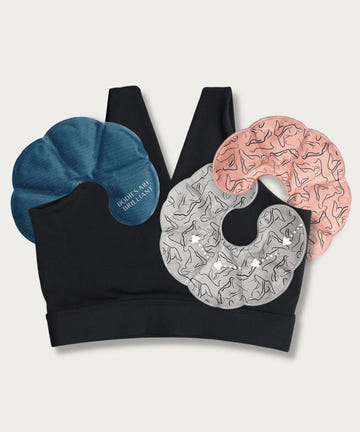
Nyssa FourthWear Postpartum Bralette and Breast Ice ...
$56.00
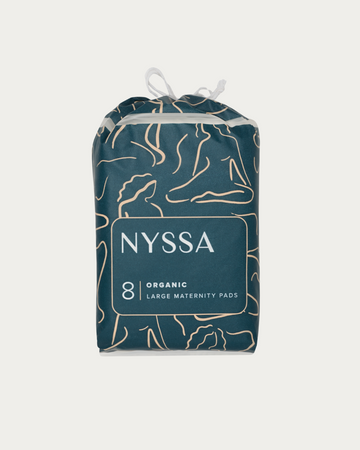
Nyssa Complete Coverage Organic Cotton Postpartum Pa...
$9.00
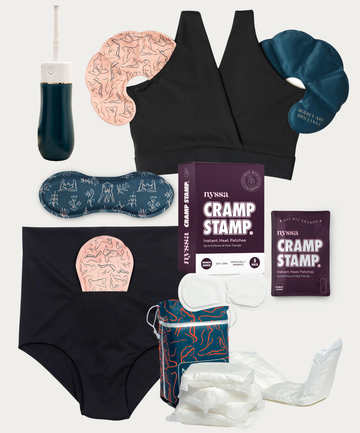
Nyssa Classic Black Essential Postpartum Kit 8-piece
$150.00
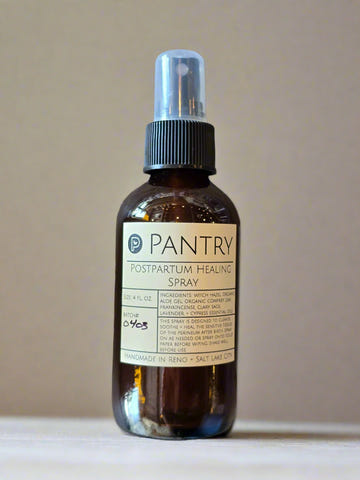
Postpartum Healing Spray - Perineum Recovery
$17.00
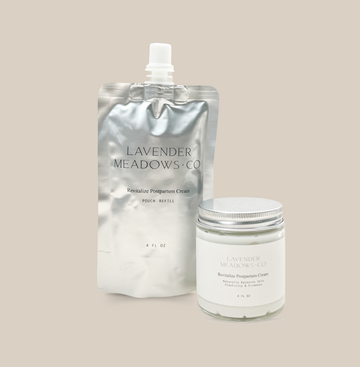
Lavender Meadows Co Revitalize Postpartum Cream Refi...
$30.00
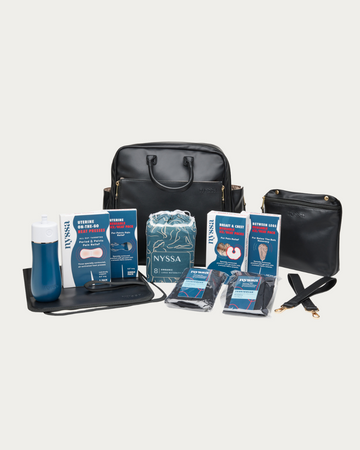
Nyssa Mother Bag + Essential Postpartum Kit Vegan Le...
$210.00
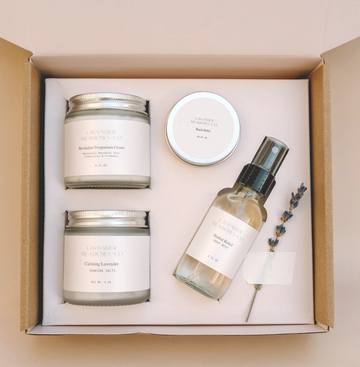
Lavender Meadows Co Postpartum Care Package organic ...
$70.00
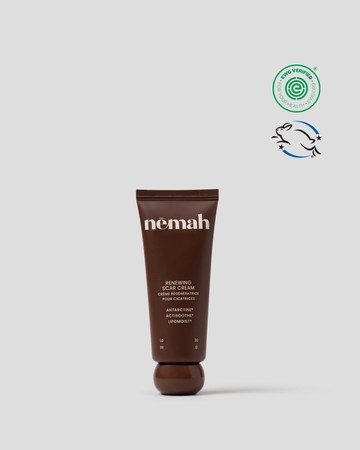
Nēmah Renewing Scar Cream for Pregnancy Breastfeedin...
$34.00
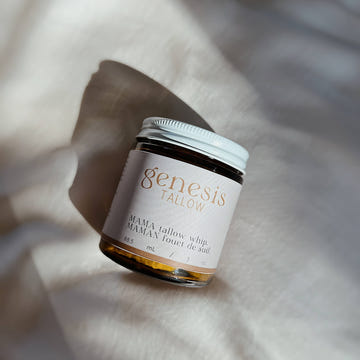
Hello Postpartum All-Natural Whipped Tallow Belly Bu...
$40.00
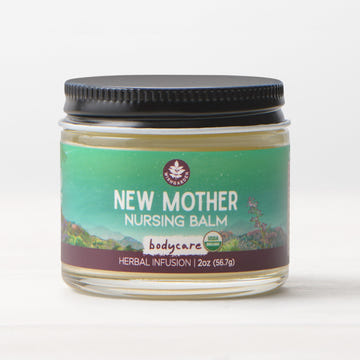
WishGarden Herbs New Mother Nursing Balm USDA Organic
$14.99