


Breastfeeding is often associated with the first few months of a baby's life, but many mothers choose to continue breastfeeding well beyond the first year. Extended breastfeeding, or nursing beyond 12 months, is a natural and beneficial choice for both the mother and child. While some may question the need to continue breastfeeding after a year, there are numerous benefits to extended nursing that support both the emotional and physical well-being of the child and mother.
The Benefits of Extended Breastfeeding for the Child
Continued Nutritional Value
Breast milk continues to provide essential nutrients even after the first year. It remains a valuable source of protein, calcium, healthy fats, vitamins, and antibodies that help support a child’s developing immune system. As children begin to explore a variety of solid foods, breast milk acts as a nutritional safety net, ensuring they receive vital nutrients to complement their diet.
Enhanced Immune Protection
Breast milk contains antibodies that help protect against illness and infection. Extended breastfeeding continues to offer this immune protection, which can be especially beneficial as children become more mobile and are exposed to various germs and environments. The antibodies in breast milk adapt to the specific needs of the growing child, providing targeted protection.
Emotional Comfort and Security
Breastfeeding provides more than just physical nourishment; it offers emotional comfort and security. Toddlers often face new experiences, challenges, and growth milestones that can be overwhelming. Breastfeeding can serve as a source of reassurance, comfort, and emotional connection, helping them navigate these changes with a sense of safety and stability.
Supports Cognitive Development
Research suggests that extended breastfeeding can have a positive impact on a child's cognitive development. The unique combination of fatty acids, hormones, and enzymes in breast milk supports brain growth and development, which is particularly crucial during the early years when rapid cognitive development occurs.
Benefits of Extended Breastfeeding for the Mother
Continued Health Benefits
Extended breastfeeding offers significant health benefits for mothers as well. Prolonged breastfeeding has been linked to a reduced risk of certain cancers, such as breast and ovarian cancer, as well as a lower risk of developing type 2 diabetes and osteoporosis. The longer a mother breastfeeds, the more these protective benefits increase.
Enhanced Bonding Experience
Breastfeeding fosters a strong emotional bond between mother and child, and this bond can continue to deepen through extended nursing. The closeness and connection that come from breastfeeding can be incredibly rewarding for both mother and child, providing a special time for comfort, love, and communication.
Natural Way to Manage Weight
Breastfeeding continues to help burn calories even after the first year, which can aid in managing postpartum weight. While it may not be the primary reason for extended breastfeeding, it is a beneficial side effect that many mothers appreciate.
Convenience and Comfort
For many mothers, extended breastfeeding is more convenient than preparing bottles or snacks, especially when out and about. Breastfeeding can provide a quick solution to hunger or soothe a fussy toddler without needing to carry extra supplies.
Addressing Common Concerns About Extended Breastfeeding
Social Stigma and Misunderstandings
Despite its benefits, extended breastfeeding can sometimes be met with skepticism or criticism from others. It's important to remember that breastfeeding decisions are personal and should be based on what is best for both mother and child. Educating family and friends about the benefits of extended breastfeeding can help reduce misunderstandings and provide a supportive environment for nursing mothers.
Navigating Public Breastfeeding
Breastfeeding a toddler in public can feel different than nursing an infant. Finding breastfeeding-friendly spaces, using a nursing cover if desired, and having a confident mindset can help mothers continue to nurse comfortably wherever they are. Remember, breastfeeding is a natural and normal part of parenting, regardless of the child’s age.
Balancing Nursing with Other Responsibilities
As children grow, mothers may face the challenge of balancing breastfeeding with work, household responsibilities, and personal time. Creating a flexible nursing schedule that accommodates both the child’s needs and the mother’s routine can help. This balance may involve setting limits on breastfeeding sessions or transitioning to nursing primarily at home.
Weaning: When and How to Approach It
Extended breastfeeding does not have to follow a specific timeline. For some, weaning may occur naturally as the child shows less interest in nursing. Others may decide to wean for personal, health, or lifestyle reasons. When it comes to weaning, gradual approaches are often more comfortable for both mother and child, allowing time for emotional and physical adjustment.
Moogco Silver Nursing Cups: Supporting Your Extended Breastfeeding Journey
During extended breastfeeding, the physical demands on a mother’s body continue. Nipple soreness, irritation, or chafing can still occur, especially if the child is teething or nursing more frequently during growth spurts or for comfort. Moogco Silver Nursing Cups are designed to provide natural relief and protection for nursing mothers, reducing the risk of cracked or sore nipples and promoting a more comfortable breastfeeding experience.
Natural Healing and Comfort
Made from 100% natural silver, Moogco Silver Nursing Cups offer antimicrobial and anti-inflammatory properties that help soothe and protect sensitive skin. They provide a protective barrier that supports natural healing, allowing mothers to continue their breastfeeding journey comfortably.
Sustainability and Safety
Unlike many creams and ointments, Moogco Silver Nursing Cups are chemical-free and safe for both mothers and their little ones. Their sustainable, reusable design makes them an eco-friendly option for mothers who are committed to both breastfeeding and environmental consciousness.
Picks From This Story
Picks related to this guide, ready to ship from Moogco.

The Original Silver Nursing Cups with Silicone Pads
$62.90
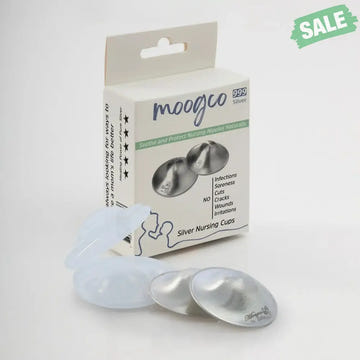
MOOGCO Silver Nursing Cups 999k Silver
$49.90
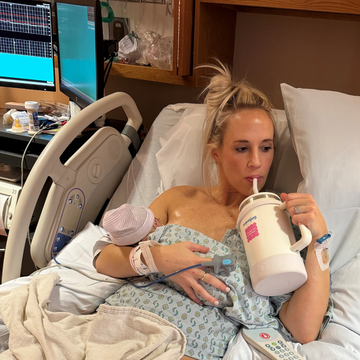
momjug breastfeeding water bottle 50oz double-wall s...
$49.99
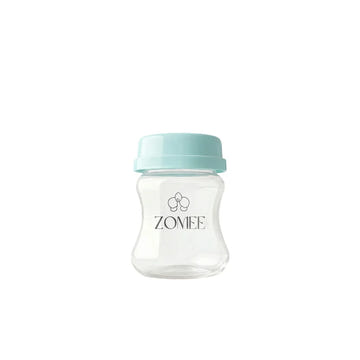
Zomee Breast Pumps Breast Milk Storage Bottles BPA-free
$3.99
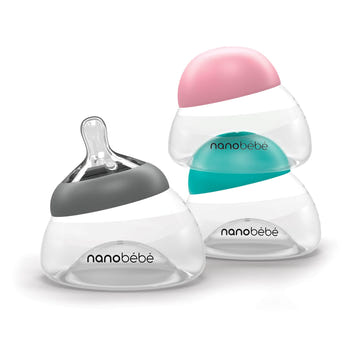
Nanobébé Breastmilk Baby Bottle 5 oz Pack Options Pi...
$16.99
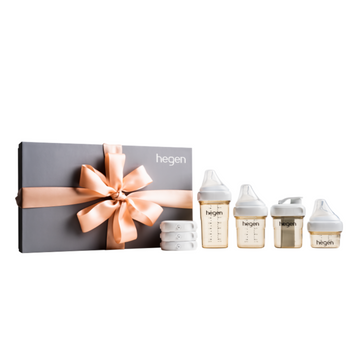
hegen PPSU Essentials Kit 60ml 150ml 240ml baby bottles
$99.99
Conclusion
Breastfeeding beyond the first year is a personal and rewarding choice that offers a host of benefits for both mother and child. From continued nutritional value and immune protection to emotional bonding and health benefits, extended breastfeeding is a natural extension of the nurturing process. While there may be challenges, having the right support, confidence, and tools—like Moogco Silver Nursing Cups—can make the journey smoother and more fulfilling. Ultimately, the decision to continue breastfeeding should be guided by what feels right for you and your child, honoring both your needs and your unique breastfeeding relationship.
Bring this guide home with $15 off.
Use code MAMA15 for $15 off →
Featured pick from Moogco
MOOGCO Silver Nursing Cups 999k Silver - BPA-Free for Babies & Toddlers
$46.90 $52.90
Shop this pick → Frequently Asked Questions
Is it normal to breastfeed a toddler who is walking and talking?
Absolutely! Extended breastfeeding is a natural and healthy choice practiced worldwide. The World Health Organization recommends breastfeeding for two years or beyond, and many toddlers benefit from continued nursing even as they develop independence. Your breastfeeding journey is personal, and continuing as long as it works for both you and your child is completely normal.

Will extended breastfeeding make my child too dependent on me?
Extended breastfeeding does not create unhealthy dependence. In fact, research shows that children who breastfeed longer often develop greater independence and confidence because their emotional needs are being met. The secure attachment formed through nursing actually helps children explore the world with a strong foundation of trust and safety.
Curated by moms, vetted by lactation pros
Everything for the breastfeeding journey
Take $15 off at checkout, applied automatically when you shop through this link.
Shop with MAMA15 →Free US shipping over $100. Code applies automatically at checkout.
How often should a toddler breastfeed after the first year?
There is no set rule for how often toddlers should nurse. Some toddlers may breastfeed a few times a day, often in the morning, before naps, or at bedtime, while others may nurse more frequently. Follow your child's cues and find a rhythm that works for your family, adjusting as needed for comfort and lifestyle.
More Related Picks
A few more favorites from the same collection.
Healthy Horizons Elvie Stride Diaphragms 2 Pack
$21.99
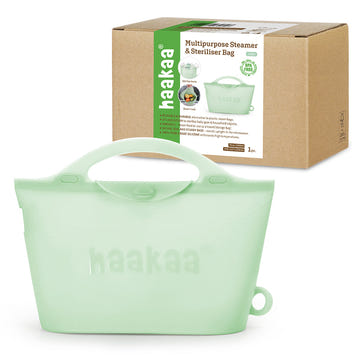
Haakaa Multipurpose Steamer & Sterilizer Bag 3 sizes...
$14.99
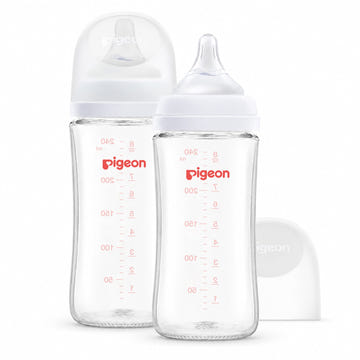
Pigeon Glass Wide Neck Baby Bottle 2-Pack 8.1 oz 3+ ...
$35.99
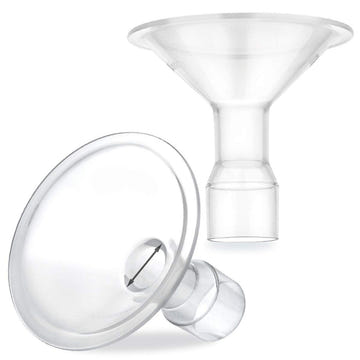
Bae & Bee Boutique Maymom Narrow Neck Flange compati...
$15.00
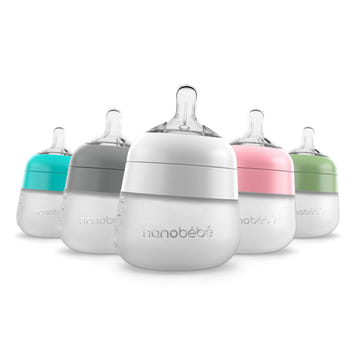
Nanobébé Flexy Silicone Baby Bottle 5oz
$16.99
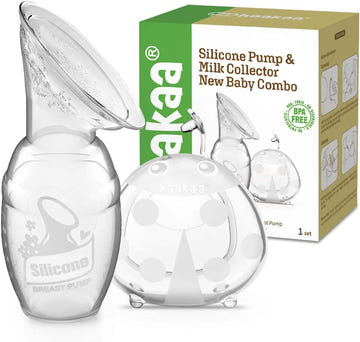
Haakaa Silicone Pump and Ladybug Milk Collector Comb...
$30.32
Can breastfeeding a toddler affect my ability to get pregnant again?
Extended breastfeeding can affect fertility, but the impact varies greatly among mothers. Some women find their cycles return while nursing a toddler, while others experience delayed ovulation. If you are trying to conceive, you can continue breastfeeding while working with your healthcare provider to understand your unique situation.
Does breast milk still have nutritional value after 12 months?
Yes, breast milk continues to provide substantial nutritional value well beyond the first year. It remains rich in protein, calcium, vitamins, healthy fats, and immune-boosting antibodies that adapt to your growing child's needs. Even as solid foods become the primary nutrition source, breast milk continues to offer important nutritional support.
How do I handle negative comments about breastfeeding my older baby?
Facing criticism about extended breastfeeding can be challenging, but remember that your feeding choices are personal and evidence-based. You can kindly educate others about the benefits, set boundaries around unsolicited advice, or simply acknowledge their opinion without feeling the need to justify your decision. Surrounding yourself with supportive communities can also help reinforce your confidence.
Will breastfeeding a toddler cause dental problems or cavities?
Current research does not show a direct link between breastfeeding and increased cavities when good oral hygiene is practiced. The key is maintaining regular tooth brushing, limiting sugary foods, and ensuring your toddler receives appropriate dental care. Breast milk itself is not more cavity-causing than other foods when combined with proper dental hygiene.
Can I still use nursing cups if my toddler has teeth?
Yes, Moogco Silver Nursing Cups are especially helpful during extended breastfeeding when teething toddlers may cause occasional nipple soreness or irritation. The natural antimicrobial properties of silver help soothe and protect sensitive skin between nursing sessions. Many mothers find them invaluable for maintaining comfort throughout their entire breastfeeding journey, regardless of their child's age or teething status.
From Moogco Studio
Printable and personalized nursery essentials. Designed by moms for moms.


About the Editor
Eda Ulger is the editor at Moogco Baby and a mom of two. She curates and edits our guides so every piece is honest, practical, and genuinely helpful for the early days of motherhood.
Shop This Story
Picks related to this guide, ready to ship from Moogco.
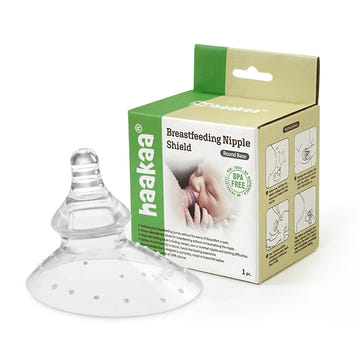
Haakaa Silicone Breastfeeding Nipple Shield Round Sh...
$19.05
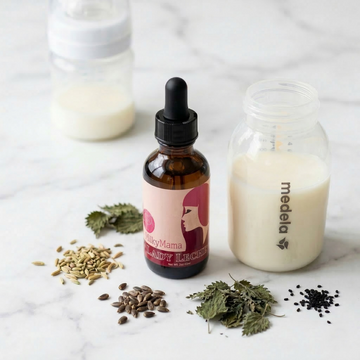
Milky Mama Lady Leche Lactation Liquid Grape Flavor ...
$27.00
Bae & Bee Boutique LactTube 5FR Pediatric Feeding Tu...
$3.00
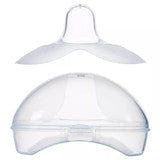
Bae & Bee Boutique Cherry Shaped Nipple Shield 21mm ...
$14.00

Nanobébé Silicone Anti-Colic Baby Bottle Nipples Gen...
$5.99
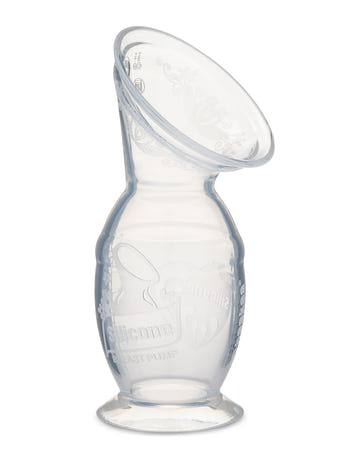
Haakaa Generation 2 Silicone Breast Pump 5 oz Suctio...
$20.99
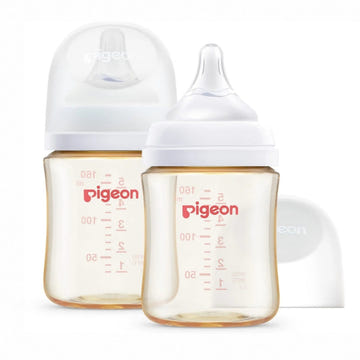
Pigeon PPSU Wide Neck Baby Bottle 2 Pack 5.4 oz Newborn
$34.99
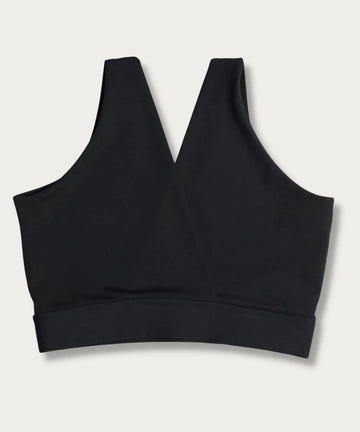
Nyssa FourthWear Postpartum Bralette Nursing and Pum...
$39.00
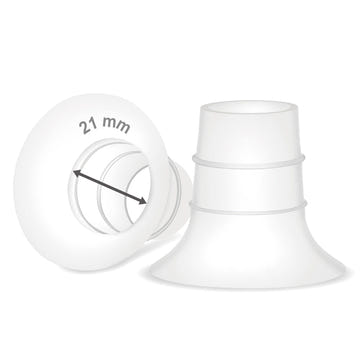
Bae & Bee Boutique Maymom Silicone Medela Flange Ins...
$6.00
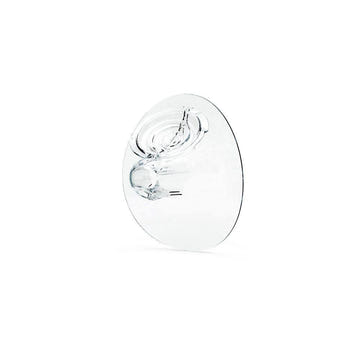
Healthy Horizons Elvie Pump Breast Shields 2 Pack 21...
$29.99