


Throughout history, breastfeeding has been celebrated, challenged, and rediscovered across cultures and societies. Many historical figures have played significant roles in advocating for the natural act of breastfeeding, helping to shape how we view it today. From royal mothers to modern pioneers, these influential individuals have left an inspiring legacy of support, guidance, and empowerment for breastfeeding mothers.
1. Queen Victoria: Breaking Taboos
Queen Victoria of England (1819–1901) had mixed feelings about breastfeeding and initially shunned it as the standard among royalty and nobility. Despite her own reservations, her era saw a shift where royal mothers began to breastfeed more openly or employ wet nurses if they were unable to breastfeed. Queen Victoria’s era influenced societal perceptions, gradually challenging the stigma surrounding breastfeeding.
2. Marie Antoinette: A Shift in Royal Norms
Before Marie Antoinette, it was uncommon for royal women to breastfeed their own children; they typically relied on wet nurses. However, Marie Antoinette (1755–1793) started a movement at the French court by occasionally breastfeeding her children. Her subtle advocacy brought the practice back into the upper echelons of French society, eventually encouraging breastfeeding as a respectable and even noble act for women across France.
3. Dr. Cicely Williams: A Modern Champion
A prominent figure in public health, Dr. Cicely Williams (1893–1992) is celebrated for her commitment to promoting breastfeeding in the 20th century. She coined the term “kwashiorkor” and highlighted the critical nutritional needs of infants. Dr. Williams recognized that formula was not an adequate substitute for breastmilk, especially in developing countries, and advocated for the use of breastmilk as a means to combat malnutrition.
4. Dr. Benjamin Spock: Changing Perceptions in the 20th Century
In the mid-20th century, Dr. Benjamin Spock, a pediatrician and author of The Common Sense Book of Baby and Child Care, encouraged mothers to breastfeed, promoting it as both a beneficial and natural way to nourish their children. His supportive stance in the 1940s and 1950s helped increase breastfeeding rates during a time when formula feeding was on the rise. Dr. Spock’s work inspired generations of parents to consider breastfeeding as a central part of infant care.
5. La Leche League Founders: Revolutionizing Breastfeeding Support
Founded in 1956 by seven women in Illinois, La Leche League was created to support mothers through the breastfeeding journey. These founding members—Mary White, Marian Tompson, Edwina Froehlich, Viola Lennon, Mary Ann Kerwin, Betty Wagner, and Mary Ann Cahill—sought to create a supportive network for women who wanted to breastfeed. Their organization grew rapidly, eventually influencing breastfeeding support systems and providing resources worldwide.
6. Mahatma Gandhi: Emphasizing Maternal Empowerment
Mahatma Gandhi, known for his dedication to self-sufficiency and natural practices, promoted breastfeeding as an essential practice for healthy development. He encouraged mothers in rural India to breastfeed rather than rely on artificial supplements, which were often unaffordable and nutritionally inadequate. Gandhi’s teachings on maternal health, simplicity, and natural methods brought breastfeeding into greater prominence in India.
7. Moogco Silver Nursing Cups: A Modern Tool for Tradition
Building on these historical legacies, today’s breastfeeding advocates have introduced helpful products designed to support mothers, such as the Moogco Silver Nursing Cups. While rooted in age-old practices using silver’s natural antibacterial properties, these cups provide comfort and healing to modern mothers, helping to prevent and relieve nipple soreness and cracking. Moogco Silver Nursing Cups combine the wisdom of tradition with the innovation of today, reminding us that breastfeeding support can bridge history and modernity.
8. Michelle Obama: Leading by Example in Recent Times
While First Lady Michelle Obama is widely known for her initiatives in health, fitness, and nutrition, she has also been an open advocate for breastfeeding. By breastfeeding her own children and speaking openly about it, Obama provided a positive example for modern mothers who may have felt discouraged by societal pressures. Her influence helped bring breastfeeding to the forefront of conversations about maternal and child health.
9. Princess Diana: Advocating for a Mother’s Touch
Princess Diana broke many royal norms, and breastfeeding was no exception. Known for her compassion and hands-on approach, she publicly advocated for a natural and affectionate bond between mother and child, including breastfeeding. Her example influenced not only the British royal family but also mothers worldwide, encouraging them to cherish the special connection that breastfeeding fosters.
Why These Historical Figures Matter
The contributions of these figures remind us of the importance of support, encouragement, and education surrounding breastfeeding. Each figure, in their unique way, made breastfeeding a more accepted, respected, and celebrated practice in their time, paving the way for the generations of mothers who followed.
Today, as we continue to share information, products, and encouragement, we build on their legacy. With tools like Moogco Silver Nursing Cups and resources from modern support networks, we’re equipped to create a supportive environment for all breastfeeding mothers, helping each parent feel connected to a timeless tradition that brings health and comfort to families across the world.
Bring this guide home with 20% off.
Use code MOM20 for 20% off →
Featured pick from Moogco
MOOGCO Silver Nursing Cups 925k Silver - Protect Against Sore Breasts And Nipple Irritation
$45.90 $49.90
Shop this pick → Frequently Asked Questions
How did historical figures influence modern breastfeeding practices?
Historical advocates from Queen Victoria to Princess Diana helped normalize breastfeeding across different social classes and cultures. Their willingness to challenge societal norms and speak openly about breastfeeding paved the way for today's supportive networks, resources, and products. Modern mothers benefit from centuries of advocacy that transformed breastfeeding from a stigmatized practice into a celebrated choice.

What role did La Leche League play in breastfeeding support?
Founded in 1956 by seven mothers in Illinois, La Leche League revolutionized breastfeeding support by creating a peer-to-peer network where women could share experiences and encouragement. The organization grew into a worldwide resource offering meetings, publications, and lactation guidance. Their model inspired countless breastfeeding support groups and helped millions of mothers successfully nurse their babies.
Curated by moms, vetted by lactation pros
Picks From This Story
Picks related to this guide, ready to ship from Moogco.

The Original Silver Nursing Cups with Silicone Pads
$62.90
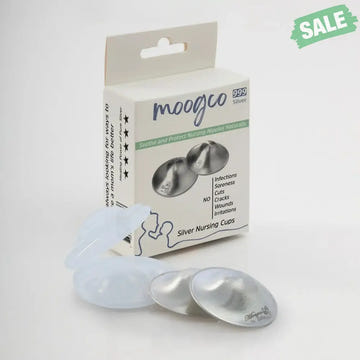
MOOGCO Silver Nursing Cups 999k Silver
$49.90

momjug breastfeeding water bottle 50oz double-wall s...
$49.99

Zomee Breast Pumps Breast Milk Storage Bottles BPA-free
$3.99
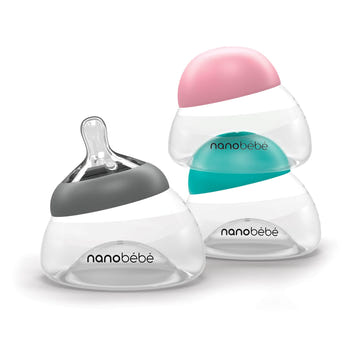
Nanobébé Breastmilk Baby Bottle 5 oz Pack Options Pi...
$16.99

hegen PPSU Essentials Kit 60ml 150ml 240ml baby bottles
$99.99
Everything for the breastfeeding journey
Take 20% off at checkout, applied automatically when you shop through this link.
Shop with MOM20 →Free US shipping over $100. Code applies automatically at checkout.
Why did royalty historically use wet nurses instead of breastfeeding?
In royal courts, wet nurses were employed for practical and social reasons, including allowing queens to fulfill official duties and maintain physical appearance standards of the time. Breastfeeding was often seen as incompatible with royal responsibilities and social obligations. However, figures like Marie Antoinette and Princess Diana broke these traditions, helping to restore breastfeeding as a respected maternal choice even among nobility.
How do silver nursing cups connect to historical breastfeeding practices?
Silver has been valued for its natural antibacterial properties for centuries across many cultures. Modern silver nursing cups like Moogco's build on this ancient wisdom by using pure silver to provide comfort and promote healing for sore or cracked nipples. This bridges traditional remedies with contemporary breastfeeding support, giving today's mothers access to time-tested natural solutions.
What did Dr. Cicely Williams contribute to infant nutrition?
Dr. Cicely Williams was a pioneering public health advocate who identified kwashiorkor, a severe malnutrition condition in infants. She recognized that breastmilk provided irreplaceable nutrition, especially in developing countries where formula was expensive and often improperly prepared. Her work in the 20th century established breastfeeding as a critical public health intervention for infant survival and development.
More Related Picks
A few more favorites from the same collection.

Healthy Horizons Elvie Stride Diaphragms 2 Pack
$21.99
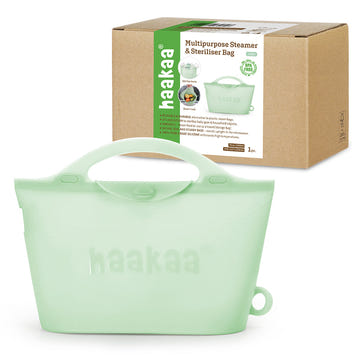
Haakaa Multipurpose Steamer & Sterilizer Bag 3 sizes...
$14.99

Pigeon Glass Wide Neck Baby Bottle 2-Pack 8.1 oz 3+ ...
$35.99
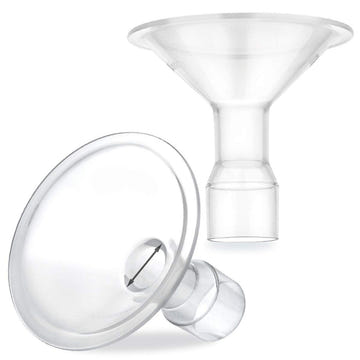
Bae & Bee Boutique Maymom Narrow Neck Flange compati...
$15.00
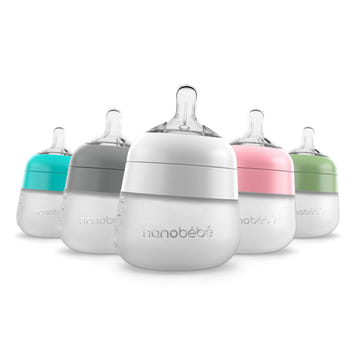
Nanobébé Flexy Silicone Baby Bottle 5oz
$16.99

Haakaa Silicone Pump and Ladybug Milk Collector Comb...
$30.32
How did Michelle Obama promote breastfeeding awareness?
As First Lady, Michelle Obama openly discussed breastfeeding her own daughters and advocated for policies supporting nursing mothers, including workplace accommodations. Her public stance helped normalize breastfeeding conversations and encouraged mothers facing societal pressure. By leading through personal example, she brought maternal and infant health issues to national prominence during her time in the White House.
What was Dr. Benjamin Spock's impact on breastfeeding rates?
In the 1940s and 1950s, when formula feeding was heavily marketed and widely adopted, Dr. Spock's bestselling parenting book encouraged mothers to choose breastfeeding as the natural and beneficial option. His supportive guidance helped counter the formula trend and reassured parents that breastfeeding was both practical and healthful. His work influenced generations of families and contributed to renewed interest in nursing.
Why is learning about breastfeeding history important for modern mothers?
Understanding breastfeeding history helps mothers recognize they're part of a timeless tradition supported by advocates across cultures and centuries. It provides perspective that breastfeeding challenges and societal pressures are not new, and that support systems exist because of dedicated pioneers. This knowledge can empower mothers to feel confident in their feeding choices and connected to a meaningful legacy of maternal care.
From Moogco Studio
Printable and personalized nursery essentials. Designed by moms for moms.


About the Editor
Eda Ulger is the editor at Moogco Baby and a mom of two. She curates and edits our guides so every piece is honest, practical, and genuinely helpful for the early days of motherhood.
Shop This Story
Picks related to this guide, ready to ship from Moogco.
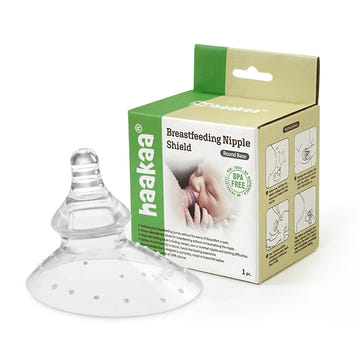
Haakaa Silicone Breastfeeding Nipple Shield Round Sh...
$19.05

Milky Mama Lady Leche Lactation Liquid Grape Flavor ...
$27.00
Bae & Bee Boutique LactTube 5FR Pediatric Feeding Tu...
$3.00
Bae & Bee Boutique Cherry Shaped Nipple Shield 21mm ...
$14.00

Nanobébé Silicone Anti-Colic Baby Bottle Nipples Gen...
$5.99
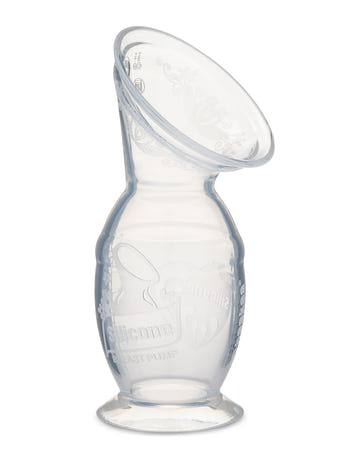
Haakaa Generation 2 Silicone Breast Pump 5 oz Suctio...
$20.99

Pigeon PPSU Wide Neck Baby Bottle 2 Pack 5.4 oz Newborn
$34.99

Nyssa FourthWear Postpartum Bralette Nursing and Pum...
$39.00

Bae & Bee Boutique Maymom Silicone Medela Flange Ins...
$6.00
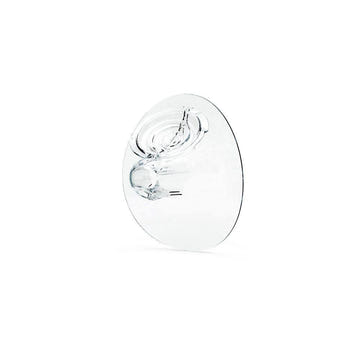
Healthy Horizons Elvie Pump Breast Shields 2 Pack 21...
$29.99