


Breastfeeding is one of the most natural and sustainable ways to nourish your baby. However, for mothers who want to take their commitment to the environment even further, there are numerous eco-friendly products and practices that can make the breastfeeding journey even more sustainable. This blog post explores how you can make environmentally conscious choices while breastfeeding, from the products you use to the daily practices you adopt.
Choosing Eco-Friendly Breastfeeding Products
Sustainable Nursing Pads: Disposable nursing pads create a significant amount of waste, especially in the first few months when leaking is common. Opting for reusable nursing pads made from organic cotton or bamboo is a more sustainable choice. These pads are washable, durable, and gentle on the skin, making them both eco-friendly and cost-effective in the long run.
Glass or Stainless Steel Bottles: If you need to bottle-feed your baby, consider using glass or stainless steel bottles instead of plastic ones. These materials are not only free from harmful chemicals like BPA but are also highly durable and can be used for multiple children or repurposed when your baby no longer needs them.
Eco-Friendly Breast Pumps: For mothers who need to pump, there are breast pumps available that are made from sustainable materials or are designed with energy efficiency in mind. Manual pumps, for instance, don’t require electricity, making them a greener option. Some electric pumps are also designed to be energy-efficient, reducing their environmental impact.
Organic Nipple Creams and Balms: Many conventional nipple creams contain synthetic ingredients and come in plastic packaging. Opt for organic nipple creams that use natural ingredients like shea butter, coconut oil, and calendula. These not only soothe sore nipples effectively but also minimize the environmental footprint.
Sustainable Breastfeeding Practices
Reducing Waste: One of the simplest ways to practice eco-friendly breastfeeding is by reducing waste. This can be achieved by using reusable nursing pads, storing breast milk in glass containers, and avoiding single-use plastic items. Also, consider cutting back on the use of disposable items like wipes by opting for washable cloths instead.
Eco-Friendly Cleaning: Cleaning your breastfeeding supplies, such as bottles and breast pump parts, can also be done sustainably. Use biodegradable soaps and detergents, and opt for natural cleaning solutions like vinegar and baking soda. Avoid harsh chemicals that can be harmful to both your baby and the environment.
Supporting Local and Organic: When purchasing breastfeeding products, try to support local businesses that use organic materials. This not only reduces the carbon footprint associated with shipping but also promotes the use of sustainable farming practices. Organic cotton, for example, is grown without the use of pesticides, making it a safer choice for both your baby and the planet.
Why Moogco Silver Nursing Cups Are a Sustainable Choice
In your journey to incorporate eco-friendly practices into breastfeeding, Moogco Silver Nursing Cups stand out as a sustainable and beneficial option. These cups are made from natural silver, a material known for its antibacterial properties, which means they can be used repeatedly without the need for additional products like creams or ointments.
Long-Lasting and Reusable: Unlike disposable alternatives, Moogco Silver Nursing Cups are designed to last. Their durability reduces the need for frequent replacements, making them an eco-friendly option for mothers who are conscious of their environmental impact.
Natural Healing Properties: The silver in these cups promotes natural healing, helping to soothe and protect sore nipples without the need for additional products. This reduces the number of products you need to buy and use, further minimizing waste.
Conclusion
Eco-friendly breastfeeding is about making conscious choices that benefit both your baby and the environment. By choosing sustainable products like reusable nursing pads, glass bottles, and Moogco Silver Nursing Cups, and by adopting practices that reduce waste and support local, organic businesses, you can ensure that your breastfeeding journey is as green as possible. Every small change adds up, making a big difference in creating a healthier planet for your child’s future.
Bring this guide home with 20% off.
Use code MOM20 for 20% off →
Featured pick from Moogco
Picks From This Story
Picks related to this guide, ready to ship from Moogco.

Bamboo Blend Beige Swaddle Sleep Sack
$69.95
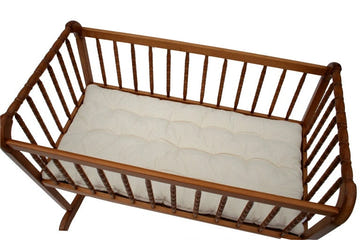
Organic Cotton Futon Pad - Rectangle - Custom Size
$69.00
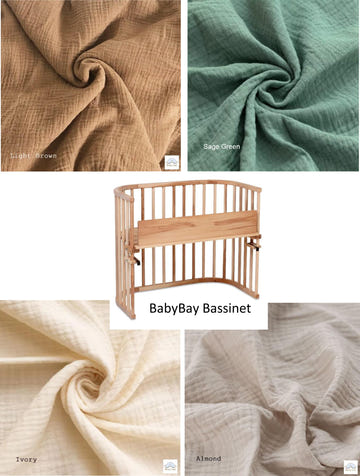
Baby Bay Original Bassinet Custom Made Fitted Sheet ...
$36.00
Berlin Flyer Sport Wagon - Model F410 - Amish Made i...
$269.50
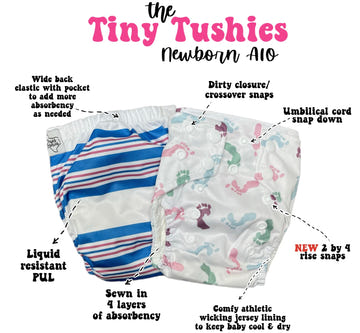
Tiny Tushies Newborn AIO Cloth Diaper
$9.00
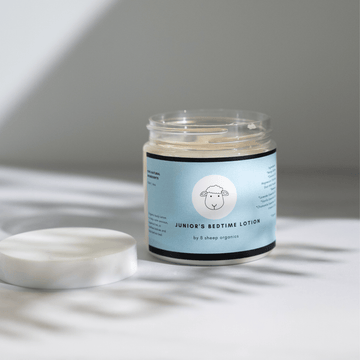
Junior's Bedtime Lotion
$23.00
MOOGCO Silver Nursing Cups 925k Silver - Protect Against Sore Breasts And Nipple Irritation
$45.90 $49.90
Shop this pick → Frequently Asked Questions
How do reusable nursing pads compare to disposable ones in terms of cost savings?
Reusable nursing pads typically cost between $15 and $30 for a set of six to eight pairs, while disposable pads can cost $8 to $15 per box of 60, which nursing mothers may go through every few weeks. Over a typical breastfeeding journey of 12 months or more, reusable pads can save you hundreds of dollars while significantly reducing landfill waste. Plus, high-quality organic cotton or bamboo pads become softer with each wash, making them gentler on sensitive skin over time.

Are glass bottles safe for babies and easier to clean than plastic?
Yes, glass bottles are completely safe for babies when handled properly, and many come with protective silicone sleeves to prevent breakage. Glass is naturally non-porous, which means it does not absorb odors or harbor bacteria the way plastic can, making it easier to keep truly clean. Glass bottles can be safely sterilized at high temperatures without degrading, and they maintain their clarity and integrity through countless wash cycles.
Curated by moms, vetted by lactation pros
Everything for the breastfeeding journey
Take 20% off at checkout, applied automatically when you shop through this link.
Shop with MOM20 →Free US shipping over $100. Code applies automatically at checkout.
What makes manual breast pumps more eco-friendly than electric ones?
Manual breast pumps require zero electricity to operate, eliminating energy consumption and the environmental impact associated with power generation. They also tend to have fewer parts and simpler construction, which means less manufacturing resources and packaging waste. Many mothers find manual pumps perfectly adequate for occasional pumping needs, and their portability makes them ideal for on-the-go use without batteries or charging.
More Related Picks
A few more favorites from the same collection.
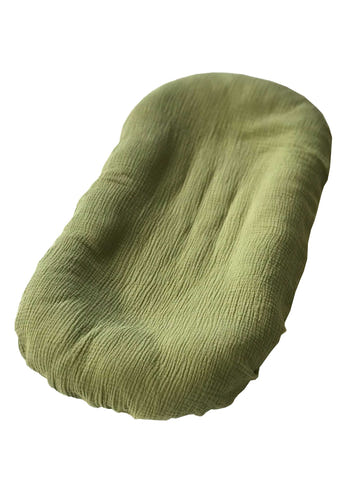
Snuggle Me Infant Lounger Slip Cover - Organic Cotto...
$59.00
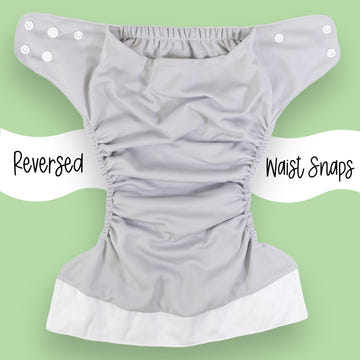
Flex Fit Pocket Cloth Diaper
$8.00
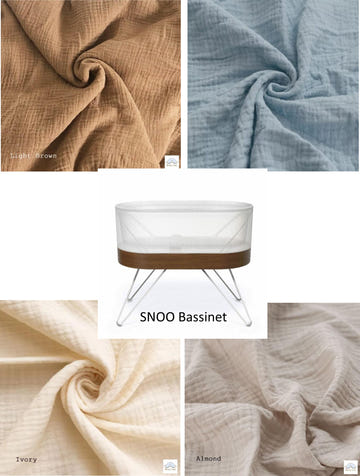
SNOO Bassinet Cradle Custom Made Fitted Sheet - Orga...
$32.00
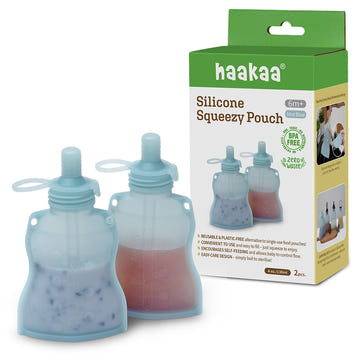
Haakaa Silicone Yummy Pouch 4.5 oz
$13.56
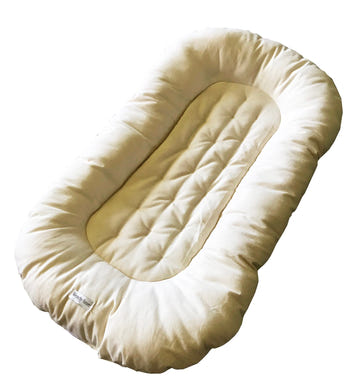
Lounger Nest Organic Cotton Futon
$129.00
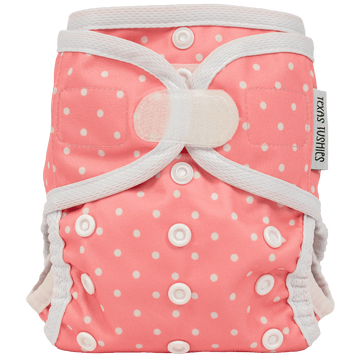
Tiny Tushies Newborn Hook & Loop Covers
$8.50
Can I use the same natural ingredients for nipple care that I use for baby skincare?
Many natural ingredients like coconut oil, shea butter, and calendula are safe for both nipple care and baby skincare, making them versatile additions to your nursery. However, always ensure any product you apply to your nipples is food-grade and free from essential oils or additives that could irritate your baby during nursing. Simple, pure ingredients are best, and remember that products like Moogco Silver Nursing Cups eliminate the need for creams altogether by promoting natural healing.
How can I make my breast pump cleaning routine more environmentally friendly?
Switch to plant-based or biodegradable dish soaps specifically designed for baby items, and use a dedicated basin rather than running water continuously. Consider air-drying pump parts on a clean towel instead of using paper towels, and use vinegar and water solutions for periodic deep cleaning instead of harsh chemical sanitizers. For sterilization, choose microwave steam bags that can be reused multiple times over disposable sterilizing products.
What should I look for when choosing organic breastfeeding products?
Look for certifications like GOTS (Global Organic Textile Standard) for fabric items and USDA Organic for skincare products, which ensure materials were grown and processed without synthetic pesticides or harmful chemicals. Check that packaging is minimal and recyclable, and research whether the company practices ethical manufacturing and sustainable sourcing. Products made from bamboo, organic cotton, natural rubber, and sustainably harvested materials are excellent eco-friendly choices.
Is it worth investing in sustainable breastfeeding products if I only plan to nurse for a few months?
Absolutely! Even short-term use of sustainable products makes a positive environmental impact and often saves money compared to continuously buying disposables. Many eco-friendly breastfeeding items like glass bottles, reusable nursing pads, and silver nursing cups can be passed along to friends, family, or sold secondhand, extending their useful life. Every sustainable choice you make, no matter how long you nurse, contributes to reducing waste and modeling environmental consciousness for your child.
How do I properly care for and clean Moogco Silver Nursing Cups to maintain their sustainability?
Moogco Silver Nursing Cups require only simple rinsing with warm water and mild soap between uses, making their care routine incredibly low-impact. Avoid harsh chemicals or abrasive scrubbers that are unnecessary and can diminish the silver's natural properties. Their durable construction and natural antibacterial properties mean they maintain their effectiveness throughout your entire breastfeeding journey and can even be saved for future children, maximizing their sustainable value.
From Moogco Studio
Printable and personalized nursery essentials. Designed by moms for moms.


About the Editor
Eda Ulger is the editor at Moogco Baby and a mom of two. She curates and edits our guides so every piece is honest, practical, and genuinely helpful for the early days of motherhood.
Shop This Story
Picks related to this guide, ready to ship from Moogco.
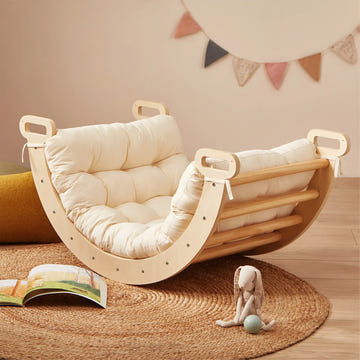
Tiny Land® Thick Padded Play Cushion - Arch Not Incl...
$72.99
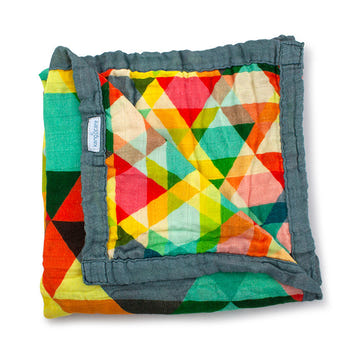
Kanga Care Bamboo Muslin Blanket - Baby: Finn (rever...
$20.00

Rattle Teether Wooden + Silicone (4 Colors)
$16.00
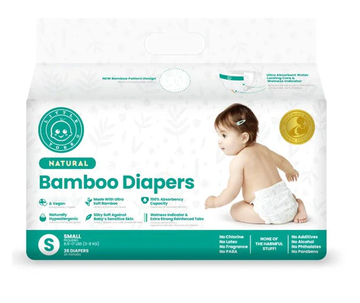
Little Toes® Natural Bamboo Diapers — 36 Pack
$25.99
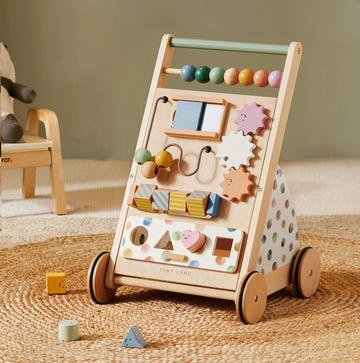
Tiny Land® Versatile Natural Wooden Baby Walker
$84.99
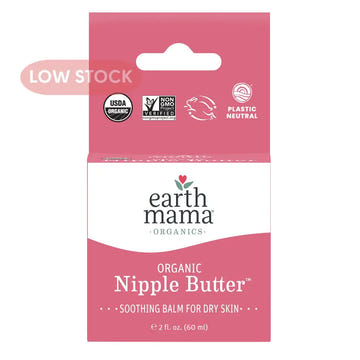
Organic Nipple Butter™ - Double-Sided for Kids
$14.99
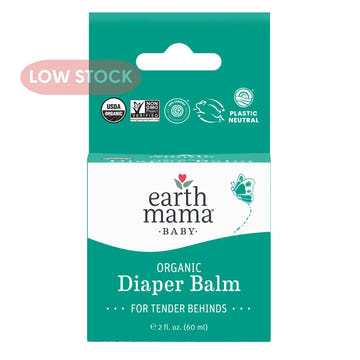
Organic Diaper Balm - Large Capacity for Parents
$13.99
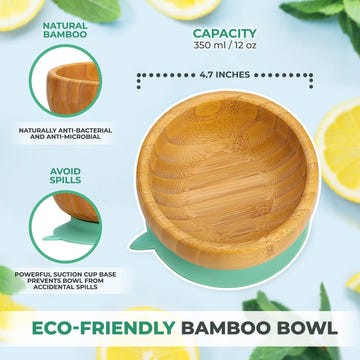
Bamboo Bowl With Suction Base
$14.95
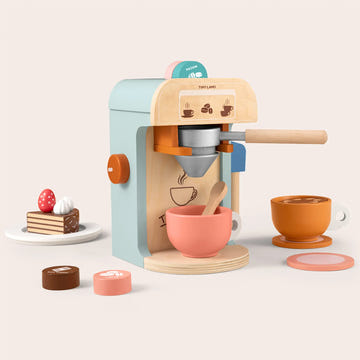
Tiny Land® Play Kitchen Accessories – Children’s Cof...
$34.99
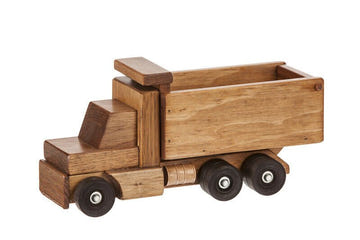
Amish-Made Wooden Toy Dump Truck, Kid-Safe Finish
$52.50