


Pregnancy is a journey that places mothers at the center of care and attention, with family and friends focused on the well-being of both mom and baby as they grow together. But once the baby is born, the dynamic often shifts, and much of the focus goes toward the little one. While it’s natural for everyone to be excited about the newborn, balancing the needs of the baby and the mother is crucial to supporting both as they adjust to life together.
Let’s look at why prioritizing both mother and baby in unique ways is essential to making the transition smoother, healthier, and happier for the whole family.
Pregnancy: Nurturing Mom for Baby’s Health
During pregnancy, the mother’s health is directly linked to the baby’s well-being. Healthy nutrition, adequate rest, regular checkups, and support from family are all crucial for the baby's growth and development. It’s a time when loved ones offer encouragement, check in frequently, and ensure mom feels comfortable, safe, and connected to her community.
In pregnancy, the mother's care becomes the foundation for the baby’s growth. From prenatal vitamins to safe exercise routines, healthy choices benefit both mom and baby.
The Big Transition: A New Baby in the Family
Once the baby is born, it's natural for everyone to direct their attention toward the newborn. From feedings to diaper changes, parents and caregivers are busy around the clock meeting the baby’s needs. But while this stage is magical and filled with love, the focus on the newborn can sometimes leave mothers feeling sidelined or unsupported in their own postpartum journey.
It’s easy to forget that while babies need lots of love and care, mothers need just as much emotional and physical support as they adapt to their new roles.
Why It’s Still Vital to Prioritize Moms Post-Birth
Post-birth recovery isn’t always straightforward. Sleep deprivation, physical recovery from labor, and the demands of breastfeeding can make the first few months challenging for many mothers. Mental health, too, can be deeply impacted as mothers face the ups and downs of postpartum emotions, all while learning to care for their new baby.
When loved ones step in to help and offer care, they can make a world of difference. Here’s why supporting mom during this time is essential:
- Healing: Physical recovery from birth can take time, especially for mothers who have had complications or a C-section. A caring, supportive environment helps speed up this process.
- Mental Health: Postpartum blues and postpartum depression can be challenging. Encouragement, empathy, and regular check-ins can provide much-needed emotional support.
- Energy and Nutrition: Preparing nourishing meals or handling household chores allows new mothers to focus on healing and bonding with their babies.
- Space to Bond: When mom feels supported, she can be more present with her baby, creating a loving, low-stress environment for everyone.
The Role of Moogco Silver Nursing Cups
In addition to watching what you consume and your overall well-being, your comfort during breastfeeding is crucial. Moogco Silver Nursing Cups can provide gentle, natural relief for sore nipples, which is a common issue for many new moms. These cups harness the natural antibacterial properties of silver to promote healing, offering a chemical-free, eco-friendly solution. By focusing on your comfort, you can make the breastfeeding journey smoother and more enjoyable, freeing you to bond more easily with your little one.
Simple Ways to Support Moms and Babies Equally
Finding balance in caring for both mom and baby doesn’t have to be complicated. Here are a few ideas for friends, family, and partners to keep mom at the center of attention too:
-
Share Responsibilities: Partners, family members, and friends can step in to help with meals, household chores, and even baby care. When basic tasks are handled, mom has more time to rest and bond with her baby.
-
Encourage Self-Care: New moms need time to themselves. Whether it’s a long bath, a nap, or a short walk, encourage her to carve out moments of self-care to recharge.
-
Offer Listening and Validation: The early days of parenthood are full of emotions. Listening without judgment and validating her feelings can provide invaluable support.
-
Physical Comforts: Nursing moms often face discomfort and pain, and supportive products can help. Moogco Silver Nursing Cups, for example, provide gentle relief from nipple soreness, offering a bit of extra comfort during breastfeeding. Small gestures like these show you care about her physical well-being, too.
-
Mental Health Awareness: Be mindful of the signs of postpartum depression and encourage her to talk to a healthcare provider if she feels overwhelmed. Having an open, supportive dialogue about mental health can make a tremendous difference.
Remember, a Supported Mom Means a Happy Baby
When mothers receive the care and support they need, they’re better able to meet the demands of caring for their newborns. It’s a cycle: a mother who feels valued, rested, and supported is a happier mother, and that happiness radiates into her interactions with her child. Babies may become the center of attention, but a cared-for mom means a happier, healthier household for everyone.
In this beautiful transition from pregnancy to parenthood, honoring and valuing the needs of both mom and baby allows families to thrive together, building a foundation of love, support, and connection.
Bring this guide home with 20% off.
Use code BABY20 for 20% off →
Featured pick from Moogco
Bamboo Lounge Around Nursing Tank | Slate Blue
$29.99 $39.90
Shop this pick → Frequently Asked Questions
How long does it typically take for a new mom to physically recover after giving birth?
Physical recovery varies widely depending on the type of delivery and any complications. Most moms start feeling better within two to six weeks, though full recovery, especially after a C-section, can take several months. During this time, rest, nutrition, and support are essential to help your body heal properly. Listen to your body and don't hesitate to reach out to your healthcare provider if something doesn't feel right.

What are some warning signs that a new mom might need extra mental health support?
If you're experiencing persistent sadness, anxiety, difficulty bonding with your baby, or thoughts of harming yourself or your baby, it's important to seek help immediately. Other signs include extreme mood swings, loss of appetite, or feeling unable to cope with daily tasks. Postpartum depression is common and treatable, and reaching out to a healthcare provider can make all the difference in your recovery.
Bumps, postpartum, and back again
Picks From This Story
Picks related to this guide, ready to ship from Moogco.

Swaddelini Grey Swaddle Sleep Sack 3D Knit Seamless ...
$54.95

Swaddelini Lavender Swaddle Sleep Sack 3D knit light...
$54.95

Swaddelini Pink Swaddle Sleep Sack 3D Knit Seamless
$54.95

76.8 Inch Baby Bed Rail with Double Safety Child Lo...
$49.99

Swaddelini Bamboo Blend Beige Swaddle Sleep Sack 3D-...
$69.95

Swaddelini Blue Swaddle Sleep Sack 3D Knit Seamless
$54.95
Maternity and nursing wear that actually fits
Take 20% off at checkout, applied automatically when you shop through this link.
Shop with BABY20 →Free US shipping over $100. Code applies automatically at checkout.
How can partners and family members best support a breastfeeding mom?
Partners and family can help by taking over household tasks, bringing nutritious snacks and water during nursing sessions, and offering emotional encouragement. They can also help with diaper changes, soothing the baby between feedings, and creating a calm environment. Supporting products like Moogco Silver Nursing Cups for nipple comfort shows you care about her physical well-being too.
Why does everyone's attention seem to shift away from mom after the baby arrives?
It's natural for excitement about the new baby to take center stage, as everyone wants to meet and celebrate the newest family member. However, this shift can leave new moms feeling overlooked during a vulnerable time when they need significant physical and emotional support. Intentionally checking in with mom and prioritizing her needs alongside the baby's creates a healthier, more balanced environment for the whole family.
What kind of meals are most helpful for postpartum recovery?
Nourishing, easy-to-eat meals rich in protein, healthy fats, and iron support healing and energy levels. Think warm soups, casseroles, smoothies, and nutrient-dense snacks that can be eaten one-handed. Preparing freezer meals before birth or organizing a meal train with friends can ensure mom has access to good nutrition without the stress of cooking.
More Related Picks
A few more favorites from the same collection.
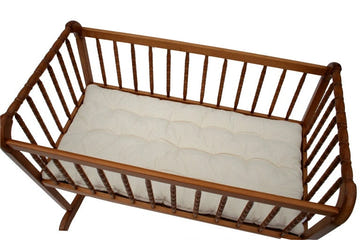
Wendy Anne Organic Cotton Futon Pad Rectangle Custom...
$69.00
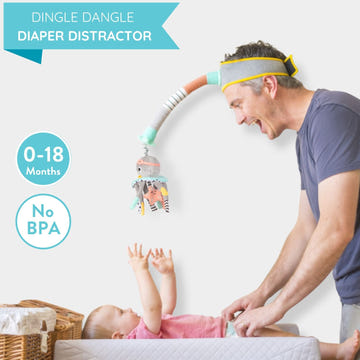
Dingle Dangle Baby Diaper Changing Distractor Head-W...
$32.99
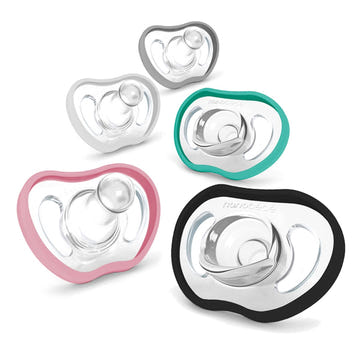
Nanobébé Active Flexy Pacifier 4m+ 4-pack Pink Teal ...
$14.99

Swaddelini Orange Swaddle Sleep Sack 3D Knit Seamless
$54.95
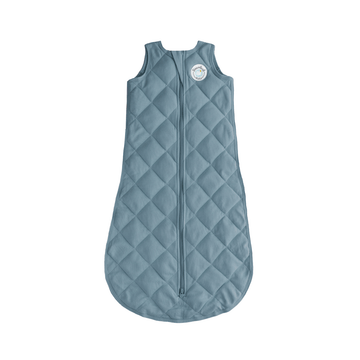
Dreamland Baby Dream Weighted Sleep Sack 1.0 TOG 68-...
$109.00
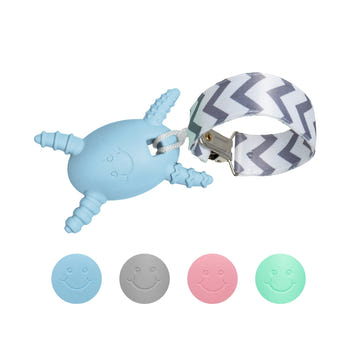
The Teething Egg The Molar Magician baby teether 4 t...
$19.95
Is it normal to feel overwhelmed even when you love your baby?
Absolutely. Loving your baby and feeling overwhelmed are not mutually exclusive. The physical demands, sleep deprivation, and major life changes can be incredibly challenging, even when you're filled with love. These feelings are valid, and talking about them with supportive people or a healthcare provider can help you navigate this adjustment period with more ease and less guilt.
How can I ask for help without feeling like I'm failing as a new parent?
Asking for help is a sign of strength, not failure. Every parent needs support, and accepting help allows you to be more present and energized for your baby. Be specific about what you need, whether it's someone to hold the baby while you shower, help with laundry, or just a listening ear. Remember, caring for yourself is caring for your baby.
When should I start prioritizing self-care after having a baby?
Self-care should begin as soon as possible, even in small ways. In the early weeks, this might mean a five-minute shower, a short nap, or asking someone to watch the baby while you eat a warm meal. As you heal and adjust, gradually expand your self-care routine. Taking care of yourself isn't selfish, it's essential for your well-being and your ability to care for your little one.
From Moogco Studio
Printable and personalized nursery essentials. Designed by moms for moms.


About the Editor
Eda Ulger is the editor at Moogco Baby and a mom of two. She curates and edits our guides so every piece is honest, practical, and genuinely helpful for the early days of motherhood.
Shop This Story
Picks related to this guide, ready to ship from Moogco.
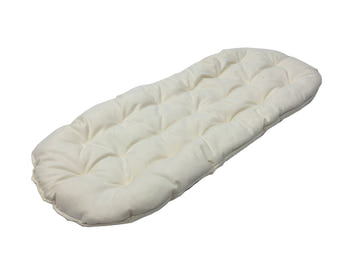
Organic Cotton Futon Mattress Topper Pad - Custom Si...
$69.00
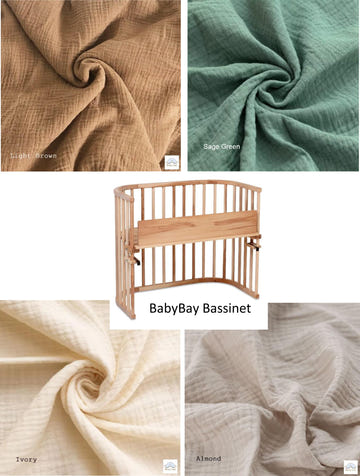
Wendy Anne Bedside Bassinet Fitted Sheet Organic Cot...
$36.00
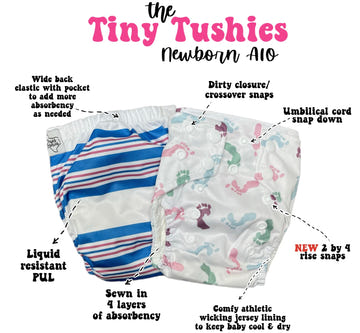
Texas Tushies Tiny Tushies Newborn AIO Cloth Diaper ...
$9.00

Wendy Anne Lounger Nest Organic Cotton Futon Oval Bo...
$129.00
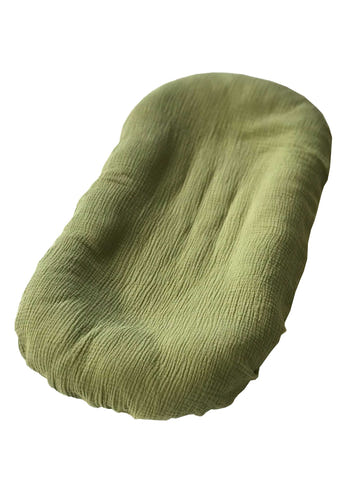
Wendy Anne Infant Lounger Slip Cover Organic Cotton ...
$59.00
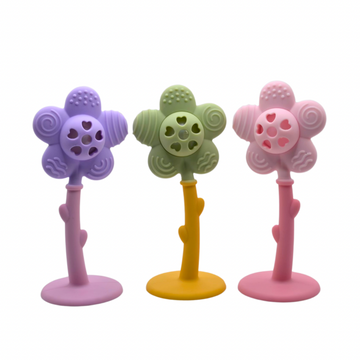
Golden Baby Rattle Teethers food grade silicone for ...
$7.99
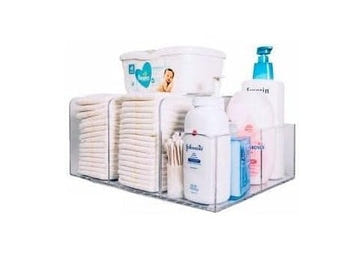
LELLOBABY Deluxe Lucite Acrylic Diaper Caddy 14.25x1...
$119.00
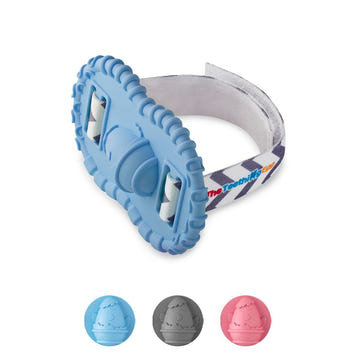
The Teething Egg Wristie Teether for 3-12 Months Adj...
$9.99
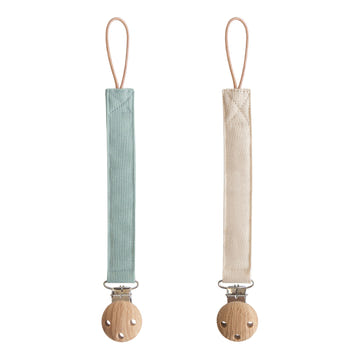
Mushie Linen Pacifier Clip 2-Pack linen clips faux w...
$15.99

Sell My Stuff Elephant Plush Baby Sleep Pillow 30 35...
$40.00