


So you're expecting—congratulations! Amidst all the excitement and planning, there’s a fantastic benefit you absolutely shouldn't overlook: getting a free breast pump through your insurance. Thanks to the Affordable Care Act (ACA), most health insurance plans, including many Medicaid programs, are required to cover the cost.
This is a huge help for new parents, making an essential piece of feeding equipment totally accessible.
Getting Your Free Breast Pump Is Easier Than You Think
Let's be honest, dealing with insurance can feel like a chore. But when it comes to getting your breast pump, the process is usually more straightforward than you might imagine. My goal here is to cut through the jargon and give you a clear, stress-free path to claiming this benefit.

Think of this as your personal roadmap. We'll walk through it together, step-by-step, so you can feel confident and prepared long before your little one arrives.
Top-rated pumps + accessories
Pumping made simpler
Take 20% off at checkout, applied automatically when you shop through this link.
Shop with BABY20 →Free US shipping over $100. Code applies automatically at checkout.
The Process at a Glance
So, what does it actually take to get your pump? It really boils down to three key stages: checking your coverage, getting a prescription, and ordering your pump.
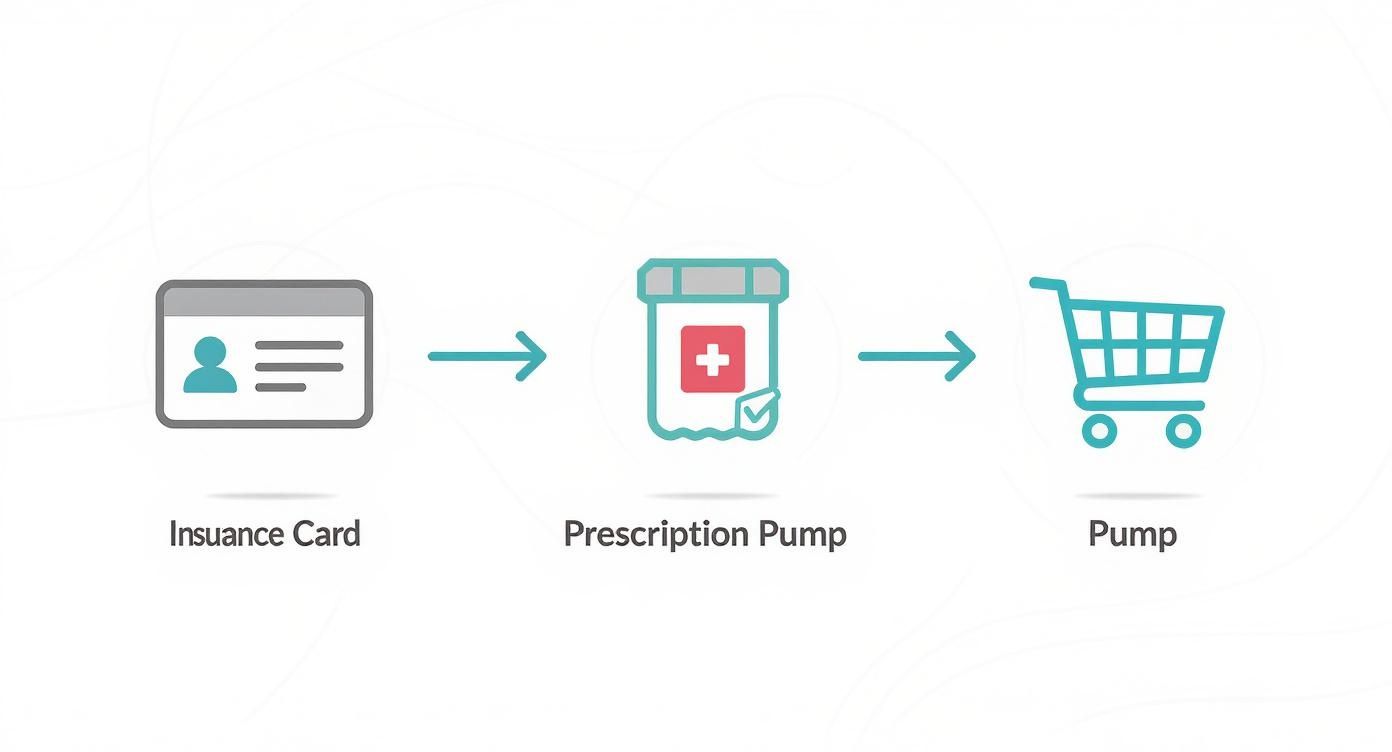
This simple flow—Confirm, Prescribe, Order—takes the mystery out of it. With just a little bit of prep work, you can get this done easily. Each step gets you closer to having your pump in hand, ready for when you need it most.
Here’s a quick overview of the essential steps you'll follow to get your free breast pump.
Quick Checklist for Your Insurance-Covered Breast Pump
| Action | What You Need to Do | Pro Tip |
|---|---|---|
| Call Your Insurance | Ring the member services number on your card. Ask specifically about "durable medical equipment" (DME) coverage for breast pumps. | Have your due date handy! Some plans have rules about when you can order. |
| Get a Prescription | Ask your OB-GYN or midwife for a prescription for a breast pump. They do this all the time. | Don't wait until your last appointment. It's best to get this squared away in your third trimester. |
| Find a Supplier | Your insurance will give you a list of "in-network" medical supply companies. This is where you'll "buy" the pump. | Many suppliers have online portals that verify your insurance and let you shop for approved pumps instantly. |
| Place Your Order | Choose a pump from the supplier's approved list and submit your prescription and insurance details. | Ask the supplier about shipping times to make sure your pump arrives before your baby does. |
Following these steps will ensure you’ve covered all your bases and are well on your way to receiving your pump.
Why Is This Benefit Available?
The reason you can get a breast pump for free is a direct result of policies designed to support growing families. Specifically, the Affordable Care Act (ACA), passed in 2010, mandated that most health plans must cover breastfeeding support and equipment.
This was a game-changer, acknowledging how critical these tools are for parents. You can usually find the nitty-gritty details on your insurer’s website by looking for their clinical policies on breast pump coverage.
A successful feeding experience often relies on having the right support system and tools in place from the very beginning. Your insurance-covered pump is a foundational piece of that puzzle.
For more hands-on advice as you prepare, take a look at our guide filled with practical breastfeeding tips for new moms. It’s the perfect companion to your new pump.
Figuring Out What Your Insurance Actually Covers
Before you even think about which breast pump you want, the very first thing you need to do is figure out what your insurance plan will cover. This one step will save you so much time and potential headaches down the road. Getting a free breast pump through insurance all starts with a quick phone call.

Go ahead and grab your insurance card. Flip it over and find the member services or customer service phone number. When you call, you're going to want to dig a little deeper than just asking, "Do you cover breast pumps?" The specifics are what really matter here.
What to Say and Key Questions to Ask
Going into that call prepared makes a world of difference. Your goal is to get clear, direct answers so there are no surprises later.
Here’s a simple way to start the conversation:
"Hi, I'm currently pregnant and I'm calling to understand my benefits for a breast pump, as covered under the Affordable Care Act. Can you walk me through my coverage for durable medical equipment?"
Starting the call like this shows them you’ve done your homework and need detailed information, not just a yes or no.
From there, you'll want to get the full picture. Here’s a little checklist of questions I always recommend asking:
- Do I need a prescription from my doctor? Most plans do, but it's always best to confirm right away.
- Can you give me a list of in-network medical suppliers? This is a huge one. Going through an out-of-network company could leave you with a surprise bill.
- What specific types of pumps are fully covered? Find out if they cover standard double electric pumps, manual pumps, or even the newer wearable models.
- Is there a dollar limit, or do I have to pick from a specific list of pump models? Some plans put a cap on how much they’ll pay, while others might limit you to certain brands.
- When am I allowed to order the pump? Many insurance companies have a strict timeline, like only after 28 weeks of pregnancy or within 60 days of your due date.
- Will I need prior authorization? This is a formal pre-approval process that some insurers require before you can get your pump. If this term is new to you, it's worth learning more about what prior authorization in healthcare entails.
A Quick Note on Different Plan Types
It’s important to know that not all insurance plans are the same. The good news is that most plans sold today are ACA-compliant, which means the law requires them to provide breastfeeding support and equipment.
However, there are still a few older plans out there known as "grandfathered" plans. These are plans that were in place before the ACA was passed back in March 2010 and haven't really changed. If you happen to have one, your benefits might be different, but it never hurts to call and ask what they offer.
If you're covered by Medicaid, your benefits can really vary depending on your state. Most state Medicaid programs do cover breast pumps, but the process and the specific models available might be different. That call to member services is your best bet to get the exact details for your state's plan.
Think of this phone call as your fact-finding mission. Once you have these answers, you'll be in a great position to move on to the next step without any guesswork.
Picks From This Story
Picks related to this guide, ready to ship from Moogco.

Healthy Horizons Elvie Stride Diaphragms 2 Pack
$21.99
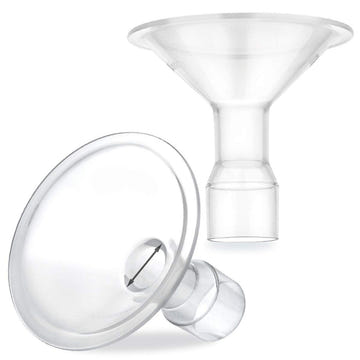
Bae & Bee Boutique Maymom Narrow Neck Flange compati...
$15.00
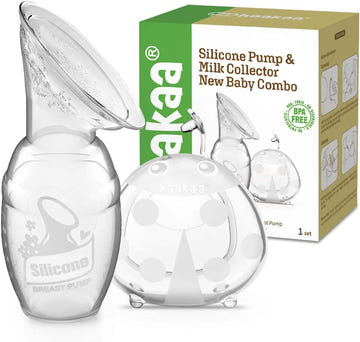
Haakaa Silicone Pump and Ladybug Milk Collector Comb...
$30.32
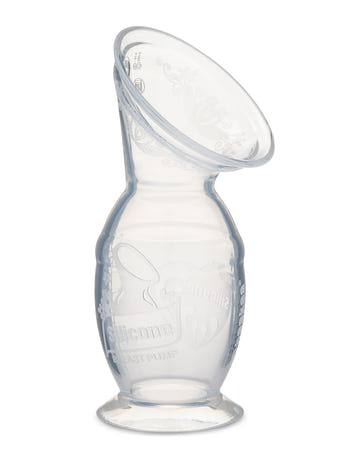
Haakaa Generation 2 Silicone Breast Pump 5 oz Suctio...
$20.99
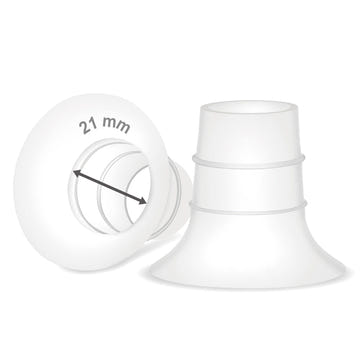
Bae & Bee Boutique Maymom Silicone Medela Flange Ins...
$6.00
Bae & Bee Boutique Silicone Flange Inserts 10-21mm
$16.00
Gathering Your Paperwork and Finding a Supplier
Alright, you've confirmed your insurance coverage—that's a huge hurdle cleared! Now for the next part: getting the right paperwork from your doctor and finding a company to actually send you the pump. It sounds like a lot, but I promise it's more straightforward than you might think.
First things first, you'll need a prescription. Pretty much every insurance company, whether it's a private plan or Medicaid, is going to ask for one from your OB-GYN, midwife, or primary care doctor. Don't worry, they get these requests constantly. It's a totally normal part of their day.
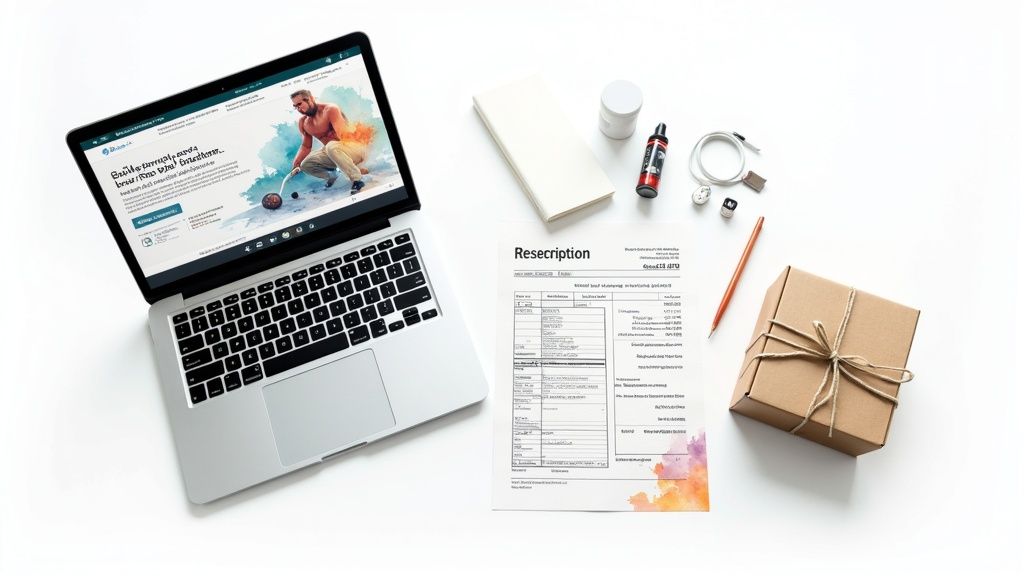
Getting the Right Prescription
To make this super smooth and avoid any annoying delays, it helps to know what the prescription needs to say. A vague note from your doctor could easily get bounced back, and nobody has time for that.
Make sure your prescription includes these key details:
- Your full name and date of birth so it matches your insurance files.
- The specific type of pump, like a "double electric breast pump" (or whatever kind you confirmed is covered).
- A diagnosis code. This is just medical jargon. It's usually something like "Z39.1 - Encounter for care and examination of lactating mother." Your doctor will know exactly which one to use.
- Your provider's signature and contact info.
Getting these things right the first time prevents that frustrating game of phone tag between the supplier and your doctor's office.
Finding an In-Network Supplier
Next up is finding a Durable Medical Equipment (DME) supplier. These are the companies that provide the pump and send the bill to your insurance. Remember that list of "in-network" suppliers your insurance company gave you? Stick to it. It’s the secret to making sure your pump is 100% covered.
You’ve got a couple of good options here:
- Specialized Online Suppliers: Companies like Aeroflow or Edgepark are pros at this. They have slick websites that can check your insurance eligibility in minutes and show you all the pump models you can get for free.
- Local Medical Supply Stores: Some local pharmacies or medical supply shops are also in-network. This can be a great choice if you like doing things in person, though their selection might be a bit smaller.
The breast pump market is booming—it was valued at around USD 1.03 billion in 2024! North America makes up a huge 33.5% of that, mostly because insurance mandates are so strong here. For you, that just means there are plenty of great suppliers competing for your business. You can read more about what’s driving this in the latest analysis of the breast pump market and its trends.
A Mom’s Success Story of Pushing Through Challenges
Once that pump arrives, the real journey begins. And let's be honest, breastfeeding isn't always easy. Pain and soreness can be a real struggle. One new mom, Jessica, told us she almost gave up after just one week because of painful latching. Her brand-new, insurance-covered pump was just sitting in its box.
"I was in tears," Jessica shared. "I felt like I was failing. My lactation consultant suggested I try Moogco Silver Nursing Cups to help my nipples heal between feedings. They were a total game-changer."
The Silverette cups gave her instant, cooling relief. Because silver is naturally antimicrobial, they helped her heal fast without any messy creams or lotions. In just a few days, she was back to breastfeeding comfortably and finally ready to use her pump to build a milk supply. The silverettes made all the difference and helped her continue breastfeeding.
You can find these amazing little helpers and other incredible tools in our guide to your ultimate breastfeeding must-haves.
Choosing the Right Breast Pump for Your Lifestyle
Okay, you've handled the paperwork and have your prescription in hand. Now for the fun part: picking out your actual breast pump! This is a big deal—you're choosing the tool that's going to be your sidekick on this feeding journey, and thankfully, the options are better than ever.
It’s amazing how much has changed. Breast pump coverage through insurance has grown by over 20% worldwide in the last few years. Today, most plans, including Medicaid, cover everything from standard electric workhorses to those sleek, wearable pumps that give you so much freedom. If you're curious about the industry trends, you can read the full analysis on the breast pump market.
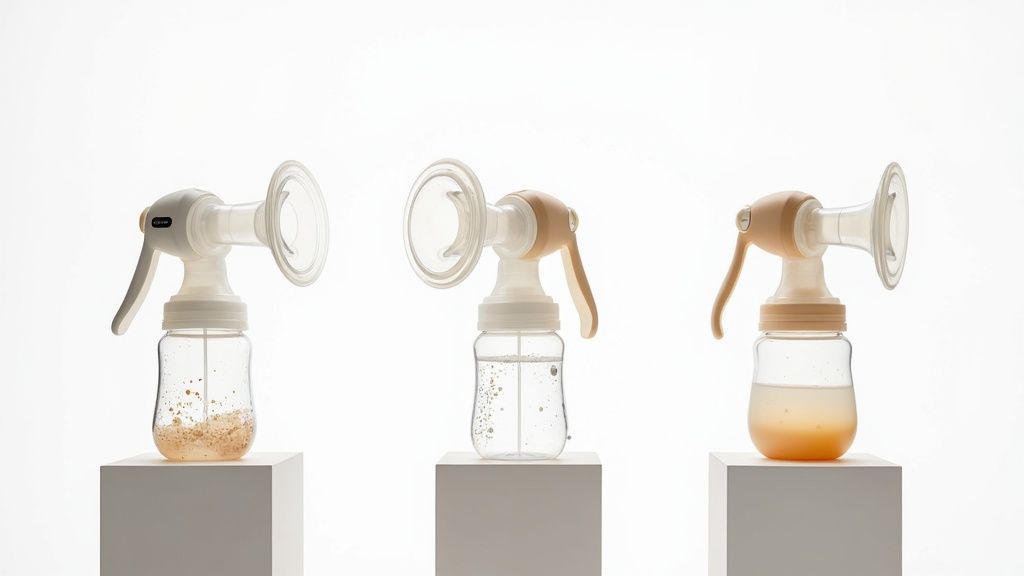
Exploring Your Pump Options
Once you start browsing your supplier's website, you’ll see a bunch of different models. Some will be completely free (fully covered by your plan), while others might require an "upgrade fee." It helps to know what you're looking at.
Here’s a quick rundown of the main types you'll encounter:
- Double Electric Pumps: These are the gold standard and usually what insurance covers at no cost. They’re super efficient because they pump both breasts at the same time, which is a lifesaver if you're building a supply or pumping regularly.
- Manual Pumps: Simple, lightweight, and perfect for travel or just having in your bag for emergencies. They don't need electricity, but they do require you to do all the work.
- Wearable Pumps: These are the game-changers you’ve probably heard about. They fit right inside your bra for hands-free, discreet pumping. They offer incredible flexibility but almost always come with an out-of-pocket upgrade cost.
Matching a Pump to Your Needs
Honestly, there’s no single "best" pump—it's all about what works for your life. Before you choose, really think about your day-to-day reality.
A mom heading back to the office might find that a lightweight, portable double electric pump with a good battery is non-negotiable. Meanwhile, a stay-at-home parent might prefer a powerful plug-in model that lives on their nightstand.
Ask yourself a few key questions:
- Portability: Will you be pumping at work, on the go, or mostly in one spot at home?
- Discretion: Is being quiet and subtle a top priority? (Hello, wearable pumps!)
- Efficiency: Are you planning to pump several times a day and need to get the job done fast?
Taking a few minutes to think this through now can save you a ton of frustration later. For a more detailed comparison, our practical guide to choosing the best breast pump for new moms breaks it all down.
What If My Insurance Won't Cover My Dream Pump?
It happens all the time—you fall in love with a top-of-the-line model, only to find it isn't 100% covered. Don't stress! That’s exactly what the "upgrade" option is for.
Basically, your insurance pays for the value of a standard, covered pump, and you just pay the difference. It’s a great way to make those premium models much more affordable.
Once you’ve made your decision, just add it to your cart. The supplier will take care of all the insurance billing on their end. You’re almost there
Supporting Your Journey Beyond the Pump
Getting that free breast pump through your insurance is a huge win, but let's be real—it's just the first step. The real adventure kicks off when you're home with your new baby, and having the right gear is only part of the equation. What really matters is having the right support for the inevitable bumps in the road.
One of the most common—and discouraging—hurdles is nipple soreness. It’s a painful reality that can make you want to throw in the towel before you've even hit your stride.
Sarah's Story: A Turning Point
We heard from a mom named Sarah who was on the verge of giving up during that first tough week. Latching was agonizing, and she felt completely defeated. Her brand-new, insurance-covered pump just sat there, a reminder of the pain she dreaded with every feeding.
On a recommendation from her lactation consultant, she decided to try Moogco Silver Nursing Cups. She was skeptical, but also desperate for any kind of relief.
Sarah told us the cups provided immediate, soothing comfort. They protected her sensitive skin and gave her nipples a chance to heal naturally between feedings. That one simple change completely turned her experience around.
"The silverettes were a total game-changer," Sarah said. "They made it possible for me to heal and continue my journey comfortably. I was finally able to use my pump without wincing."
Her story is a perfect example of how investing in the right supportive tools can make all the difference. High-quality silver nursing cups, like our Moogco cups and others, are designed to work alongside your new pump to make your experience so much more positive and sustainable.
Don't Forget to Nurture Yourself
Your well-being is the engine that keeps everything running. Taking care of yourself isn’t a luxury; it’s a necessity if you want to be able to care for your baby. Keeping your energy up during the postpartum period is so important, especially with those middle-of-the-night pumping sessions.
Good nutrition is key, but who has the energy to cook with a newborn? Looking into options like healthy meal prep delivery services can be a lifesaver, giving you nutritious meals without the stress and freeing up precious time to rest.
And speaking of care, don't forget your equipment! To make sure every drop of that liquid gold is safe for your little one, check out our guide on how to clean your breast pump the right way. These small acts of self-care and equipment care really do build the foundation for a successful feeding journey.
More Related Picks
A few more favorites from the same collection.
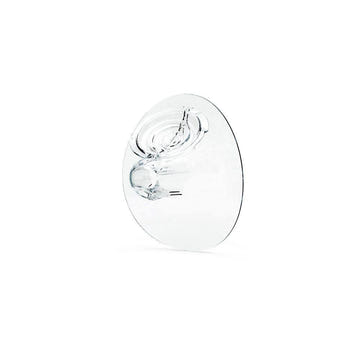
Healthy Horizons Elvie Pump Breast Shields 2 Pack 21...
$29.99
Bae & Bee Boutique Duckbill Valve Pink Replacement F...
$14.00
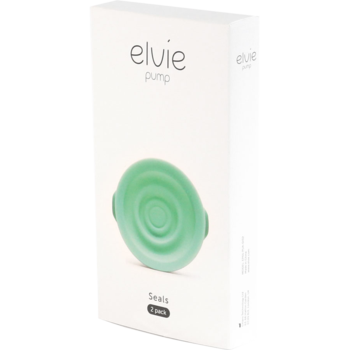
Healthy Horizons Elvie Pump Seals 2 Pack Spare Diaph...
$16.99
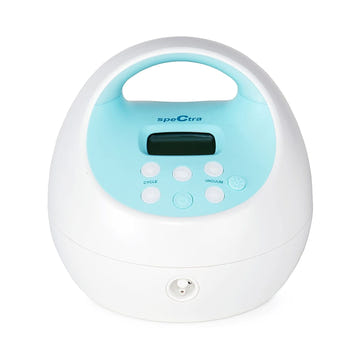
LL Medico Spectra S1 Plus Rechargeable Double Electr...
$216.00
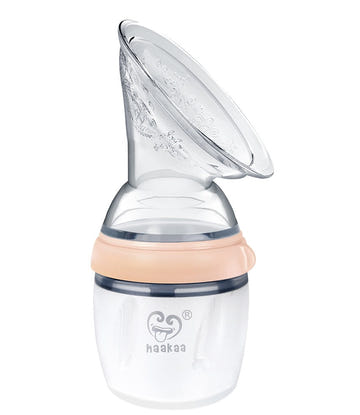
Haakaa Silicone Breast Pump Generation 3 160ml 250ml
$28.99
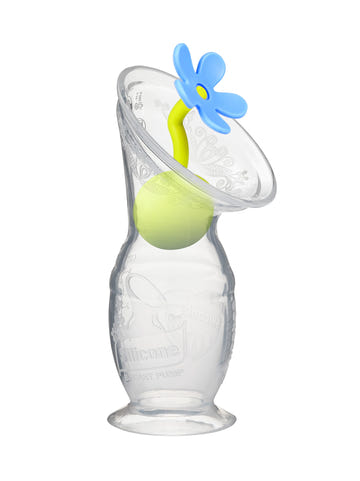
Haakaa Gen 2 Silicone Breast Pump 4 oz with Suction ...
$26.99
What to Do When Things Don't Go to Plan
https://www.youtube.com/embed/mF00t2IpW6g
Even with the best prep work, getting your breast pump through insurance can sometimes hit a snag. It happens! The good news is that most of these issues are totally fixable with a little bit of know-how and persistence. Let's cover some of the most common curveballs you might face.
Claim Denials and Appeals
Seeing that "denied" status can be disheartening, but don't panic. The first thing you should do is pick up the phone and call your insurance company to find out exactly why. More often than not, it’s a simple paperwork issue—maybe a missing diagnosis code from your doctor or a typo in your member ID. These are usually quick fixes that just require a resubmission.
If the reason for the denial is more complicated, you always have the right to appeal. Your insurance provider must give you clear instructions on their appeals process. This typically means writing a formal letter and, in some cases, getting a "letter of medical necessity" from your OB-GYN or midwife to back you up. It can feel like a bit of a battle, but a surprising number of denials get overturned on appeal, so it's worth the effort.
Getting the Timing and Prep Right
So, when should you actually order your pump? This is a question I get all the time. Most plans will let you place your order during your third trimester. A great rule of thumb is to aim for around 30 weeks pregnant. This leaves a comfortable buffer for the supplier to verify your insurance, process everything, and ship the pump to your door with plenty of time to spare before your due date.
Once that box arrives, the real fun begins. Before you stash it in the nursery, take a few minutes to get acquainted with it.
- Read the manual: Seriously! Get familiar with how to put it together, use the settings, and—crucially—how to clean it properly.
- Activate the warranty: Find the registration card or website and get your pump registered. You'll be glad you did if a part ever decides to stop working.
- Build your support team: Don't wait until you're struggling to find help. Look up local lactation consultants now; many are covered by insurance and can be a lifesaver.
One Mom’s Story of Pushing Through the Pain
Sometimes the biggest roadblock isn’t getting the gear, but dealing with the physical side of breastfeeding. Pain from soreness, cracked nipples, or even mastitis can make the idea of pumping feel completely overwhelming. We heard from a new mom, Emily, who was on the verge of giving up because of the constant discomfort.
"My lactation consultant recommended Silverette nursing cups, and they were a revelation," Emily shared. "They soothed the soreness instantly and helped me heal between feedings, which I believe helped me avoid more serious issues."
This is where simple, effective tools come in. Products like Moogco Silver Nursing Cups and other silverettes offer a natural, antimicrobial way to protect sensitive tissue and create a healing environment. It’s a perfect example of how combining the right pump with the right support tools can help you breastfeed comfortably and confidently. If this is something you're worried about, our guide on mastitis prevention and management has a lot more information.
A Few More Questions We Hear All the Time
We’ve walked through the A-to-Z of getting your pump, but I know there are probably still a few specific questions bouncing around in your head. Let's tackle some of the most common ones that come up.
Is It Too Late to Get a Pump After My Baby Arrives?
Not at all! It's a common misconception that you have to order your pump before you give birth. While getting it sorted out during your third trimester is great for peace of mind, you can absolutely get one after your baby is here.
Most insurance plans, including Medicaid, give you a window of up to one year postpartum to claim your benefit. A quick call to your insurance provider will confirm your specific deadline, so don't stress if you haven't gotten to it yet.
What About Replacement Parts? Does Insurance Cover Those?
This is a fantastic question, and the answer is... it depends on your plan. Many policies are starting to recognize that for a pump to work well, you need fresh parts. It's common for them to cover new supplies like flanges, tubing, and valves every 30 to 90 days.
However, they usually draw the line at accessories. Things like stylish pump bags, coolers, or extra bottles are almost always an out-of-pocket expense. Your best bet is to check your plan’s specific policy on replacement supplies.
I Really Want a Specific "Upgrade" Pump. Is That Possible?
Yes, and this is something tons of parents do! Let's say you've been eyeing a high-end wearable pump that isn't on your insurance's "fully covered" list. You can still get it.
Here’s how it works: your insurance provider will pay the amount they would have for a standard, covered pump. You just cover the difference. It's a great way to make that dream pump much more affordable.
Will My Insurance Cover a Hospital-Grade Pump?
Sometimes, but only when it’s considered a medical necessity. These powerful, multi-user pumps are typically reserved for special situations.
For example, a hospital-grade rental might be covered if:
- Your baby is premature and in the NICU.
- You've had multiples and need to establish a robust supply.
- You're facing a significant medical issue that's impacting lactation.
You'll need a very specific prescription from your doctor that clearly explains why a standard pump won't cut it.
"I thought my breastfeeding journey was over before it began due to extreme pain. My lactation consultant suggested Silverette nursing cups. The immediate relief from my Moogco Silver Nursing Cups allowed me to heal and continue, which was the best gift I could have asked for." - A Moogco Mom
This mom's experience is a powerful reminder that sometimes the right tools can completely change your path. Your insurance-covered pump is a fantastic start, and pairing it with healing support like silverettes can set you up for a much smoother experience.
At Moogco Baby, our goal is to support you with practical, thoughtfully designed essentials that truly help. From healing aids to feeding tools, we've curated products that make a real difference during these precious, challenging months. Discover how our Silver Nursing Cups and other essentials can support your journey.
Bring this guide home with 20% off.
Use code BABY20 for 20% off →
Frequently Asked Questions
Do I Need to Return My Pump If I Stop Breastfeeding Early?
No, you don't have to return your pump if you stop breastfeeding earlier than planned. Once your insurance covers and you receive the breast pump, it's yours to keep. There's no penalty or return requirement, even if your feeding journey takes a different path than you originally expected.
Can I Get a Pump Through Insurance If I'm Adopting?
Yes, adoptive parents can absolutely qualify for a breast pump through insurance if they plan to breastfeed or induce lactation. You'll want to call your insurance company to confirm your specific benefits and discuss the process with your healthcare provider. They can provide the necessary prescription and support documentation for your unique situation.
What Happens If My Insurance Denies My Breast Pump Request?
If your request gets denied, don't panic. Start by calling your insurance to understand exactly why it was denied, whether it's a missing form, timing issue, or something else. You have the right to appeal the decision, and your doctor's office can often help provide additional documentation. Many denials are simply administrative hiccups that can be resolved with a follow-up call or corrected paperwork.
Can I Get More Than One Pump Through Insurance?
Most insurance plans cover one breast pump per pregnancy or per benefit period, which is typically every two to three years. If you're having twins or multiples, some plans may cover an upgraded pump or additional supplies, but you'll need to ask specifically about multiples coverage. For subsequent pregnancies, you can usually request another pump once your benefit period resets.
Will My Partner's Insurance Cover My Breast Pump?
Yes, if you're covered as a dependent on your partner's or spouse's health insurance plan, that plan should cover your breast pump just like it would if the policy were in your own name. When you call to check benefits, just make sure you have the policy holder's information handy along with your own details. The coverage works the same way regardless of whose name is on the primary policy.
Do I Need to Use a Specific Supplier or Can I Order From Anywhere?
You'll almost always need to order from an in-network durable medical equipment supplier that your insurance works with. Going out of network could mean you'll pay out of pocket or get stuck with unexpected bills. Your insurance company will give you a list of approved suppliers, and many of them have easy online ordering portals that make the whole process quick and painless.
Can I Get a Breast Pump If I Had a C-Section or Complications?
Absolutely, and in fact, having a C-section or experiencing birth complications can make a breast pump even more essential for establishing your milk supply. Your coverage doesn't change based on your delivery method. Just follow the same steps: get your prescription from your doctor and order through your insurance's approved supplier.
What If I'm Self-Employed or Have a Marketplace Plan?
If you purchased your insurance through the Health Insurance Marketplace or you're self-employed with an ACA-compliant plan, you should still have full coverage for a breast pump. The ACA requirement applies to most individual and small group plans sold after 2010. Call your plan's member services number to confirm your specific benefits and get your list of approved suppliers.
From Moogco Studio
Printable and personalized nursery essentials. Designed by moms for moms.


About the Editor
Eda Ulger is the editor at Moogco Baby and a mom of two. She curates and edits our guides so every piece is honest, practical, and genuinely helpful for the early days of motherhood.
Shop This Story
Picks related to this guide, ready to ship from Moogco.
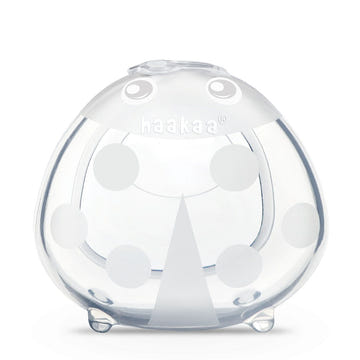
Haakaa Ladybug Silicone Milk Collector 2.5 oz 75 ml
$17.99
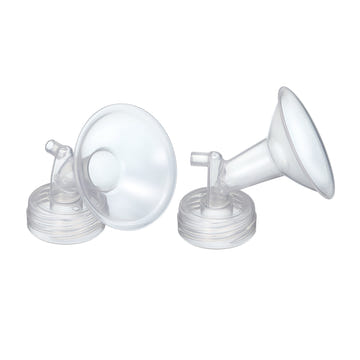
Cimilre Breast Shields set of two 21mm 24mm 28mm 32mm
$19.99
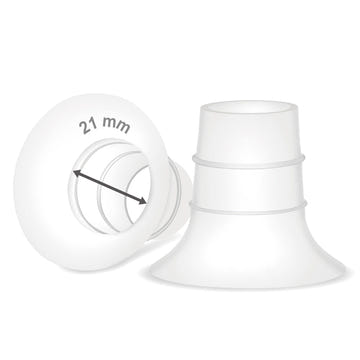
Bae & Bee Boutique Maymom Elvie Flange Inserts Semi-...
$6.00
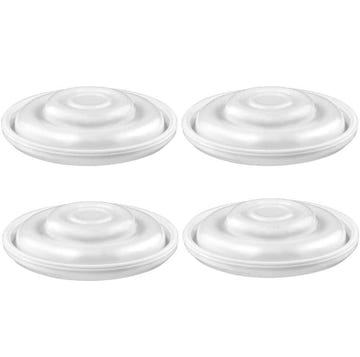
Bae & Bee Boutique 4pc Maymom Silicone Membrane for ...
$10.00
Healthy Horizons Breastfeeding Centers Elvie Pump Sp...
$16.99
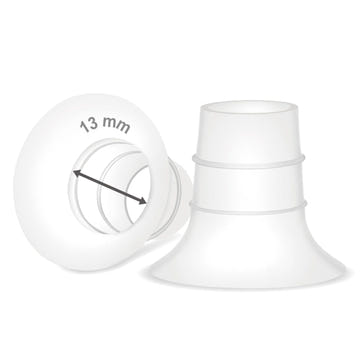
Healthy Horizons Maymom Flange Short Inserts 2 Pack ...
$14.99
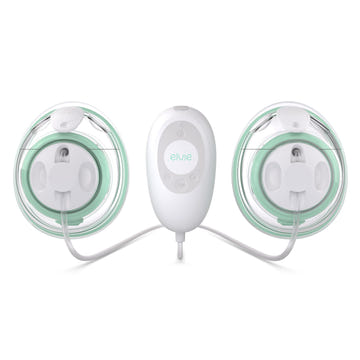
Healthy Horizons Elvie Stride wearable hands-free br...
$189.99
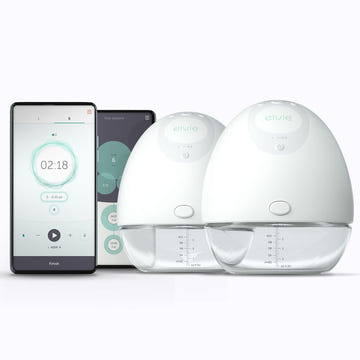
Healthy Horizons Elvie Double Electric Wearable Brea...
$549.99
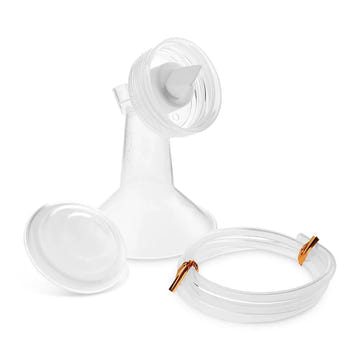
Spectra Wide Neck Breast Flange Kit
$15.99
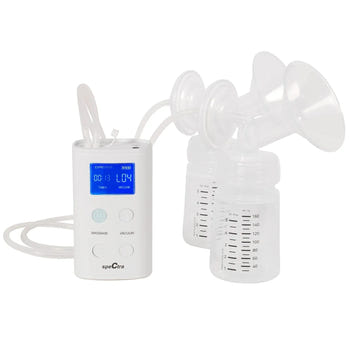
LL Medico Spectra 9 Plus Premier Portable Rechargeab...
$194.00