


You're standing in the baby section holding two "3-month" onesies that look like they're meant for different species. One brand's sizing runs huge, the other already looks too small, and you're not even sure your baby will fit newborn sizes when they arrive. Been there.
Choosing baby clothes isn't just about what looks cute on the hanger. It's about fabric that won't irritate paper-thin newborn skin, sizing that actually makes sense, and safety features that keep your baby comfortable and protected.
Quick Answer
Choose baby clothes based on three factors: size up by 1-2 months because babies grow fast, prioritize soft breathable fabrics like organic cotton or bamboo that won't irritate sensitive skin, and check for safety features including tagless seams, snap closures instead of drawstrings, and flame-retardant-free materials.
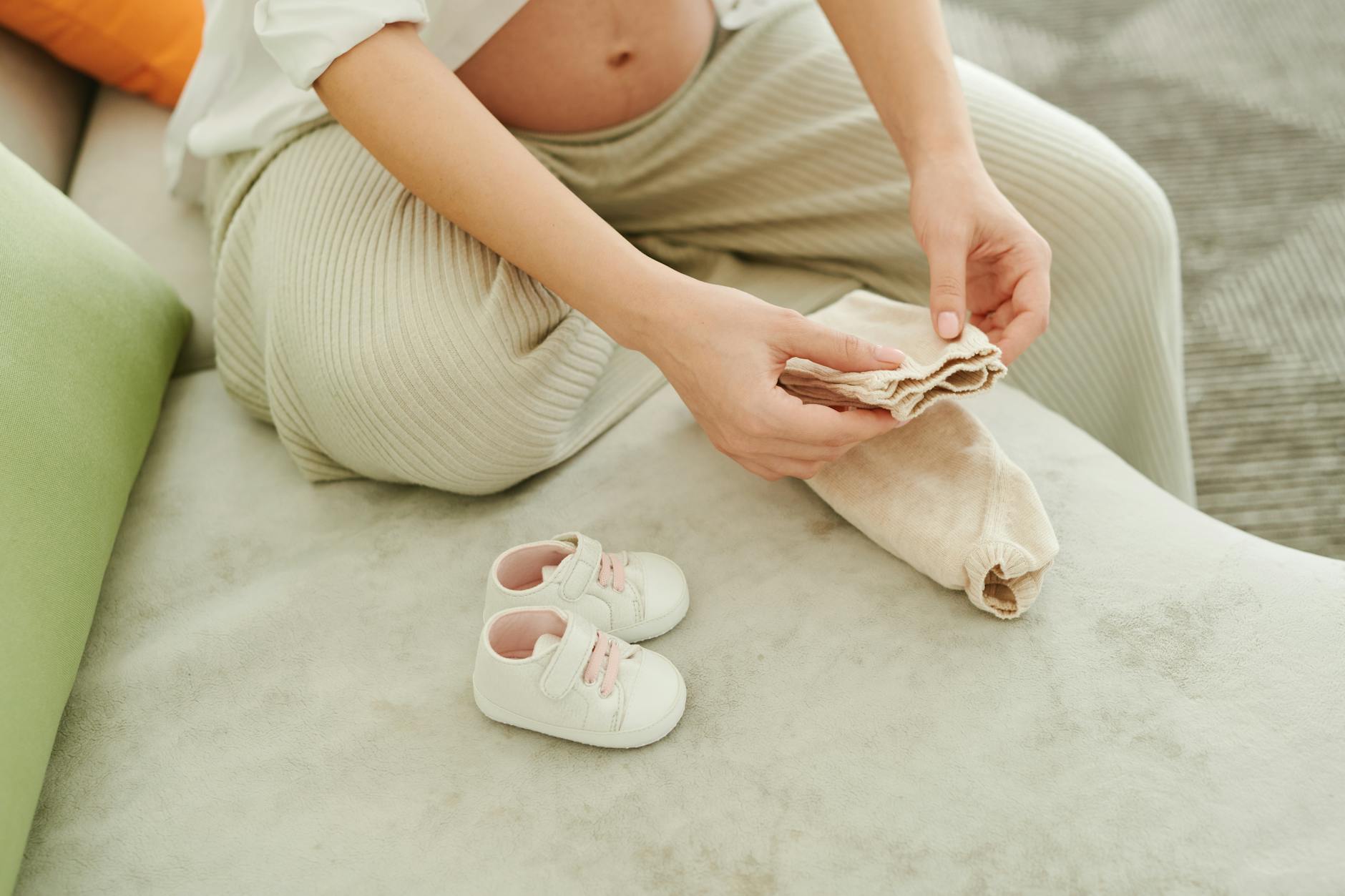
Why Baby Clothing Choices Matter More Than You Think
Baby skin is 30% thinner than adult skin. That means every seam, every fabric blend, every chemical residue matters more than you'd think.
incorrect sizing was the #1 reason for unused baby clothing. 67% of first-time parents bought at least 3 items their baby never wore. That's not just wasted money, it's drawer space filled with tags-on onesies while you're rewashing the same five outfits.
Safety recalls for baby clothing increased 18% from 2023-2025. Drawstrings that seemed harmless, buttons that popped off too easily, flame-retardant chemicals we're still learning about.
The good news? Once you know what to look for, choosing baby clothes gets a lot simpler.
How to Choose the Right Baby Clothing Size (And Why You Should Size Up)
Let's get real about baby clothing sizes: they're chaos. Carter's 3M fits differently than H&M's 3M, which fits differently than Target's 3M. Age ranges on tags are suggestions at best.
Compare by weight and length, not age. Check the tag for actual measurements (usually in pounds and inches). A "3-month" size might say "9-12.5 lbs" on one brand and "12-16 lbs" on another. That's your real sizing guide.
Always buy 1-2 months bigger than your baby's current age. Yes, even if it looks huge. Babies grow fastest in their first year, and you'd rather roll up sleeves for a week than have an outfit that doesn't fit before you've used it twice.
Should you buy newborn size? Only if your baby is expected to be under 7 lbs. Most babies outgrow newborn in 2-4 weeks. Start with 0-3M unless you know you're having a smaller baby, you'll get more use out of every piece.
Babies hit growth spurts hardest in months 0-3 and again at 6-9. During these windows, they can jump a full size in what feels like a weekend. Stock fewer pieces in these sizes and more in the 3-6M and 9-12M range.
Seasonal sizing strategy: Buying a winter coat in summer for next year? Go up 2 sizes. Buying summer clothes in spring? Go up 1 size. Babies don't wait for weather to grow.
What Fabrics Are Safest and Most Comfortable for Baby Skin
Fabric matters more than brand names. You're dressing the thinnest, most sensitive skin your baby will ever have, what touches it directly affects comfort, temperature regulation, and rashes.

Best fabrics for baby clothes:
- Organic cotton: Soft, breathable, no pesticide residue. It's the gold standard for a reason.
- Bamboo blends: Naturally antimicrobial, temperature-regulating, softer than regular cotton.
- Merino wool: Sounds scratchy, but baby-grade merino is incredibly soft and regulates temperature in both warm and cold weather.
Fabrics to avoid or limit:
- Polyester blends over 40%: They don't breathe well and can trap heat and moisture against baby's skin.
- Synthetic fleece directly on skin: Save it for outer layers. Against skin, it can cause irritation and overheating.
- Anything stiff or scratchy: If it doesn't feel soft to you, it'll feel worse to your baby.
What's the difference between organic cotton and regular? GOTS-certified organic cotton is grown without synthetic pesticides and processed without harsh chemicals. Regular cotton can have pesticide residue and is often treated with formaldehyde during manufacturing to prevent wrinkling. For everyday wear against newborn skin, organic makes a real difference.
A note on flame retardants in 2026: Current regulations require children's sleepwear to be either flame-resistant or tight-fitting. Choose tight-fitting sleepwear or look for Oeko-Tex Standard 100 certification,these meet safety standards without added chemical treatments.
Wash all new clothes before first wear. Even organic fabrics pick up formaldehyde, excess dye, and warehouse dust during manufacturing and shipping. One wash removes most of it.
Need baby-safe blankets and swaddles? Shop our parent-tested collection here.
Picks From This Story
Picks related to this guide, ready to ship from Moogco.
Seven Lantern Lane First Birthday Golf Bubble Pink G...
$54.99
Seven Lantern Lane Hole-In-One Reversible Golf Bubbl...
$52.99
Seven Lantern Lane Hole-In-One First Birthday Golf J...
$52.99
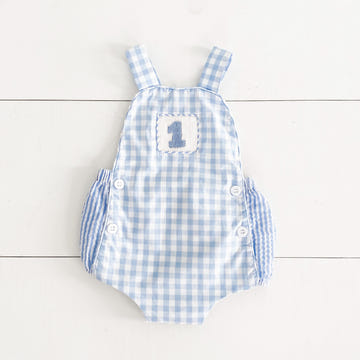
Seven Lantern Lane Smocked Blue Birthday Bubble Baby...
$49.99
Moogco Baby Gift Card
$10.00
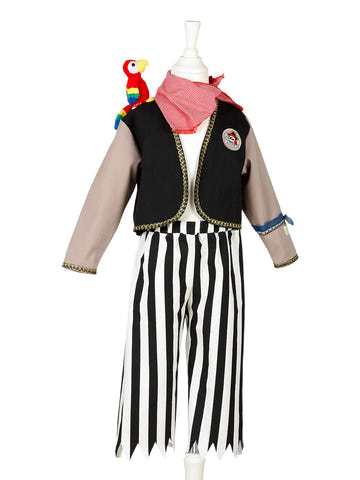
Speedy Monkey Duncan Pirate Costume Set Multicolor 3...
$49.99
Baby Clothing Safety Checklist: What to Look for in 2026
Safety recalls happen, but most are preventable if you know what to look for before you buy. Here's what to check every time you're choosing baby clothes:

No drawstrings in infant or toddler clothing. This isn't just a suggestion, it's banned by the CPSC because of strangulation hazards. Drawstrings in hoods, waists, or hems are a hard no. Elastic waistbands only.
Snap vs. zipper safety: Both work, but if you're choosing zippers, look for zipper guards near the chin and neck. You don't want metal pinching delicate skin during a 3 a.m. pajama change. Two-way zippers are game-changers for diaper access without fully undressing your baby.
Button test: If a button fits through a toilet paper tube, it's a choking hazard. Check snap security too, if you can pop them off easily, so can your baby (eventually). Snaps should require real pressure.
Footie pajamas and hip dysplasia: This one surprises parents. Non-stretchy footie seams can restrict natural leg positioning and contribute to hip issues. Look for stretchy foot seams or consider footless styles for overnight wear.
Tagless or soft-tag requirement: Scratchy tags on the back of the neck cause irritation, scratching, and fussiness. Choose tagless designs or soft printed labels. If a tag is sewn in, cut it out carefully before first wear.
Tight-fitting sleepwear vs. flame-resistant: The 2026 update clarifies that snug-fitting cotton sleepwear (think fitted pajamas, not loose gowns) meets safety standards without chemical flame retardants. Look for labels that specify "tight-fitting" and check the fabric content.
When to Choose Function Over Fashion (Real Talk for New Parents)
You're going to get a lot of "cute" baby clothes as gifts. Tiny jeans with buttons. Dresses with 47 snaps. Overalls that require an engineering degree. Here's the truth: you'll reach for the same simple pieces over and over.
Snap-bottom onesies are your best friend. Pullovers mean wrestling a newborn's floppy head through a neck hole while they're screaming. Snaps mean you unsnap, change the diaper, re-snap, done. At 2 a.m., this matters.
Two-way zippers are legitimately game-changers. Unzip from the bottom, change the diaper, zip back up. Baby stays warm, you stay sane. Once you use one, you'll wonder why every sleeper doesn't have them.
Avoid outfits with more than 3 pieces in the first 3 months. You're tired. Been there. A onesie, pants, and maybe a cardigan is the max complexity you want to deal with. Save the layered looks with matching hats and socks for photo shoots.
That said, fancy outfits have their place. Family photos, holidays, special events, go ahead and dress them up. Just don't make it the everyday uniform. You'll spend more time doing laundry than enjoying your baby.
Dad-friendly tip: The simpler the outfit, the more confident all caregivers feel. Snaps in a straight line, clear front-vs-back indicators, and minimal pieces mean everyone can get baby dressed without a tutorial.
For more real-talk parenting advice, check out our blog.
How Many Baby Clothes Do You Actually Need? (By Size and Type)
This is the question that stresses out every first-time parent building a registry. The answer depends on how often you're doing laundry, but here's a realistic starting point:
Newborn (0-3M) essentials:
- 6-8 short-sleeve onesies (your daily uniform)
- 4-5 sleepers or footie pajamas (for nights and lazy days)
- 2-3 pairs of pants (if you're going out; otherwise, onesies work)
- 3-4 swaddle blankets (for sleep, tummy time, and emergencies)
- 2-3 long-sleeve onesies (for cooler weather or air conditioning)
- 1-2 warmer layers (cardigan or jacket depending on season)
Laundry math: If you're washing baby clothes every 2-3 days, you need fewer pieces. If you're stretching it to once a week (no judgment), add 2-3 more of each item. Blowouts happen.
The blowout principle: Always keep 2 backup outfits in the diaper bag. Not one. Two. Because the first backup will also get hit, and you'll be grateful you planned ahead.
Seasonal needs: Winter babies need more layers, onesies under sleepers, hats, mittens that don't fall off. Summer babies need sun hats, lightweight onesies, and maybe a light layer for aggressive air conditioning. Adjust quantities based on your climate.
Hand-me-downs and sizing unpredictability: Accept cute extras from friends, but buy your staple pieces new so you know they meet current safety standards and fit reliably. Used clothes are great for the outfit-with-12-pieces you'll use twice.
Looking for soft, safe swaddles? Shop our parent-tested collection.
What to Look for When Shopping Baby Clothes Online
Shopping online means you can't feel the fabric or check the sizing in person. Here's how to make smarter choices from your couch:
Read reviews from real parents. Skip the 5-star "so cute!" reviews and look for details: Does it shrink? Does the sizing run small? Did it hold up after 20 washes? Does the fabric pill? These reviews tell you what you actually need to know.
Check return policies before you buy. Babies grow fast and unpredictably. You need a return policy that's flexible, at least 30 days, free returns preferred. If a store makes returns difficult, that's a red flag.
Brand reputation matters. Tested brands mean fewer safety recalls, better quality control, and fabrics that are actually what the label says. As a parent-owned baby marketplace since 2020, Moogco Baby has been backed by 200,000+ cups sold since 2020 to vet every brand we carry for safety, real parent reviews, and return rates. Our 4.8-star rating comes from parents who trust us to do that homework.
Filter by fabric type and certifications. Look for GOTS certification (organic cotton), Oeko-Tex Standard 100 (tested for harmful substances), or clear fabric breakdowns. If a listing just says "soft fabric" without specifics, keep scrolling.
Compare prices, but don't sacrifice safety for savings. A $4 onesie might seem like a win until it falls apart in the wash or irritates your baby's skin. Spend a little more on staple pieces that'll actually last through multiple washes and wears.
More Related Picks
A few more favorites from the same collection.
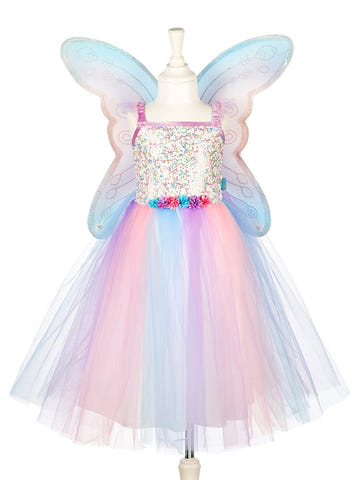
Speedy Monkey Felicity Fairy Costume Dress and Wings...
$49.99
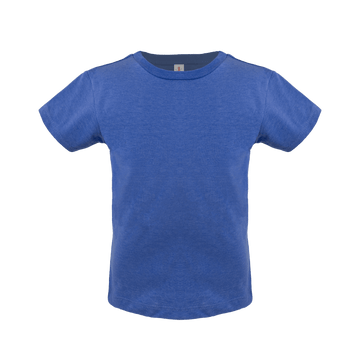
Bonita Cotton Cottonfelt Unisex Toddler Short Sleeve...
$3.00
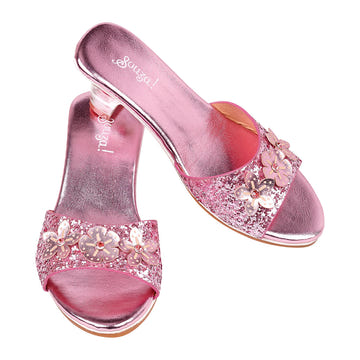
Speedy Monkey Slipper High-heel Mariona pink 3 sizes
$29.99
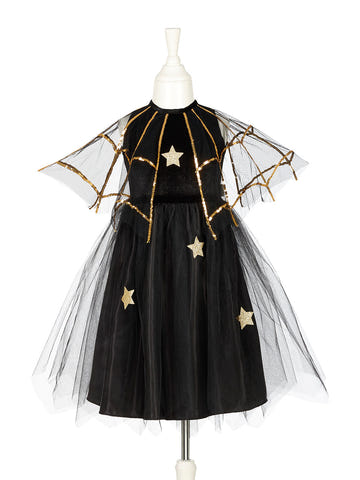
Speedy Monkey Evilian Halloween Costume Dress Black ...
$39.99
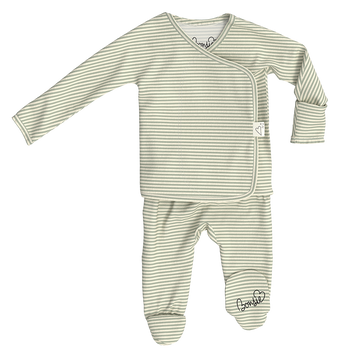
Bonsie Skin to Skin Babywear Footie Mint Twist wrap-...
$37.99
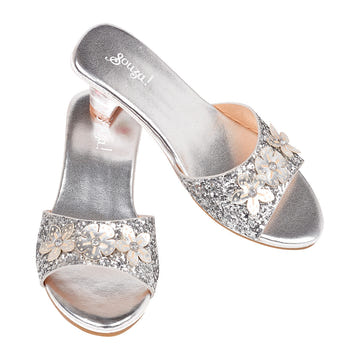
Speedy Monkey Slipper High-heel Mariona silver kids ...
$29.99
Top 5 Baby Clothing Mistakes First-Time Parents Make (And How to Avoid Them)
You're going to make mistakes. We all do. But here are the five biggest ones you can skip right over:
Mistake #1: Buying too many newborn sizes. Most babies outgrow newborn in 2-4 weeks. Unless your baby is expected to be under 7 lbs, start with 0-3M and save yourself the drawer full of unworn clothes.
Mistake #2: Choosing outfits over onesies. That three-piece outfit with the tiny bow tie is adorable. You'll use it once. You'll live in onesies for months. Stock up on the boring basics and accept cute outfits as gifts.
Mistake #3: Ignoring fabric content labels. That "soft" fleece might be 100% polyester that doesn't breathe and causes a heat rash. Check the tag. If it's not at least 60% natural fiber (cotton, bamboo, wool), think twice before putting it against newborn skin.
Mistake #4: Forgetting weather timing. Buying a summer wardrobe in April for a May baby sounds logical, until your May baby is still wearing those clothes in August and suddenly needs fall layers. Think 2-3 months ahead, not just birth month.
Mistake #5: Not checking for easy diaper access. If an outfit requires fully undressing your baby to change a diaper, you'll hate it by day three. Snaps, zippers, elastic waists, make diaper changes easy on yourself. You've got this, but don't make it harder than it needs to be.
Baby Clothing Fabric Comparison: Safety, Comfort & Care
| Fabric Type | Best For | Pros | Cons | Care Tips |
|---|---|---|---|---|
| Organic Cotton | Everyday wear, sensitive skin | Soft, breathable, no pesticide residue, durable | Can shrink slightly, more expensive than standard cotton | Wash in cold water, tumble dry low to prevent shrinkage |
| Bamboo | Hot weather, babies prone to rashes | Incredibly soft, naturally antimicrobial, temperature-regulating, stretchy | Can pill with rough washing, requires gentle care | Wash on gentle cycle, hang dry or low heat to maintain softness |
| Cotton-Poly Blend | Outer layers, playwear | Wrinkle-resistant, durable, less shrinkage, affordable | Less breathable, can trap heat, may irritate sensitive skin | Machine wash warm, can handle regular dryer heat |
| Merino Wool | Cold weather, temperature regulation | Naturally temperature-regulating, soft (baby-grade), moisture-wicking | Expensive, requires special care, can felt if washed wrong | Hand wash or wool cycle in cold water, lay flat to dry |
| Fleece | Outer layers, jackets | Warm, lightweight, dries quickly, affordable | Not breathable, can cause overheating if worn directly on skin, pills easily | Wash inside-out on gentle, low heat dry to reduce pilling |
| Standard Cotton | General everyday wear | Soft, breathable, affordable, widely available | May contain pesticide residue, can shrink, wrinkles easily | Wash in warm water, medium heat dry, expect some shrinkage |
Frequently Asked Questions
Should I buy newborn size or start with 0-3 months?
Buy 0-3M unless your baby is expected to be under 7 lbs. Most babies outgrow newborn size in 2-4 weeks, so you'll get much more use out of 0-3M clothing. If you do buy newborn, keep it to 2-3 pieces and keep the tags on until you know you need them.
What's the safest fabric for baby clothes in 2026?
Organic cotton and bamboo blends are the safest choices. They're soft, breathable, and free from harsh pesticides and chemicals. Look for GOTS-certified organic cotton or Oeko-Tex Standard 100 certification, which means the fabric has been tested by parents for harmful substances.
How many onesies does a newborn really need?
6-8 short-sleeve onesies if you're doing laundry every 2-3 days. Add 2-3 long-sleeve onesies if you're in a cooler climate or have strong air conditioning. Onesies will be your most-worn item in the first few months, so don't undersupply, but you also don't need 20.
Are zippers or snaps better for baby pajamas?
Two-way zippers are faster for nighttime diaper changes; snaps are quieter and don't pinch. Both work well, choose based on your preference. If you go with zippers, look for ones with chin guards to prevent pinching. If you choose snaps, look for straight-line snap layouts (not offset) for easier middle-of-the-night changes.
Do I need to wash baby clothes before the first wear?
Yes, always wash new baby clothes before first wear. Washing removes formaldehyde (used to prevent wrinkling during shipping), excess dye, chemical residue from manufacturing, and dust from warehouses. Use a gentle, fragrance-free detergent and skip fabric softener, which can irritate baby's skin.
What clothing features should I avoid for baby safety?
Avoid drawstrings, loose buttons, scratchy tags, and non-stretchy footie pajamas. Drawstrings are banned by the CPSC for strangulation risk. Buttons shouldn't fit through a toilet paper tube (choking hazard). Tags should be soft or tagless to prevent neck irritation. Footie pajamas should have stretchy seams to allow natural hip positioning.
How do I know if baby clothes are flame-retardant free?
Look for "tight-fitting sleepwear" labels or certifications like Oeko-Tex Standard 100. Snug-fitting cotton pajamas meet safety standards without added chemical flame retardants. Avoid loose, flowing sleepwear unless it's specifically labeled as flame-resistant, and if it is, check if it uses chemical treatments or inherently flame-resistant fibers.
Less Worry. More Wonder.
Choosing baby clothes doesn't have to be overwhelming. Focus on three things: sizing up so clothes actually fit for more than a week, choosing soft natural fabrics that protect sensitive skin, and checking for basic safety features that keep your baby comfortable.
At Moogco Baby, we've been parent-owned since 2020, and every product we carry is tested by real parents, not just marketed to them. Our 4.8-star rating from 200,000+ cups sold comes from doing the research so you don't have to.
Ready to find baby clothes that actually work? Shop our vetted collection here, or explore more honest parenting advice on our blog.
You've got this.
For Moogco Mamas
Take 15% off your first order
Use code MAMA15 at checkout. Free US shipping on orders $100+.
Shop Moogco BabyFrom Moogco Studio
Printable and personalized nursery essentials. Designed by moms for moms.


About the Editor
Eda Ulger is a co-founder of Moogco Baby, the editor of the Moogco Baby Journal, and a mom of two. She curates and edits our guides so every piece is honest, practical, and genuinely helpful for the early days of motherhood.
Shop This Story
Picks related to this guide, ready to ship from Moogco.
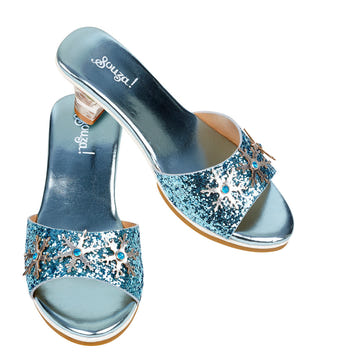
Speedy Monkey Slipper High-heel Ice Queen blue sizes...
$29.99
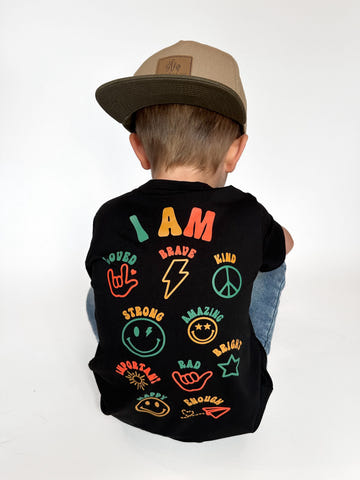
Son and Co Apparel I Am Affirmations T-Shirt Black
$27.00
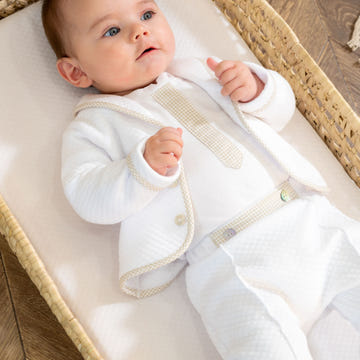
Bebe Sweeny Lucas boys white beige cotton gingham 3-...
$109.00
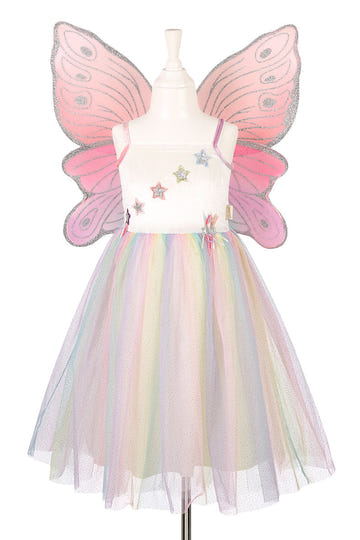
Speedy Monkey Louanne Fairy Costume Dress and Wings ...
$49.99
Cottonfelt Unisex Youth Short Sleeve T-Shirt Blank
$3.00
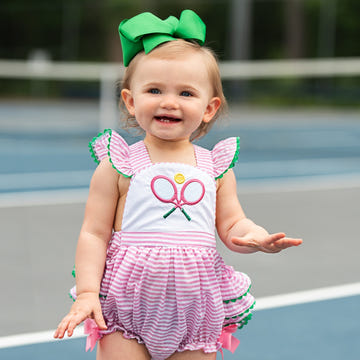
Seven Lantern Lane Tennis Bubble pink seersucker ruf...
$52.99

Seven Lantern Lane Girls Smocked First Birthday Long...
$52.99
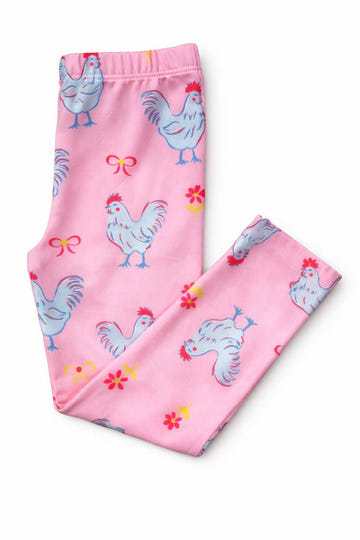
Mila & Rose Little Miss Chickie Leggings high waiste...
$12.00
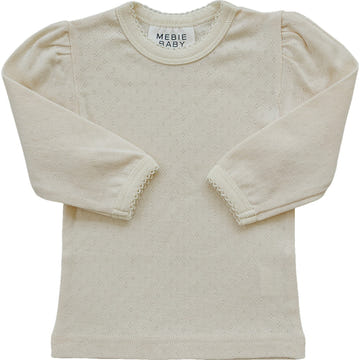
Mebie Baby Cream Pointelle Long Sleeve Tee 100% Cotton
$12.00
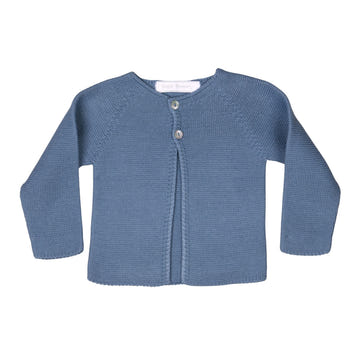
Bebe Sweeny COLETTE Girls Blue Knitted Cotton Cardigan
$68.00