


Moogco makes silver nursing cups in 999 fine and 925 sterling silver. We are moms who wore them too.
Key Takeaway
To clean silver nursing cups, rinse with warm water after each use and pat dry. Use mild, fragrance-free soap if needed. Silver is naturally antimicrobial, so intensive cleaning is not required. Do not use harsh chemicals, bleach, or abrasive materials. If tarnishing occurs, gently polish with a soft cloth. Proper care keeps your cups effective indefinitely.
Medically reviewed for accuracy by a certified lactation consultant (IBCLC). Content based on peer-reviewed research and clinical guidelines from the Academy of Breastfeeding Medicine.
Table of Contents
- Introduction
- Understanding Silver Nursing Cups
- Daily Cleaning Routine for Silver Nursing Cups
- Deep Cleaning Methods
- Tarnish Prevention and Removal
- Proper Storage Techniques
- Do's and Don'ts of Silver Cup Care
- Cleaning Methods Comparison
- Troubleshooting Common Issues
- Frequently Asked Questions
- Conclusion
Introduction
If you're wondering how to clean silver nursing cups properly, you're taking an important step in maintaining both your health and the longevity of your investment. Silver nursing cups, also known as silverettes, have become increasingly popular among breastfeeding mothers in 2026, with good reason. These precious metal cups offer natural antimicrobial properties and gentle healing benefits for sore, cracked nipples.

However, to maximize their effectiveness and ensure your safety, proper cleaning and maintenance are essential. In this comprehensive guide, we'll walk you through everything you need to know about caring for your silver nursing cups, from daily cleaning routines to deep maintenance and storage tips.
Backed by 200,000+ cups sold since 2020
Heal faster with silver nursing cups
Take 20% off at checkout, applied automatically when you shop through this link.
Shop with MOM20 →Free US shipping over $100. Code applies automatically at checkout.
Whether you're using Moogco Silver Nursing Cups or another brand, the principles we'll cover will help you maintain pristine, safe cups that continue to provide the healing benefits you need throughout your breastfeeding journey.
Try Moogco Silver Nursing Cups - Trusted by 200,000+ cups sold
Shop Silver Nursing CupsUnderstanding Your Silver Nursing Cups
What Makes Silver Special
Silver has been used for its antimicrobial properties for centuries. Modern research confirms that silver ions can effectively inhibit bacterial growth, making silver nursing cups naturally self-sanitizing to some degree. However, this doesn't mean they're maintenance-free.
Most high-quality silver nursing cups, including Moogco Silver Nursing Cups, are made from 925 sterling silver or higher purity silver. This composition provides the perfect balance of durability and therapeutic benefits while remaining gentle on sensitive skin.
Why Proper Cleaning Matters
While silver's antimicrobial properties provide some protection, proper cleaning is crucial for several reasons:
- Removes milk residue and bacteria that can accumulate over time
- Prevents tarnishing that can reduce effectiveness
- Maintains the smooth surface necessary for comfort
- Ensures optimal hygiene during the vulnerable postpartum period
- Extends the lifespan of your investment
Daily Cleaning Routine for Silver Nursing Cups
Learning how to clean silver nursing cups starts with establishing a consistent daily routine. Here's a step-by-step process that takes less than five minutes but makes all the difference in maintaining your cups:
Step-by-Step Daily Cleaning Process
- Rinse Immediately After Use - As soon as you remove your silver nursing cups, rinse them under lukewarm running water. This prevents milk from drying and creating stubborn residue.
- Use Gentle Soap Sparingly - Apply a small drop of mild, fragrance-free soap. Baby soap or gentle dish soap works well. Avoid antibacterial soaps, as they can interfere with silver's natural antimicrobial properties.
- Clean with Soft Movements - Using your clean fingers or a soft cloth, gently massage the soap around the entire surface of each cup. Pay special attention to the rim and any textured areas.
- Rinse Thoroughly - Remove all soap residue with lukewarm water. Any remaining soap can cause irritation to your sensitive nipples.
- Dry Completely - Pat dry with a clean, lint-free cloth or paper towel. Ensure both cups are completely dry before storing to prevent water spots and potential bacterial growth.
- Air Dry if Needed - If you're not confident they're completely dry, allow them to air dry for a few minutes in a clean area.
Quick Daily Cleaning Tips
- Clean your cups at the same time each day to build a habit
- Keep a designated soft cloth just for your silver cups
- If you're exclusively using the cups, clean them each time you remove them
- Never leave milk residue to dry on the surface
Picks From This Story
Picks related to this guide, ready to ship from Moogco.

momjug breastfeeding water bottle 50oz double-wall s...
$49.99
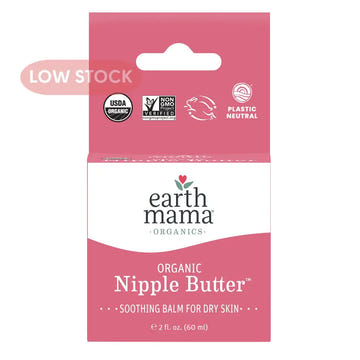
Organic Nipple Butter™ - Double-Sided for Kids
$14.99
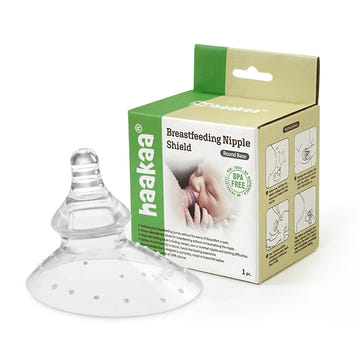
Haakaa Silicone Breastfeeding Nipple Shield Round Sh...
$19.05
Bae & Bee Boutique LactTube 5FR Pediatric Feeding Tu...
$3.00
Bae & Bee Boutique Cherry Shaped Nipple Shield 21mm ...
$14.00
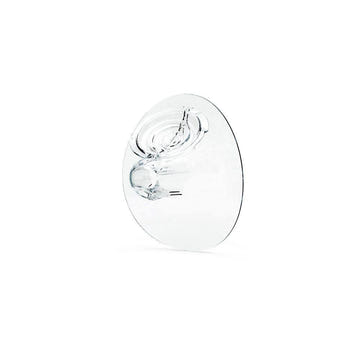
Healthy Horizons Elvie Pump Breast Shields 2 Pack 21...
$29.99
Deep Cleaning Methods
While daily cleaning maintains basic hygiene, deep cleaning your silver nursing cups weekly ensures they remain in optimal condition. Here are several effective methods:
Method 1: Warm Soak Method
This gentle method is perfect for regular deep cleaning:
- Fill a clean bowl with warm (not hot) distilled water
- Add a few drops of mild soap
- Submerge your silver nursing cups for 10-15 minutes
- Gently scrub with a soft-bristled toothbrush dedicated to this purpose
- Rinse thoroughly and dry completely
Method 2: Steam Cleaning
Steam cleaning provides deep sanitization without harsh chemicals:
- Use a baby bottle sterilizer or steam basket
- Place cups in the sterilizer according to manufacturer instructions
- Run a complete steam cycle
- Allow cups to cool and dry completely before handling
Method 3: Boiling Water Method
For thorough disinfection when needed:
- Bring distilled water to a rolling boil
- Carefully place silver cups in boiling water using tongs
- Boil for 5-10 minutes (no longer to prevent potential damage)
- Remove with clean tongs and place on a clean towel
- Allow to cool and dry completely
Try Moogco Silver Nursing Cups - Trusted by 200,000+ cups sold
Shop Silver Nursing CupsTarnish Prevention and Removal
Even with proper care, silver nursing cups may develop some tarnishing over time. This is completely normal and doesn't affect their functionality, but here's how to address it:
Natural Tarnish Removal Methods
Baking Soda Paste Method
- Mix baking soda with just enough water to form a paste
- Gently apply to tarnished areas using a soft cloth
- Rub in circular motions for 1-2 minutes
- Rinse thoroughly with distilled water
- Dry immediately and completely
Aluminum Foil Method
- Line a bowl with aluminum foil, shiny side up
- Add hot water and 1 tablespoon of baking soda
- Place silver cups in the solution for 2-3 minutes
- Remove, rinse thoroughly, and dry completely
Preventing Tarnish
- Store in a dry, low-humidity environment
- Keep away from rubber, latex, and certain plastics
- Use anti-tarnish strips in storage containers
- Regular use actually helps prevent tarnish buildup
Proper Storage Techniques
How you store your silver nursing cups between uses significantly impacts their condition and longevity:
Immediate Storage (Between Daily Uses)
- Ensure cups are completely clean and dry
- Store in a clean, dry container or pouch
- Avoid storing in humid environments like bathrooms
- Keep separate from other metal objects to prevent scratching
Long-term Storage
- Clean thoroughly before long-term storage
- Wrap individually in acid-free tissue paper
- Place in an airtight container with anti-tarnish strips
- Store in a cool, dry location away from direct sunlight
- Check periodically and re-clean if necessary
Do's and Don'ts of Silver Nursing Cup Care
DO's
- Clean immediately after each use
- Use mild, fragrance-free soaps
- Dry thoroughly before storing
- Handle with clean hands
- Use soft cloths and brushes only
- Store in dry, clean environments
- Inspect regularly for any changes
DON'Ts
- Never use abrasive cleaners or scrubbers
- Avoid harsh chemicals like bleach or ammonia
- Don't use commercial silver polishes (they're not food-safe)
- Never put in the dishwasher
- Avoid storing while damp
- Don't use antibacterial soaps regularly
- Never use steel wool or abrasive pads
Cleaning Methods Comparison
| Cleaning Method | When to Use | Frequency | Time Required |
|---|---|---|---|
| Basic Rinse & Dry | After each use | Daily/Multiple times daily | 2-3 minutes |
| Soap & Water Clean | Regular maintenance | Daily | 5 minutes |
| Warm Soak | Deep cleaning | Weekly | 20 minutes |
| Steam Cleaning | Deep sanitization | Weekly/Bi-weekly | 15 minutes |
| Boiling Water | After illness or concern | As needed | 15 minutes |
| Tarnish Removal | When tarnish appears | Monthly or as needed | 10-15 minutes |
More Related Picks
A few more favorites from the same collection.
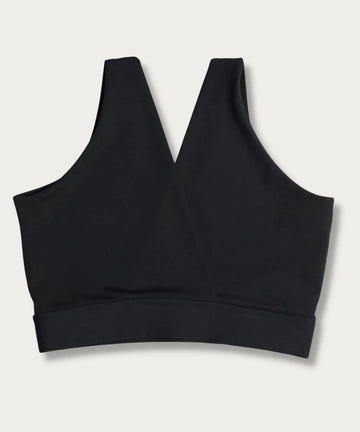
Nyssa FourthWear Postpartum Bralette Nursing and Pum...
$39.00

Mila's Keeper Silicone Breast Milk Bottle 6 oz Stand...
$36.00
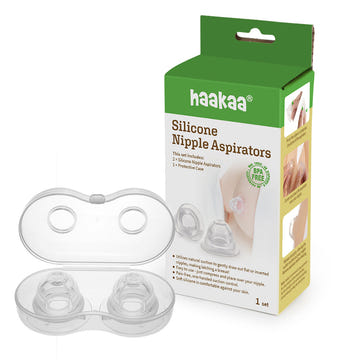
Haakaa Silicone Inverted Nipple Aspirators 2 pk
$17.99
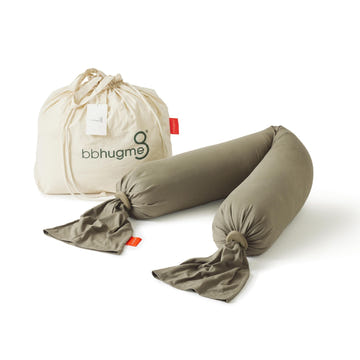
bbhugme Pregnancy Pillow Dusty Olive Adjustable Firm...
$219.00
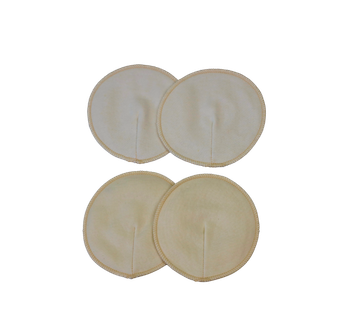
Babee Greens Contoured Nursing Pads 1 Pair Organic C...
$7.25
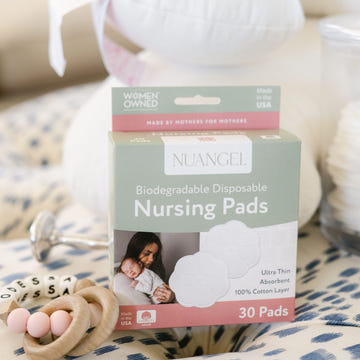
NuAngel Plant-based Disposable Nursing Pads individu...
$9.99
Troubleshooting Common Issues
Stubborn Milk Residue
If milk has dried onto your silver nursing cups:
- Soak in warm water for 15-20 minutes
- Use a soft-bristled toothbrush to gently scrub
- Apply a small amount of baking soda paste if needed
- Never use force or abrasive materials
Water Spots
To prevent and remove water spots:
- Always dry immediately after cleaning
- Use distilled water for final rinses
- Polish gently with a dry, soft cloth
Scratches or Damage
Minor scratches are normal with use, but to minimize them:
- Handle with care during cleaning
- Store separately from other objects
- Use only soft cleaning materials
- Contact the manufacturer for significant damage
Try Moogco Silver Nursing Cups - Trusted by 200,000+ cups sold
Shop Silver Nursing CupsFrequently Asked Questions
Can you wash silverettes with soap?
Yes, you can and should wash silver nursing cups with mild, fragrance-free soap. Use a small amount of gentle baby soap or mild dish soap, avoiding antibacterial formulas that can interfere with silver's natural antimicrobial properties. Always rinse thoroughly to remove all soap residue before use.
Do silver nursing cups tarnish?
Yes, silver nursing cups can develop tarnish over time, especially when exposed to air, moisture, and certain materials. This is completely normal and doesn't affect their functionality or safety. Regular cleaning and proper storage help minimize tarnishing, and it can be safely removed using gentle methods like baking soda paste.
How often should I clean silver nursing cups?
Clean your silver nursing cups after each use with a basic rinse and gentle soap cleaning. Perform deeper cleaning weekly using warm soaks or steam cleaning. If you use them multiple times per day, clean them each time you remove them to maintain optimal hygiene and prevent milk residue buildup.
Can you sterilize silver nursing cups?
Yes, silver nursing cups can be sterilized using steam sterilizers or boiling water. Use a baby bottle sterilizer or boil in distilled water for 5-10 minutes when deep sanitization is needed. However, daily sterilization isn't necessary due to silver's natural antimicrobial properties - regular cleaning with soap and water is sufficient for daily use.
How do I remove tarnish from nursing cups?
Remove tarnish from silver nursing cups using a gentle baking soda paste applied with a soft cloth, or try the aluminum foil method with hot water and baking soda. Rub gently in circular motions, rinse thoroughly with distilled water, and dry completely. Never use commercial silver polishes as they're not food-safe for items that contact your skin and breast milk.
What should I avoid when cleaning silver nursing cups?
Avoid abrasive cleaners, harsh chemicals like bleach, commercial silver polishes, steel wool, and dishwashers. Don't use antibacterial soaps regularly, and never store the cups while they're still damp. These practices can damage the silver, reduce its beneficial properties, or create hygiene issues.
Conclusion
Learning how to clean silver nursing cups properly is an investment in both your health and the longevity of these valuable breastfeeding tools. By following the daily cleaning routine, performing weekly deep cleans, and storing your cups correctly, you'll ensure they continue to provide the natural antimicrobial benefits and healing properties that make them so valuable for nursing mothers.
Remember, consistency is key. The few minutes you spend each day caring for your silver nursing cups will pay dividends in their effectiveness and lifespan. Whether you're dealing with minor tarnishing, stubborn residue, or just maintaining your daily routine, the methods we've outlined will keep your cups in pristine condition.
At Moogco Baby, we understand that your breastfeeding journey deserves the best support possible. Our silver nursing cups are designed not just for effectiveness, but for easy maintenance that fits into your busy schedule as a new mother. With proper care, your silver nursing cups will continue to provide comfort and healing throughout your entire breastfeeding experience.
If you have any questions about cleaning your silver nursing cups or need additional support, don't hesitate to reach out to our customer care team. We're here to support you every step of the way on your breastfeeding journey.
Experience the Moogco Difference - Less Worry, More Wonder
Shop Silver Nursing Cups TodayRelated Guides You Might Love
- How to Change Diaper: how to change diaper in 5 Easy Steps for New Parents
- How to Change Diaper: how to change diaper in 5 Easy Steps for New Parents
- Silver Nursing Cups vs Nipple Cream: Which Is Better for Sore Nipples in 2026?
- Silver Nursing Cups vs Nipple Cream: Which Is Better for Sore Nipples in 2026?
- Silver Nursing Cups: Do They Actually Work? A Complete Guide for Breastfeeding Moms
- Silver Nursing Cups: Do They Actually Work? A Complete Guide for Breastfeeding Moms
- Best Silver Nursing Cups 2026: Complete Guide for Breastfeeding Moms
- Best Silver Nursing Cups 2026: Complete Guide for Breastfeeding Moms
- How to Change Diapers Like a Pro A Guide for New Parents
- Mastering how to change a diaper: A Quick Guide for New Parents
Sources and Medical References
- Lansdown, A.B.G. (2006). "Silver in Health Care: Antimicrobial Effects and Safety in Use." Current Problems in Dermatology, 33, 17-34. PubMed
- Alexander, J.W. (2009). "History of the Medical Use of Silver." Surgical Infections, 10(3), 289-292. PubMed
- Dennis, C.L. et al. (2014). "Interventions for treating painful nipples among breastfeeding women." Cochrane Database of Systematic Reviews. PubMed
- Marrazzu, A. et al. (2015). "Evaluation of the effectiveness of silver cups in the prevention and treatment of nipple pain in breastfeeding women." Breastfeeding Medicine, 10(5), 232-238. PubMed
- Kent, J.C. et al. (2015). "Nipple Pain in Breastfeeding Mothers: Incidence, Causes and Treatments." International Journal of Environmental Research and Public Health, 12(10), 12247-12263. PubMed
- Beker Akbulut, G. et al. (2022). "Silver Nipple Cups for Breastfeeding Nipple Pain Management." Journal of Human Lactation, 38(2), 365-370.
M
Written by the Moogco Baby Team
Our team includes certified lactation consultants, maternal health researchers, and real parents who have personally used silver nursing cups during their breastfeeding journeys. We combine clinical evidence with lived experience to create trustworthy breastfeeding resources.
Last medically reviewed: March 2026 | Last updated: March 26, 2026
Medical Disclaimer: This article is for informational purposes only and does not replace professional medical advice. If you experience persistent nipple pain, signs of infection, or breastfeeding difficulties, please consult a healthcare provider or International Board Certified Lactation Consultant (IBCLC).
Bring this guide home with 20% off.
Use code MOM20 for 20% off →
Featured pick from Moogco
The Original Silver Nursing Cups with Silicone Pads
$62.90 $74.90
Shop this pick → Frequently Asked Questions
Can you wash silver nursing cups with soap?
Yes, you can use a small amount of mild, fragrance-free soap. Avoid antibacterial soaps, harsh detergents, or anything with strong fragrances. Rinse thoroughly after washing.
Do silver nursing cups tarnish?
Silver can tarnish over time due to exposure to air and moisture, but this does not affect its antimicrobial effectiveness. 999 fine silver tarnishes less than 925 sterling silver. Light tarnish can be removed with a soft polishing cloth.
Can you sterilize silver nursing cups?
Silver nursing cups do not need to be sterilized because silver is naturally antimicrobial. You can briefly rinse with boiling water if desired, but do not boil the cups for extended periods or use a steam sterilizer, as extreme heat can affect the shape.
How often should you clean silver nursing cups?
Rinse with warm water after each use (every time you remove them to breastfeed). Do a gentle wash with mild soap once daily or as needed. A deeper clean once a week is sufficient for most mothers.
Can I clean silver nursing cups in the dishwasher?
No, you should never put silver nursing cups in the dishwasher. The high heat, harsh detergents, and abrasive water jets can damage the delicate silver surface and potentially warp the shape of the cups. Always hand wash your silver cups with gentle soap and warm water for best results.
Is it safe to use vinegar to clean silver nursing cups?
While vinegar is sometimes used for cleaning silver jewelry, it is not recommended for silver nursing cups that touch your skin and nipples. The acidic nature of vinegar can be too harsh and may leave residue that could irritate sensitive tissue. Stick to mild, fragrance-free soap and warm water for the safest cleaning method.
Do I need to clean silver nursing cups between each breast during feeding?
No, you do not need to clean your silver nursing cups between breasts during the same feeding session. Simply switch the cups from one side to the other as needed. A thorough rinse with warm water after the complete feeding session is sufficient for daily hygiene.
Can I use alcohol wipes to clean my silver nursing cups?
It is not recommended to use alcohol wipes or rubbing alcohol on silver nursing cups. Alcohol can be drying and may leave residue that irritates your nipples. Additionally, frequent alcohol exposure can potentially affect the silver's finish over time. Warm water and mild soap provide safer, equally effective cleaning.
From Moogco Studio
Printable and personalized nursery essentials. Designed by moms for moms.


About the Editor
Eda Ulger is the editor at Moogco Baby and a mom of two. She curates and edits our guides so every piece is honest, practical, and genuinely helpful for the early days of motherhood.
Shop This Story
Picks related to this guide, ready to ship from Moogco.
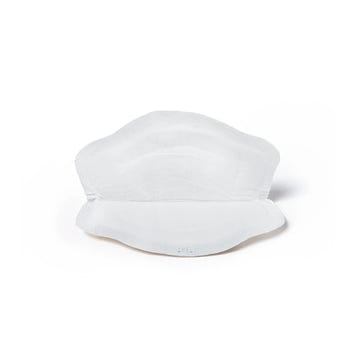
Zomee Breast Pumps Nursing Pads 100 or 200 count
$2.99

Wendy Anne Lounger Slip Cover Organic Cotton Waterpr...
$49.00

Holistic Lactation Advanced Lactation Formula 30 Ser...
$34.99
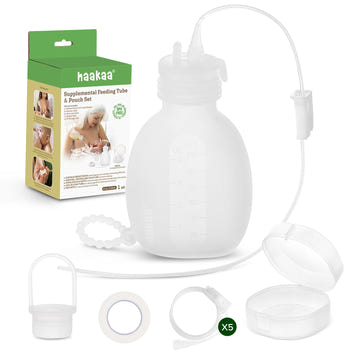
Haakaa Supplemental Feeding Tube and Pouch Set Size ...
$33.99
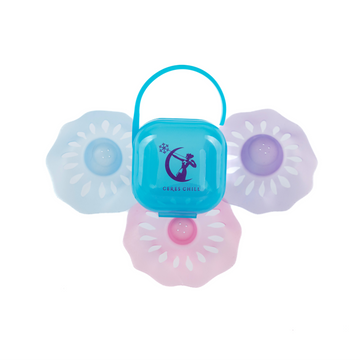
Ceres Chill Shield Maiden Nipple Shields 2pc or 3pc ...
$14.50

WishGarden Herbs Milk Rich Supply Booster pump top b...
$26.99

Nyssa FourthWear Postpartum Bralette and Breast Ice ...
$56.00

Milky Mama Dairy Duchess Raspberry Breastfeeding Sup...
$27.00

Preggie Drops Plus Morning Sickness Relief Lollies, ...
$13.75
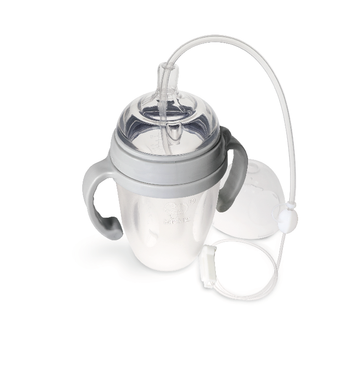
Haakaa Supplemental Feeding Combo 250ml Bottle with ...
$32.99