


Pregnancy is a transformative journey, but when pregnancies happen at frequent intervals, it can bring unique challenges and joys. Whether planned or unexpected, closely spaced pregnancies require thoughtful planning and care to ensure the health and well-being of both mother and baby. Let's explore what frequent-interval pregnancies entail, their impact on your body, and how to navigate them successfully.
Understanding Frequent-Interval Pregnancies
Frequent-interval pregnancies occur when a new pregnancy begins shortly after a previous one, typically within 18 months of giving birth. While some families prefer this spacing to keep their children close in age, it can also happen unintentionally.
The Impact on a Mother’s Body
-
Physical Recovery
Pregnancy and childbirth take a toll on the body, and close intervals between pregnancies can limit recovery time. This may increase the risk of complications such as preterm birth, low birth weight, or maternal exhaustion. -
Nutritional Demands
Pregnancy depletes vital nutrients like iron, calcium, and folic acid. If pregnancies occur close together, there may be less time to replenish these nutrients, potentially affecting both mother and baby. -
Emotional Fatigue
Balancing the demands of a new baby while pregnant can be emotionally taxing. Fatigue, hormonal changes, and the demands of caregiving can lead to increased stress levels.
How to Navigate Frequent-Interval Pregnancies
-
Prioritize Prenatal Care
Regular prenatal visits are essential. Inform your healthcare provider about your previous pregnancy to ensure they monitor your recovery and any potential risks closely. -
Focus on Nutrition
A balanced diet rich in essential nutrients is critical. Increase your intake of iron, calcium, protein, and folic acid to support your body’s needs. Consider supplements if recommended by your doctor. -
Stay Active with Moderation
Gentle exercises like walking, yoga, or prenatal fitness can help maintain your strength and energy. However, listen to your body and avoid overexertion. -
Rest and Self-Care
Prioritize rest whenever possible. Lean on your support system to help with childcare, household tasks, and emotional support. Small moments of self-care can make a big difference in managing stress and fatigue. -
Seek Emotional Support
Joining a support group for mothers experiencing closely spaced pregnancies can provide a sense of community and shared understanding. Professional counseling can also be beneficial.
Breastfeeding While Pregnant
If you’re breastfeeding while pregnant, you may notice changes in milk supply or nipple sensitivity. Stay hydrated, maintain a nutritious diet, and monitor your comfort. Moogco Silver Nursing Cups can offer relief from sore nipples, providing a natural, soothing solution to make breastfeeding more comfortable during this transitional period.
Final Thoughts
Pregnancy at frequent intervals can be both challenging and rewarding. By prioritizing your physical and emotional well-being, seeking support, and staying proactive about prenatal care, you can navigate this journey successfully. Every family’s experience is unique, and with the right resources and mindset, you can embrace the beauty of raising closely spaced siblings while maintaining your own health and happiness

Featured pick from Moogco
Bamboo Lounge Around Nursing Tank | Slate Blue
$29.99 $39.90
Shop this pick → Bring this guide home with 15% off.
Use code HAPPYSPRING for 15% off →Frequently Asked Questions
How long should I ideally wait between pregnancies?
Health experts generally recommend waiting at least 18 to 24 months between giving birth and conceiving again. This interval allows your body to recover fully, replenish nutrient stores, and reduce risks of complications like preterm birth or low birth weight. However, every woman's situation is unique, so discuss your personal timeline with your healthcare provider.

Can I continue breastfeeding my toddler while pregnant?
Yes, many mothers successfully breastfeed while pregnant, though you may notice changes in milk supply, taste, or nipple sensitivity. Most women can safely continue nursing if the pregnancy is progressing normally and there are no complications. Stay well-nourished, hydrated, and consult your doctor if you have concerns about tandem nursing.
Bumps, postpartum, and back again
Picks From This Story
Picks related to this guide, ready to ship from Moogco.

Sunflower Motherhood Morning Sickness Box nausea rel...
$65.00
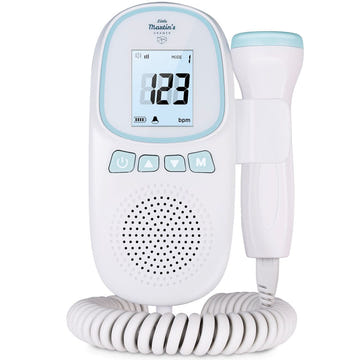
Little Martin's Portable Fetal Doppler USB Rechargea...
$69.99
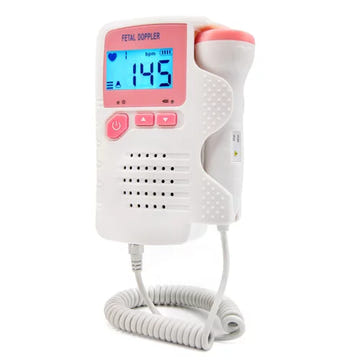
Little Martin's Drawer SpringBud FD-200B Fetal Doppl...
$52.99
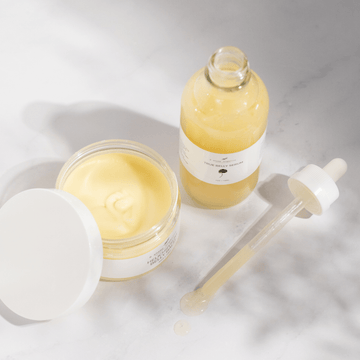
2-Step Stretch Mark Prevention Bundle
$69.00
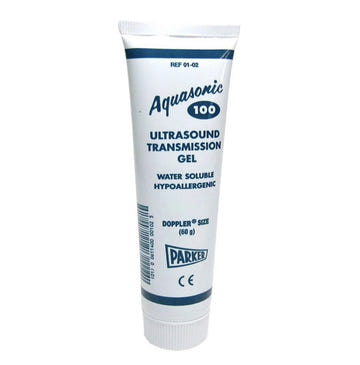
Aquasonic 100 Ultrasound Transmission Gel
$6.99
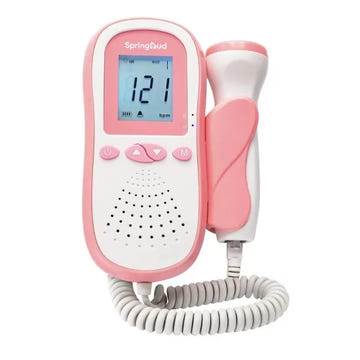
Little Martin's Drawer SpringBud FD-500B Fetal Doppl...
$59.99
Maternity and nursing wear that actually fits
Take 15% off at checkout, applied automatically when you shop through this link.
Shop with HAPPYSPRING →Free US shipping over $100. Code applies automatically at checkout.
What are the biggest risks of closely spaced pregnancies?
Closely spaced pregnancies can increase the risk of preterm birth, low birth weight, placental abruption, and maternal anemia or nutritional deficiencies. Your body may not have fully recovered from the previous pregnancy, making it harder to meet the demands of a new one. Regular prenatal care and good nutrition can help mitigate these risks.
How can I manage fatigue when pregnant and caring for a baby?
Prioritize rest by napping when your baby sleeps, accepting help from family and friends, and simplifying daily routines. Gentle movement like short walks can boost energy, and eating small, frequent nutrient-dense meals helps maintain stamina. Don't hesitate to ask for support with household tasks or childcare.
What nutrients are most important during back to back pregnancies?
Iron, folic acid, calcium, vitamin D, and protein are especially critical when pregnancies are closely spaced. Your body needs to rebuild its stores while supporting a new baby's development. A prenatal vitamin, plus iron-rich foods like lean meats, leafy greens, and fortified cereals, can help meet increased demands.
More Related Picks
A few more favorites from the same collection.
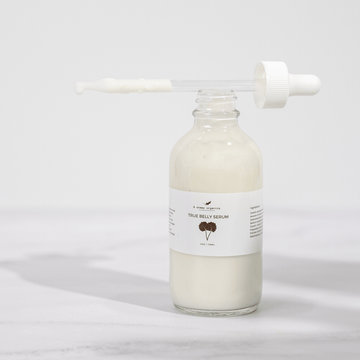
True Belly Serum
$47.00
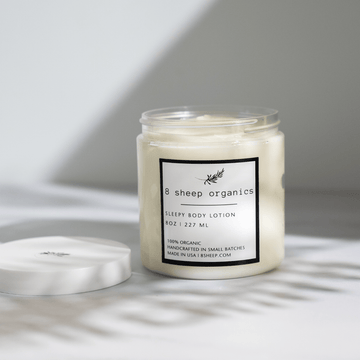
8 Sheep Organics Organic Sleepy Body Lotion for Preg...
$29.00
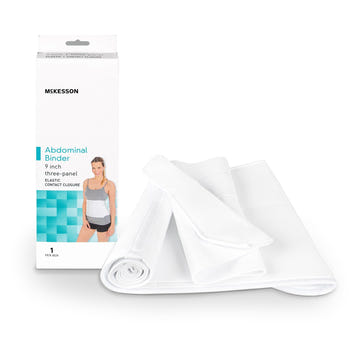
LL Medico McKesson Abdominal Binder Small Medium Whi...
$14.99
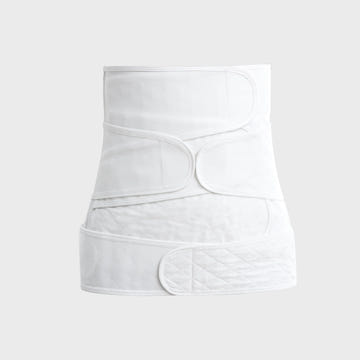
SUNVENO 2-in-1 Postpartum Belt Wrap Waist Waist Belt...
$34.99

Baby Jolie Paris Triple Action Stretch Marks Cream 7...
$29.99

Preggie Drops Plus Morning Sickness Relief Lollies, ...
$13.75
Will my milk dry up if I get pregnant while breastfeeding?
Many women experience a decrease in milk supply during pregnancy due to hormonal changes, though some maintain their supply throughout. The composition and taste of your milk may also change, which can lead to some babies self-weaning. If you want to continue nursing, stay hydrated and nurse frequently to help maintain supply.
How do I prepare emotionally for another baby so soon?
Acknowledge your feelings, whether excitement, anxiety, or overwhelm, as all are valid. Connect with other parents experiencing closely spaced pregnancies through support groups or online communities. Consider speaking with a counselor if you're struggling, and involve your partner or support network in planning and caregiving to share the emotional load.
Can Moogco Silver Nursing Cups help with pregnancy-related nipple soreness?
Yes, Moogco Silver Nursing Cups provide natural, soothing relief for sore or sensitive nipples, which are common when breastfeeding during pregnancy. The pure silver promotes healing and comfort between nursing sessions without creams or medications. They're a gentle, effective solution for moms navigating the challenges of tandem nursing and pregnancy.
From Moogco Studio
Printable and personalized nursery essentials. Designed by moms for moms.


About the Editor
Eda Ulger is the editor at Moogco Baby and a mom of two. She curates and edits our guides so every piece is honest, practical, and genuinely helpful for the early days of motherhood.
Shop This Story
Picks related to this guide, ready to ship from Moogco.
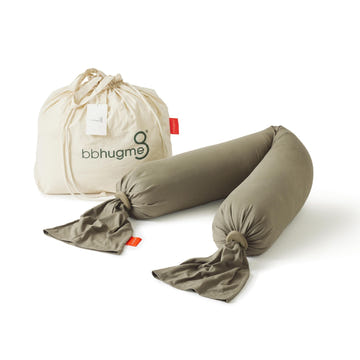
bbhugme Pregnancy Pillow Dusty Olive Adjustable Firm...
$219.00
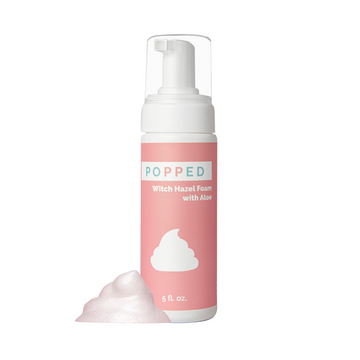
Popped Witch Hazel Foam with Aloe 5 fl oz Postpartum...
$12.99
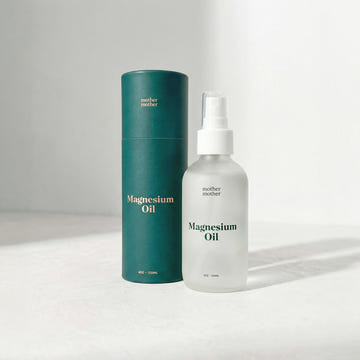
Mother Mother Magnesium Oil Spray 4 oz glass bottle
$34.00
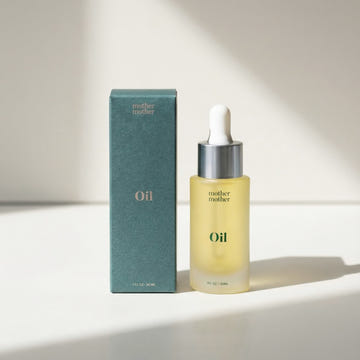
Mother Mother Face + Belly Oil 1 oz glass dropper bo...
$36.00

Euphoric Herbals Womb Wellness Prenatal Tea Organic ...
$24.99
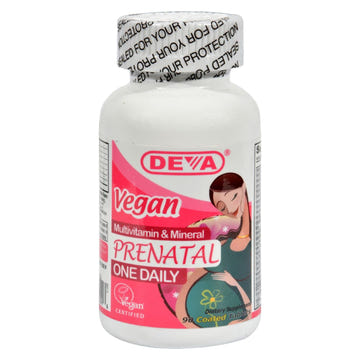
Cozy Farm Deva Prenatal Vegan Multivitamin 90 Tablets
$16.60

Nēmah Renewing Scar Cream for Pregnancy Breastfeedin...
$34.00

Hello Postpartum All-Natural Whipped Tallow Belly Bu...
$40.00

The Spoiled Mama Tummy Butter for Stretch Marks 4 oz...
$45.00
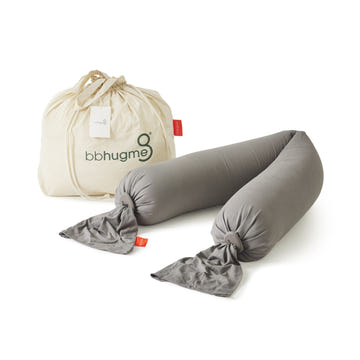
bbhugme Pregnancy Pillow Stone Adjustable 5-Point Su...
$219.00