


Emotional development is a crucial aspect of a baby’s growth, forming the basis for healthy relationships, self-regulation, and overall mental health. While every child is unique, understanding how emotional skills develop and how parents can support them can make all the difference.
What is Emotional Development?
Emotional development refers to the process by which babies learn to recognize, express, and manage their feelings. It’s closely tied to social development and the ability to form secure attachments with caregivers.

✔️ Attachment: Developing a secure bond with caregivers through affection and responsiveness. ✔️ Self-Regulation: Learning to manage emotions and reactions. ✔️ Empathy: Beginning to recognize and respond to the emotions of others.
Free US shipping over $100
Real essentials, picked by real moms
Take 20% off at checkout, applied automatically when you shop through this link.
Shop with MOM20 →Free US shipping over $100. Code applies automatically at checkout.
Dr. Sarah Liu, Child Psychologist: “The emotional bond between a baby and their primary caregiver is the foundation for healthy emotional growth. Consistent, loving care fosters a sense of safety and confidence.”
Picks From This Story
Picks related to this guide, ready to ship from Moogco.
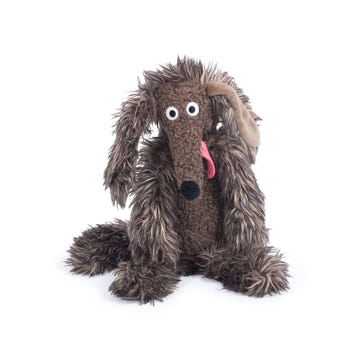
Speedy Monkey Dumpster The Dog medium brown H 14,17 ...
$39.99

Sell My Stuff Elephant Plush Baby Sleep Pillow 30 35...
$40.00
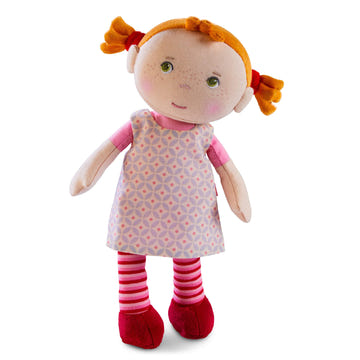
HABA Snug Up Doll Roya 10 inch soft plush doll
$19.99
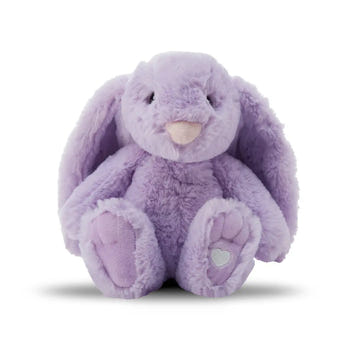
Xander Bunny — Lavender Stuffed Bunny | Weighted Cal...
$45.00
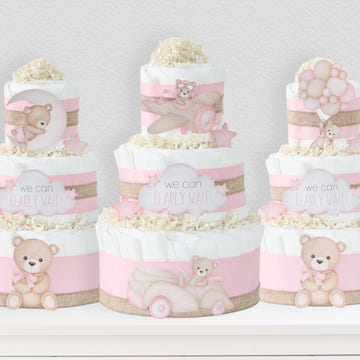
Baby Blossom Company Teddy Bear Diaper Cake Pink Sho...
$85.00
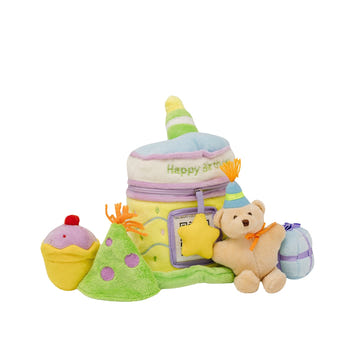
Genius Babies Toys Baby's 1st Birthday Plush Cake Pl...
$19.99
Stages of Emotional Development
0-3 Months: Building Trust
✅ Babies communicate primarily through crying, cooing, and facial expressions. ✅ They seek comfort and security through touch and feeding. ✅ Developing trust through consistent, loving responses.
💡 Tip: Holding, cuddling, and responding to your baby’s cries helps them feel safe and understood.
4-6 Months: Social Interaction
✅ Babies begin to show joy, excitement, and frustration more clearly. ✅ Smiling, laughing, and making eye contact become more frequent. ✅ Recognizes familiar faces and voices.
Dr. Emily Carter, Pediatric Development Specialist: “At this stage, babies start to build social connections. Simple games like peek-a-boo can enhance emotional awareness.”
7-9 Months: Developing Attachment
✅ Shows preference for primary caregivers. ✅ Begins to experience separation anxiety. ✅ Expresses a wider range of emotions.
💡 Encouragement: Encourage exploration while providing reassurance to help build confidence.
10-12 Months: Emerging Independence
✅ Displays affection through hugs and kisses. ✅ Uses gestures to communicate feelings (e.g., pointing or reaching out). ✅ Begins to develop empathy by reacting to the emotions of others.
Dr. Rachel Kim, Pediatric Psychologist: “Children who feel secure are more likely to explore their environment, knowing they have a safe place to return to.”
How to Support Emotional Development
✔️ Responding with Empathy: Acknowledge your baby’s feelings even if they cannot be fully understood. ✔️ Encouraging Exploration: Allow safe exploration while being available for reassurance. ✔️ Creating Routines: Predictable routines help babies feel secure and understood. ✔️ Talking About Emotions: Narrating emotions (“You’re feeling upset because you’re hungry”) helps build emotional awareness. ✔️ Building Positive Attachments: Consistency and warmth strengthen the bond between parent and child.
More Related Picks
A few more favorites from the same collection.
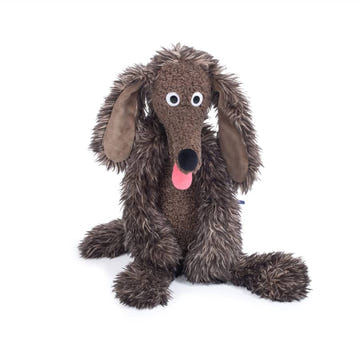
Dumpster The Dog Plush (large) - Stuffed Toy - Mouli...
$59.99
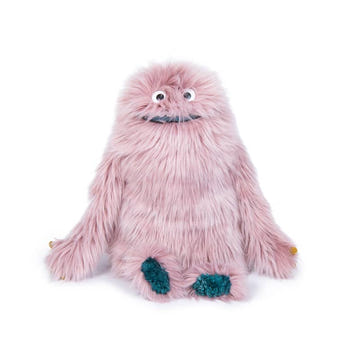
Boubou The Schmouk - Stuffed Toy - Moulin Roty
$119.99
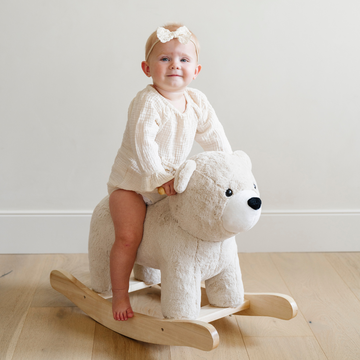
Saranoni Stuffed Animal Rocker Bear Puppy Elephant A...
$159.00
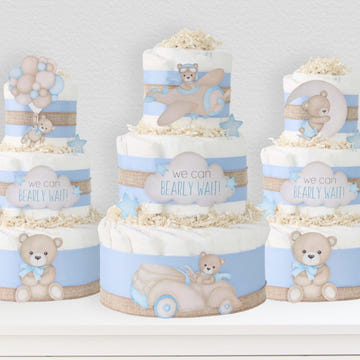
Baby Blossom Company Teddy Bear Diaper Cake Collecti...
$85.00

Wolf "Ecole des loisirs"
$49.99
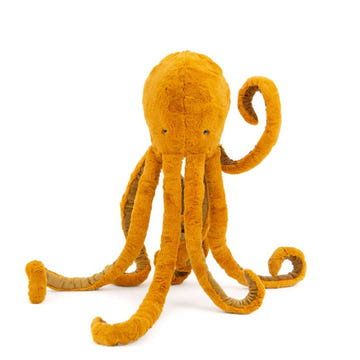
Speedy Monkey Octopus Plush Large Blue H: 27,17 Stuf...
$89.99
The Role of Moogco Silver Nursing Cups
Breastfeeding is a powerful tool for emotional bonding. However, sore nipples can hinder this experience. Moogco Silver Nursing Cups offer natural relief, making breastfeeding more comfortable and enjoyable for both mother and baby.
📌 Get yours today: Moogco Silver Nursing Cups on Amazon.
Final Thoughts: Emotional Development Takes Time
Emotional growth is a gradual process that requires patience, warmth, and consistency. Providing a loving environment where your baby feels safe and supported will help them build emotional resilience and a healthy sense of self.
🛒 Find all your baby essentials at Moogco Baby.
Bring this guide home with 20% off.
Use code MOM20 for 20% off →
Featured pick from Moogco
French Terry Racerback Nursing & Sleep Bra | Beige
$39.90
Shop this pick → Frequently Asked Questions
What are the early signs that my baby is developing emotional awareness?
Early signs include responding to your voice with coos or smiles, making eye contact, and showing distress when you leave the room. Around 4 to 6 months, you'll notice more intentional smiles, laughter, and reactions to familiar faces. These behaviors show your baby is beginning to connect emotions with social interactions.
How can I help my baby through separation anxiety?
Separation anxiety typically emerges around 7 to 9 months and is a normal sign of healthy attachment. You can help by creating short, predictable goodbyes, offering comfort objects, and maintaining consistent routines. Always reassure your baby that you will return, and practice brief separations to build confidence over time.
Is it normal for my baby to cry when meeting new people?
Yes, stranger anxiety is a normal part of emotional development, usually appearing between 6 and 12 months. It shows your baby has formed a strong attachment to you and can distinguish between familiar and unfamiliar faces. Give your baby time to warm up to new people in your presence, and avoid forcing interactions.
How does responsive parenting support emotional development?
Responsive parenting means consistently acknowledging and meeting your baby's needs, which builds trust and security. When you respond to cries, smiles, and cues with warmth and empathy, your baby learns that their feelings matter. This foundation supports self-regulation, confidence, and healthy relationships throughout life.
Can playing games with my baby really help their emotional growth?
Absolutely! Games like peek-a-boo, pat-a-cake, and simple back-and-forth interactions teach cause and effect, build trust, and enhance emotional awareness. These playful moments help your baby learn to read social cues, experience joy, and develop secure attachments. Plus, they strengthen your bond in a fun, natural way.
When should I start talking to my baby about emotions?
You can start from birth! Narrating emotions helps babies begin to connect words with feelings, even before they understand language. Simple phrases like "You're feeling sleepy" or "That made you so happy" build emotional vocabulary over time. This practice lays the groundwork for self-awareness and empathy as your child grows.
What role does breastfeeding play in emotional bonding?
Breastfeeding promotes close physical contact, skin-to-skin touch, and eye contact, all of which strengthen the emotional bond between mother and baby. The act of nursing releases oxytocin in both mom and baby, fostering feelings of calm and connection. Making breastfeeding comfortable, with tools like Moogco Silver Nursing Cups, helps sustain this special bonding time.
How do routines help my baby feel emotionally secure?
Predictable routines create a sense of safety and stability, which are essential for emotional development. When your baby knows what to expect during feeding, naps, and playtime, they feel more in control and less anxious. Consistent daily rhythms also help with self-regulation and make transitions easier as your baby grows.
From Moogco Studio
Printable and personalized nursery essentials. Designed by moms for moms.


About the Editor
Eda Ulger is the editor at Moogco Baby and a mom of two. She curates and edits our guides so every piece is honest, practical, and genuinely helpful for the early days of motherhood.
Shop This Story
Picks related to this guide, ready to ship from Moogco.
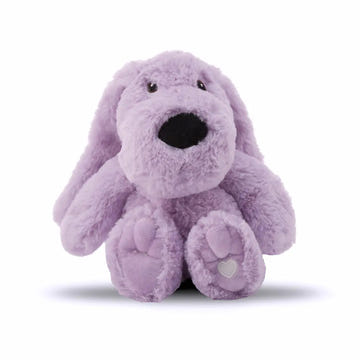
Lavender Life Company Xander Dog Lavender Comfort St...
$45.00
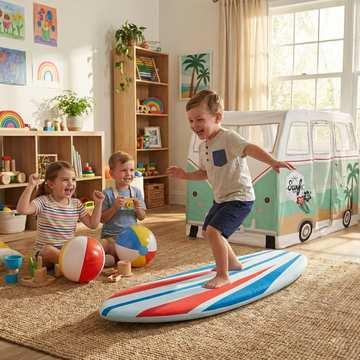
Surf Board Plush Toy
$69.00
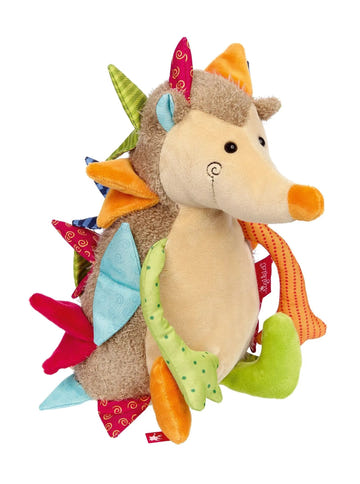
Patchwork Hedgehog Plush Toy
$39.95
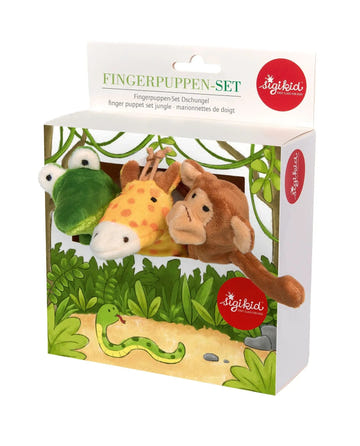
Finger Puppet Set: Jungle
$37.95
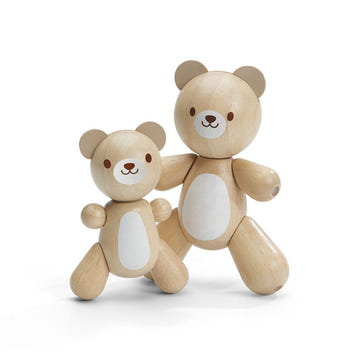
PlanToys Bear and Little Bear Plush Set Movable Limbs
$26.99
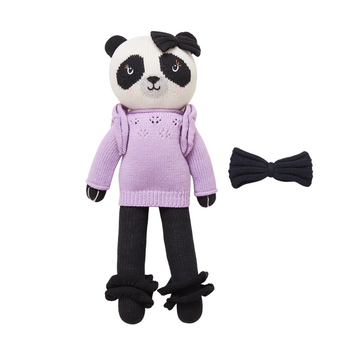
Red and Olive Co Lavender Panda Match Me Set doll 20...
$78.00
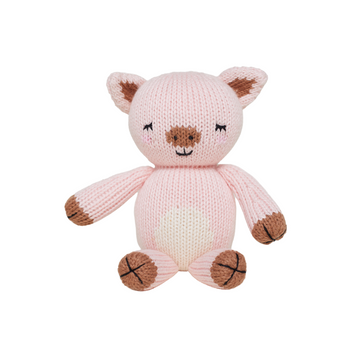
Red and Olive Co Baby Pig 7" Handcrafted Plush Pigle...
$36.00
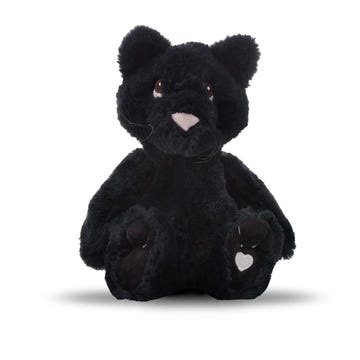
Lavender Life Company Xander Cat Lavender Comfort St...
$45.00
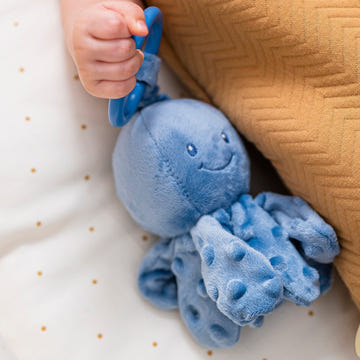
Nattou Vibrating Cuddly Lapidou
$9.95
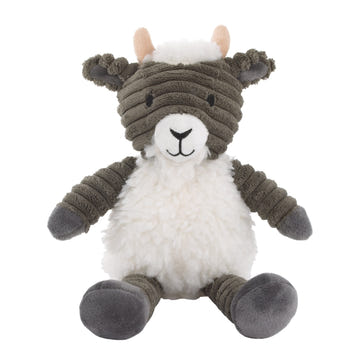
Billy the Goat Grey and White Super Soft Plush Stuff...
$14.99