


Your body just did something extraordinary—growing and delivering a new life. But while the focus often shifts to the baby, your healing and recovery are equally important. The postpartum period, also known as the fourth trimester, brings significant physical, emotional, and hormonal changes. Here’s what to expect from your body after birth—and how to care for it with compassion.
Dr. Simone Allen, OB-GYN: “Postpartum recovery isn’t about bouncing back—it’s about honoring the body’s strength, adjusting gently, and seeking support when needed.”
1. Vaginal Bleeding (Lochia)
After childbirth, you’ll experience vaginal discharge made up of blood, tissue, and mucus. This can last up to 6 weeks and gradually lightens in color and flow.

✔️ Use maternity pads, not tampons, to reduce infection risk.
✔️ Contact your doctor if bleeding becomes unusually heavy or foul-smelling.
Healing, comfort, and a little softness
Postpartum care, finally taken seriously
Take 25% off at checkout, applied automatically when you shop through this link.
Shop with READER25 →Free US shipping over $100. Code applies automatically at checkout.
2. Uterine Contractions (Afterpains)
As the uterus returns to its pre-pregnancy size, you may feel cramping—especially while breastfeeding.
✔️ These typically subside within a week.
✔️ Applying heat or taking a mild pain reliever can help.
3. Perineal Discomfort
If you had a vaginal delivery, soreness or tearing in the perineum is common.
✔️ Use cold packs, sitz baths, and witch hazel pads.
✔️ Practice pelvic floor exercises (once cleared) to support healing.
Picks From This Story
Picks related to this guide, ready to ship from Moogco.
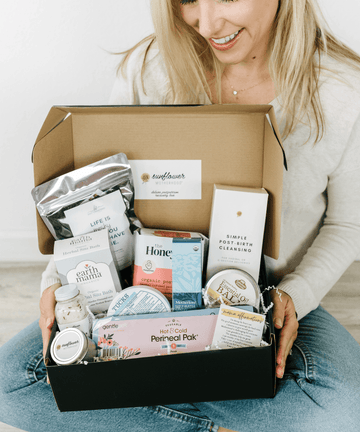
Sunflower Motherhood Deluxe Postpartum Recovery Box ...
$149.00
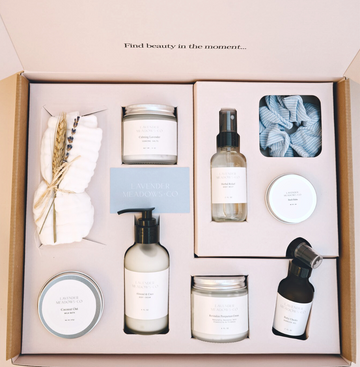
Lavender Meadows Co Postpartum Care Package Deluxe G...
$146.00
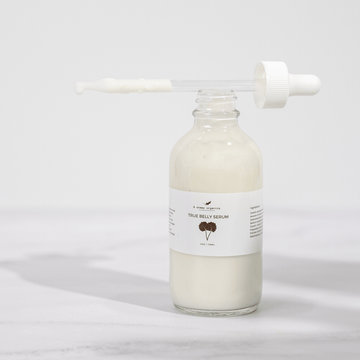
True Belly Serum
$47.00
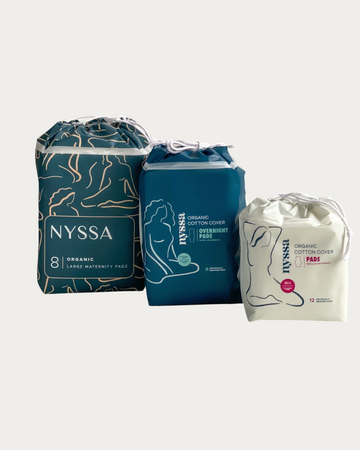
Nyssa Complete Organic Cotton Cover Pads Trio Postpa...
$25.00
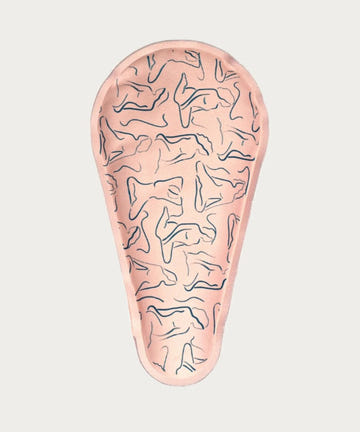
Nyssa Between Legs Perineal Ice Heat Pack for Postpa...
$15.00
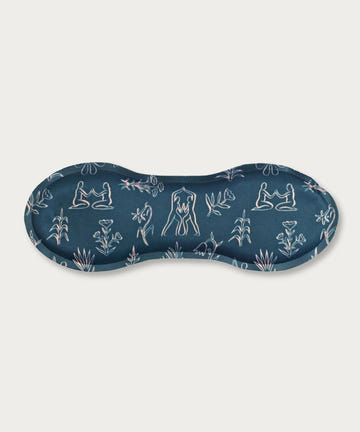
Nyssa Uterine Reusable Ice & Heat Pack contoured for...
$15.00
4. Cesarean Recovery
C-section recovery takes time—typically 6–8 weeks. You’ll have an incision site to care for and internal healing to monitor.
✔️ Avoid lifting anything heavier than your baby.
✔️ Keep the incision clean and dry, and watch for signs of infection.
5. Breast Changes
Engorgement, tenderness, and leaking are common as your milk comes in.
✔️ Wear supportive, non-restrictive bras.
✔️ Use warm compresses before feeding and cold packs after.
✔️ If you experience cracked nipples, Moogco Silver Nursing Cups can provide natural antibacterial relief.
📌 Shop now: Moogco Silver Nursing Cups on Amazon
6. Hair Loss & Skin Changes
Many women notice increased hair shedding around 3 months postpartum, due to hormone shifts.
✔️ This is usually temporary. Eat nutrient-rich foods and avoid harsh hair treatments. ✔️ Skin may also change—expect fluctuations in pigmentation, acne, or dryness.
7. Weight and Body Shape
Postpartum bodies don’t follow a timeline. Your uterus alone takes 6 weeks to shrink.
✔️ Avoid restrictive dieting. Focus on healing, rest, hydration, and gentle movement. ✔️ Celebrate your body for what it’s done—not how it looks.
Dr. Laila Monroe, Family Medicine: “It took 9 months to grow your baby. Give yourself at least that long to heal—emotionally and physically.”
More Related Picks
A few more favorites from the same collection.
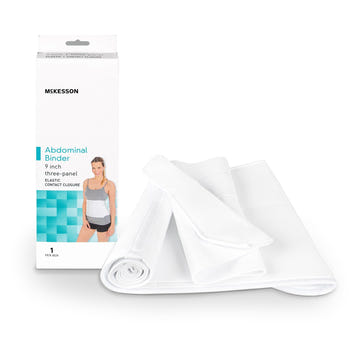
LL Medico McKesson Abdominal Binder Small Medium Whi...
$14.99
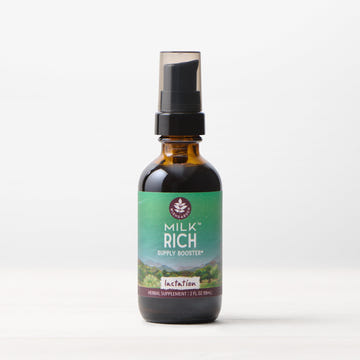
WishGarden Herbs Milk Rich Supply Booster pump top b...
$26.99
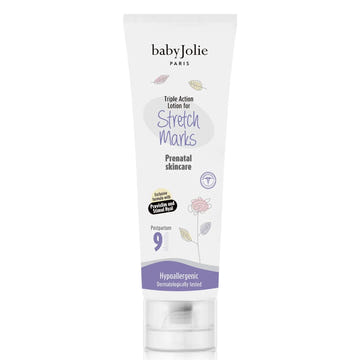
Baby Jolie Paris Triple Action Stretch Marks Cream 7...
$29.99
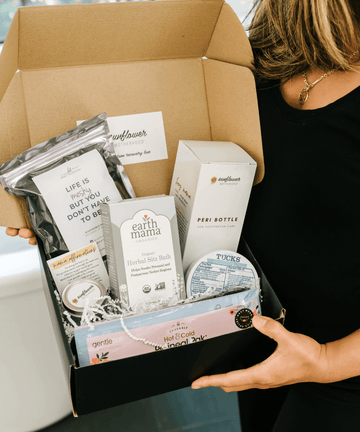
Sunflower Motherhood Postpartum Recovery Box full-si...
$79.00
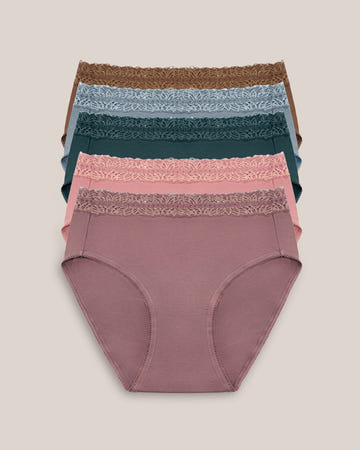
Kindred Bravely High-Waisted Postpartum Underwear Pa...
$36.90
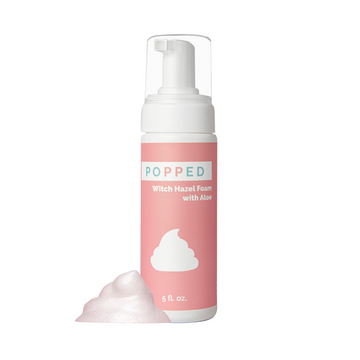
Popped Witch Hazel Foam with Aloe 5 fl oz Postpartum...
$12.99
8. Emotional and Mental Changes
Hormones fluctuate significantly, which can cause mood swings, sadness, or anxiety. While baby blues are common, prolonged symptoms could be postpartum depression.
✔️ Don’t hesitate to ask for help. Talk to your healthcare provider, join a support group, or speak to a therapist.
How to Support Postpartum Recovery
✔️ Prioritize rest and ask for help.
✔️ Stay nourished and hydrated.
✔️ Move gently—walks, light stretching, pelvic floor work.
✔️ Check in with your doctor for postpartum visits.
Final Thoughts: Recovery Is Not Linear
Postpartum recovery is unique to every woman. Be kind to your body, listen to its cues, and surround yourself with support. Healing isn’t about bouncing back—it’s about moving forward with strength, care, and grace.
🛒 Explore more postpartum support products at Moogco Baby.
Bring this guide home with 25% off.
Use code READER25 for 25% off →
Featured pick from Moogco
FourthWear Postpartum Recovery Underwear + Between Legs Perineal Ice/Heat Pack
$53.00
Shop this pick → Frequently Asked Questions
How long should I wait before exercising after giving birth?
Most healthcare providers recommend waiting until after your 6-week postpartum checkup before resuming regular exercise. However, gentle walks can usually begin within days of delivery if you feel up to it. Always listen to your body and get clearance from your doctor, especially if you had a C-section or complications.
Is it normal to sweat a lot at night after having a baby?
Yes, night sweats are completely normal in the first few weeks postpartum. Your body is shedding excess fluids retained during pregnancy and adjusting hormone levels. Stay hydrated, wear breathable fabrics, and keep a towel nearby. If sweating is accompanied by fever or other symptoms, contact your doctor.
When will my period return after giving birth?
If you're not breastfeeding, your period may return within 6 to 8 weeks postpartum. For breastfeeding moms, it can take several months or longer, depending on feeding frequency. Keep in mind that you can ovulate before your first period, so discuss contraception with your provider if needed.
Why do I still look pregnant weeks after delivery?
Your uterus takes about 6 weeks to return to its pre-pregnancy size, and your abdominal muscles and skin need time to recover. Bloating, water retention, and hormonal shifts also play a role. Be patient with your body and focus on nourishing foods, hydration, and gentle movement rather than appearance.
Can I take a bath after giving birth?
It's usually safe to take a shallow bath or sitz bath soon after delivery, especially to soothe perineal discomfort. However, avoid submerging yourself in a full tub until bleeding has significantly decreased and any tears or incisions have started healing. Always check with your healthcare provider first.
What should I do if my C-section incision looks red or swollen?
Redness, swelling, warmth, increasing pain, or discharge from your incision could signal an infection. Contact your doctor right away if you notice these signs or if you develop a fever. Proper wound care, keeping the area clean and dry, and avoiding heavy lifting are essential for healing.
How much hair loss is normal after having a baby?
Postpartum hair shedding typically peaks around 3 to 4 months after delivery and can last several months. You may notice clumps in the shower or on your brush, but this is temporary. Your hair cycle is simply returning to normal after pregnancy hormones kept more hair in the growth phase.
Should I be concerned if I feel emotional or tearful postpartum?
Mild mood swings and tearfulness, often called the baby blues, are very common in the first two weeks due to hormonal shifts and exhaustion. However, if sadness, anxiety, or hopelessness persist beyond two weeks or interfere with daily life, reach out to your healthcare provider to discuss postpartum depression or anxiety.
From Moogco Studio
Printable and personalized nursery essentials. Designed by moms for moms.


About the Editor
Eda Ulger is the editor at Moogco Baby and a mom of two. She curates and edits our guides so every piece is honest, practical, and genuinely helpful for the early days of motherhood.
Shop This Story
Picks related to this guide, ready to ship from Moogco.
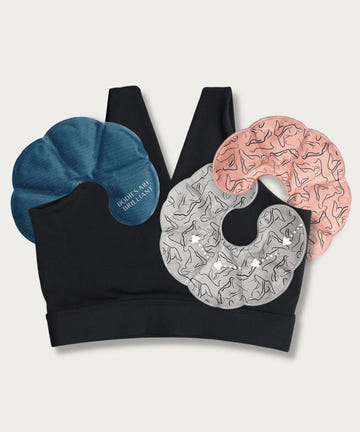
Nyssa FourthWear Postpartum Bralette and Breast Ice ...
$56.00
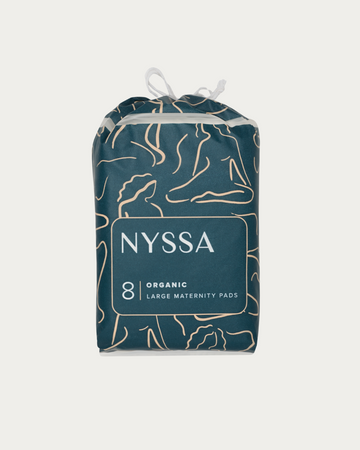
Nyssa Complete Coverage Organic Cotton Postpartum Pa...
$9.00
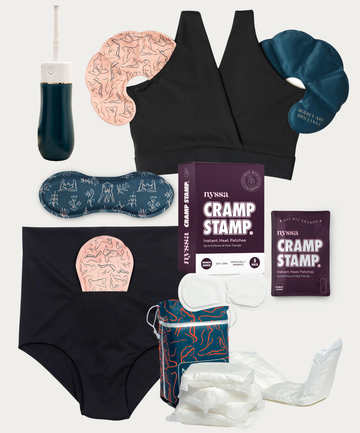
Nyssa Classic Black Essential Postpartum Kit 8-piece
$150.00
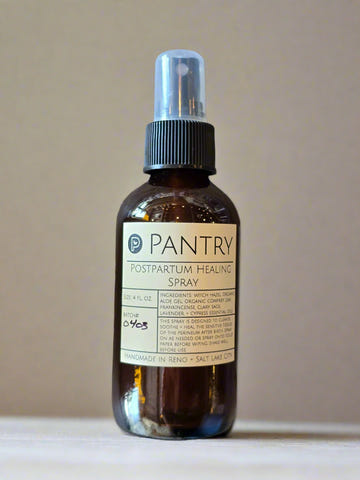
Postpartum Healing Spray - Perineum Recovery
$17.00
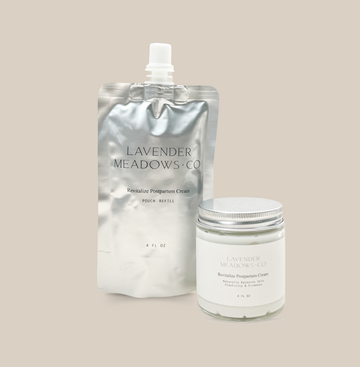
Lavender Meadows Co Revitalize Postpartum Cream Refi...
$30.00
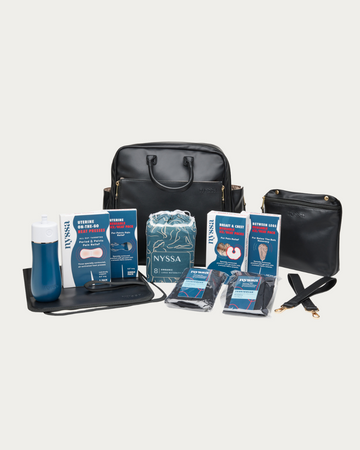
Nyssa Mother Bag + Essential Postpartum Kit Vegan Le...
$210.00
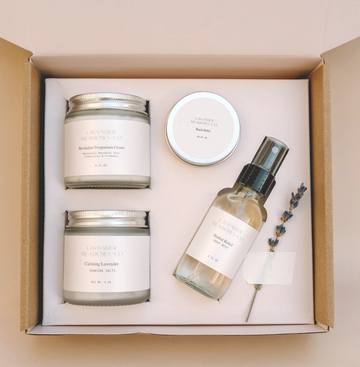
Lavender Meadows Co Postpartum Care Package organic ...
$70.00
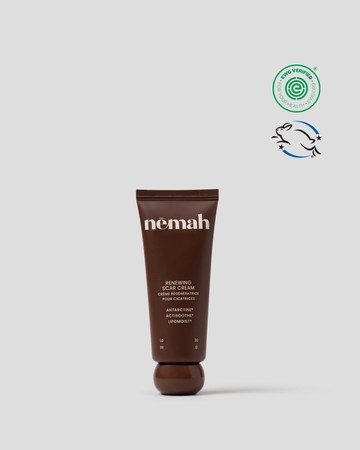
Nēmah Renewing Scar Cream for Pregnancy Breastfeedin...
$34.00
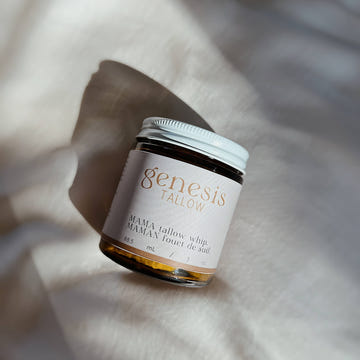
Hello Postpartum All-Natural Whipped Tallow Belly Bu...
$40.00
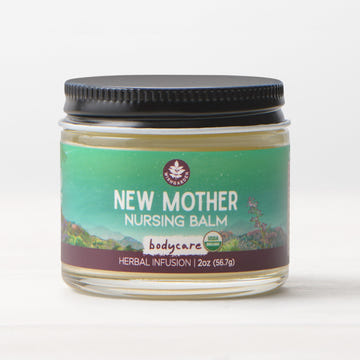
WishGarden Herbs New Mother Nursing Balm USDA Organic
$14.99