


Returning to work while breastfeeding is one of the most logistically demanding things a new mom navigates, and building a realistic pumping at work schedule is the single most important thing you can do before your first day back. We are moms too, and we know how much mental energy goes into timing sessions around meetings, patients, shift handoffs, and just getting through the day. The good news: with the right hour-by-hour framework, a solid pumping at work schedule is completely manageable, whether you work a standard office day, a long retail or warehouse shift, or a demanding healthcare rotation. This guide gives you three concrete sample schedules, the research-backed every-3-hours rule, tips for safely shortening sessions once your supply is stable, and calendar strategies that keep your coworkers in the loop without oversharing. For the full deep-dive, bookmark our complete pumping at work guide as your go-to reference all year long.
Why Your Pumping at Work Schedule Matters for Supply
Breast milk production is a supply-and-demand system. Every time milk is removed from your breasts, your body receives a hormonal signal to make more. When removal is delayed or inconsistent, a feedback inhibitor protein builds up in retained milk and actively signals your body to slow production. A 2026 review published in maternal nutrition journals confirmed what lactation consultants have long advised: consistency of removal intervals is the most reliable predictor of sustained milk output for working mothers past the twelve-week mark.

What this means practically is that skipping a session or stretching the gap to five or six hours, even once in a while, can compound into a noticeable supply dip within days. Your pumping at work schedule is not just a calendar convenience. It is a biological maintenance plan.
Try Moogco Silver Nursing Cups - natural breastfeeding comfort
Shop NowThe Every-3-Hours Rule Explained
The foundation of any pumping at work schedule is the every-3-hours rule. Counting from the start of one session to the start of the next, you want no more than three hours to pass during your waking hours. For most moms, this translates to two to three pumping sessions during an eight-hour workday, and three to four sessions during a ten or twelve-hour shift.
Here is why three hours is the magic number: the average gastric emptying time for breast milk is roughly ninety minutes, meaning your baby feeds, digests, and cues for hunger again on a cycle that naturally pulls milk every two to three hours. Your pump sessions at work should mirror that rhythm as closely as your shift allows. Going beyond three hours does not cause permanent damage, but doing it regularly, especially in the first three months back at work, is the most common reason moms see a gradual supply decline.
A few important clarifications about the rule:
- The clock starts at the beginning of a session, not the end.
- A nighttime stretch of up to five hours is generally acceptable once your baby is older and your supply is well established, because prolactin peaks naturally in the early morning hours.
- If you are exclusively pumping with no direct nursing, you may need to be stricter about the three-hour window than a mom who nurses morning and evening at home.
Picks From This Story
Picks related to this guide, ready to ship from Moogco.

Healthy Horizons Elvie Stride Diaphragms 2 Pack
$21.99
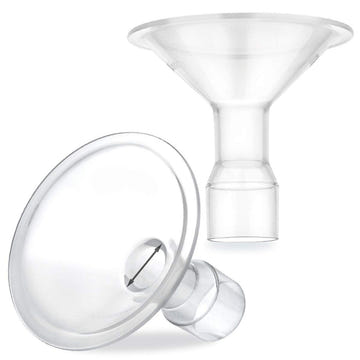
Bae & Bee Boutique Maymom Narrow Neck Flange compati...
$15.00

Haakaa Silicone Pump and Ladybug Milk Collector Comb...
$30.32
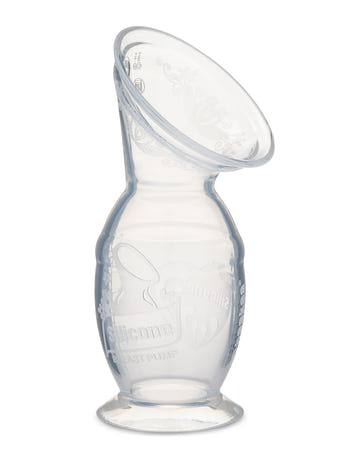
Haakaa Generation 2 Silicone Breast Pump 5 oz Suctio...
$20.99
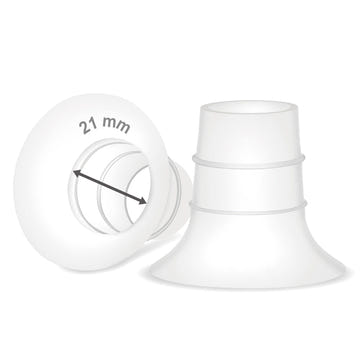
Bae & Bee Boutique Maymom Silicone Medela Flange Ins...
$6.00
Bae & Bee Boutique Silicone Flange Inserts 10-21mm
$16.00
Sample Pumping at Work Schedule for an 8-Hour Office Day
This schedule fits a 9-to-5 or 8-to-4 office environment. It assumes you nurse or pump once before leaving home and once after returning, so your workday sessions bridge the gap between those two home sessions.
| Time | Action | Duration |
|---|---|---|
| 7:00 AM | Nurse baby or pump at home before commute | 15-20 min |
| 9:30 AM | Session 1 at work (mid-morning) | 15-20 min |
| 12:30 PM | Session 2 at work (lunch break) | 15-20 min |
| 3:30 PM | Session 3 at work (mid-afternoon) | 15-20 min |
| 6:00 PM | Nurse baby or pump at home after pickup | 15-20 min |
Notes for the 8-hour schedule: Three sessions during the workday keeps intervals at roughly three hours. If your commute is longer than forty-five minutes, shift your first work session to 10:00 AM and compress slightly. Block each session in your calendar as a recurring appointment labeled simply "break" if you prefer privacy.
Sample Pumping at Work Schedule for a 10-Hour Shift
Ten-hour shifts are common in retail, manufacturing, logistics, and long office days. The challenge here is that a three-hour interval requires at least three sessions at work, and you will likely need a dedicated pumping space conversation with your manager before your return date.
| Time | Action | Duration |
|---|---|---|
| 6:00 AM | Nurse or pump at home before leaving | 15-20 min |
| 9:00 AM | Session 1 at work (first break) | 15-20 min |
| 12:00 PM | Session 2 at work (lunch) | 15-20 min |
| 3:00 PM | Session 3 at work (afternoon break) | 15-20 min |
| 5:30 PM | Session 4 at work (end-of-shift if gap exceeds 3 hours) | 10-15 min |
| 7:30 PM | Nurse or pump at home after return | 15-20 min |
Notes for the 10-hour schedule: Session 4 at 5:30 PM is a shorter comfort pump rather than a full drain session. If your end-of-shift lines up within three hours of Session 3, you can skip it and nurse immediately at home instead. Staying flexible with that last session protects your supply without adding unnecessary stress.
Get 15% off breastfeeding essentials to support your pumping routine from day one.
Use code PUMP15 at checkoutSample Pumping at Work Schedule for a 12-Hour Nurse or Healthcare Shift
Healthcare workers face the most demanding pumping challenge of any profession. Twelve-hour shifts with unpredictable patient loads, no guaranteed break times, and a culture that can make stepping away feel impossible. We see you, and we want you to know that protecting your pumping schedule is not a luxury. In the United States, the PUMP for Nursing Mothers Act, which took full effect in 2023 and remains in force in 2026, legally entitles you to reasonable break time and a private space that is not a bathroom, regardless of employer size.
| Time | Action | Duration |
|---|---|---|
| 6:30 AM | Nurse or pump at home before shift starts | 15-20 min |
| 9:30 AM | Session 1 at work (first lull or scheduled break) | 15-20 min |
| 12:30 PM | Session 2 at work (midday break) | 15-20 min |
| 3:30 PM | Session 3 at work (afternoon break) | 15-20 min |
| 6:30 PM | Session 4 at work (evening, before final stretch) | 15 min |
| 8:00 PM | Shift ends, nurse or pump at home | 15-20 min |
Notes for the 12-hour schedule: Four sessions during a twelve-hour shift is the gold standard. If your unit makes Session 4 genuinely impossible, use a hands-free wearable option during documentation time or handoff preparation. Communicate your schedule to your charge nurse at the start of each shift so coverage can be arranged. Keep a small cooler or insulated bag in the break room refrigerator for milk storage.

More Related Picks
A few more favorites from the same collection.
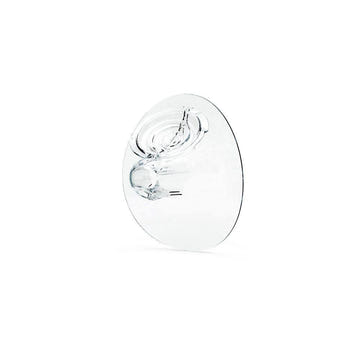
Healthy Horizons Elvie Pump Breast Shields 2 Pack 21...
$29.99
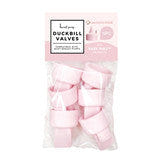
Bae & Bee Boutique Duckbill Valve Pink Replacement F...
$14.00
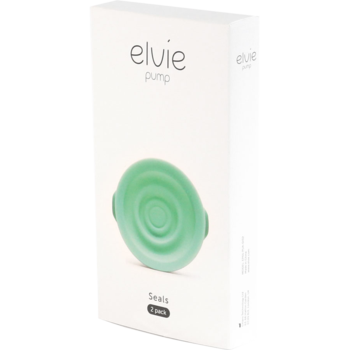
Healthy Horizons Elvie Pump Seals 2 Pack Spare Diaph...
$16.99
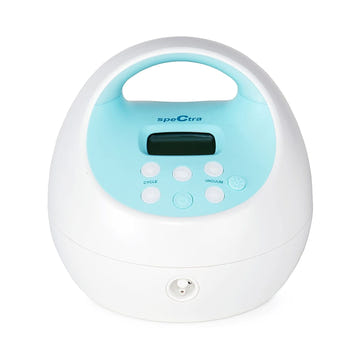
LL Medico Spectra S1 Plus Rechargeable Double Electr...
$216.00
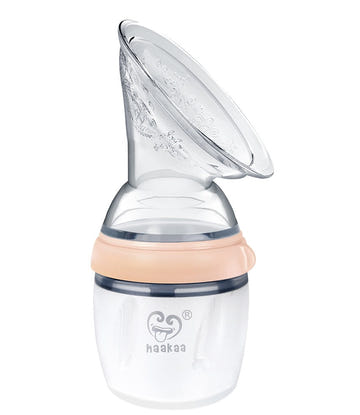
Haakaa Silicone Breast Pump Generation 3 160ml 250ml
$28.99
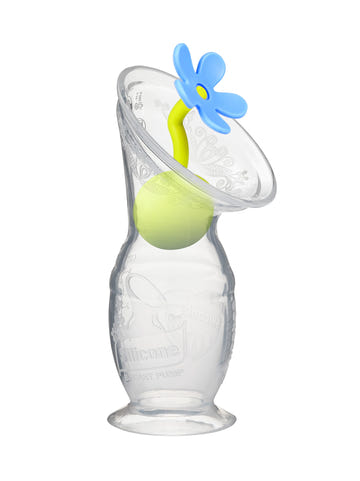
Haakaa Gen 2 Silicone Breast Pump 4 oz with Suction ...
$26.99
How to Shorten Sessions Safely After Supply Is Established
Once your baby is past the three to four month mark and your supply has been stable for at least four to six weeks, many moms can safely trim session length without losing output. Here is how to do it without triggering a supply dip:
Wait for the Right Window
Do not attempt to shorten sessions during a growth spurt, illness (yours or baby's), or any period of unusual stress. Your body is more vulnerable to supply changes during those times.
Reduce by Two to Three Minutes at a Time
If you are currently pumping for twenty minutes, drop to seventeen or eighteen minutes for one full week before reducing further. Watch your daily output numbers. A decrease of more than ten percent over three to five days is a signal to add time back.
Prioritize Full Drainage Over Speed
The goal of shortening sessions is efficiency, not skimping. Use breast massage and compression during the session to encourage faster letdown and more complete drainage in less time. A fifteen-minute well-drained session beats a twenty-minute lazy session every time.
Keep Session Frequency Steady
Shorten duration before you consider dropping a session entirely. Dropping frequency is a much bigger supply risk than trimming a few minutes per session. If you eventually want to drop from three sessions to two during your workday, do that gradually after your supply has been stable for two or more months at the shorter duration.
Calendar-Blocking Tips for Your Pumping at Work Schedule
Logistics matter as much as biology when it comes to a sustainable pumping at work schedule. These calendar strategies have helped thousands of working moms in the Moogco community stay consistent:
Create Recurring Blocks With a Neutral Title
Add your pump sessions as recurring calendar events labeled "Break," "Personal," or "Focus Time." You are not obligated to explain what the block is for, and a visible hold prevents coworkers from scheduling over it.
Build a Five-Minute Buffer on Each Side
Block twenty-five to thirty minutes for a twenty-minute session. The extra time accounts for walking to the lactation room, setting up, cleaning flanges, and returning. Running late to a meeting because of a pumping session adds unnecessary stress that can inhibit letdown.
Share Selectively With Your Manager
You do not need to share details with your whole team, but a brief private conversation with your direct manager about your break schedule goes a long way. Most managers in 2026 are familiar with pumping rights and appreciate a heads-up rather than unexplained absences.
Keep a Backup Plan for Conflict Days
Flag two or three alternative quiet spots in your building in case your usual lactation room is occupied. Knowing your backup removes the panicked scramble and keeps your session on time.
Set a Phone Alarm as a Non-Negotiable Reminder
Even with calendar blocks, it is easy to get absorbed in a project and blow past your start time. A phone alarm labeled "Time to pump" that fires five minutes before each scheduled session acts as a reliable nudge that does not depend on checking your calendar.
Try Moogco Silver Nursing Cups - natural breastfeeding comfort
Shop NowProtecting Your Comfort Between Sessions
A pumping at work schedule protects your supply, but what happens to your nipples and breast tissue between sessions matters just as much for your long-term comfort and commitment to breastfeeding. Extended time in damp breast pads, friction from standard bra fabric, and the repeated suction of pumping can all contribute to soreness and irritation. If you are experiencing sore nipples from pumping, addressing that quickly prevents a cycle where pain leads to shorter sessions, which leads to supply issues.
Moogco Silver Nursing Cups are crafted from 999 fine silver, which is the purest grade available and carries natural antimicrobial and soothing properties that standard breast pads simply cannot replicate. Many moms in our community wear them between pumping sessions at work to soothe tissue, prevent friction against bra fabric, and stay comfortable through the entire shift. They are discreet, reusable, and require no cream or extra product.

Featured pick from Moogco
Little Martin’s Electric Breast Milk Pump for breast feeding – Rechargeable Battery for Travel
$129.99
Shop this pick → Frequently Asked Questions
How many times should I pump at work for an 8-hour shift?
Most moms need two to three pumping sessions during an 8-hour workday to maintain supply. Following the every-3-hours rule, a typical schedule includes sessions at mid-morning, lunch, and mid-afternoon, keeping intervals consistent and milk removal regular.
What is the every-3-hours rule for pumping?
The every-3-hours rule means you should pump or nurse at least once every three hours, counting from the start of one session to the start of the next. This mimics a baby's natural feeding rhythm and prevents the buildup of feedback inhibitor proteins that signal your body to reduce milk production.
How long should each pumping session be at work?
Most pumping sessions at work last 15 to 20 minutes. Once supply is well established, typically after 3 to 4 months, many moms can reduce to 12 to 15 minutes per session by using breast massage and compression techniques to encourage faster, more complete drainage.
Can I pump every 4 hours at work instead of every 3?
Stretching to 4 hours occasionally is unlikely to cause lasting harm once supply is established, but doing it regularly is one of the most common causes of gradual supply decline in working moms. If your shift makes 3-hour intervals impossible every day, aim to compensate with an extra session in the morning or evening at home.
How do nurses pump during a 12-hour shift?
Nurses and healthcare workers pumping during a 12-hour shift typically aim for 4 sessions spread roughly every 3 hours. The PUMP for Nursing Mothers Act gives all employees the legal right to reasonable break time and a private non-bathroom space for pumping. Communicating your schedule to your charge nurse at the start of each shift helps ensure coverage so you can step away consistently.
You Have Got This
Building a pumping at work schedule that actually holds up in real life takes a little planning upfront and a lot of self-compassion along the way. Use the sample schedules above as a starting point, adjust them to fit your actual shift and commute, and give yourself two to three weeks to settle into a rhythm before evaluating what is and is not working. Supply fluctuates, schedules shift, and some days will be harder than others. That is normal and expected.
The moms in our community who breastfeed longest while working full time share one trait: they treat their pump schedule as non-negotiable from week one. You are doing something remarkable for your baby, and you deserve a toolkit that makes it easier. For everything else you need to know about pumping through your workday, visit our complete pumping at work guide, backed by 200,000+ cups sold since 2020 and updated for 2026.
Less worry. More wonder.
Try Moogco Silver Nursing Cups - natural breastfeeding comfort
Shop NowAbout the Editor
Eda Ulger is the editor at Moogco Baby and a mom of two. She curates and edits our guides so every piece is honest, practical, and genuinely helpful for the early days of motherhood.
Shop This Story
Picks related to this guide, ready to ship from Moogco.
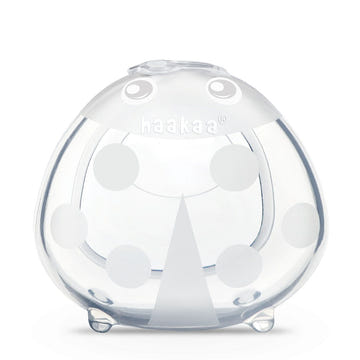
Haakaa Ladybug Silicone Milk Collector 2.5 oz 75 ml
$17.99
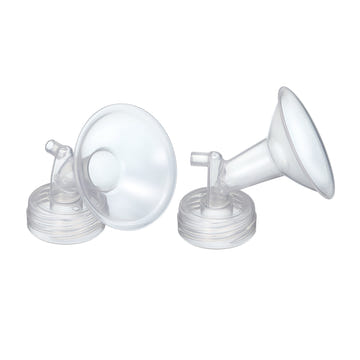
Cimilre Breast Shields set of two 21mm 24mm 28mm 32mm
$19.99
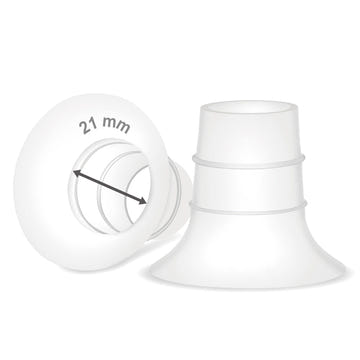
Bae & Bee Boutique Maymom Elvie Flange Inserts Semi-...
$6.00
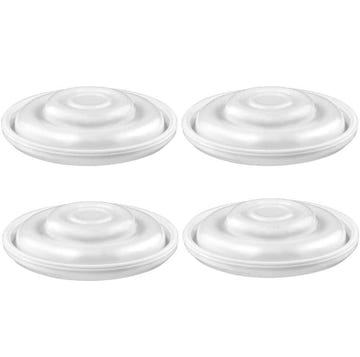
Bae & Bee Boutique 4pc Maymom Silicone Membrane for ...
$10.00
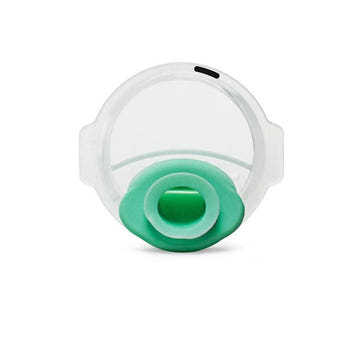
Healthy Horizons Breastfeeding Centers Elvie Pump Sp...
$16.99
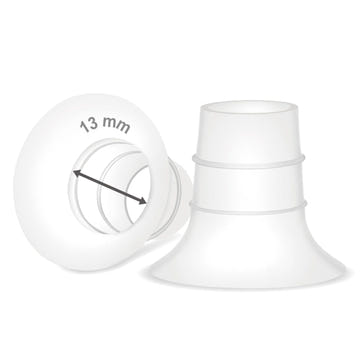
Healthy Horizons Maymom Flange Short Inserts 2 Pack ...
$14.99
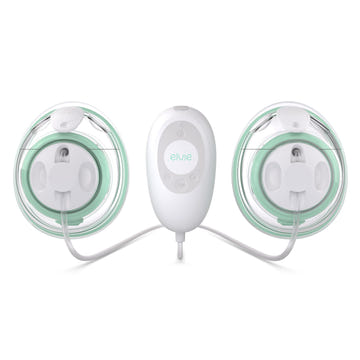
Healthy Horizons Elvie Stride wearable hands-free br...
$189.99

Healthy Horizons Elvie Double Electric Wearable Brea...
$549.99
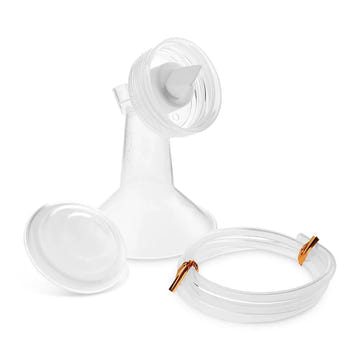
Spectra Wide Neck Breast Flange Kit
$15.99
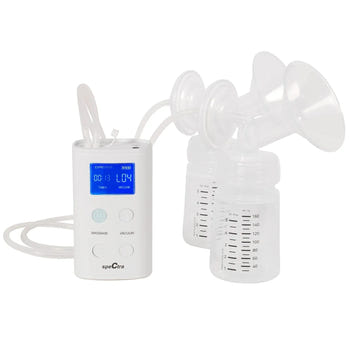
LL Medico Spectra 9 Plus Premier Portable Rechargeab...
$194.00