


Postpartum recovery is the physical and emotional healing process after childbirth, and the first 6 weeks are the most important window for rest, gentle care, and support. Your body has done something enormous, and recovery deserves as much planning as the nursery did.
This guide walks through what to expect week by week, the self-care essentials worth having on hand, and the warning signs that mean you should call your provider. It is general guidance, not medical advice, please follow your own care team.
What to expect in the first 6 weeks
| Timeframe | What is happening | Focus on |
|---|---|---|
| Days 1 to 7 | Bleeding, cramping, soreness, big emotions | Rest, pads, peri care, hydration |
| Weeks 2 to 3 | Bleeding lightens, baby blues may peak | Gentle movement, support, sleep when you can |
| Weeks 4 to 6 | Energy slowly returns, skin and body shift | Skin care, light activity, the 6-week checkup |
| Beyond 6 weeks | Pelvic floor and core still healing | Patience, gradual rebuilding, mental health |
Picks From This Story
Picks related to this guide, ready to ship from Moogco.
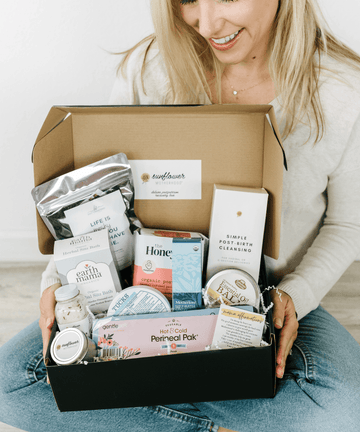
Sunflower Motherhood Deluxe Postpartum Recovery Box ...
$149.00
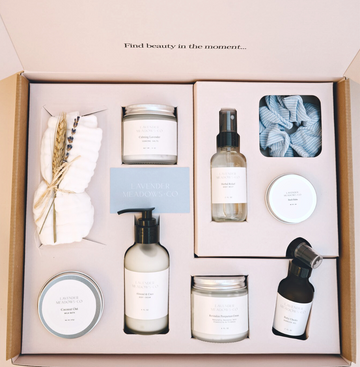
Lavender Meadows Co Postpartum Care Package Deluxe G...
$146.00
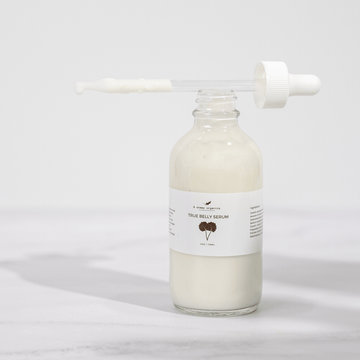
True Belly Serum
$47.00
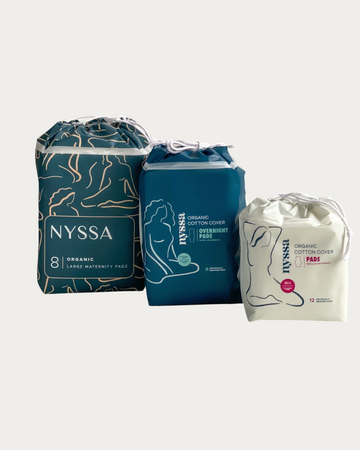
Nyssa Complete Organic Cotton Cover Pads Trio Postpa...
$25.00
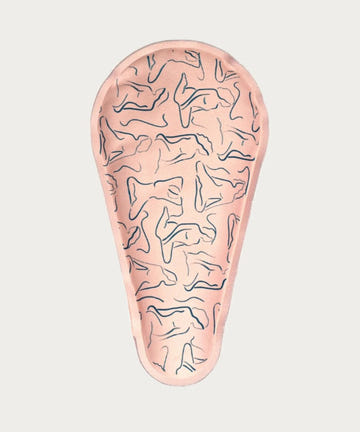
Nyssa Between Legs Perineal Ice Heat Pack for Postpa...
$15.00
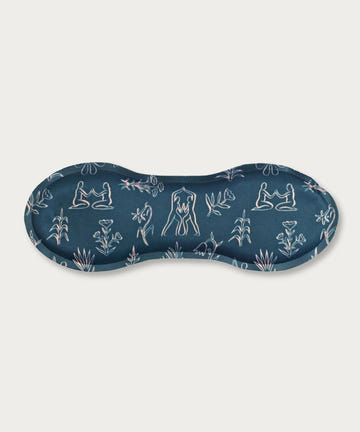
Nyssa Uterine Reusable Ice & Heat Pack contoured for...
$15.00
Postpartum self-care essentials

1. The basics, sorted in one box
A ready-made kit like the Sunflower Postpartum Recovery Box ($79) gathers the early essentials so you are not scrambling. For surgical births, the Deluxe C-Section Recovery Box ($149) is tailored to incision healing.
2. Perineal and bleeding care
Soothing options like The Honey Pot Postpartum Herbal Pads ($12.80) bring cooling comfort to a tender perineum in those first tender days.
3. Comfortable, supportive underwear
High-waisted, breathable underwear is a small thing that feels huge. The Kindred Bravely High-Waisted Postpartum Underwear Pack ($36.90) sits gently above a C-section incision and holds pads in place.
4. Skin and rest
Your skin is adjusting too. A calming Organic Sleepy Body Lotion by 8 Sheep ($29) turns a few quiet minutes into real self-care, and the 2-Step Stretch Mark Bundle ($69) supports changing skin.
Caring for your mind, not just your body
The baby blues are common in the first two weeks. If sadness, anxiety, or hopelessness lingers or deepens, that may be postpartum depression or anxiety, both common and treatable. Reaching out is a sign of strength, not failure. While you heal, a gentle, comfortable feeding routine helps too: if you are nursing, see our guide to soothing sore nipples.
More Related Picks
A few more favorites from the same collection.
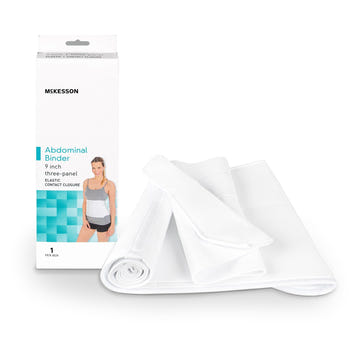
LL Medico McKesson Abdominal Binder Small Medium Whi...
$14.99
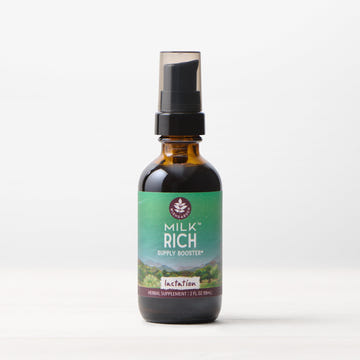
WishGarden Herbs Milk Rich Supply Booster pump top b...
$26.99
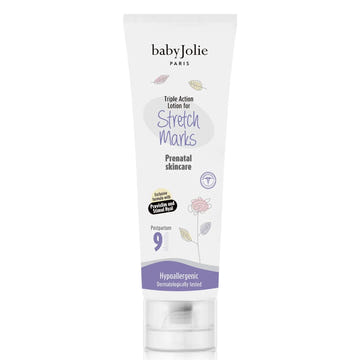
Baby Jolie Paris Triple Action Stretch Marks Cream 7...
$29.99
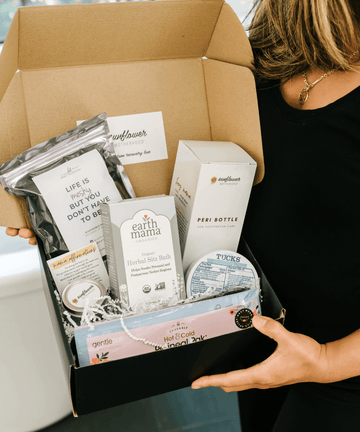
Sunflower Motherhood Postpartum Recovery Box full-si...
$79.00
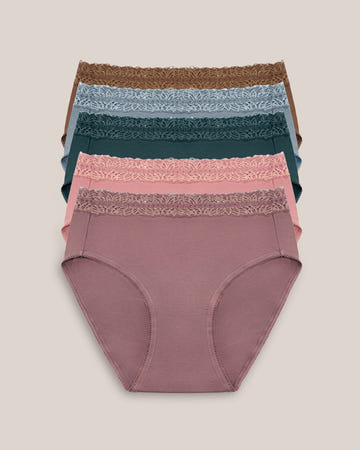
Kindred Bravely High-Waisted Postpartum Underwear Pa...
$36.90
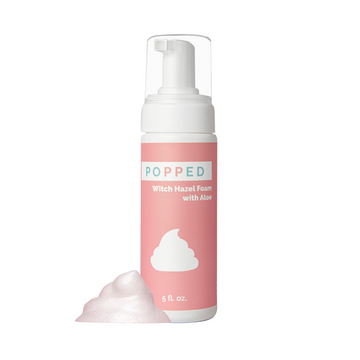
Popped Witch Hazel Foam with Aloe 5 fl oz Postpartum...
$12.99
When to call your provider
- Soaking more than one pad an hour, or passing large clots
- Fever, or a hot, painful incision or perineum
- Severe headache, chest pain, or trouble breathing
- Calf pain, redness, or swelling
- Feelings of hopelessness, or thoughts of harming yourself or your baby
Frequently asked questions
How long does postpartum recovery take?
Initial physical recovery typically takes about 6 weeks, which is why the first checkup is usually scheduled then. Full recovery, including pelvic floor, core strength, and emotional adjustment, often takes several months or longer, especially after a C-section. Healing is not a race.
What do I actually need for postpartum recovery at home?
The essentials cover bleeding and perineal care (maternity pads, a peri bottle, soothing spray or herbal pads), comfortable high-waisted underwear, skin care for a changing body, rest, and support. Many parents find a ready-made postpartum recovery box covers the basics in one go.
How is C-section recovery different?
A C-section is major abdominal surgery, so recovery includes incision care, more limits on lifting and movement, and often a longer timeline. High-waisted underwear that sits above the incision and gentle support garments can make a real difference in comfort.
When should I call my doctor after birth?
Call your provider for heavy bleeding (soaking a pad in an hour), fever, a hot or painful incision or perineum, severe headaches, chest pain or trouble breathing, or feelings of hopelessness or thoughts of harming yourself or your baby. When in doubt, reach out, it is always okay to ask.
Is it normal to feel emotional after giving birth?
Yes. The baby blues, with mood swings and tearfulness, are very common in the first two weeks. If low mood, anxiety, or hopelessness lasts longer or feels intense, it may be postpartum depression or anxiety, which are common and treatable. Talk to your provider.
For Moogco Mamas
Take 15% off your first order
Use code MAMA15 at checkout. Free US shipping on orders $100+.
Shop Postpartum CareThe bottom line
Give yourself the same gentleness you give your baby. Rest, stock the essentials before birth if you can, lean on support, and call your provider when something feels off. Explore our Postpartum Care and Mom Care collections to build your recovery kit.
Shop This Story
Picks related to this guide, ready to ship from Moogco.
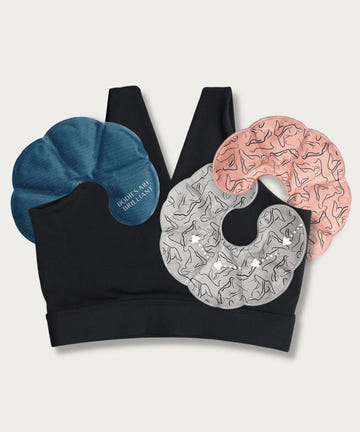
Nyssa FourthWear Postpartum Bralette and Breast Ice ...
$56.00
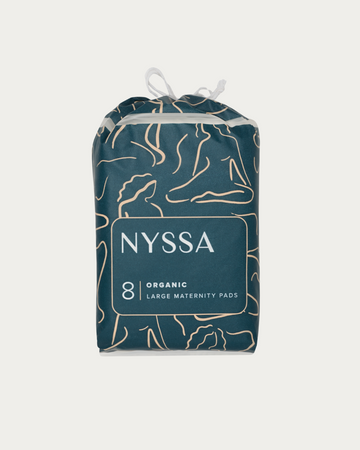
Nyssa Complete Coverage Organic Cotton Postpartum Pa...
$9.00
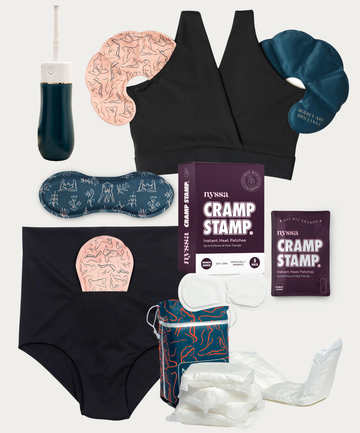
Nyssa Classic Black Essential Postpartum Kit 8-piece
$150.00
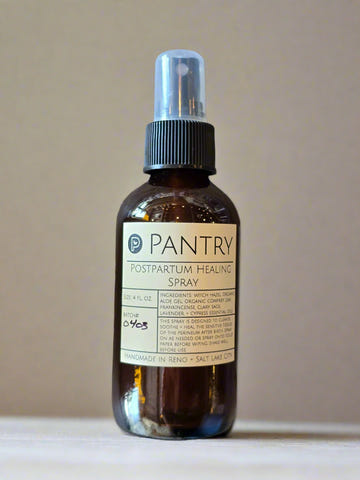
Postpartum Healing Spray - Perineum Recovery
$17.00
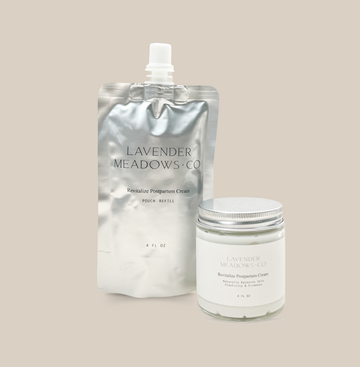
Lavender Meadows Co Revitalize Postpartum Cream Refi...
$30.00
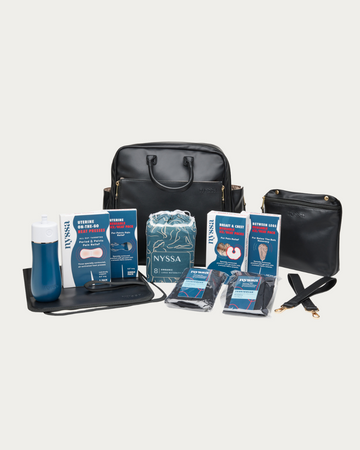
Nyssa Mother Bag + Essential Postpartum Kit Vegan Le...
$210.00
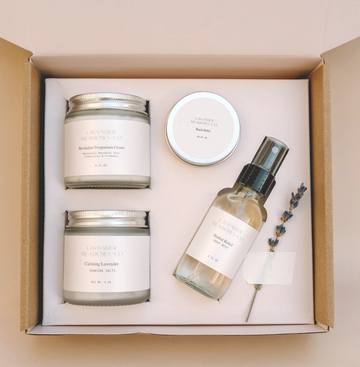
Lavender Meadows Co Postpartum Care Package organic ...
$70.00
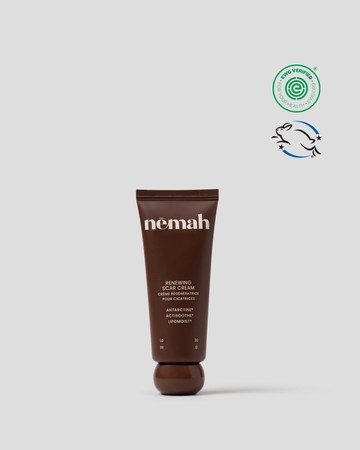
Nēmah Renewing Scar Cream for Pregnancy Breastfeedin...
$34.00
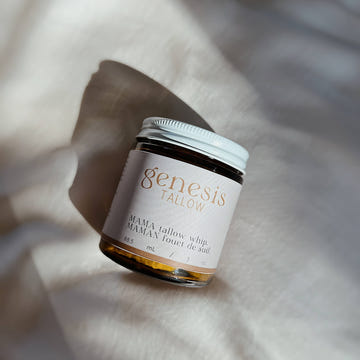
Hello Postpartum All-Natural Whipped Tallow Belly Bu...
$40.00
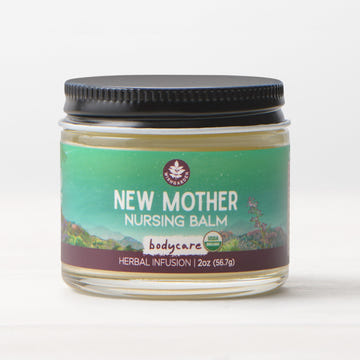
WishGarden Herbs New Mother Nursing Balm USDA Organic
$14.99