


Breastfeeding is one of the most natural and beneficial ways to nourish an infant, offering a multitude of health benefits for both mother and child. However, the key to successful breastfeeding lies in the correct latching of the baby onto the breast. Proper latching not only ensures that the baby receives adequate milk but also contributes to the comfort and health of the mother. In this blog, we will explore why correct latching is essential, the consequences of improper latching, and how Moogco silver nursing cups can provide crucial support for breastfeeding mothers.
Why Correct Latching is Crucial
-
Efficient Milk Transfer: When a baby is correctly latched onto the breast, they can effectively compress the milk ducts, ensuring a steady flow of milk. This not only helps the baby to gain weight and grow properly but also ensures they are satisfied and less fussy.
-
Comfort for the Mother: Proper latching minimizes the risk of nipple pain and soreness. When the baby is correctly attached, the nipple is positioned far back in the baby’s mouth, reducing friction and preventing damage to the sensitive skin around the nipple.
-
Stimulating Milk Production: A good latch stimulates the breast more effectively, promoting the production of prolactin and oxytocin, hormones crucial for milk production and let-down. This ensures a sufficient milk supply for the baby’s needs.
Consequences of Improper Latching
-
Nipple Pain and Damage: One of the most immediate and painful consequences of poor latching is nipple soreness and cracking. This can lead to severe discomfort, making breastfeeding sessions distressing and challenging for the mother.
-
Inadequate Milk Intake: If a baby is not properly latched, they may not get enough milk, leading to poor weight gain and potential developmental issues. This can also result in more frequent feedings as the baby remains hungry, causing additional stress for both mother and child.
-
Blocked Ducts and Mastitis: Improper latching can lead to incomplete emptying of the breast, resulting in blocked milk ducts. This can progress to mastitis, a painful infection of the breast tissue that often requires medical treatment and may disrupt breastfeeding.
The Role of Moogco Silver Nursing Cups
At Moogco, we understand the challenges that breastfeeding mothers face, particularly when dealing with the consequences of improper latching. Our silver nursing cups are designed to provide relief and protection for sore, cracked nipples. Here’s how they help:
-
Healing Properties: Made from pure silver, our nursing cups have natural antibacterial, antifungal, and antiviral properties. They help to prevent and heal nipple infections without the need for creams or lotions.
-
Comfort and Protection: The smooth surface of the cups provides a protective barrier, reducing friction and allowing the skin to heal naturally. This is especially beneficial for mothers experiencing pain and damage from poor latching.
-
Ease of Use: Moogco silver nursing cups are easy to use and can be worn discreetly under a bra, making them a convenient solution for ongoing nipple care.
In conclusion, ensuring a correct latch is fundamental to a successful and fulfilling breastfeeding journey. It promotes effective milk transfer, prevents discomfort, and supports the overall health and well-being of both mother and baby. Should you encounter difficulties, Moogco silver nursing cups offer a practical and effective solution to help you continue breastfeeding with confidence and comfort. Remember, a good latch is the first step to a healthy start!
Curated by moms, vetted by lactation pros
Everything for the breastfeeding journey
Take 25% off at checkout, applied automatically when you shop through this link.
Shop with MAMA25 →Free US shipping over $100. Code applies automatically at checkout.
Bring this guide home with 25% off.
Use code MAMA25 for 25% off →
Featured pick from Moogco
MOOGCO Silver Nursing Cups 999k Silver - BPA-Free for Babies & Toddlers
$46.90 $52.90
Shop this pick → Frequently Asked Questions
How can I tell if my baby has a proper latch?
A proper latch means your baby's mouth is wide open with both lips flanged outward, covering more of the areola below the nipple than above. You should hear rhythmic sucking and swallowing sounds, and breastfeeding should feel comfortable after the initial few sucks. If you're experiencing ongoing pain beyond the first few seconds, your baby may need repositioning for a better latch.

Picks From This Story
Picks related to this guide, ready to ship from Moogco.

momjug breastfeeding water bottle 50oz double-wall s...
$49.99
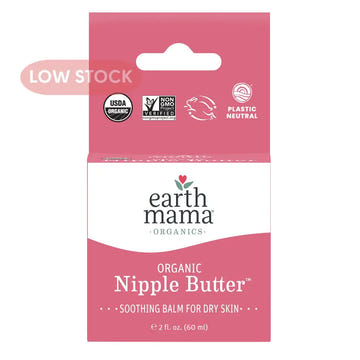
Organic Nipple Butter™ - Double-Sided for Kids
$14.99
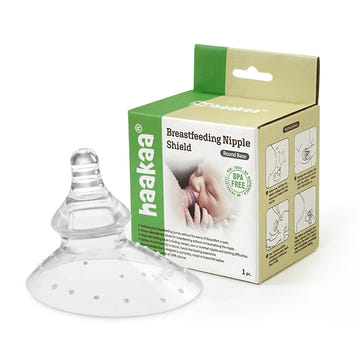
Haakaa Silicone Breastfeeding Nipple Shield Round Sh...
$19.05
Bae & Bee Boutique LactTube 5FR Pediatric Feeding Tu...
$3.00
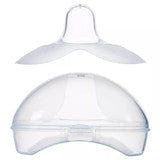
Bae & Bee Boutique Cherry Shaped Nipple Shield 21mm ...
$14.00
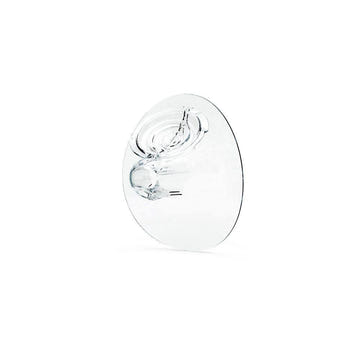
Healthy Horizons Elvie Pump Breast Shields 2 Pack 21...
$29.99
What should I do immediately if latching causes severe nipple pain?
If you experience sharp or severe pain, gently break the suction by inserting your clean finger into the corner of your baby's mouth and try again. Don't push through intense pain, as this can lead to cracked nipples and make breastfeeding harder. After feeding, apply expressed breast milk to your nipples and consider using silver nursing cups to promote healing between sessions.
Can a tongue tie affect my baby's ability to latch correctly?
Yes, tongue tie can significantly impact latching because it restricts the movement of your baby's tongue, preventing them from extending it properly over the lower gum. This can lead to shallow latching, nipple pain, and inadequate milk transfer. If you suspect a tongue tie, consult with a lactation consultant or your pediatrician for evaluation and potential treatment options.
How long does it typically take for sore nipples to heal?
With proper care and an improved latch, mild nipple soreness usually improves within a few days to a week. More severe cracking or damage may take one to two weeks to heal completely. Using silver nursing cups can accelerate healing thanks to their natural antibacterial properties, while also protecting your nipples from friction against clothing between feedings.
Is it normal for breastfeeding to hurt in the first few weeks?
Some tenderness during the first few days as you and your baby learn is common, but breastfeeding should not be consistently painful. Brief discomfort during the initial latch may occur, but ongoing pain throughout the feeding indicates a problem, usually with positioning or latch. Early intervention with a lactation consultant can help you correct issues before they lead to damage or supply problems.
More Related Picks
A few more favorites from the same collection.

Mila's Keeper Silicone Breast Milk Bottle 6 oz Stand...
$36.00
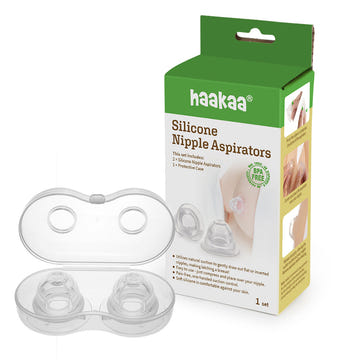
Haakaa Silicone Inverted Nipple Aspirators 2 pk
$17.99
bbhugme Pregnancy Pillow Dusty Olive Adjustable Firm...
$219.00
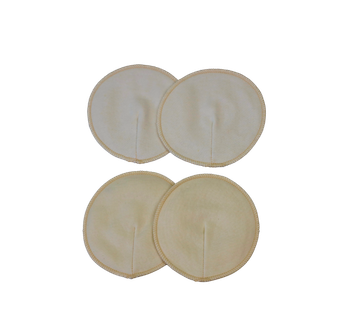
Babee Greens Contoured Nursing Pads 1 Pair Organic C...
$7.25
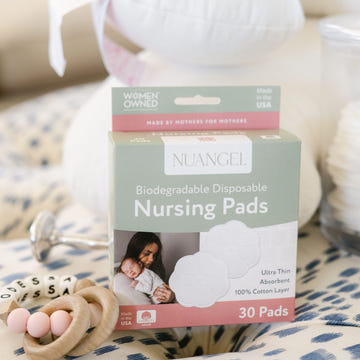
NuAngel Plant-based Disposable Nursing Pads individu...
$9.99
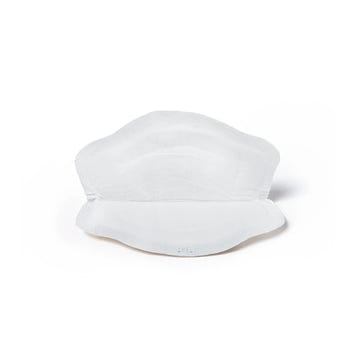
Zomee Breast Pumps Nursing Pads 100 or 200 count
$2.99
What's the difference between a shallow latch and a deep latch?
A shallow latch occurs when the baby only takes the nipple into their mouth, causing friction, pain, and poor milk transfer. A deep latch means the baby has drawn the nipple and a good portion of the areola into their mouth, with the nipple positioned far back near the soft palate. Deep latching is essential for comfortable, effective breastfeeding and adequate milk removal.
Can improper latching affect my milk supply long term?
Yes, poor latching can lead to decreased milk supply over time because ineffective milk removal signals your body to produce less milk. When your baby doesn't empty the breast well, prolactin levels drop, reducing overall production. Correcting the latch and ensuring thorough breast emptying at each feeding is crucial for maintaining a healthy milk supply that meets your baby's growing needs.
Should I use nipple shields if my baby struggles with latching?
Nipple shields can be a temporary tool to help babies latch when facing specific challenges like flat nipples or prematurity, but they should be used under lactation consultant guidance. While they may provide short term relief, they can sometimes reduce milk transfer and supply if used long term. Focus on addressing the root cause of latching difficulty rather than relying on shields as a permanent solution.
From Moogco Studio
Printable and personalized nursery essentials. Designed by moms for moms.


About the Editor
Eda Ulger is the editor at Moogco Baby and a mom of two. She curates and edits our guides so every piece is honest, practical, and genuinely helpful for the early days of motherhood.
Shop This Story
Picks related to this guide, ready to ship from Moogco.

Holistic Lactation Advanced Lactation Formula 30 Ser...
$34.99
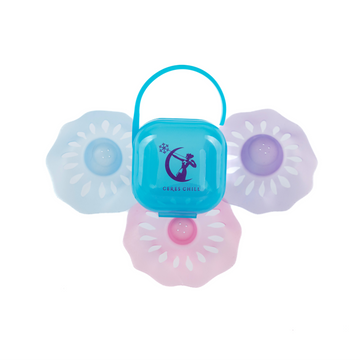
Ceres Chill Shield Maiden Nipple Shields 2pc or 3pc ...
$14.50

WishGarden Herbs Milk Rich Supply Booster pump top b...
$26.99

Wendy Anne Lounger Slip Cover Organic Cotton Waterpr...
$49.00
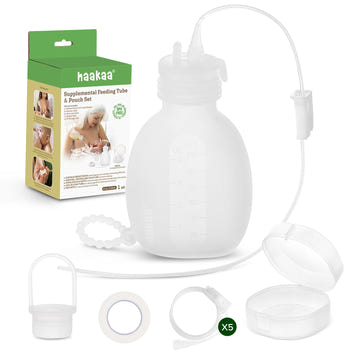
Haakaa Supplemental Feeding Tube and Pouch Set Size ...
$33.99

Milky Mama Dairy Duchess Raspberry Breastfeeding Sup...
$27.00

Preggie Drops Plus Morning Sickness Relief Lollies, ...
$13.75
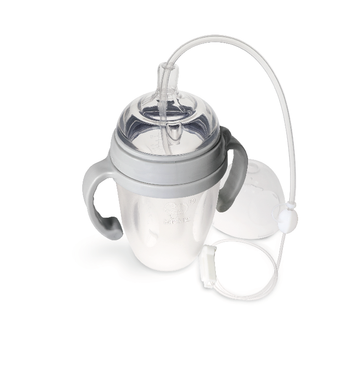
Haakaa Supplemental Feeding Combo 250ml Bottle with ...
$32.99
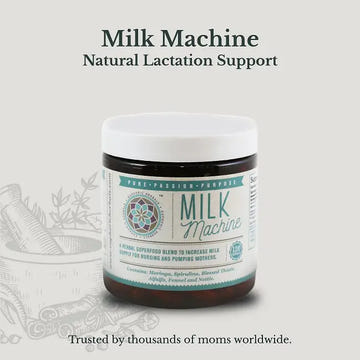
Euphoric Herbals Milk Machine lactation supplement 2...
$19.99
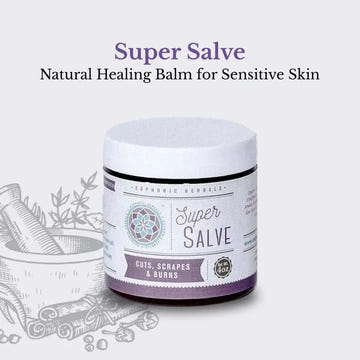
Euphoric Herbals Super Salve Nursing Salve no essent...
$10.00