


Bonding with your baby is more than just a warm, fuzzy feeling—it’s a crucial part of their emotional and neurological development. These early connections form the foundation for lifelong trust, empathy, and secure attachment. In this guide, we explore how bonding works, why it matters, and practical ways to nurture it.
What Is Bonding?
Bonding refers to the deep emotional connection that develops between a parent and their child, typically starting at birth. This attachment influences your baby’s ability to form relationships, regulate emotions, and feel safe in the world.

Dr. Anna Morales, Child Psychologist: “The earliest bonds between parents and babies shape the brain’s architecture for emotional regulation, empathy, and resilience.”
Free US shipping over $100Real essentials, picked by real moms
Take 20% off at checkout, applied automatically when you shop through this link.
Shop with BABY20 →Free US shipping over $100. Code applies automatically at checkout.
Picks From This Story
Picks related to this guide, ready to ship from Moogco.
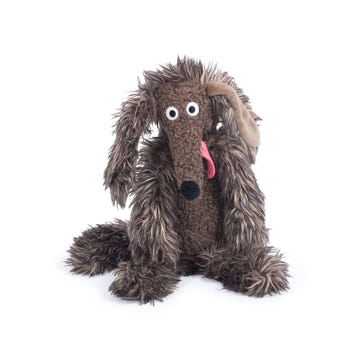
Speedy Monkey Dumpster The Dog medium brown H 14,17 ...
$39.99

Sell My Stuff Elephant Plush Baby Sleep Pillow 30 35...
$40.00
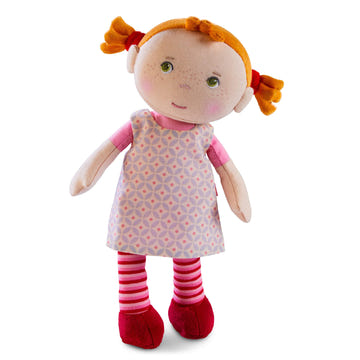
HABA Snug Up Doll Roya 10 inch soft plush doll
$19.99
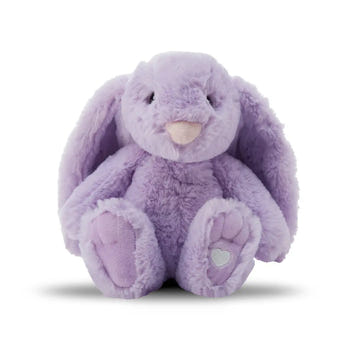
Xander Bunny — Lavender Stuffed Bunny | Weighted Cal...
$45.00
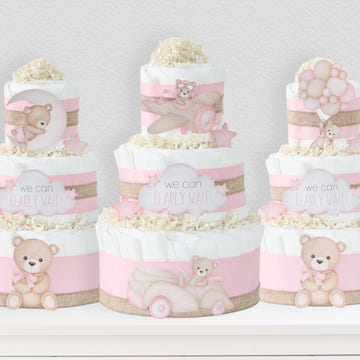
Baby Blossom Company Teddy Bear Diaper Cake Pink Sho...
$85.00
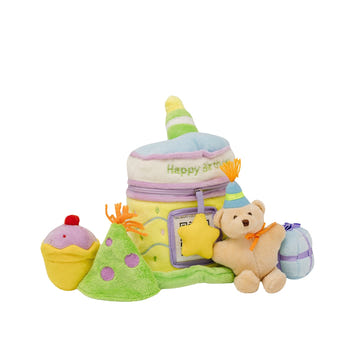
Genius Babies Toys Baby's 1st Birthday Plush Cake Pl...
$19.99
Why Bonding Matters
✔️ Promotes Brain Development: Loving interactions stimulate your baby’s brain, forming neural connections that affect learning and behavior. ✔️ Encourages Emotional Security: Babies who feel safe and loved are more likely to explore, play, and learn. ✔️ Improves Parental Confidence: Building a close bond boosts your intuition and confidence as a caregiver.
Best Ways to Bond with Your Baby
1. Skin-to-Skin Contact
✅ Holding your baby against your bare chest releases oxytocin (the love hormone) and helps regulate their temperature, breathing, and heartbeat.
2. Eye Contact & Facial Mimicry
✅ Look into your baby’s eyes and mirror their expressions. These interactions build emotional understanding and trust.
3. Responsive Feeding
✅ Whether you’re breastfeeding or bottle-feeding, respond to your baby’s hunger cues, maintain eye contact, and speak in soothing tones.
Dr. Rachel Kim, Pediatrician: “Feeding time is a perfect opportunity to connect with your baby emotionally—not just physically.”
4. Talking, Singing & Reading
✅ Narrate your day, sing lullabies, or read picture books. Your baby learns language and social cues through your voice.
5. Babywearing
✅ Keeping your baby close in a carrier strengthens attachment while freeing your hands. It also reduces crying and enhances feelings of safety.
6. Play & Gentle Touch
✅ Simple games like peek-a-boo, baby massage, or softly tickling their toes can trigger joy and bonding.
💡 Tip: Consistency is key. The more often you engage in bonding moments, the deeper the emotional connection.
More Related Picks
A few more favorites from the same collection.

Dumpster The Dog Plush (large) - Stuffed Toy - Mouli...
$59.99
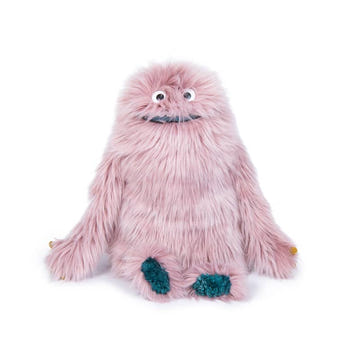
Boubou The Schmouk - Stuffed Toy - Moulin Roty
$119.99
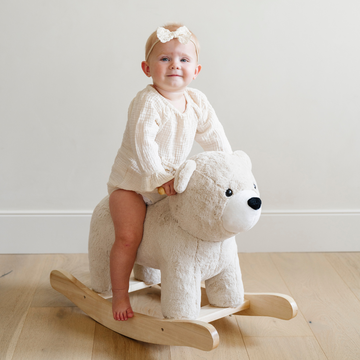
Saranoni Stuffed Animal Rocker Bear Puppy Elephant A...
$159.00
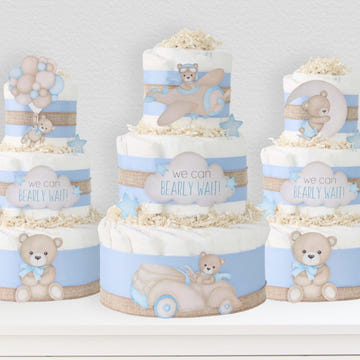
Baby Blossom Company Teddy Bear Diaper Cake Collecti...
$85.00

Wolf "Ecole des loisirs"
$49.99
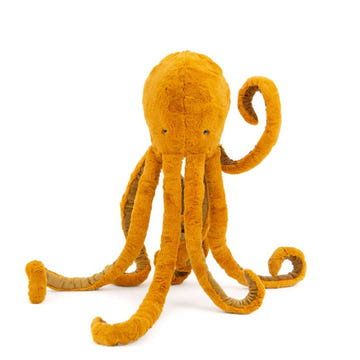
Speedy Monkey Octopus Plush Large Blue H: 27,17 Stuf...
$89.99
What If Bonding Doesn’t Happen Instantly?
It’s normal for some parents—especially after a difficult birth, postpartum depression, or adoption—to take time to feel connected.
✔️ Be patient and gentle with yourself. ✔️ Seek support from a healthcare provider or counselor. ✔️ Focus on small, consistent moments of care and interaction.
Dr. Evelyn Moore, Postnatal Therapist: “Bonding is not a race. It grows through daily acts of love and attention.”
The Role of Moogco Silver Nursing Cups
Breastfeeding is often a powerful bonding experience. If sore nipples are making feeding painful, Moogco Silver Nursing Cups offer antibacterial, natural relief—supporting both comfort and connection.
📌 Try them today: Moogco Silver Nursing Cups on Amazon
Final Thoughts: Bonding Is Built, Not Born
Bonding isn’t about being perfect—it’s about being present. Through consistent care, loving touch, and joyful interaction, you can build a lifelong connection that nurtures your baby’s heart and mind.
🛒 Discover more parent & baby essentials at Moogco Baby.
Bring this guide home with 20% off.
Use code BABY20 for 20% off →
Featured pick from Moogco
MOOGCO Silver Nursing Cups 999k Silver - BPA-Free for Babies & Toddlers
$46.90 $52.90
Shop this pick → Frequently Asked Questions
How long does it take to bond with a newborn?
Bonding is different for every parent and baby. Some feel an instant connection at birth, while for others it develops gradually over weeks or months. What matters most is showing up consistently with love, care, and attention. If bonding feels slow, be patient with yourself and reach out for support if needed.
Can dads and non-birth parents bond as strongly as birthing parents?
Absolutely. Bonding is built through daily caregiving, not biology alone. Dads, partners, and adoptive parents can form deep, secure attachments through skin-to-skin contact, feeding, babywearing, playtime, and responsive care. The key is consistent, loving interaction.
What are signs that my baby is bonding with me?
Your baby may calm when you hold them, make eye contact, smile or coo in response to your voice, and turn their head toward you. They might also snuggle into your chest or stop crying when you pick them up. These are all signs of growing attachment and trust.
Does breastfeeding help with bonding more than bottle feeding?
Both breastfeeding and bottle feeding can be wonderful bonding experiences. What matters most is the closeness, eye contact, and responsive care you provide during feeding, not the method. Focus on being present and attentive, and your baby will feel loved either way.
Can I bond with my baby if I have postpartum depression?
Yes. While postpartum depression can make bonding feel harder, it doesn't mean connection is impossible. Seek professional support, focus on small moments of care like holding or talking to your baby, and be gentle with yourself. Bonding can still grow as you heal.
Is it ever too late to start bonding with my baby?
It's never too late. Babies and children are resilient and responsive to love at any stage. Whether you're recovering from a difficult birth, adopting, or just feeling disconnected, you can always begin building attachment through consistent care, touch, and attention.
How does babywearing help with bonding?
Babywearing keeps your baby close to your heartbeat, warmth, and voice, which promotes feelings of safety and security. It also allows for more face-to-face interaction and responsive caregiving throughout the day. This closeness naturally deepens your emotional connection.
What should I do if my baby seems unresponsive during bonding attempts?
Some babies are naturally more reserved or need more time to warm up. Keep offering gentle touch, eye contact, and soothing sounds without pressure. If your baby consistently seems disengaged or doesn't meet developmental milestones, consult your pediatrician to rule out any concerns.
From Moogco Studio
Printable and personalized nursery essentials. Designed by moms for moms.


About the Editor
Eda Ulger is the editor at Moogco Baby and a mom of two. She curates and edits our guides so every piece is honest, practical, and genuinely helpful for the early days of motherhood.
Shop This Story
Picks related to this guide, ready to ship from Moogco.

Lavender Life Company Xander Dog Lavender Comfort St...
$45.00

Surf Board Plush Toy
$69.00
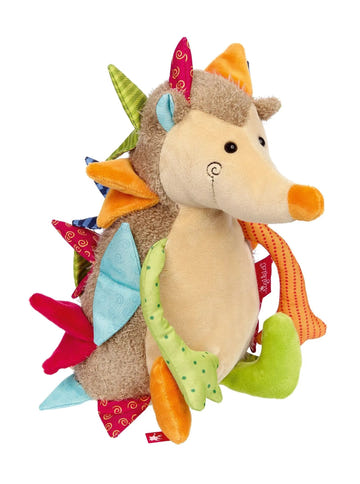
Patchwork Hedgehog Plush Toy
$39.95
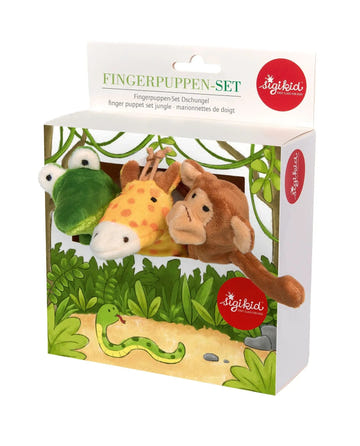
Finger Puppet Set: Jungle
$37.95
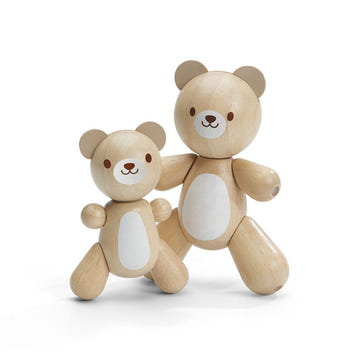
PlanToys Bear and Little Bear Plush Set Movable Limbs
$26.99
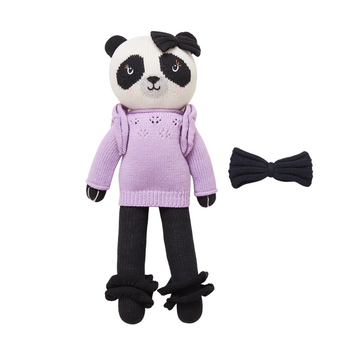
Red and Olive Co Lavender Panda Match Me Set doll 20...
$78.00
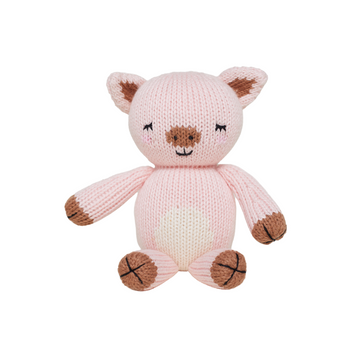
Red and Olive Co Baby Pig 7" Handcrafted Plush Pigle...
$36.00
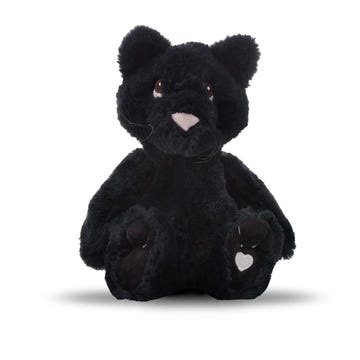
Lavender Life Company Xander Cat Lavender Comfort St...
$45.00
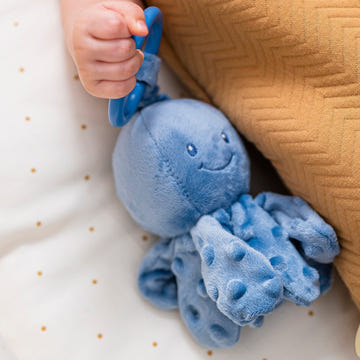
Nattou Vibrating Cuddly Lapidou
$9.95
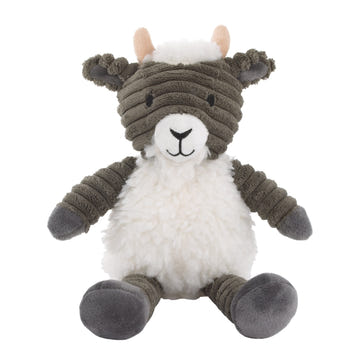
Billy the Goat Grey and White Super Soft Plush Stuff...
$14.99