


The first few years of a baby’s life are critical for brain development. During this period, a baby’s brain forms trillions of neural connections that shape learning, memory, and emotional development. Understanding how to nurture brain growth can help parents provide the best environment for cognitive and emotional well-being.
How the Baby’s Brain Develops
A newborn’s brain is about 25% the size of an adult brain and grows rapidly in the first year. By age three, it reaches about 80% of adult size. This rapid growth is driven by sensory experiences, interactions, and nutrition.

✔️ Synaptic Growth: Babies form new connections every second, influenced by their environment and experiences. ✔️ Neuroplasticity: The brain adapts and reorganizes based on learning and stimuli. ✔️ Sensory Processing: Babies learn by seeing, hearing, touching, and tasting.
Free US shipping over $100
Real essentials, picked by real moms
Take 15% off at checkout, applied automatically when you shop through this link.
Shop with HAPPYSPRING →Free US shipping over $100. Code applies automatically at checkout.
Dr. Lauren Mitchell, Developmental Neuroscientist: “Early brain development is shaped by a mix of genetics and environment. Engaging in responsive caregiving helps strengthen neural pathways.”
Picks From This Story
Picks related to this guide, ready to ship from Moogco.
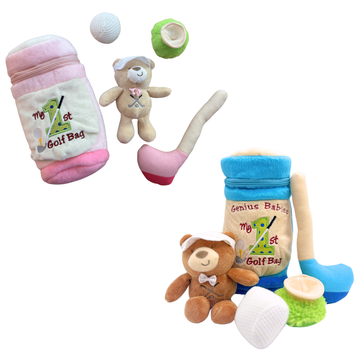
Genius Babies Toys My First Baby Golf Bag Blue or Pi...
$29.99
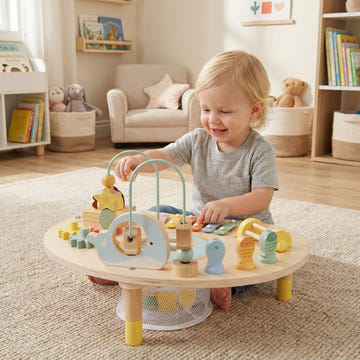
7-in-1 Toddler Activity Table Montessori Sensory Toy...
$39.99
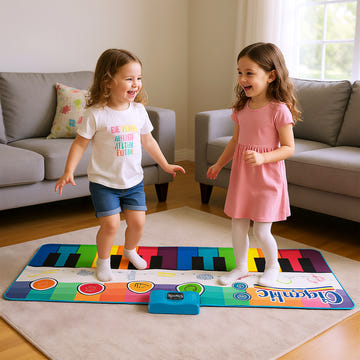
Floor Piano Dance Mat for Kids Musical Playmat with ...
$49.99
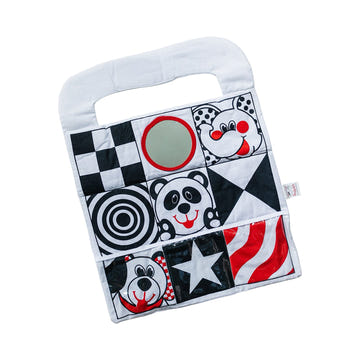
Genius Babies Toys Baby Car Activity Center Reversib...
$20.99
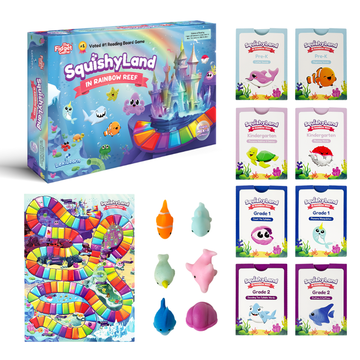
The Fidget Games Squishyland Ages 3 to 8 2 to 6 Players
$39.99
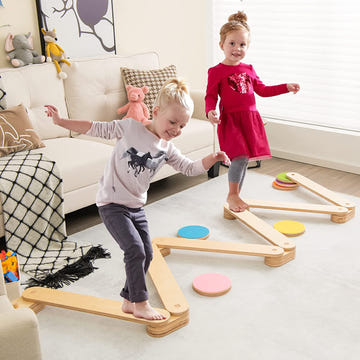
12-Piece Kids Wooden Balance Beam with Colorful Stee...
$47.99
Key Factors That Boost Brain Development
1. Responsive Interaction & Communication
Engaging with your baby through talking, eye contact, and facial expressions strengthens their cognitive skills. ✅ Talk to your baby throughout the day, describing your actions. ✅ Respond to their coos and babbles to encourage language development. ✅ Maintain eye contact and use varied tones to enhance emotional bonding.
2. The Power of Play
Play is essential for problem-solving, memory, and social skills. ✔️ Sensory Play: Let babies explore different textures and sounds. ✔️ Tummy Time: Builds motor skills and spatial awareness. ✔️ Peek-a-Boo & Object Permanence Games: Enhances memory and cognitive flexibility.
Dr. Amanda Brooks, Pediatric Psychologist: “Simple games like peek-a-boo help babies understand object permanence, a crucial cognitive milestone.”
3. Nutrition & Brain Growth
Proper nutrition fuels brain development and cognitive function. Key nutrients include: ✔️ Omega-3 Fatty Acids (DHA): Found in breast milk, fatty fish, and eggs. ✔️ Iron: Supports oxygen flow to the brain; found in fortified cereals and spinach. ✔️ Choline: Aids memory development, present in eggs and dairy. ✔️ Zinc & Vitamin B6: Support neurotransmitter function.
💡 Tip: The AAP recommends breast milk or formula as the primary source of nutrition for the first year, with solid foods introduced around 6 months.
4. Sleep & Brain Development
Sleep is essential for memory processing and learning. 🔹 Newborns: Need 14-17 hours of sleep per day. 🔹 Infants (4-12 months): Require 12-16 hours, including naps. 🔹 Toddlers (1-2 years): Need 11-14 hours.
Dr. Evelyn Carter, Pediatric Sleep Expert: “Sleep helps consolidate learning and strengthens neural connections. Establishing a sleep routine early can support long-term cognitive development.”
5. Minimizing Stress & Creating a Secure Environment
A baby’s brain is highly sensitive to stress. High cortisol levels from prolonged stress can disrupt neural connections. ✔️ Cuddle and comfort your baby when they’re upset. ✔️ Establish routines for feeding, sleeping, and play. ✔️ Provide a calm, safe environment free from excessive noise and overstimulation.
The Role of Moogco Silver Nursing Cups
Breastfeeding provides essential nutrients for brain development, but sore nipples can make feeding difficult. Moogco Silver Nursing Cups help soothe discomfort naturally, ensuring a comfortable breastfeeding journey.
📌 Get yours today: Moogco Silver Nursing Cups on Amazon.
More Related Picks
A few more favorites from the same collection.
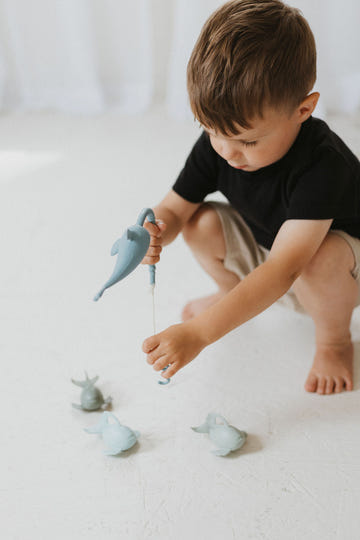
ShopMyLittleSongbird Silicone Fishing Set 3 Fish 1 N...
$15.99
Mini Castles FLORA Ball Pit Balls 3 x 3 x 1.65 inch ...
$25.00
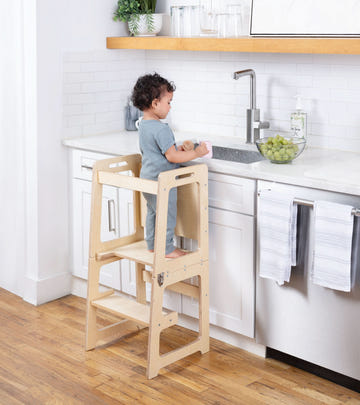
Avenlur 4-in-1 Convertible Toddler Kitchen Tower Des...
$119.00
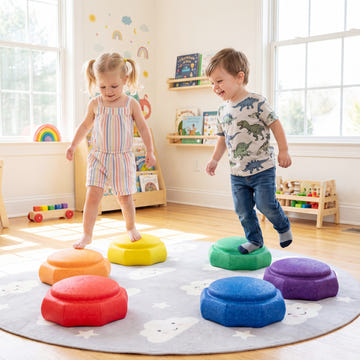
6-Piece Stepping Stones for Kids for Sensory Play an...
$45.99
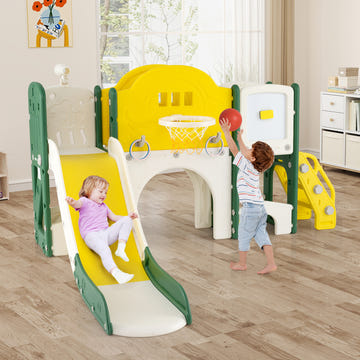
10 in 1 Toddler Slide Set Kids Slide and Climber Pla...
$145.99
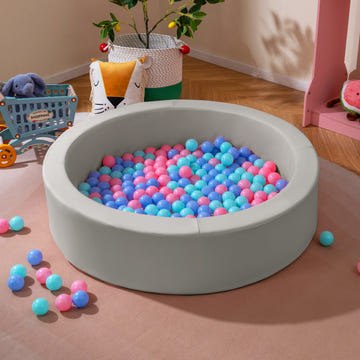
42.5 Inch Round Foam Ball Pits with 25D Sponge Filli...
$71.99
Final Thoughts: Every Interaction Shapes the Brain
A baby’s brain is constantly growing and adapting. By providing a loving, stimulating, and nurturing environment, parents can help lay the foundation for lifelong learning and emotional well-being.
🛒 Find all your baby essentials at Moogco Baby.
Bring this guide home with 15% off.
Use code HAPPYSPRING for 15% off →
Featured pick from Moogco
The Original Silver Nursing Cups with Silicone Pads
$62.90 $74.90
Shop this pick → Frequently Asked Questions
At what age does a baby's brain grow the fastest?
A baby's brain grows most rapidly during the first year of life, reaching about 60% of adult size by 12 months. By age three, it reaches approximately 80% of adult size. This rapid growth period is why early interactions, nutrition, and stimulation are so crucial for lifelong cognitive development.
How does tummy time help with brain development?
Tummy time strengthens neck, shoulder, and core muscles while building spatial awareness and motor planning skills. As babies lift their heads and track objects, they develop visual processing and hand-eye coordination. These physical activities directly stimulate neural pathways that support cognitive and sensory development.
Can reading to my newborn really make a difference?
Absolutely! Even though newborns don't understand words yet, reading exposes them to language patterns, varied vocabulary, and the rhythm of speech. Hearing your voice while seeing pictures stimulates multiple brain regions at once, strengthening neural connections that support later language and literacy skills.
What foods support brain development after starting solids?
Foods rich in omega-3 fatty acids, iron, zinc, and choline are excellent for brain health. Great options include mashed avocado, pureed salmon, egg yolks, fortified cereals, Greek yogurt, and leafy greens. These nutrients support neurotransmitter function, memory formation, and overall cognitive growth during critical developmental windows.
How does stress affect my baby's developing brain?
Prolonged stress triggers elevated cortisol levels, which can interfere with the formation of healthy neural connections and impact memory and learning. Babies need responsive, comforting care to feel secure. Creating predictable routines, responding quickly to distress, and providing a calm environment helps protect their developing brain.
Is it normal for my baby to need so much sleep?
Yes, sleep is when the brain consolidates new learning and strengthens neural pathways formed during awake time. Newborns need 14 to 17 hours daily, while older infants require 12 to 16 hours including naps. Adequate sleep is just as important as nutrition and interaction for healthy brain development.
How early should I start talking to my baby?
Start from day one! Even newborns benefit from hearing your voice, as it builds familiarity and security. Narrate your day, describe what you're doing, and respond to their sounds. This constant language exposure lays the foundation for vocabulary, communication skills, and emotional bonding.
Does music help with baby brain development?
Yes, music engages multiple brain areas simultaneously, supporting auditory processing, memory, and emotional regulation. Singing lullabies, playing gentle music, or even creating rhythms together helps develop pattern recognition and language skills. Music also strengthens the parent and baby bond through shared, joyful experiences.
From Moogco Studio
Printable and personalized nursery essentials. Designed by moms for moms.


About the Editor
Eda Ulger is the editor at Moogco Baby and a mom of two. She curates and edits our guides so every piece is honest, practical, and genuinely helpful for the early days of motherhood.
Shop This Story
Picks related to this guide, ready to ship from Moogco.
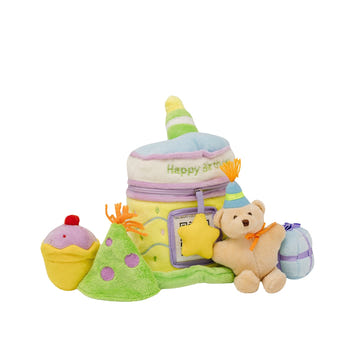
Genius Babies Toys Baby's 1st Birthday Plush Cake Pl...
$19.99
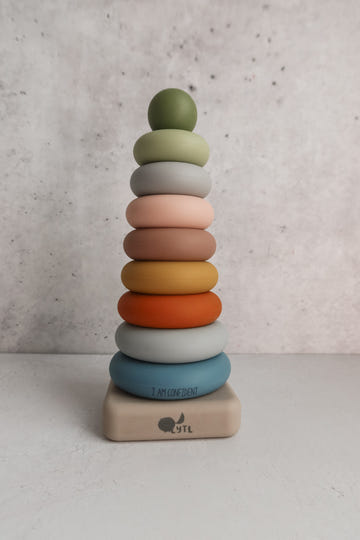
LYTL Silicone Ring Stacking Toy 10pc Food-grade BPA-...
$42.00
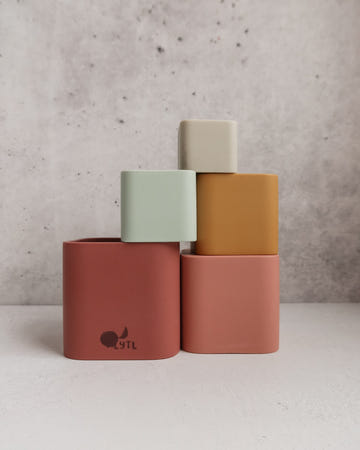
LYTL Silicone Stacking Cups Set of 5 Soft Toy Cups
$22.00
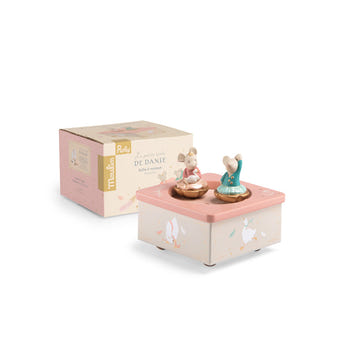
Speedy Monkey Musical Box The Little School of Dance...
$49.99

Comfy Cubs Stacking Blocks 36 Wooden Colorful Rocks
$29.99
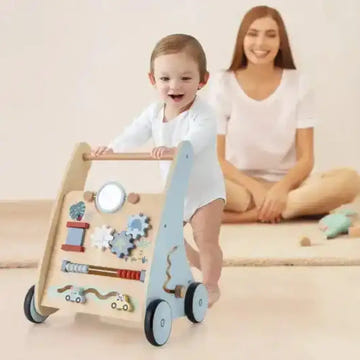
Wooden Baby Push and Pull Walker with Multi-Activity...
$39.99
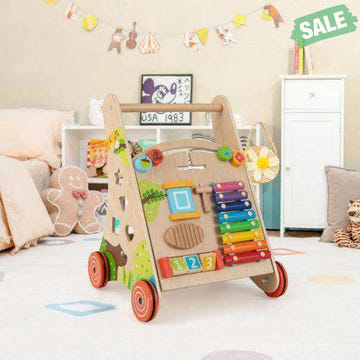
Wooden Push and Pull Baby Walker with Handle and Sto...
$29.99
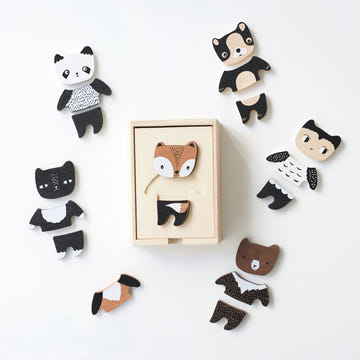
Wee Gallery Mix & Match Animal Tiles 18 Wooden Pieces
$63.95
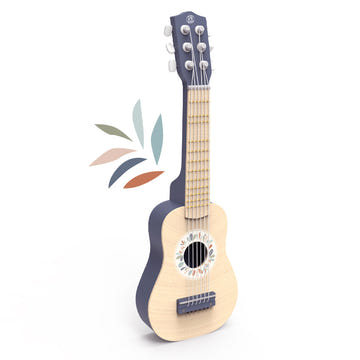
Speedy Monkey Guitar six-string toy multicolor 21.2in
$39.99
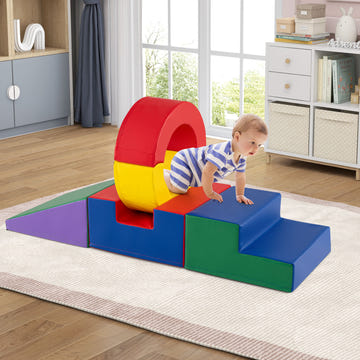
5 Pieces Kids Climbing Toys with PU Leather Cover - ...
$119.99