


The arrival of a new baby is a joyous occasion, but it can also bring a wave of unexpected emotions. For many new mothers, these emotions can manifest as postpartum depression (PPD). This condition is more than just the "baby blues" and can significantly impact a mother's well-being and her ability to care for her baby. This blog post explores what PPD is, its symptoms, and practical tips for managing and seeking help, ensuring a healthier and happier postpartum experience.
What is Postpartum Depression (PPD)?
Postpartum depression is a severe, long-lasting form of depression that can occur after childbirth. Unlike the "baby blues," which typically resolve within a couple of weeks, PPD can persist for months if left untreated. It affects a mother's mood, energy levels, and overall mental health, making it difficult to bond with and care for her baby.
Recognizing the Symptoms of PPD
Persistent Sadness: Feeling overwhelmingly sad or hopeless, often without a clear reason.
Loss of Interest: Losing interest in activities you once enjoyed, including spending time with your baby.
Fatigue: Experiencing extreme fatigue or lack of energy that doesn't improve with rest.
Sleep Disturbances: Having trouble sleeping or sleeping too much, even when your baby is asleep.
Appetite Changes: Significant changes in appetite, either eating too much or too little.
Irritability: Feeling unusually irritable or angry.
Anxiety: Experiencing intense anxiety or panic attacks.
Difficulty Bonding: Struggling to bond with your baby or feeling detached from them.
Feelings of Worthlessness: Feeling worthless or guilty, often accompanied by thoughts of being an inadequate mother.
Thoughts of Harm: Having thoughts of harming yourself or your baby, which requires immediate medical attention.
Practical Tips for Managing PPD
Seek Professional Help: If you suspect you have PPD, it’s crucial to seek help from a healthcare provider. A doctor, therapist, or counselor can provide appropriate treatment, including therapy and medication if necessary.
Build a Support System: Surround yourself with supportive friends and family who can offer help and understanding. Don’t hesitate to ask for assistance with baby care, household chores, or just someone to talk to.
Join a Support Group: Connecting with other mothers who are experiencing PPD can be incredibly beneficial. Support groups provide a safe space to share your feelings and learn from others’ experiences.
Prioritize Self-Care: Taking care of your own needs is vital. Make time for activities that you enjoy and that help you relax, such as reading, taking a bath, or going for a walk.
Rest and Nutrition: Ensure you get enough rest and maintain a healthy diet. Lack of sleep and poor nutrition can worsen PPD symptoms.
Exercise: Physical activity can help improve your mood and reduce stress. Aim for gentle exercise like walking, yoga, or postpartum fitness classes.
Limit Stress: Try to minimize stressors in your life and focus on what you can control. This might mean simplifying your daily routine or saying no to additional responsibilities.
Be Kind to Yourself: Remember that it’s okay to feel overwhelmed. Be patient with yourself and recognize that recovering from PPD takes time.
Moogco Silver Nursing Cups: Supporting Your Breastfeeding Journey
Breastfeeding can be particularly challenging when dealing with PPD. Moogco silver nursing cups are designed to support breastfeeding mothers by providing natural antibacterial protection and promoting healing. These cups can help alleviate discomfort and prevent infections, making breastfeeding a more comfortable and enjoyable experience.
Benefits of Moogco Silver Nursing Cups:
Natural Antibacterial Properties: Silver’s natural antibacterial properties help prevent infections and promote healing, ensuring your nipples stay healthy during breastfeeding.
Smooth Surface: The smooth surface of Moogco silver nursing cups reduces friction and irritation, providing a soothing barrier between your nipples and clothing.
Healing and Comfort: Moogco silver nursing cups are designed to promote healing and provide comfort, making breastfeeding a more enjoyable experience for both you and your baby.
Conclusion
Managing postpartum depression is essential for both your well-being and your baby's. Recognize the symptoms, seek professional help, and build a support system to navigate this challenging period. Remember that you’re not alone, and with the right support and resources, you can overcome PPD and enjoy your new journey as a mother. Embrace your role with confidence, knowing that taking care of your mental health is crucial for providing the best care for your child.
Bring this guide home with 20% off.
Use code BABY20 for 20% off →
Featured pick from Moogco
FourthWear Postpartum Recovery Underwear + Between Legs Perineal Ice/Heat Pack
$53.00
Shop this pick → Frequently Asked Questions
How long does postpartum depression typically last without treatment?
Without treatment, postpartum depression can persist for months or even years, significantly impacting your quality of life and ability to bond with your baby. The duration varies for each mother, but seeking professional help early can dramatically shorten recovery time. Early intervention with therapy, support, and sometimes medication can help you feel better within weeks rather than months.

Can postpartum depression start months after giving birth?
Yes, postpartum depression can begin anytime within the first year after childbirth, not just in the immediate weeks following delivery. Some mothers don't experience symptoms until several months postpartum, especially when hormones continue to fluctuate or when sleep deprivation becomes chronic. If you're experiencing depression symptoms at any point during your baby's first year, it's important to seek help regardless of how much time has passed since birth.
Healing, comfort, and a little softness
Picks From This Story
Picks related to this guide, ready to ship from Moogco.
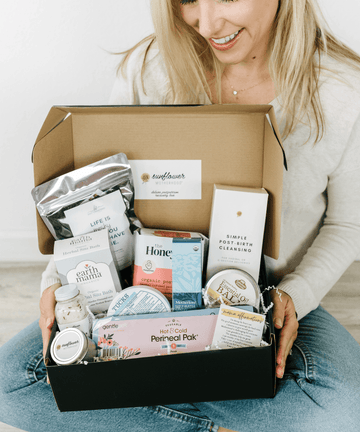
Sunflower Motherhood Deluxe Postpartum Recovery Box ...
$149.00
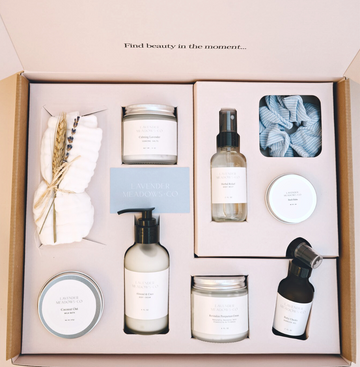
Lavender Meadows Co Postpartum Care Package Deluxe G...
$146.00
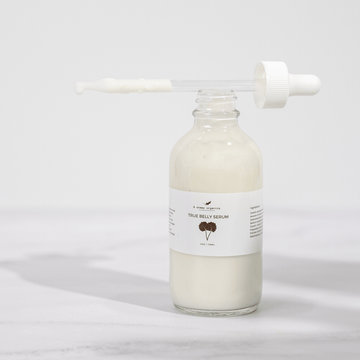
True Belly Serum
$47.00
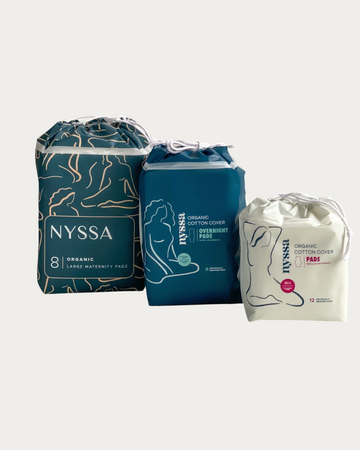
Nyssa Complete Organic Cotton Cover Pads Trio Postpa...
$25.00
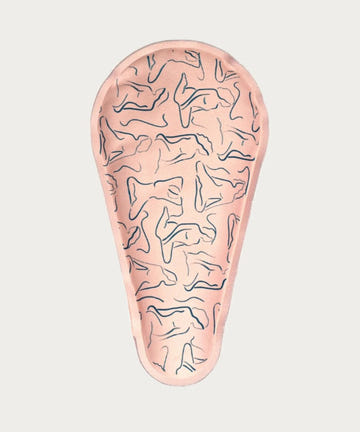
Nyssa Between Legs Perineal Ice Heat Pack for Postpa...
$15.00
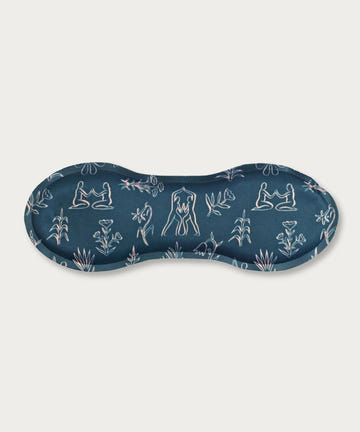
Nyssa Uterine Reusable Ice & Heat Pack contoured for...
$15.00
Postpartum care, finally taken seriously
Take 20% off at checkout, applied automatically when you shop through this link.
Shop with BABY20 →Free US shipping over $100. Code applies automatically at checkout.
Is postpartum depression different from the baby blues?
Yes, the baby blues are much milder and shorter-lived than postpartum depression. Baby blues typically involve mood swings, crying spells, and anxiety that resolve within two weeks after delivery and don't interfere significantly with daily functioning. PPD involves more severe, persistent symptoms that last weeks or months and can make it difficult to care for yourself and your baby, requiring professional treatment.
Can fathers or partners experience postpartum depression too?
Partners may feel overwhelmed, anxious, or depressed due to lifestyle changes, sleep deprivation, and the stress of caring for a newborn. It's important for all parents to monitor their mental health and seek support when needed, as parental depression can affect the entire family.
Will taking medication for PPD affect my ability to breastfeed?
Many medications used to treat postpartum depression are compatible with breastfeeding, and your healthcare provider can help you choose safe options. The benefits of treating PPD often outweigh any minimal risks, as untreated depression can significantly impact your ability to care for and bond with your baby. Always discuss your breastfeeding goals with your doctor so they can prescribe the safest and most effective treatment for your situation.
More Related Picks
A few more favorites from the same collection.
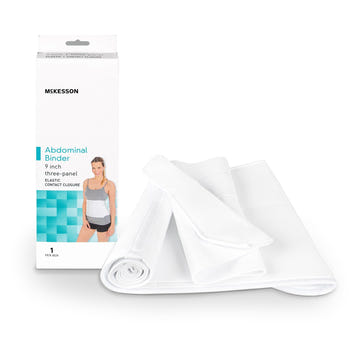
LL Medico McKesson Abdominal Binder Small Medium Whi...
$14.99
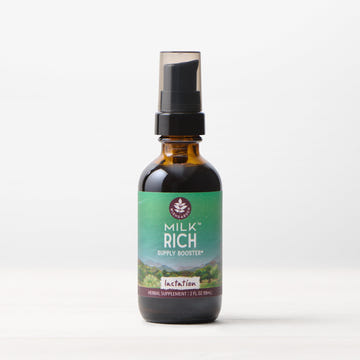
WishGarden Herbs Milk Rich Supply Booster pump top b...
$26.99
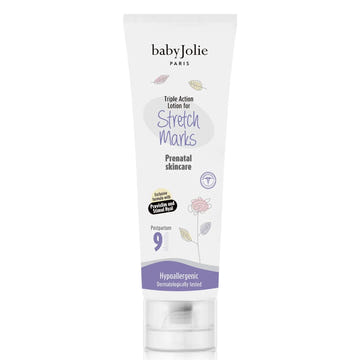
Baby Jolie Paris Triple Action Stretch Marks Cream 7...
$29.99
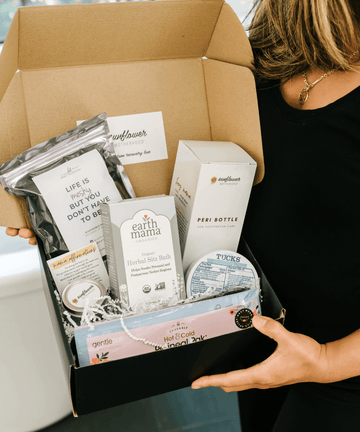
Sunflower Motherhood Postpartum Recovery Box full-si...
$79.00

Kindred Bravely High-Waisted Postpartum Underwear Pa...
$36.90
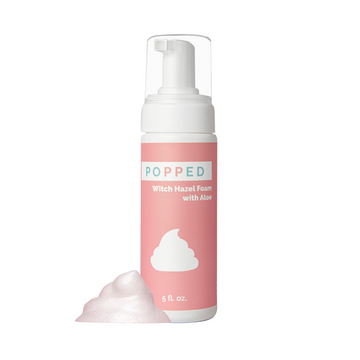
Popped Witch Hazel Foam with Aloe 5 fl oz Postpartum...
$12.99
What should I do if I have thoughts of harming myself or my baby?
If you have thoughts of harming yourself or your baby, seek immediate help by calling emergency services, going to the nearest emergency room, or contacting the National Maternal Mental Health Hotline at 1-833-943-5746. These thoughts are a serious symptom of PPD that requires urgent professional intervention. You are not alone, and immediate treatment can keep you and your baby safe while helping you recover.
Can exercise really help improve postpartum depression symptoms?
Yes, regular physical activity has been shown to reduce symptoms of postpartum depression by releasing endorphins and improving mood, sleep, and energy levels. Even gentle exercise like a 20-minute walk can make a meaningful difference when done consistently. Always get clearance from your healthcare provider before starting any postpartum exercise routine, and start slowly with activities you enjoy to make it sustainable.
How can my partner or family best support me through postpartum depression?
Partners and family can help by listening without judgment, taking over baby care and household tasks to allow you rest, encouraging you to seek professional help, and attending appointments with you if helpful. Practical support like preparing meals, doing laundry, or holding the baby while you shower can reduce daily stress significantly. Most importantly, remind the new mother that PPD is not her fault and that recovery is possible with proper treatment and support.
From Moogco Studio
Printable and personalized nursery essentials. Designed by moms for moms.


About the Editor
Eda Ulger is the editor at Moogco Baby and a mom of two. She curates and edits our guides so every piece is honest, practical, and genuinely helpful for the early days of motherhood.
Shop This Story
Picks related to this guide, ready to ship from Moogco.
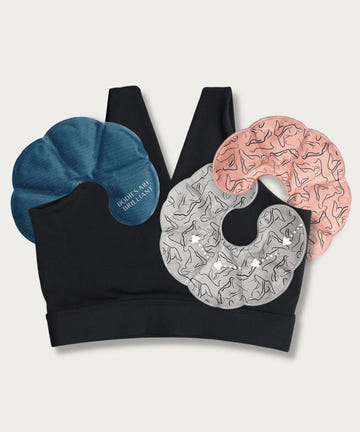
Nyssa FourthWear Postpartum Bralette and Breast Ice ...
$56.00
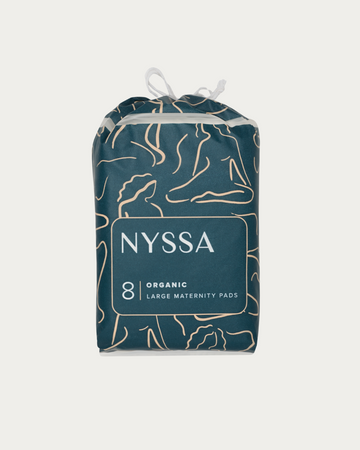
Nyssa Complete Coverage Organic Cotton Postpartum Pa...
$9.00
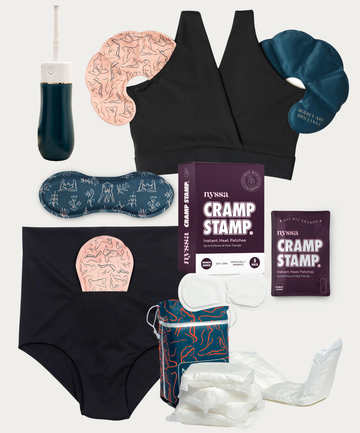
Nyssa Classic Black Essential Postpartum Kit 8-piece
$150.00
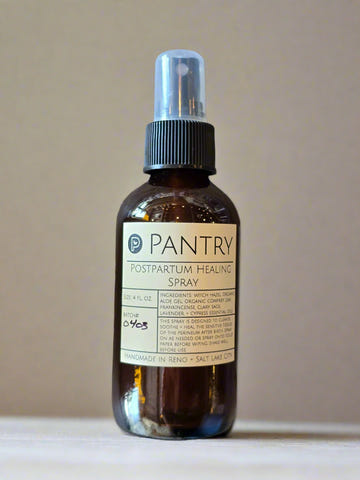
Postpartum Healing Spray - Perineum Recovery
$17.00
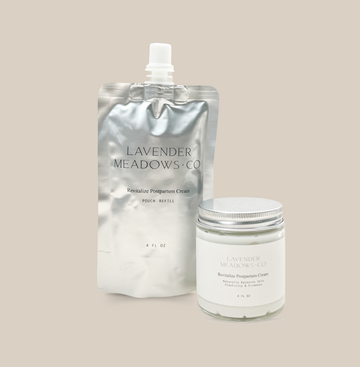
Lavender Meadows Co Revitalize Postpartum Cream Refi...
$30.00
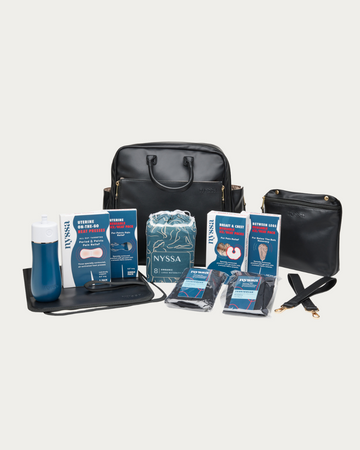
Nyssa Mother Bag + Essential Postpartum Kit Vegan Le...
$210.00
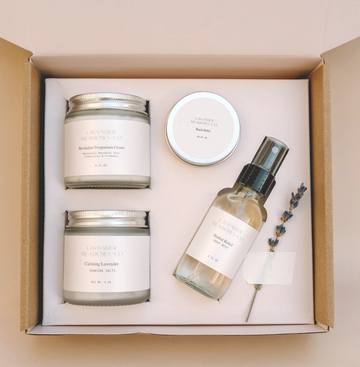
Lavender Meadows Co Postpartum Care Package organic ...
$70.00
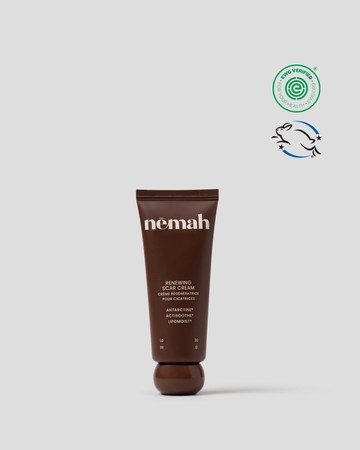
Nēmah Renewing Scar Cream for Pregnancy Breastfeedin...
$34.00
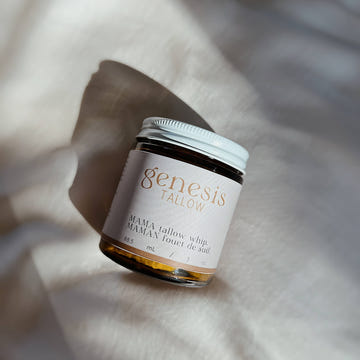
Hello Postpartum All-Natural Whipped Tallow Belly Bu...
$40.00
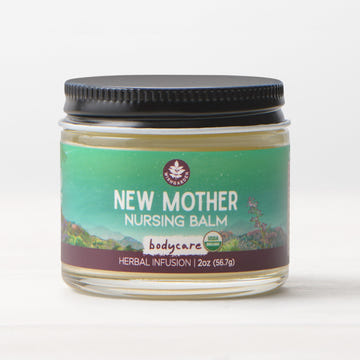
WishGarden Herbs New Mother Nursing Balm USDA Organic
$14.99