


A baby’s sensory development begins before birth and continues rapidly throughout the first years of life. Stimulating a baby’s senses helps them learn about the world, develop motor skills, and strengthen cognitive function. This guide explores how sensory development unfolds and offers expert tips for supporting your baby’s growth.
What is Sensory Development?
Sensory development refers to the process by which a baby learns to interpret and respond to sensory input from the environment. The five main senses—touch, taste, smell, sight, and hearing—are all crucial for growth and learning.

✔️ Touch: Provides comfort and helps with bonding. ✔️ Taste: Begins developing in the womb and continues as solids are introduced. ✔️ Smell: Strongly linked to memory and emotional connections. ✔️ Sight: Gradually improves over the first year. ✔️ Hearing: Fully developed at birth, though recognition of sounds improves with experience.
Gentle, screen-free favorites
Sensory play that builds little brains
Take 20% off at checkout, applied automatically when you shop through this link.
Shop with BABY20 →Free US shipping over $100. Code applies automatically at checkout.
Dr. Melissa Tan, Pediatric Neurologist: “Sensory experiences form the basis for how babies interact with the world. Early stimulation through play and interaction promotes healthy brain development.”
Picks From This Story
Picks related to this guide, ready to ship from Moogco.
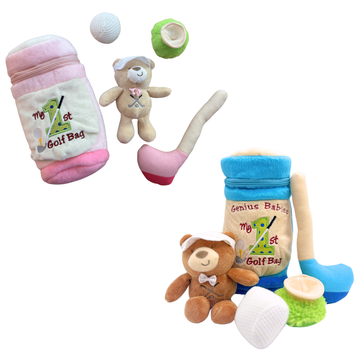
Genius Babies Toys My First Baby Golf Bag Blue or Pi...
$29.99
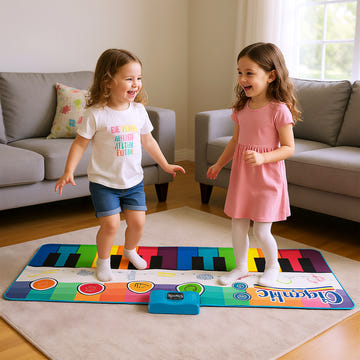
Floor Piano Dance Mat for Kids Musical Playmat with ...
$49.99
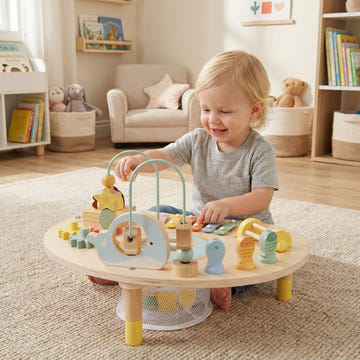
7-in-1 Toddler Activity Table Montessori Sensory Toy...
$39.99
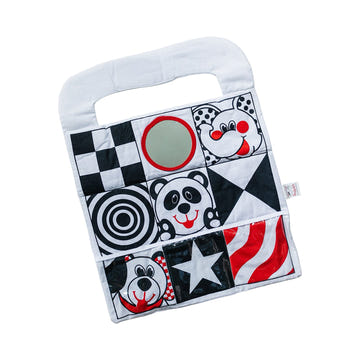
Genius Babies Toys Baby Car Activity Center Reversib...
$20.99
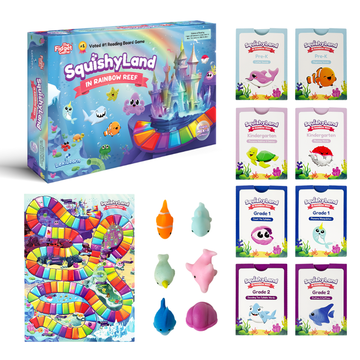
The Fidget Games Squishyland Ages 3 to 8 2 to 6 Players
$39.99
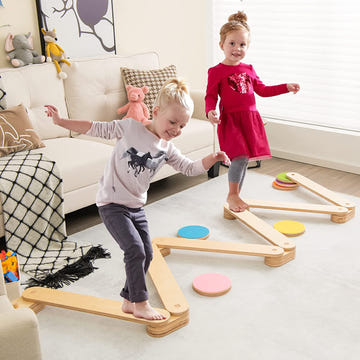
12-Piece Kids Wooden Balance Beam with Colorful Stee...
$47.99
Stages of Sensory Development
0-3 Months: Early Exploration
✅ Recognizes familiar voices, especially the mother’s. ✅ Prefers high-contrast patterns and faces. ✅ Reacts to touch, particularly skin-to-skin contact.
💡 Tip: Provide visual stimulation with black-and-white toys and spend time talking or singing to your baby.
4-6 Months: Enhanced Awareness
✅ Reaches for and grasps objects. ✅ Responds to a variety of sounds and tones. ✅ Starts to distinguish colors and track moving objects.
Dr. Rachel Kim, Pediatric Ophthalmologist: “At this stage, providing colorful toys and safe items to grasp helps develop hand-eye coordination.”
7-9 Months: Active Exploration
✅ Engages in mouthing objects to explore textures. ✅ Responds to their name and familiar words. ✅ Develops depth perception and improved vision.
💡 Encouragement: Provide toys with different textures and sounds to stimulate multiple senses at once.
10-12 Months: Enhanced Interaction
✅ Improves fine motor skills through finger-feeding. ✅ Begins to recognize familiar smells and tastes. ✅ Uses gestures and sounds to communicate.
Dr. Amanda Lopez, Pediatric Speech-Language Pathologist: “Sensory experiences are directly linked to language development. The more babies interact with their environment, the stronger their communication skills become.”
How to Support Sensory Development
✔️ Tactile Play: Allow your baby to explore various textures like soft blankets, rubber toys, and textured books. ✔️ Visual Stimulation: Introduce colorful toys, mirrors, and picture books. ✔️ Auditory Play: Talk, sing, and play gentle music to enhance hearing and language skills. ✔️ Olfactory Experiences: Introduce mild scents (like lavender) in moderation to encourage smell recognition. ✔️ Taste Exploration: Gradually introduce new flavors when starting solid foods, allowing your baby to experience various tastes.
More Related Picks
A few more favorites from the same collection.
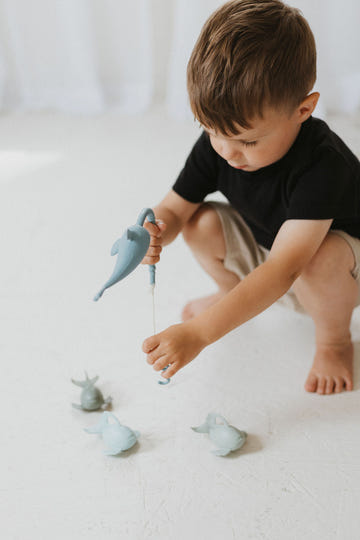
ShopMyLittleSongbird Silicone Fishing Set 3 Fish 1 N...
$15.99
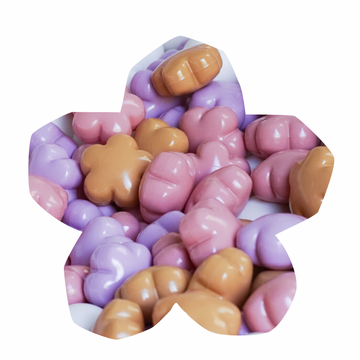
Mini Castles FLORA Ball Pit Balls 3 x 3 x 1.65 inch ...
$25.00
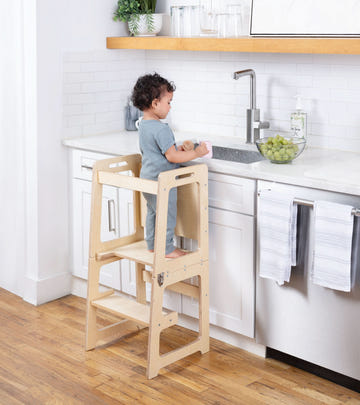
Avenlur 4-in-1 Convertible Toddler Kitchen Tower Des...
$119.00
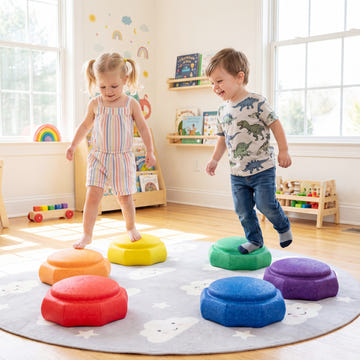
6-Piece Stepping Stones for Kids for Sensory Play an...
$45.99
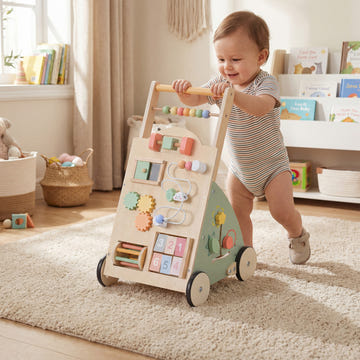
Wooden Baby Walker with Wheels and Storage Basket - ...
$52.99
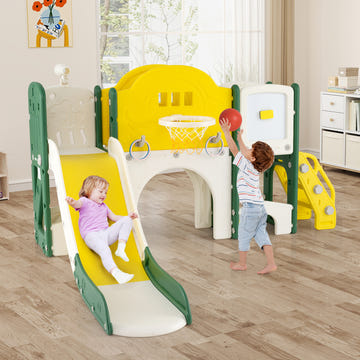
10 in 1 Toddler Slide Set Kids Slide and Climber Pla...
$145.99
The Role of Moogco Silver Nursing Cups
Breastfeeding can be a deeply sensory experience for both mother and baby. Moogco Silver Nursing Cups offer relief from nipple soreness, promoting a more comfortable and positive bonding experience.
📌 Get yours today: Moogco Silver Nursing Cups on Amazon.
Final Thoughts: Sensory Experiences Shape Growth
Stimulating your baby’s senses through everyday interactions and play helps lay the groundwork for cognitive, social, and emotional development. Encouraging exploration, while ensuring safety, is the key to supporting your baby’s sensory journey.
🛒 Find all your baby essentials at Moogco Baby.
Bring this guide home with 20% off.
Use code BABY20 for 20% off →
Frequently Asked Questions
When should I start doing sensory activities with my newborn?
You can begin sensory activities from birth. Simple activities like talking, singing, and skin-to-skin contact provide valuable sensory input. Even newborns benefit from hearing your voice and feeling your touch, which lay the foundation for all future learning and bonding.
Are there any sensory activities I should avoid in the first year?
Avoid overstimulation by limiting loud noises, flashing lights, and too many toys at once. Babies can become overwhelmed quickly. Keep activities short and watch for signs of tiredness like fussiness or looking away, which signal your baby needs a break.
How much tummy time helps with sensory development?
Tummy time is essential for developing touch, proprioception, and visual tracking skills. Start with a few minutes several times a day and gradually increase as your baby grows stronger. The varied perspective and physical engagement provide rich sensory input that supports overall development.
What are the best textures to introduce to my baby?
Safe textures include soft fabrics, smooth silicone, bumpy rubber, crinkly paper, and cool metal surfaces. Vary the materials your baby touches to build their tactile library. Always supervise texture exploration and ensure items are clean and age-appropriate with no choking hazards.
Can too much sensory stimulation be harmful?
Yes, overstimulation can make babies fussy, irritable, and unable to settle. Watch for cues like crying, arching back, or turning away, which indicate your baby needs calm time. Balance active play with quiet moments and respect your baby's individual tolerance for stimulation.
How does breastfeeding support sensory development?
Breastfeeding engages all five senses at once: touch through skin contact, taste through milk, smell of mother, sight of mother's face, and hearing her voice. This multisensory experience strengthens bonding and provides a rich foundation for emotional and cognitive growth.
What role does music play in auditory development?
Music exposes babies to rhythm, pitch, and patterns that enhance auditory processing and language skills. Singing lullabies, playing gentle music, and using simple instruments like rattles all contribute to hearing development. Live singing is particularly beneficial as it combines sound with facial expressions and emotional connection.
When will my baby start to recognize different smells?
Babies can distinguish smells from birth and recognize their mother's scent within the first week. Smell recognition becomes more refined over the first year as they encounter various scents in their environment. Introduce mild, natural scents gradually and always prioritize safety by avoiding strong fragrances or essential oils near infants.
From Moogco Studio
Printable and personalized nursery essentials. Designed by moms for moms.


About the Editor
Eda Ulger is the editor at Moogco Baby and a mom of two. She curates and edits our guides so every piece is honest, practical, and genuinely helpful for the early days of motherhood.
Shop This Story
Picks related to this guide, ready to ship from Moogco.
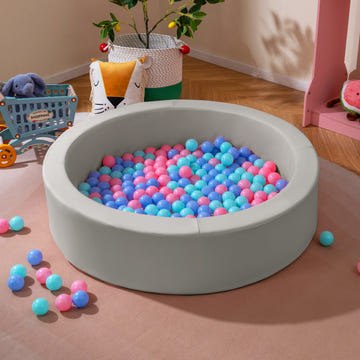
42.5 Inch Round Foam Ball Pits with 25D Sponge Filli...
$59.99
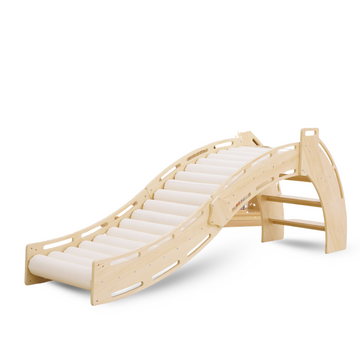
Avenlur.com Sensory Roller Slide Rocker Combo 95.5 i...
$619.00
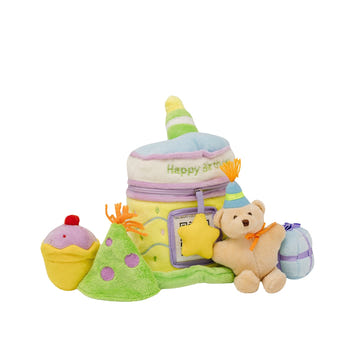
Genius Babies Toys Baby's 1st Birthday Plush Cake Pl...
$19.99
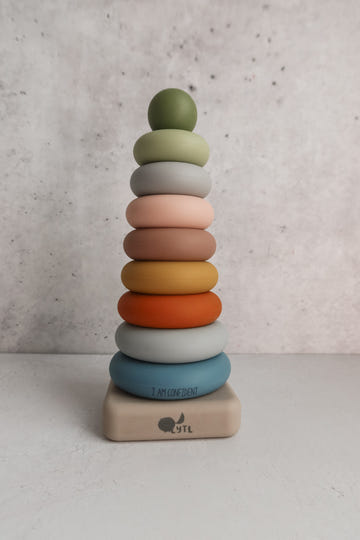
LYTL Silicone Ring Stacking Toy 10pc Food-grade BPA-...
$42.00
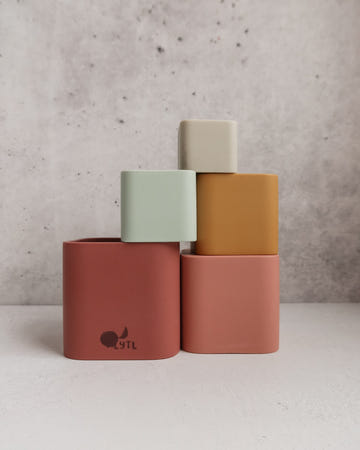
LYTL Silicone Stacking Cups Set of 5 Soft Toy Cups
$22.00

Comfy Cubs Stacking Blocks 36 Wooden Colorful Rocks
$29.99
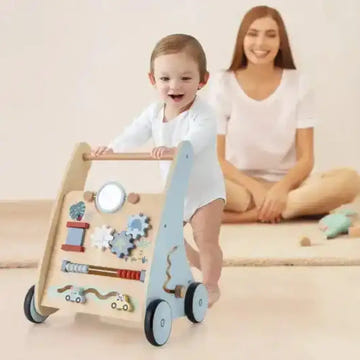
Wooden Baby Push and Pull Walker with Multi-Activity...
$39.99
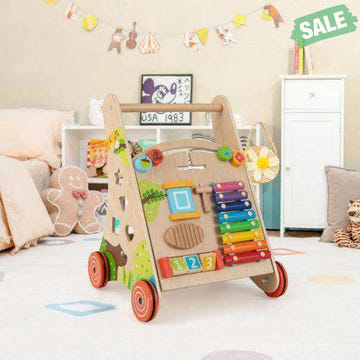
Wooden Push and Pull Baby Walker with Handle and Sto...
$29.99
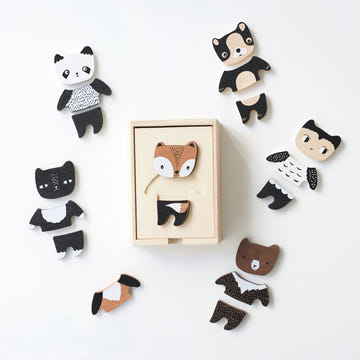
Wee Gallery Mix & Match Animal Tiles 18 Wooden Pieces
$63.95
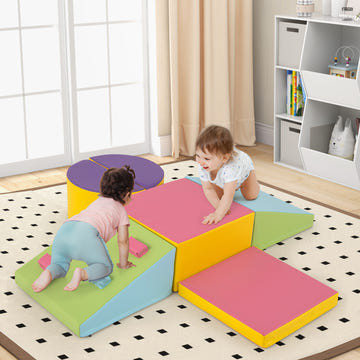
6-Piece Foam Climbing Blocks with Hook and Loop Fast...
$89.99