


Recommended Breastfeeding Timelines
Breastfeeding is a deeply personal and unique experience for every mother and baby. One of the most common questions new mothers have is how long they should expect to breastfeed. While there's no one-size-fits-all answer, understanding the factors that influence breastfeeding duration can help you set realistic expectations and prepare for this important aspect of parenting.
Health organizations like the World Health Organization (WHO) and the American Academy of Pediatrics (AAP) recommend exclusive breastfeeding for the first six months of a baby's life. During this period, breast milk provides all the necessary nutrients for healthy growth and development. After six months, it is recommended to continue breastfeeding while gradually introducing solid foods. Breast milk remains a crucial source of nutrition and antibodies, supporting the baby’s immune system as they begin to explore new foods.
Many experts encourage continued breastfeeding beyond the first year, as long as it is mutually desired by both mother and child. Breast milk continues to offer nutritional and immunological benefits during this period. Some mothers choose to breastfeed well into the toddler years. Extended breastfeeding can provide ongoing comfort and nutrition, and it is supported by health professionals as a healthy choice for both mother and child.
Factors Influencing Breastfeeding Duration
Several factors influence breastfeeding duration. A mother’s physical and emotional well-being plays a significant role in determining how long she can and wants to breastfeed. Issues like pain, stress, or medical conditions can impact breastfeeding duration. Every baby is different, and some may naturally wean earlier, while others may rely on breastfeeding for comfort and nutrition longer. Returning to work, travel, and other lifestyle factors can influence breastfeeding duration, though many mothers find ways to continue breastfeeding or pumping while balancing these commitments. Support from partners, family, and healthcare providers can significantly affect a mother’s breastfeeding journey. Encouragement and practical support can help mothers continue breastfeeding as long as they wish.
Preparing for Your Breastfeeding Journey
Preparation is key to a successful breastfeeding journey. Educating yourself about breastfeeding techniques and common challenges, attending breastfeeding classes, or consulting a lactation specialist can provide valuable insights and support. Creating a comfortable, quiet space for breastfeeding at home can make breastfeeding sessions more relaxed and enjoyable. Investing in quality breastfeeding accessories, such as a good pump, nursing bras, and pillows, can also make the experience more comfortable and convenient.
The Role of Moogco Silver Nursing Cups
Moogco silver nursing cups can be a valuable addition to your breastfeeding essentials, offering numerous benefits throughout your breastfeeding journey. Our silver nursing cups provide natural antibacterial protection, helping to prevent and heal sore, cracked nipples, which can be common in the early days of breastfeeding. The smooth surface of the cups reduces friction and irritation, providing continuous comfort and allowing you to focus on bonding with your baby. Whether you’re breastfeeding for six months or beyond, Moogco silver nursing cups can offer ongoing support, ensuring your nipples stay healthy and comfortable throughout your journey.
Conclusion
While the duration of breastfeeding is a personal decision influenced by various factors, being informed and prepared can help you navigate this important stage with confidence. Moogco silver nursing cups are here to support you, providing comfort and protection so you can focus on nurturing your baby. Embrace your breastfeeding journey, knowing you have the resources and support to make it a positive experience for both you and your child.
Bring this guide home with 25% off.
Use code READER25 for 25% off →
Frequently Asked Questions
How can I predict how long my breastfeeding journey will last?
While there's no crystal ball for breastfeeding duration, factors like your health, your baby's needs, work commitments, and support system all play a role. Most mothers find their timeline evolves naturally based on what works best for their family. Setting flexible goals rather than rigid timelines can help you adapt as your journey unfolds.

Is it normal to breastfeed beyond the first year?
Absolutely! Extended breastfeeding beyond 12 months is both normal and beneficial, offering continued nutrition, immune support, and emotional comfort for your toddler. Many health organizations support breastfeeding as long as it works for both mother and child. There's no age when breast milk suddenly loses its value.
Curated by moms, vetted by lactation pros
Picks From This Story
Picks related to this guide, ready to ship from Moogco.
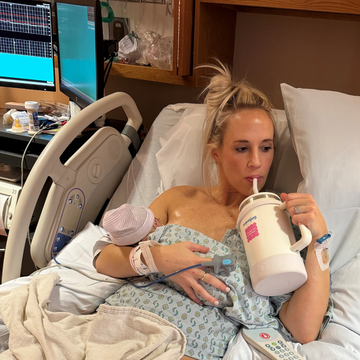
momjug breastfeeding water bottle 50oz double-wall s...
$49.99
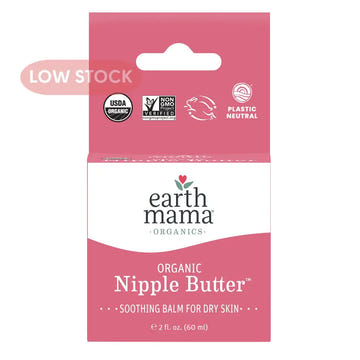
Organic Nipple Butter™ - Double-Sided for Kids
$14.99
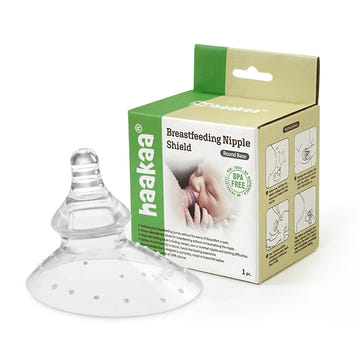
Haakaa Silicone Breastfeeding Nipple Shield Round Sh...
$19.05
Bae & Bee Boutique LactTube 5FR Pediatric Feeding Tu...
$3.00
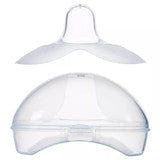
Bae & Bee Boutique Cherry Shaped Nipple Shield 21mm ...
$14.00
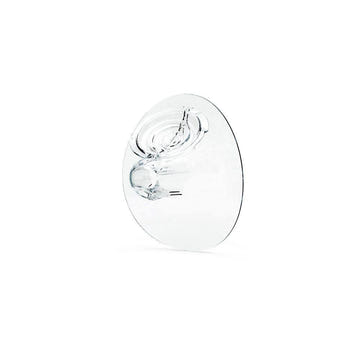
Healthy Horizons Elvie Pump Breast Shields 2 Pack 21...
$29.99
Everything for the breastfeeding journey
Take 25% off at checkout, applied automatically when you shop through this link.
Shop with READER25 →Free US shipping over $100. Code applies automatically at checkout.
What breastfeeding supplies should I invest in before my baby arrives?
Essential breastfeeding supplies include nursing bras, a quality breast pump if you plan to express milk, nipple care products like silver nursing cups, and a comfortable nursing pillow. Having a few basics on hand before delivery can make those first days much smoother. You can always add more specialized items as you discover your specific needs.
How do I know if my nipple pain is normal or needs attention?
Some tenderness during the first few days of breastfeeding is common as your body adjusts, but persistent sharp pain, cracks, or bleeding indicates something needs addressing. This often signals a latch issue or other problem that a lactation consultant can help resolve. Using protective products like silver nursing cups can help heal and prevent further damage while you work on the underlying cause.
Can I continue breastfeeding if I return to work?
Yes, many mothers successfully combine working and breastfeeding through pumping during work hours and nursing when together with baby. Planning ahead with your employer about pumping breaks and space, plus having reliable pumping equipment, makes the transition smoother. Some mothers pump exclusively during work hours while others combine pumping, nursing, and formula based on their needs.
More Related Picks
A few more favorites from the same collection.

Mila's Keeper Silicone Breast Milk Bottle 6 oz Stand...
$36.00
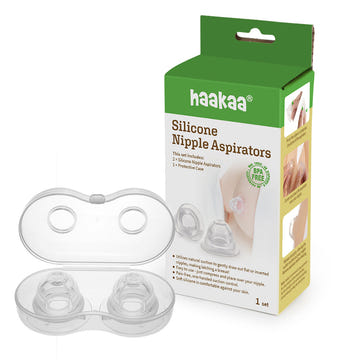
Haakaa Silicone Inverted Nipple Aspirators 2 pk
$17.99
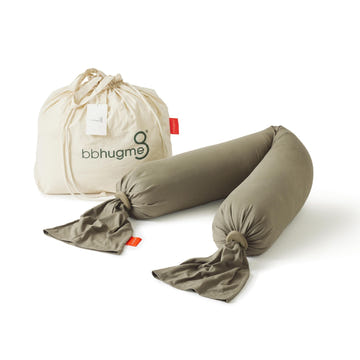
bbhugme Pregnancy Pillow Dusty Olive Adjustable Firm...
$219.00
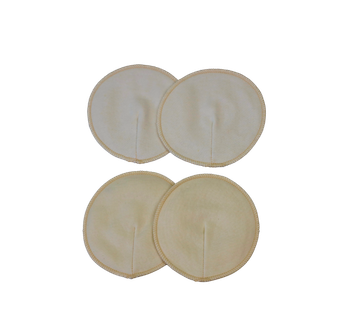
Babee Greens Contoured Nursing Pads 1 Pair Organic C...
$7.25
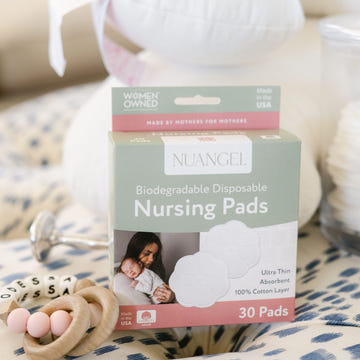
NuAngel Plant-based Disposable Nursing Pads individu...
$9.99
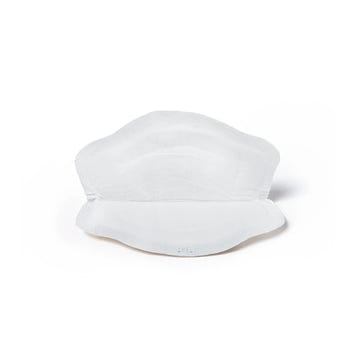
Zomee Breast Pumps Nursing Pads 100 or 200 count
$2.99
What is the best way to prepare for breastfeeding challenges before they happen?
Education is your best tool. Taking a breastfeeding class during pregnancy, connecting with a lactation consultant, and having essential supplies ready can prevent many issues. Building a support network of other breastfeeding mothers and preparing your partner or family to help with non-feeding tasks also makes a huge difference when challenges arise.
Do silver nursing cups really help with nipple healing?
Silver nursing cups offer natural antibacterial properties that can help prevent infection and promote healing of sore or cracked nipples. The smooth surface also reduces friction between nursing sessions, providing continuous protection. Many mothers find they're especially helpful during the early weeks when nipples are most vulnerable to damage.
How much does breast milk composition change after six months?
Breast milk continues to provide valuable nutrition and immune protection well beyond six months, though its composition does adapt to your growing baby's needs. After solids are introduced, breast milk still supplies important antibodies, healthy fats, and nutrients that complement their expanding diet. The immunological benefits remain significant throughout the first year and beyond.
From Moogco Studio
Printable and personalized nursery essentials. Designed by moms for moms.


About the Editor
Eda Ulger is the editor at Moogco Baby and a mom of two. She curates and edits our guides so every piece is honest, practical, and genuinely helpful for the early days of motherhood.
Shop This Story
Picks related to this guide, ready to ship from Moogco.

Holistic Lactation Advanced Lactation Formula 30 Ser...
$34.99
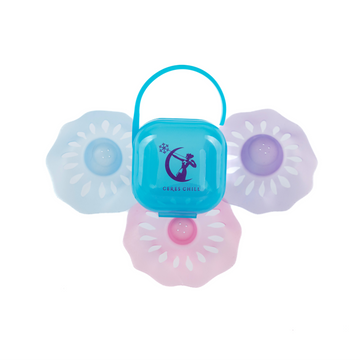
Ceres Chill Shield Maiden Nipple Shields 2pc or 3pc ...
$14.50

WishGarden Herbs Milk Rich Supply Booster pump top b...
$26.99

Wendy Anne Lounger Slip Cover Organic Cotton Waterpr...
$49.00
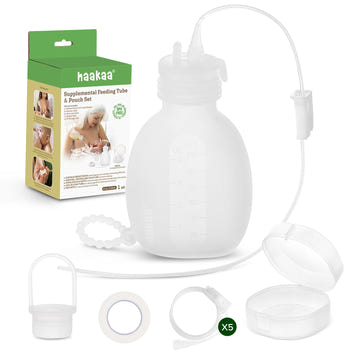
Haakaa Supplemental Feeding Tube and Pouch Set Size ...
$33.99

Milky Mama Dairy Duchess Raspberry Breastfeeding Sup...
$27.00
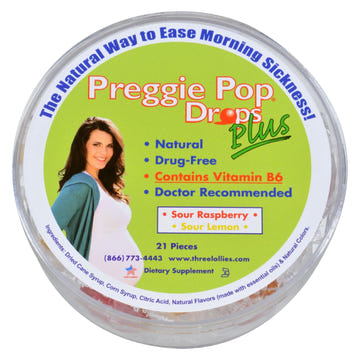
Preggie Drops Plus Morning Sickness Relief Lollies, ...
$13.75
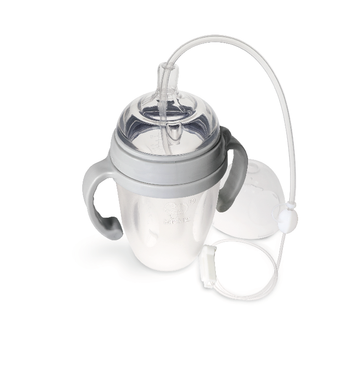
Haakaa Supplemental Feeding Combo 250ml Bottle with ...
$32.99
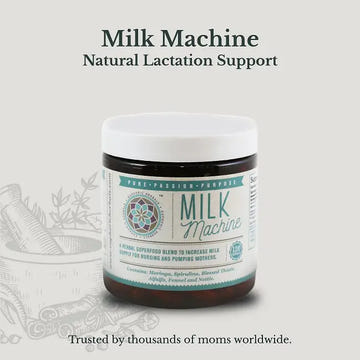
Euphoric Herbals Milk Machine lactation supplement 2...
$19.99
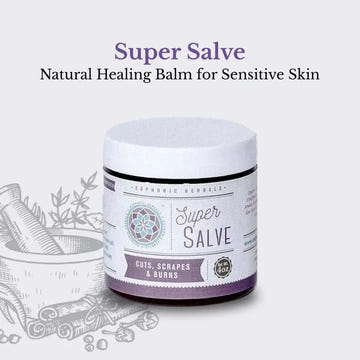
Euphoric Herbals Super Salve Nursing Salve no essent...
$10.00