


Breastfeeding is a unique and deeply personal journey that connects mothers and their babies. But like all journeys, it has an endpoint. Deciding when to stop breastfeeding is a significant decision that depends on various factors, from your baby's needs to your personal circumstances. This blog will explore how to recognize the right time to stop breastfeeding and provide guidance on making the transition smoother for both you and your child.
The Recommended Guidelines for Breastfeeding Duration
The World Health Organization (WHO) and American Academy of Pediatrics (AAP) recommend exclusive breastfeeding for the first six months of life, followed by continued breastfeeding alongside the introduction of solid foods until at least one year. After the first year, breastfeeding can continue as long as it is mutually desired by both mother and child.
Some mothers choose to breastfeed beyond one year, often referred to as extended breastfeeding. Others may decide to stop earlier due to personal preferences, health reasons, or work-related challenges. Ultimately, the duration of breastfeeding should be a decision that feels right for you and your baby.
Recognizing When Your Baby is Ready to Wean
Every baby is different, and there’s no one-size-fits-all answer to when they’re ready to wean. However, there are some common signs that may indicate it’s time to start the weaning process:
1. Reduced Interest in Nursing As babies grow older and become more curious about the world around them, they may naturally show less interest in nursing. If your baby is easily distracted during feedings or consistently refuses the breast, it could be a sign that they are ready to wean.
2. Eating More Solid Foods As your baby begins to eat more solid foods, they may rely less on breast milk for their nutritional needs. This is a normal part of development, and it’s natural for breastfeeding to gradually decrease as solid food intake increases.
3. Developmental Milestones When babies start reaching certain developmental milestones, such as walking or talking, they might become less inclined to breastfeed. This can also be a sign that they’re ready to explore other forms of nourishment.
4. Physical Readiness Sometimes, a child’s physical cues, such as refusing to latch or actively pulling away during feeding, can indicate they are ready to move on from breastfeeding.
Deciding When You Are Ready to Wean
It’s not just about your baby’s readiness—your feelings and circumstances matter too. Here are some considerations that might influence your decision to stop breastfeeding:
1. Personal Comfort and Well-Being Breastfeeding can be physically and emotionally demanding. If you’re experiencing discomfort, fatigue, or stress, it may be time to evaluate your breastfeeding journey. Stopping breastfeeding can offer you an opportunity to focus on your own health and well-being, which is just as important.
2. Returning to Work or School For many mothers, returning to work or school can make it difficult to maintain a breastfeeding schedule. While it’s possible to pump and store milk, some moms may find that weaning fits better with their lifestyle.
3. Health Reasons If health concerns—whether yours or your baby’s—make breastfeeding challenging, weaning may be a more comfortable and practical option. Always consult your healthcare provider for advice if you have concerns about health-related reasons to stop breastfeeding.
4. Planning for Another Pregnancy Some mothers choose to stop breastfeeding as they plan for another pregnancy. Although it’s possible to breastfeed during pregnancy, it can be more tiring. Deciding to wean before or during a new pregnancy is entirely up to you and should be based on what feels right for your body.
How to Stop Breastfeeding Gently
Weaning doesn’t have to be abrupt; it can be a gradual process that allows your baby to adapt slowly. Here are some tips:
1. Reduce Feedings Slowly Gradually decreasing the number of breastfeeding sessions over a period of weeks or months can help your baby adjust to the change. This also allows your body to slowly reduce milk production, which can minimize discomfort and engorgement.
2. Replace Breastfeeding with Solid Foods or Formula As you reduce breastfeeding sessions, introduce more solid foods, formula, or other types of milk (for older children) into your baby’s diet. Make sure to offer a balanced mix of nutrients to ensure they’re getting the nutrition they need.
3. Offer Comfort in Other Ways Nursing isn’t just about nutrition; it’s also about comfort and closeness. When you start weaning, be sure to provide extra cuddles, hugs, and comfort. This can help reassure your child as they adjust to a new routine.
4. Listen to Your Baby’s Needs It’s important to be patient and flexible during the weaning process. If your baby seems distressed, you may want to slow down the transition and try again later. Every baby is unique, and what works for one might not work for another.
The Role of Moogco Silver Nursing Cups
Weaning can sometimes be challenging, especially if you experience discomfort, soreness, or chafing during the transition. Moogco Silver Nursing Cups can help make this period more comfortable by providing natural relief for irritated or sore nipples. Designed with a soft, smooth surface, Moogco cups protect the skin and promote healing, allowing you to wean with less discomfort. Using them can make the journey to weaning a bit smoother, letting you focus more on bonding with your child during this time.
Picks From This Story
Picks related to this guide, ready to ship from Moogco.

momjug breastfeeding water bottle 50oz double-wall s...
$49.99
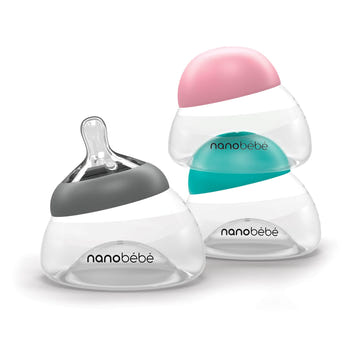
Nanobébé Breastmilk Baby Bottle 5 oz Pack Options Pi...
$16.99
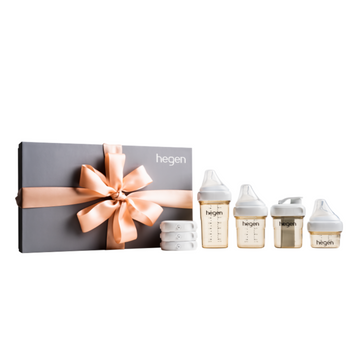
hegen PPSU Essentials Kit 60ml 150ml 240ml baby bottles
$99.99
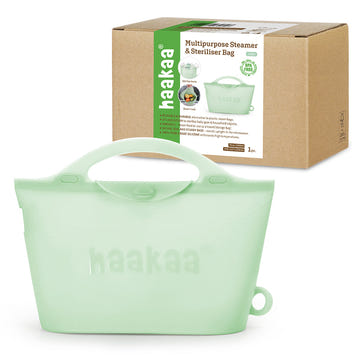
Haakaa Multipurpose Steamer & Sterilizer Bag 3 sizes...
$14.99
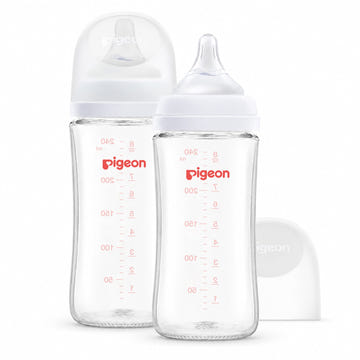
Pigeon Glass Wide Neck Baby Bottle 2-Pack 8.1 oz 3+ ...
$35.99
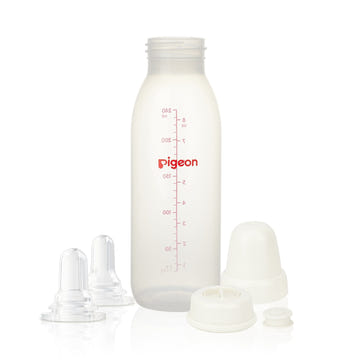
Pigeon Baby Cleft Lip/Palate Bottle 8.11 Oz 2 Nipples
$19.90
Final Thoughts on Weaning
Choosing when to stop breastfeeding is a personal decision that should be made based on your needs and your baby’s readiness. Remember, there’s no “right” time; it’s about finding what works best for you and your family. Whether you decide to wean after a few months or continue breastfeeding into toddlerhood, you’ve done an incredible job nurturing your child.
If you’re considering weaning, approach it with patience, care, and flexibility. Take your time, and remember that it’s okay to change course if things don’t go as planned. With love and understanding, the transition can be a positive experience for both you and your baby. And if you need comfort along the way, Moogco Silver Nursing Cups are here to help ease any discomfort, so you can focus on what matters most.
Bring this guide home with $15 off.
Use code MAMA15 for $15 off →
Featured pick from Moogco
The Original Silver Nursing Cups with Silicone Pads
$62.90 $74.90
Shop this pick → Frequently Asked Questions
Can I stop breastfeeding if I'm not producing enough milk?
Yes, low milk supply can be a valid reason to stop or supplement breastfeeding. Many mothers successfully transition to formula or combination feeding when supply is an issue. Talk to your healthcare provider or lactation consultant about your options, as sometimes supply can be increased with support, but weaning is always your choice to make.

Will stopping breastfeeding affect my bond with my baby?
No, your bond with your baby is built through love, care, and connection, not just through breastfeeding. You can maintain closeness through bottle feeding, cuddling, skin-to-skin contact, and responsive caregiving. Many mothers who wean find new ways to nurture their connection with their child.
Curated by moms, vetted by lactation pros
Everything for the breastfeeding journey
Take $15 off at checkout, applied automatically when you shop through this link.
Shop with MAMA15 →Free US shipping over $100. Code applies automatically at checkout.
How long does it take for breast milk to dry up after weaning?
It typically takes a few weeks to several months for milk production to fully stop after weaning, depending on how gradually you wean. Your body may continue to produce small amounts of milk for weeks or even months after your last nursing session. Gradual weaning usually results in less engorgement and a more comfortable transition for your body.
More Related Picks
A few more favorites from the same collection.
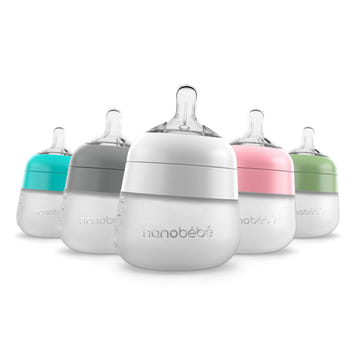
Nanobébé Flexy Silicone Baby Bottle 5oz
$16.99
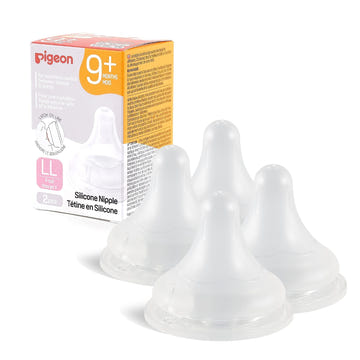
Silicone Nipple (LL), 9+ Months
$21.99

Nanobébé Silicone Anti-Colic Baby Bottle Nipples Gen...
$5.99
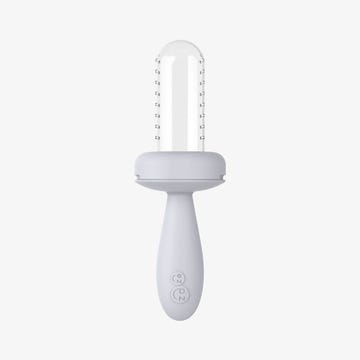
ezpz Baby-Led Gumline Feeder silicone pouch for baby...
$13.99

Pigeon PPSU Wide Neck Baby Bottle 2 Pack 5.4 oz Newborn
$34.99
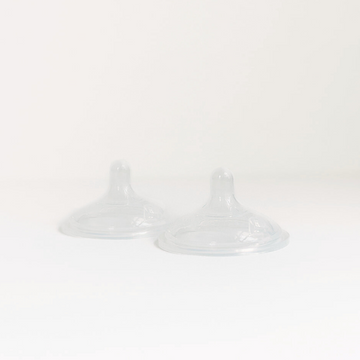
Mason Bottle Silicone Nipples 2 Pack Regular-Mouth B...
$12.99
Is it normal to feel sad or emotional when stopping breastfeeding?
Yes, it's completely normal to experience a range of emotions when weaning, including sadness, relief, or even guilt. Breastfeeding releases hormones that promote bonding and calm, so stopping can affect your mood. Be gentle with yourself during this transition and reach out for support if you're feeling overwhelmed.
Should I wean before my baby turns one year old?
There's no medical reason you must wean before one year. Health organizations recommend breastfeeding for at least the first year, but you can continue beyond that if it works for you and your baby. The decision should be based on your family's needs, not an arbitrary timeline.
Can I breastfeed just at night and wean during the day?
Yes, partial weaning is a great option for many families. You can eliminate daytime feedings while keeping bedtime or nighttime nursing sessions for comfort and connection. This approach allows you to gradually reduce breastfeeding while maintaining the closeness your baby may need at certain times.
What if my baby refuses bottle or cup after I stop breastfeeding?
Some babies need time to adjust to new feeding methods. Try different bottle nipples, sippy cups, or open cups to see what your baby prefers. Having another caregiver offer the bottle can sometimes help, as babies may refuse alternatives when mom is nearby. Be patient and keep offering, as most babies will eventually accept a new feeding method.
Do I need to pump to relieve engorgement when weaning?
You may need to express small amounts of milk for comfort if you experience engorgement during weaning, but avoid fully emptying your breasts as this signals your body to make more milk. Hand expressing or pumping just enough to relieve pressure can help. Cold compresses and supportive bras can also ease discomfort during this transition.
From Moogco Studio
Printable and personalized nursery essentials. Designed by moms for moms.


About the Editor
Eda Ulger is the editor at Moogco Baby and a mom of two. She curates and edits our guides so every piece is honest, practical, and genuinely helpful for the early days of motherhood.
Shop This Story
Picks related to this guide, ready to ship from Moogco.
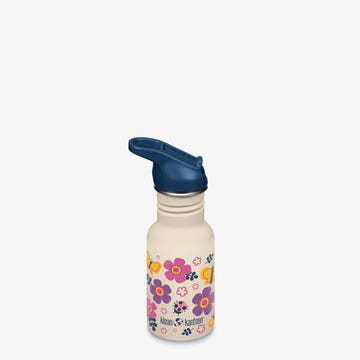
Klean Kanteen 12oz Kid's Classic Bottle Flip Seal Sp...
$17.95

better baby care Better Baby Bottle Pair Plastic-free
$45.00
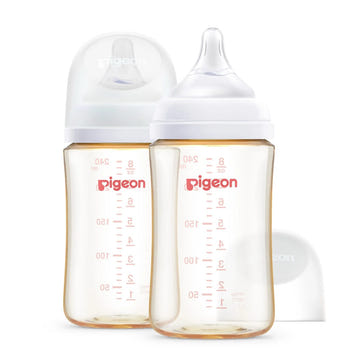
Pigeon PPSU Wide Neck Baby Bottles 2 Pack 8.1 oz 3+ ...
$35.99
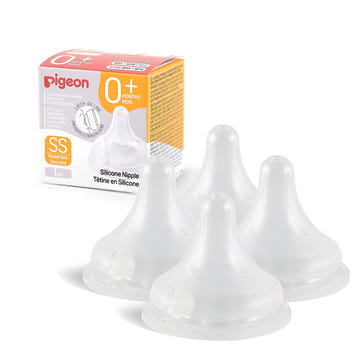
Pigeon Silicone Nipple SS 0+ Months Latch-On Line An...
$22.99

Mason Bottle Silicone Sleeve 2-Pack Fits 4 oz and 8 ...
$16.99
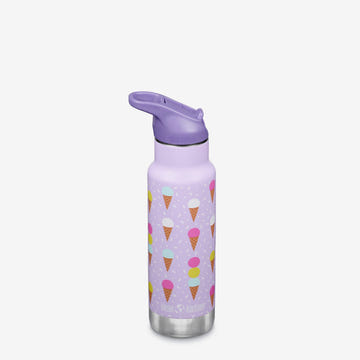
Klean Kanteen 12oz Kid's Classic Insulated Bottle Fl...
$25.95
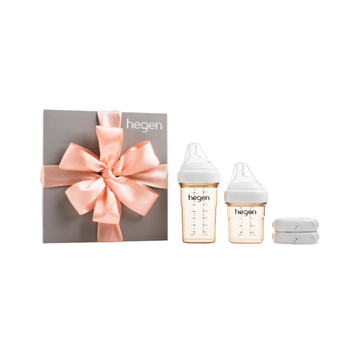
hegen PPSU Baby Bottle Starter Kit 150ml 240ml 0-6 m...
$59.99
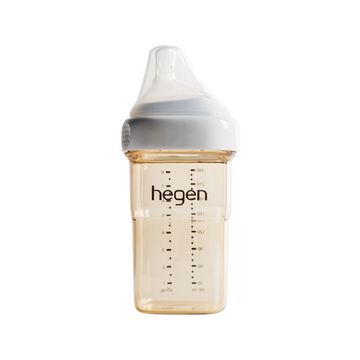
hegen PPSU Anti-Colic Baby Bottle 240ml White Medium...
$24.99
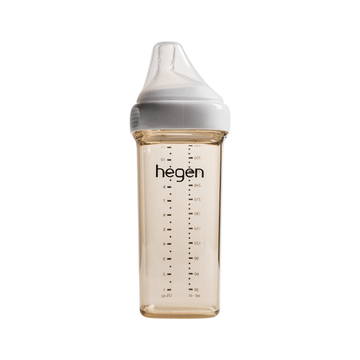
hegen PPSU Anti-Colic Baby Bottle 330ml 11oz White F...
$27.99
ezpz Baby-Led Tiny Spoons infant self-feeding spoons
$15.99