


Getting your baby’s nursery ready is easily one of the most exciting parts of the whole nine-month journey. But let's be honest, figuring out what you actually need can feel like a full-time job.
The secret? Focus on three core areas: a safe spot for sleeping, a functional station for diapering, and a cozy corner for feeding. If you start with these non-negotiables, you can create a beautiful, loving space for your little one without all the stress and clutter.
Your Essential Nursery Checklist
Bringing your baby home is a moment you'll never forget. Setting up their room is one of the first big steps in making it all feel real. With so many cute gadgets and gizmos out there, it's easy to get sidetracked. This guide is here to help you cut through the noise and focus on what truly matters for a safe, practical, and welcoming nursery.

Instead of trying to buy everything at once, we’re going to break it down. Think of it like building a house—you need a solid foundation before you start decorating. Once the core pieces are in place, you can add all those personal touches and extra comforts later. It's a much kinder approach to your budget and your peace of mind.
Curated picks for the room you'll live in
Build a calm, beautiful nursery
Take 15% off at checkout, applied automatically when you shop through this link.
Shop with HAPPYSPRING →Free US shipping over $100. Code applies automatically at checkout.
The Core Nursery Categories
A truly functional nursery is built around your baby’s most basic needs. To make things simple, we've organized all the must-haves into three logical groups to help you prioritize.
This visual guide lays out the essential components for each of these three main areas.
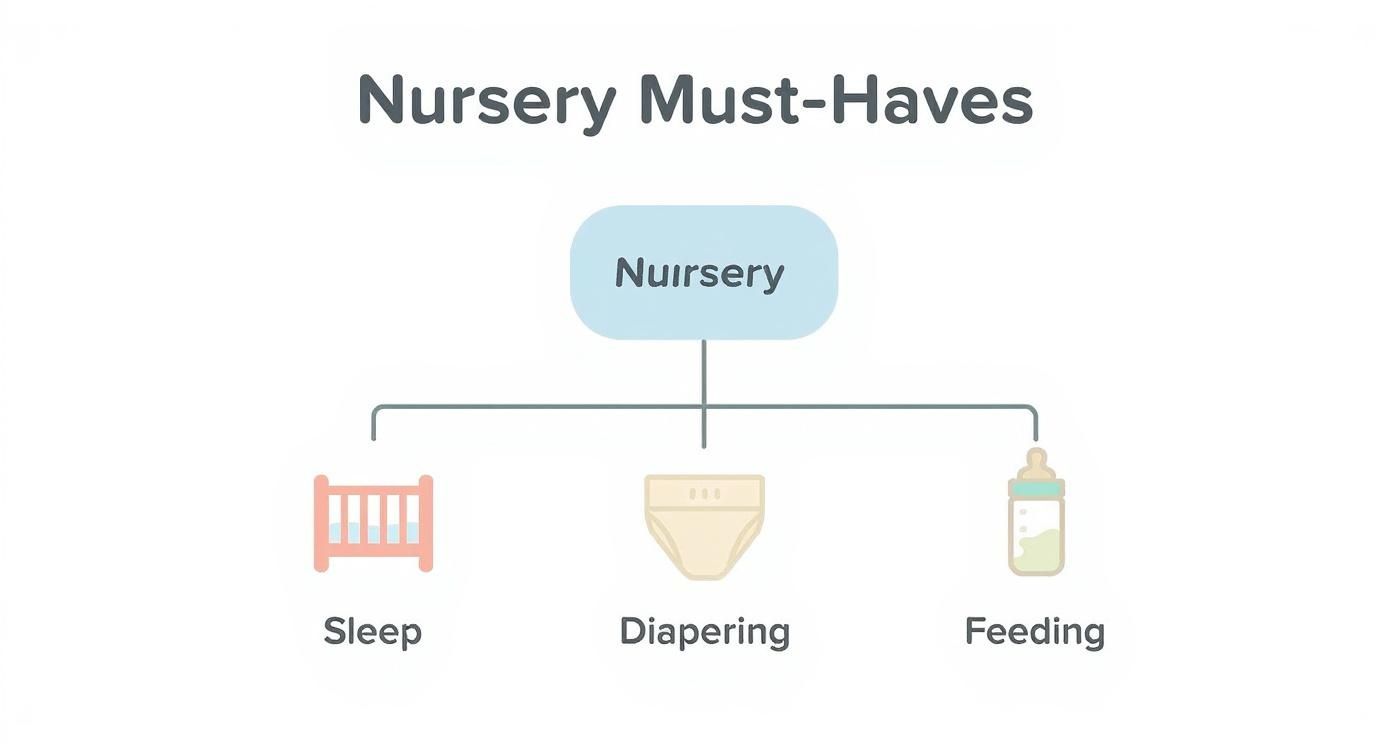
As you can see, it all comes back to making sure your baby can sleep safely, eat comfortably, and stay clean and dry. Getting these areas right from the start will make your transition into parenthood feel so much smoother.
To give you a quick overview, here's a simple table summarizing the key items you'll want to have ready.
Nursery Must Haves At a Glance
| Category | Essential Items | Key Feature |
|---|---|---|
| Sleeping | Crib, mattress, fitted sheets, swaddles | Safety-certified and designed for a secure sleep environment |
| Diapering | Changing table/pad, diapers, wipes, diaper pail | Organization and easy access for quick, clean changes |
| Feeding | Comfortable chair, nursing pillow, burp cloths | A supportive and relaxing space for bonding and nourishment |
Having these core items checked off your list means you're well-prepared for your baby's arrival.
A Mom’s Success Story
New mom Sarah was set on breastfeeding her son, Leo. But she was worried, having heard stories from friends about how painful it could be. As she set up her feeding nook with a comfy glider and nursing pillow, she stumbled upon Moogco Silver Nursing Cups.
"I started using the Moogco cups from day one, even before any discomfort began. They were incredibly soothing and easy to use between feedings. I honestly believe they are the reason I never experienced the cracking and pain that can make breastfeeding so challenging."
Sarah's story is the perfect example of how the smallest essentials can make the biggest difference. The right tools don't just offer physical relief; they give you the confidence you need to navigate those early days. Her feeding corner became a sweet spot for bonding, not a source of stress, all thanks to one simple discovery.
For more ideas on what to get, you can explore our comprehensive baby essentials checklist for a complete overview.
Creating a Safe Sleep Sanctuary
Let's talk about the absolute heart of the nursery: a safe and peaceful place for your baby to sleep. It’s easy to get swept up in the fun of picking out decor, but creating a truly secure sleep environment is, without a doubt, the most important job you have when setting up the room. This space is more than just a spot for naps; it’s where your baby will spend countless hours, making safety the undisputed number one priority.

This focus on safety isn’t just a parent’s gut instinct—it’s a massive industry. The global market for baby cribs is valued at around USD 1.86 billion and is expected to climb to USD 2.57 billion by 2032. North America actually leads the charge, making up 39.2% of that market, largely because parents here rely on the stringent safety standards that offer real peace of mind.
Choosing the Right Crib
Okay, the crib. This is the main event. Think of it as a crucial investment in your child's well-being, so it pays to know what actually makes one safe. Any new crib sold in the U.S. today has to meet strict safety guidelines from the Consumer Product Safety Commission (CPSC).
These standards mean every new crib has key safety features built right in:
- Fixed Sides: You won’t find drop-side cribs anymore. They’ve been banned from being made or sold because they simply aren't safe.
- Slat Spacing: The bars or slats must be no more than 2 3/8 inches apart. That’s about the width of a soda can, a clever trick to ensure a baby's head can't get stuck.
- Stronger Hardware: All the nuts and bolts are tested to make sure they can handle daily use without breaking down or coming loose.
When you start shopping, you’ll quickly see a few different types of cribs. Your best choice really depends on your space, budget, and how long you want to use it.
- Standard Crib: This is your classic, no-fuss option. It’s built to be a sturdy, safe crib, and that’s it. Often a super durable and reliable choice.
- Convertible Crib: A hugely popular model that grows with your child. It can transform from a crib into a toddler bed, a daybed, and sometimes even a full-size bed frame. A fantastic long-term investment.
- Mini Crib: Perfect for smaller rooms or for keeping your baby in your bedroom for the first few months. A mini crib offers all the same safety features, just in a more compact package.
No matter which style you go with, always look for the CPSC certification label and remember to register your crib with the manufacturer. That’s how you’ll get notified right away if there’s ever a safety recall.
The Foundation of Safe Sleep: Mattress and Bedding
Once you’ve picked the perfect crib, the next step is figuring out what goes inside it. The golden rule here is simple: less is always more. A safe sleep surface is firm, flat, and completely free of clutter.
The most important piece of this puzzle is the crib mattress. It needs to be very firm and fit snugly inside the crib frame. A good test is the two-finger rule: if you can fit more than two fingers between the mattress and the side of the crib, it's not a safe fit. That tight seal prevents your baby from getting trapped in any gaps.
The American Academy of Pediatrics (AAP) couldn't be clearer on this: "bare is best" for the crib. That means no pillows, no blankets, no bumpers, and no stuffed animals. As cute as they are, these items pose a serious suffocation risk.
So, what does your baby actually need to sleep safely and soundly?
- A Snug Fitted Sheet: Use only a fitted sheet made specifically for a crib mattress. It needs to pull taut around the mattress and not pop off at the corners.
- A Wearable Blanket or Swaddle: Instead of loose blankets, a swaddle is perfect for newborns, while a sleep sack (or wearable blanket) is great for older babies. They keep your little one warm and cozy without any risk of fabric covering their face.
Thinking about how to build great sleep habits from day one is a huge part of the parenting journey. For a deeper dive into this, you might find our guide on the science of baby sleep and how to support healthy sleep habits really helpful. Creating this safe little sanctuary is the first big step toward peaceful nights for everyone.
Picks From This Story
Picks related to this guide, ready to ship from Moogco.
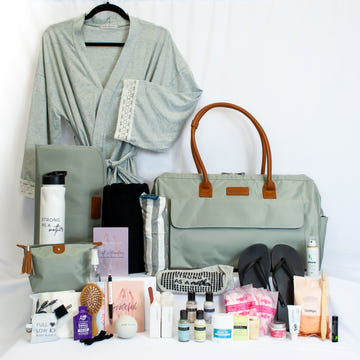
Baby Boldly Fully Prepared Birth Bag carry-on weekender
$289.00
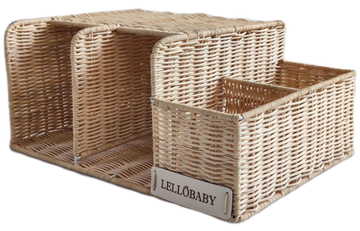
LELLOBABY Deluxe Rattan Diaper Caddy Handmade 14.25x...
$99.00
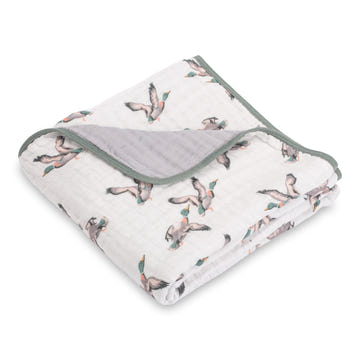
LollyBanks Quacking Up Quilt 47 x 47 inch mallard du...
$29.99
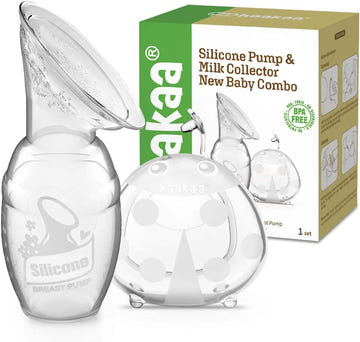
Haakaa Silicone Pump and Ladybug Milk Collector Comb...
$30.32
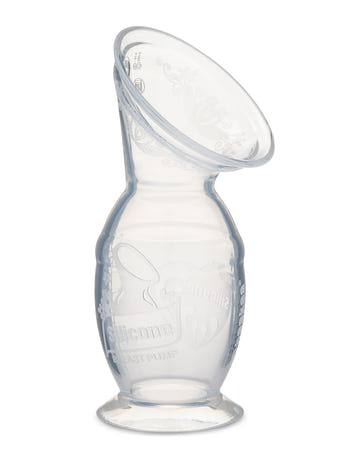
Haakaa Generation 2 Silicone Breast Pump 5 oz Suctio...
$20.99
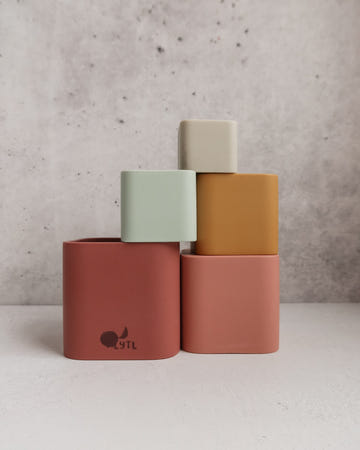
LYTL Silicone Stacking Cups Set of 5 Soft Toy Cups
$22.00
Designing a Smart Diaper Changing Station
Get ready for a mind-boggling fact of new parenthood: you are going to change literally thousands of diapers. It’s one of the most frequent jobs on your list, so creating a smart, organized changing station isn't just a nice-to-have—it's a sanity-saver. This little corner of the nursery will be your command center for everything from quick cleanups to post-bath lotion massages, so let's make it work for you.
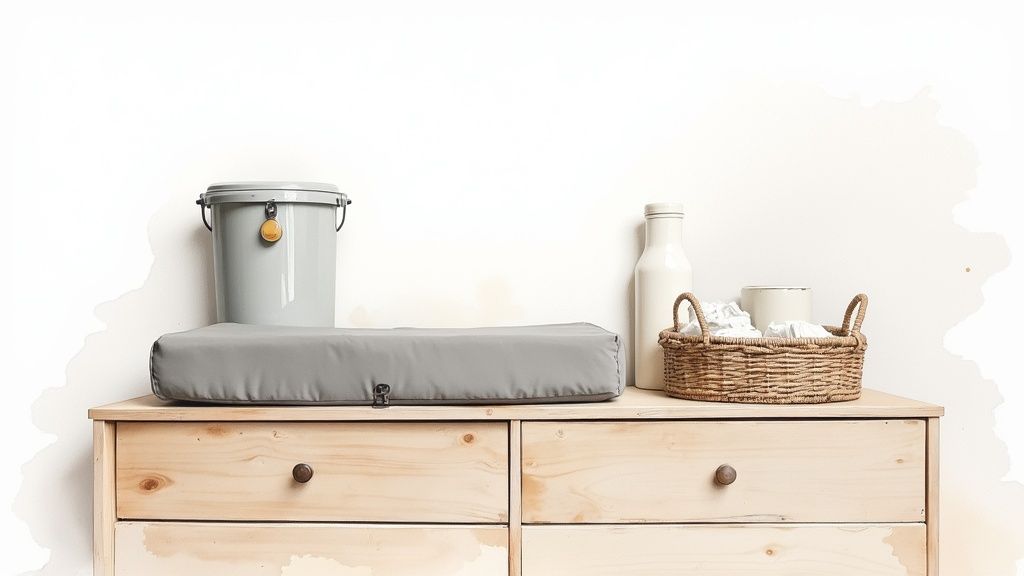
It’s no surprise that parents put a lot of thought into functional furniture. In fact, baby furniture stores have become the go-to for expecting parents, capturing a massive 38.5% of the market share. This just goes to show how much parents rely on expert advice when picking out foundational pieces like a changing station.
To Buy a Changing Table or Not
One of the first big decisions is whether to get a dedicated changing table or use a dresser. A changing table is built for the job, usually with open shelves that make grabbing supplies a breeze. But a popular and budget-friendly hack is simply securing a changing pad on top of a low, sturdy dresser.
The dresser route gives you tons of closed storage for clothes and blankets, and it’s a piece of furniture that will grow with your child long after they're potty-trained. Either way, the goal is a safe, waist-high surface that saves your back. For a deep dive into the pros and cons, check out our guide on how to choose the right changing table for your nursery.
Stocking Your Diapering Hub
Once you’ve picked your surface, it’s time to stock it. The golden rule is to have everything you could possibly need within arm's reach. You can never, ever leave a baby unattended on a changing surface—not even for a split second.
Here’s a quick list of essentials to keep close by:
- A Contoured Changing Pad: Find one with raised sides and a safety strap. Safety first!
- Diapers: Have a healthy stack of newborn or size 1 diapers ready to go.
- Wipes: A full pack, right where you can grab it.
- Diaper Cream: Keep your go-to rash cream handy.
- A Diaper Pail: A good one with a lid is your best friend for locking down odors.
- A Change of Clothes: Because blowouts are inevitable. A backup outfit nearby is a lifesaver.
Think of your changing station like a chef's mise en place. Everything has its designated spot, making it easy to grab what you need so you can work smoothly and safely, especially during those blurry 3 a.m. changes.
Genius Organization Hacks
An organized station can turn a frantic task into a calm, easy routine. You don't need anything complicated—simple tricks make a world of difference. If you're using a dresser, drawer dividers are amazing for separating diapers from creams and tiny socks.
Baskets are also your best friend. Use them on shelves or right next to the changing pad to hold diapers, wipes, and lotions. This keeps the tabletop clear and everything contained. If you're tight on space, a small rolling cart is a fantastic solution that lets you create a mobile changing station wherever you need it. A little organization goes a long way in making those thousands of diaper changes feel just a little bit easier.
Creating Your Cozy Corner for Feeding and Comfort
You're going to spend a lot of time in this little nook of the nursery. Those late-night feeds, the early-morning cuddles, and the quiet moments soothing a fussy baby—this is where so much of the magic happens. Think of it as your command center for comfort, a spot designed to make those marathon sessions feel more like cherished memories than chores.
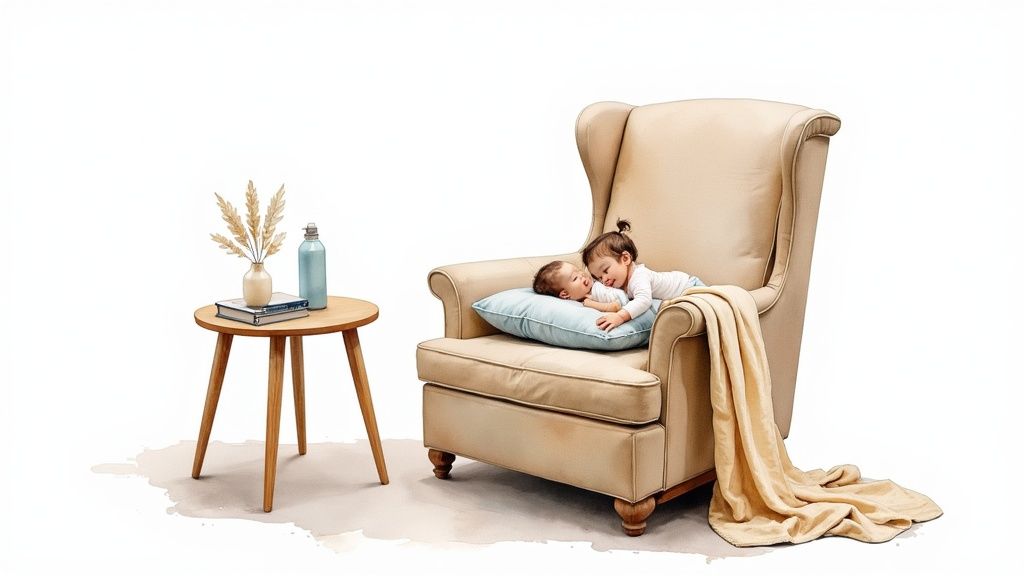
Trust me, when it's 2 a.m. and you're half-asleep, you’ll be so grateful you put some thought into making this corner a place you actually want to be. The right setup makes all the difference for both your physical and emotional well-being.
The Great Glider Versus Rocker Debate
The heart of your feeding station is, without a doubt, the chair. For most parents, it boils down to two classic options: a glider or a rocker. They both offer that gentle, sleep-inducing motion babies love, but they get there in slightly different ways.
A rocker has that traditional arched base, giving you the classic rocking motion you probably remember from your own childhood. It has a timeless, nostalgic feel.
A glider, on the other hand, moves back and forth on a smooth, fixed track. The motion is often gentler, and many models also swivel, which is a lifesaver when you need to grab a burp cloth without waking a dozing baby. If you're stuck on this decision, we've got a great breakdown of whether you need a rocking chair for the nursery that can help you decide.
No matter which you choose, look for these features:
- Durable Fabric: Spills and spit-up are part of the deal. Performance fabrics are your best friend here because they're a breeze to clean.
- Comfy Armrests: Your arms will be holding a tiny human for hours. Padded armrests at the right height are non-negotiable.
- Supportive Back: A high back that supports your head and neck will feel like pure luxury during those long, sleepy feeds.
Small Essentials That Make a Huge Difference
Now, beyond the chair, a few small but mighty accessories can turn your feeding corner from merely functional into a true haven. These are the little things that ensure everything you need is right at your fingertips.
A small side table is an absolute must. It’s the perfect landing spot for your water bottle (you will be so thirsty!), your phone, a stack of burp cloths, and maybe a book for when the baby is sleeping peacefully on your chest.
A nursing pillow is another game-changer. It helps prop your baby up to just the right height, saving your arms, shoulders, and back from serious strain. It’s such a simple tool, but it makes a world of difference for your posture and overall comfort, whether you're breastfeeding or bottle-feeding.
Think of this corner as your parenting cockpit. When everything you need is organized and within arm's reach, you can focus completely on what matters most: connecting with your little one.
A Mom’s Success Story with a Nursery Must-Have
So many new moms want to breastfeed but are also anxious about the pain they've heard about. A new mom named Sarah felt the exact same way. She lovingly set up her feeding corner with a plush glider and a soft nursing pillow, determined to create a positive experience. But she’d heard horror stories about nipple soreness and wanted to be prepared.
In her research, Sarah came across Moogco Silver Nursing Cups. She was fascinated by their natural healing properties and decided to add them to her nursery must-haves, using them preventatively right from day one.
"I was determined to breastfeed, but so scared of the pain," Sarah shared. "I started using the Moogco cups from the very first day, just tucking them in my bra between feeds. They were instantly cooling and I never, ever had the cracking or soreness my friends warned me about. They saved my breastfeeding journey, no question."
Sarah’s feeding corner became a place of peaceful bonding, not a place she dreaded. It just goes to show how a seemingly small item can have a massive impact, turning a potential challenge into a confident, comfortable, and successful experience.
Essentials for a Healthy and Soothing Atmosphere
Once you have the big furniture pieces in place, it’s time for the real magic: creating the feel of the nursery. It’s so much more than just picking a cute theme. You're crafting a healthy, soothing, and safe little world where your baby can truly thrive. This means thinking about the air they breathe, the sounds they hear, and the gentle light that helps them drift off to sleep.
These details are a huge piece of the puzzle. It's no wonder the global baby products market, which covers everything from cribs to humidifiers, was valued at USD 337.61 billion and is expected to climb to USD 504.30 billion by 2032. It just goes to show how much parents value creating a complete, cozy, and safe space for their little ones.
Keeping a Watchful Eye with a Baby Monitor
A baby monitor is your lifeline to peace of mind. Seriously. It lets you keep an eye (and ear) on your baby without constantly peeking into the room and risking waking them up. This is probably one of the most important tech decisions you’ll make for the nursery.
The options out there can feel overwhelming, so let's cut through the noise:
- Audio Monitors: The classic choice. These are simple, reliable devices that let you listen for cries or other sounds. They’re super easy to use and friendly on the wallet.
- Video Monitors: This is what most parents choose today. A video monitor adds a camera, which is incredibly reassuring. Just being able to see their little chest rise and fall can calm so many new-parent nerves.
- Smart Monitors: These high-tech options connect to an app on your phone. They often come with extra features like breathing and movement tracking, room temperature alerts, and even sleep analytics. They offer the most data, but you'll need a stable Wi-Fi connection for them to work reliably.
Think about your home’s layout and, honestly, your own personality. For some parents, a simple audio feed is plenty. For others, seeing their baby on a video screen is a non-negotiable comfort.
Creating a Calm Environment for Sleep
A baby’s sleep is precious—and fragile. A sudden noise or dry, stuffy air can wake them right up. This is where a couple of key items work together to create the perfect little cocoon for slumber.
First up, a white noise machine. This little gadget can be an absolute game-changer. It creates a consistent, soothing sound—like a gentle shush or a soft fan—that masks abrupt household noises like the doorbell or a barking dog. It’s designed to mimic the constant, muffled sounds your baby heard in the womb, making it much easier for them to fall and stay asleep.
It's a common myth that babies need total silence to sleep. The truth is, the constant, gentle hum of a white noise machine can be way more comforting and much better at promoting longer, more restful sleep.
Next, consider a cool-mist humidifier. This is a must-have, especially if you live in a dry climate or during the winter months when the heat is on. It adds a bit of moisture back into the air, which helps relieve a baby’s stuffy nose and can soothe dry, itchy skin. Keeping the air comfortable is such a simple but powerful way to support your baby’s health. For more tips, you might like our guide on keeping you and your newborn healthy and germ-free.
Lighting and Safety for Growing Explorers
Finally, let’s talk about lighting and making the room safe for when your little one starts to move. The right lighting sets a calming mood, while some basic baby-proofing ensures the nursery stays a safe haven.
For lighting, think in layers. You'll have your main overhead light, of course, but a dimmable lamp on a side table will be your best friend during those 3 a.m. feedings and diaper changes. A soft night light is also great for providing just enough of a glow to see what you're doing without startling your baby awake.
As soon as your baby is on the move, baby-proofing becomes priority number one. It’s smart to get a few things done before they even arrive:
- Anchor heavy furniture like dressers and bookshelves to the wall to prevent them from tipping over. This is a big one.
- Cover all unused electrical outlets with safety plugs.
- Secure cords from blinds or monitors so they are well out of a curious baby’s reach.
Taking these simple steps helps transform your nursery from just a room into a true sanctuary—a healthy, comforting, and safe space for all the incredible moments to come.
Here’s the rewritten section, designed to sound completely human-written and natural.
More Related Picks
A few more favorites from the same collection.
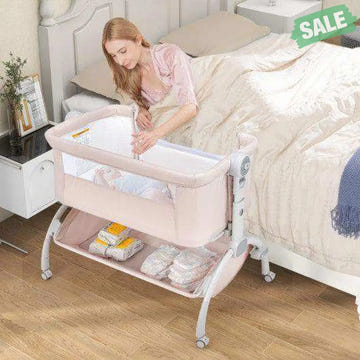
3-in-1 Baby Bassinet with Double-Lock Design and Adj...
$119.99
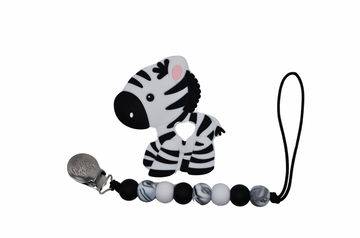
Golden Baby Zebra Teether Set Silicone Pacifier Clip...
$14.99
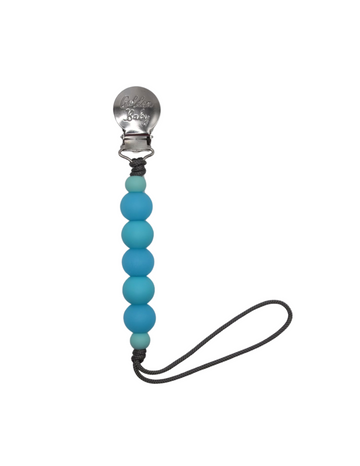
Golden Baby Glow in the Dark Pacifier Clip Blue 7-inch
$11.99
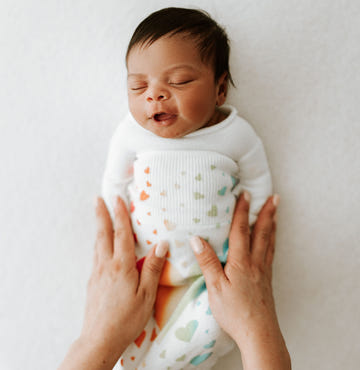
Swaddelini Rainbow Swaddle Sleep Sack Limited Editio...
$69.95
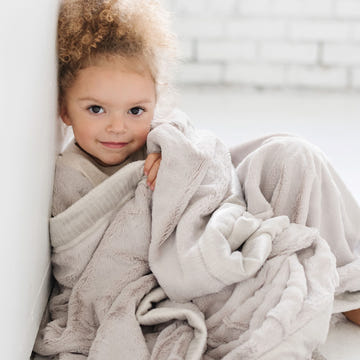
Saranoni Lush Toddler Blanket 40 x 60 soft microfiber
$85.00
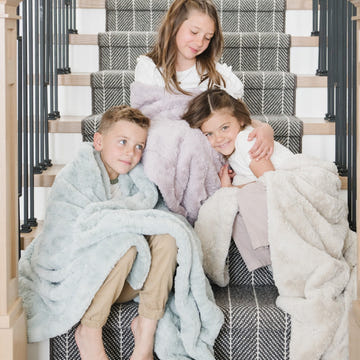
Saranoni Dream Toddler Blanket 40 x 60 Toddler Size
$85.00
What You Can Safely Skip in Your Nursery
When you start planning a nursery, it's so easy to get carried away. You walk into a store or scroll online, and suddenly you're convinced you need everything. But honestly? A lot of that adorable baby gear is more fluff than function.
Figuring out what you actually need versus what’s just a ‘nice-to-have’ will save you a ton of money and keep your nursery from turning into a cluttered storage unit. Let's talk about a few popular items you can confidently leave off your list, at least for now.
Wants vs. Needs: A Reality Check
The key is to ask yourself, "Will this really make my life easier, or does it just look cute?" Take a wipe warmer, for instance. The idea sounds cozy, but babies have been perfectly fine with room-temperature wipes for, well, forever. It's just one more thing to plug in and clutter up your changing station.
The same goes for a special bottle sanitizer. Unless your pediatrician advises otherwise for a specific health reason, good old hot, soapy water or a cycle in the dishwasher gets bottles and pump parts perfectly clean for a healthy baby.
Here are a few other things you can put on the "maybe later" or "never" list:
- Shoes for Newborns: I know, they're ridiculously cute. But a baby who can't walk has absolutely no use for hard-soled shoes. Soft booties or socks are all you need to keep those tiny toes warm without getting in the way of their wiggles.
- Fancy Crib Bedding Sets: Those big, beautiful sets with matching bumpers, quilts, and pillows might look great in a catalogue, but they're a serious safety risk. The American Academy of Pediatrics is clear: a bare crib with a snug-fitting sheet is the safest way for a baby to sleep.
- A Diaper Stacker: They seem like a great way to stay organized, but in the middle of a 3 AM diaper change, you’ll find that grabbing a diaper from a simple basket or a drawer is much, much easier.
It's not about being stingy. It’s about being smart. By skipping the non-essentials, you free up your budget for the things that truly matter—the high-quality must-haves that will keep your baby safe and comfortable.
Focus on creating a loving, functional space. That’s what your baby really needs. A little intentionality now will help you build a nursery that’s not only beautiful but also perfectly practical for the wild ride ahead.
Got Questions? We’ve Got Answers.
Setting up a nursery for the first time? It’s totally normal for your head to be spinning with questions. Let's tackle some of the most common ones we hear from parents-to-be, so you can feel confident and ready.
A big one is always about timing: when should you actually start buying everything? I always suggest aiming for your second trimester. It's the sweet spot—you’ll have plenty of time to research, catch sales, and wait for deliveries (which can take a while!) without feeling that last-minute pressure.
What Do You Really Need?
It's easy to get caught up in all the adorable nursery gear, but what's truly essential? For instance, do you absolutely need a dedicated changing table? Honestly, no! Lots of parents save space and cash by simply popping a contoured changing pad on top of a sturdy, low dresser. It works just as well.
But there's one area where you can't compromise: a safe sleep space. This is non-negotiable. Your baby’s crib needs a firm mattress with only a fitted sheet. To keep them safe and reduce the risk of suffocation, you have to skip all the loose stuff—no blankets, no bumpers, no pillows, and no toys in the crib. And always, always put your baby to sleep on their back.
A new mom, Sarah, recently told us how she was worried about breastfeeding challenges, especially nipple pain. She decided to try Moogco Silver Nursing Cups right from the start. They worked wonders, helping her avoid soreness completely and continue breastfeeding with confidence. It just goes to show that sometimes the smallest, simplest things can make the biggest impact on your journey.
Sticking to a Budget
So, how do you create that dream nursery without draining your savings? It's all about being smart with your spending.
- Focus on the Core Items: Put your money where it matters most—a safe crib, a practical changing station, and a comfy chair for all those late-night feedings.
- Play the Long Game: Look for convertible furniture that can grow with your child. A crib that turns into a toddler bed is a fantastic investment.
- Be Smart About Hand-Me-Downs: Gently used clothes or a solid wood dresser? Absolutely! But always, always buy a brand-new crib mattress for safety and hygiene reasons.
By putting safety and function first, you'll build a beautiful, nurturing space for your little one to come home to.
At Moogco Baby, we get it. We’re here to support you on this incredible journey with essentials that are safe, practical, and thoughtfully designed for you and your baby. Come see what we’ve curated for your family at https://www.moogcobaby.com.
Bring this guide home with 15% off.
Use code HAPPYSPRING for 15% off →
Frequently Asked Questions
How far apart should crib slats be to keep my baby safe?
Crib slats must be no more than 2 3/8 inches apart, which is about the width of a standard soda can. This spacing is a federal safety requirement designed to prevent your baby's head from getting stuck between the bars. Always check that any crib you buy meets current CPSC standards.
Can I use a hand-me-down crib from a friend or relative?
It depends on the age and condition of the crib. Drop-side cribs were banned in 2011, so those are a no-go. If the crib is older, it may not meet current safety standards for slat spacing, hardware strength, or paint quality. Always verify it has a CPSC certification and check for any recalls before using it.
What should my baby wear to sleep instead of blankets?
Wearable blankets, also called sleep sacks, are perfect for keeping your baby warm without the suffocation risk of loose blankets. For newborns, a swaddle can help them feel secure and sleep better. Choose a size and fabric weight that's appropriate for the room temperature to prevent overheating.
How do I know if a crib mattress fits properly?
Use the two-finger test: if you can fit more than two fingers between the edge of the mattress and the crib frame, the fit is too loose and unsafe. A properly fitted mattress should be snug on all sides with no gaps. This prevents your baby from getting trapped between the mattress and crib wall.
Are crib bumpers safe to use in the nursery?
No, crib bumpers are not recommended by the AAP and are actually banned in several states. They pose serious suffocation and strangulation risks, even the mesh ones marketed as breathable. The safest crib is one with nothing but a firm mattress and a fitted sheet.
What's the difference between a standard crib and a convertible crib?
A standard crib is designed to be used only as a crib until your child is ready for a toddler or twin bed. A convertible crib transforms as your child grows, often converting into a toddler bed, daybed, and sometimes even a full-size bed. Convertible cribs are a great long-term investment if you have the budget and want furniture that lasts for years.
When should I move my baby from a swaddle to a sleep sack?
You should stop swaddling as soon as your baby shows signs of trying to roll over, usually around 2 to 4 months old. At that point, transition to a sleep sack so their arms are free and they can safely reposition themselves. Sleep sacks can be used well into toddlerhood for warmth and comfort.
Do I need to register my crib after I buy it?
Yes, absolutely! Registering your crib with the manufacturer ensures you'll be notified immediately if there's ever a safety recall. Most brands make this easy with a card included in the box or a quick online form. It takes just a minute and gives you valuable peace of mind.
From Moogco Studio
Printable and personalized nursery essentials. Designed by moms for moms.


Doing the walls?
Paint is a commitment, and most of us are working around a lease or a mind that is not made up yet. These are the removable options, sized to your wall.
About the Editor
Eda Ulger is the editor at Moogco Baby and a mom of two. She curates and edits our guides so every piece is honest, practical, and genuinely helpful for the early days of motherhood.
Shop This Story
Picks related to this guide, ready to ship from Moogco.
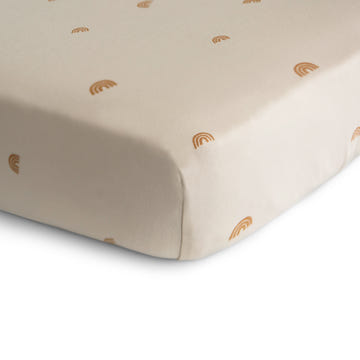
Mushie Stretchy MINI Crib Sheet Organic Cotton Pre-w...
$21.00
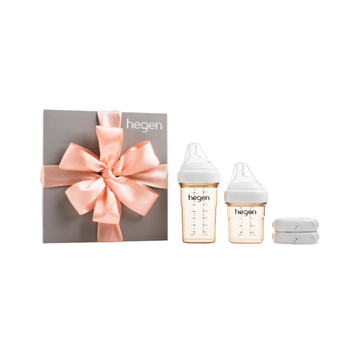
hegen PPSU Baby Bottle Starter Kit 150ml 240ml 0-6 m...
$59.99
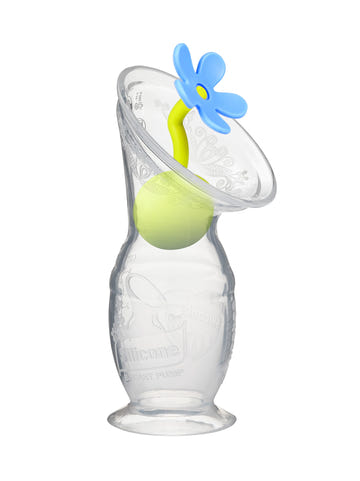
Haakaa Gen 2 Silicone Breast Pump 4 oz with Suction ...
$26.99
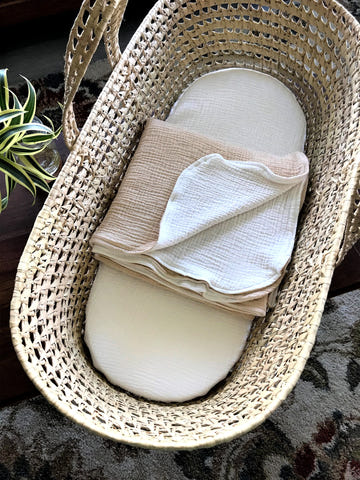
Wendy Anne Moses Basket with Organic Cotton Double G...
$299.00
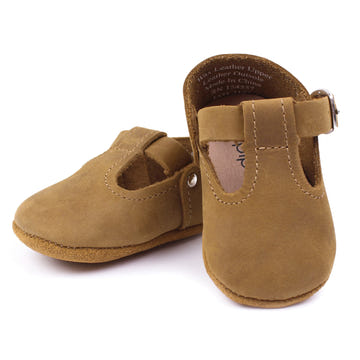
Piper finn Brown T-Strap Mary Jane Soft Sole
$21.99
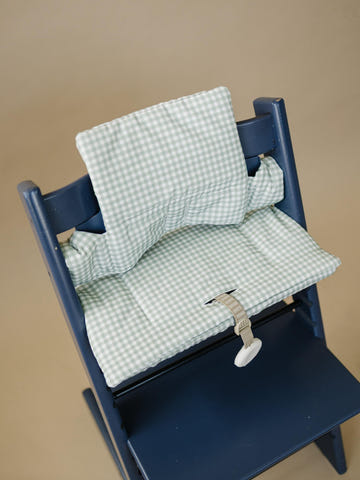
Little Joy Co Sage Green Gingham Cushion for Stokke ...
$37.00
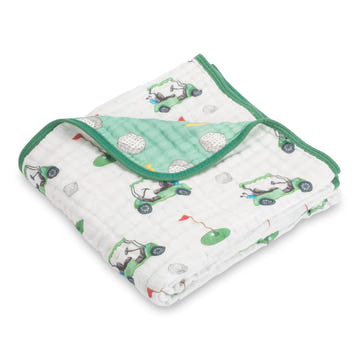
LollyBanks Golf A Round Quilt 47 x 47 inch Organic M...
$29.99
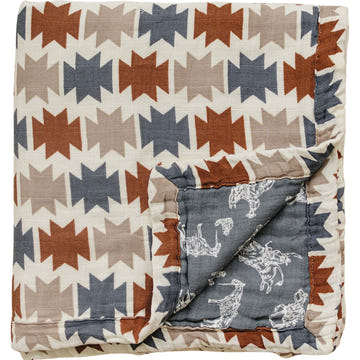
Mebie Baby Western Aztec Wild West Muslin Quilt 47x4...
$50.00
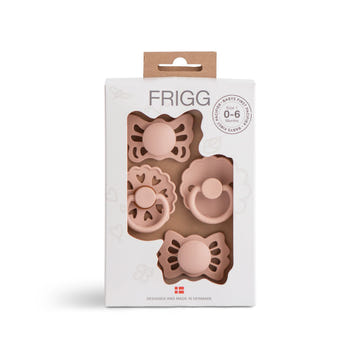
Mushie FRIGG Baby's First Pacifier Floral Heart Blus...
$19.99
Mushie Ribbed Baby Blanket organic cotton lightweight
$24.99