


Pregnancy brings about a host of changes in a woman's body, and among the most noticeable are those that occur in the breasts. These changes are not only a natural part of the journey toward motherhood but also essential in preparing the body for breastfeeding. Understanding these changes can help expectant mothers feel more comfortable and confident as their bodies transform. In this blog, we'll explore the various breast changes during pregnancy, why they occur, and how to care for your breasts during this time. Additionally, we'll introduce Moogco silver nursing cups, which can be beneficial for managing some of the discomforts associated with these changes.
Common Breast Changes During Pregnancy
1.Tenderness and Sensitivity: One of the earliest signs of pregnancy is increased breast tenderness and sensitivity. This is due to rising levels of hormones like estrogen and progesterone, which prepare the breasts for milk production.
2.Growth and Enlargement: As pregnancy progresses, the breasts may grow significantly, sometimes by several cup sizes. This growth is due to the expansion of milk ducts and the accumulation of fat, both of which are essential for breastfeeding.
3.Darkening of the Areolas: The areolas, or the area around the nipples, often darken and increase in diameter. This change is believed to help newborns locate the nipple for breastfeeding.
4.Visible Veins: Increased blood flow to the breasts can make veins more prominent. This change is normal and part of the body's preparation for nursing.
5.Montgomery’s Tubercles: Small, raised bumps on the areolas, known as Montgomery’s tubercles, become more noticeable. These glands secrete an oily substance that helps to keep the nipples supple and prevents infection.
6.Leaking Colostrum: As early as the second trimester, some women may notice a yellowish fluid, known as colostrum, leaking from their nipples. Colostrum is the first milk that the breasts produce and is rich in antibodies to protect the newborn.
Caring for Your Breasts During Pregnancy
1.Wear a Supportive Bra: As your breasts grow, a well-fitted, supportive bra can provide much-needed comfort and prevent back strain. Maternity bras, which are designed to accommodate breast changes, can be particularly helpful.
2.Moisturize Regularly: To prevent itching and stretch marks caused by the stretching skin, use a good moisturizer on your breasts and around the areolas.
3.Stay Hydrated: Drinking plenty of water helps maintain skin elasticity and overall breast health.
4.Practice Gentle Hygiene: Wash your breasts with warm water and avoid harsh soaps that can dry out the skin. This is especially important as your breasts become more sensitive.
5.Monitor for Any Unusual Changes: While breast changes during pregnancy are typically normal, keep an eye out for any lumps or unusual changes, and consult your healthcare provider if you have any concerns.
The Role of Moogco Silver Nursing Cups
Moogco silver nursing cups can be a valuable asset for pregnant women, especially those experiencing discomfort or planning to breastfeed. Here’s how they can help:
1.Soothing Tenderness: The natural cooling effect of silver can provide relief for tender, sensitive breasts, offering a soothing touch when you need it most.
2.Healing and Protection: If you experience cracked or sore nipples, especially later in pregnancy when colostrum leakage may occur, Moogco silver nursing cups can help promote healing with their antibacterial properties.
3.Ease of Use: These cups are easy to use and can be worn discreetly under your bra, providing continuous protection and comfort.
In conclusion, the changes in your breasts during pregnancy are a normal and essential part of preparing your body for the arrival of your baby. By understanding and caring for your breasts during this time, you can ensure greater comfort and readiness for breastfeeding. Moogco silver nursing cups offer a practical solution to support you through these changes, helping you embrace this transformative journey with confidence and ease.

Featured pick from Moogco
MOOGCO Silver Nursing Cups 999k Silver - BPA-Free for Babies & Toddlers
$46.90 $52.90
Shop this pick → Bring this guide home with 20% off.
Use code BABY20 for 20% off →Frequently Asked Questions
When do breast changes typically start during pregnancy?
Breast changes often begin as early as one to two weeks after conception, making them one of the earliest signs of pregnancy. You may notice tenderness, tingling, or swelling before you even miss your period. These changes continue throughout pregnancy as your body prepares for breastfeeding.

Is it normal for one breast to grow larger than the other during pregnancy?
Yes, it's completely normal for breasts to grow at slightly different rates during pregnancy. Most women naturally have some degree of breast asymmetry, and this can become more noticeable as your breasts enlarge. If you're concerned about significant differences or sudden changes, consult your healthcare provider for reassurance.
Bumps, postpartum, and back again
Picks From This Story
Picks related to this guide, ready to ship from Moogco.

PinkBlush Beige Raw Edge Bell Sleeve Babydoll Matern...
$57.00
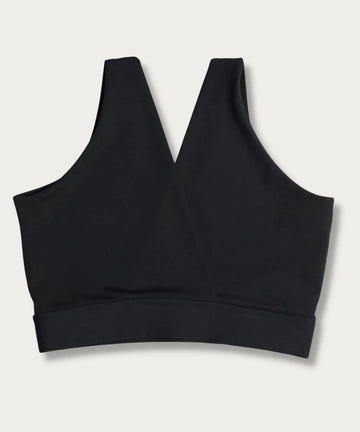
Nyssa FourthWear Postpartum Bralette Nursing and Pum...
$39.00
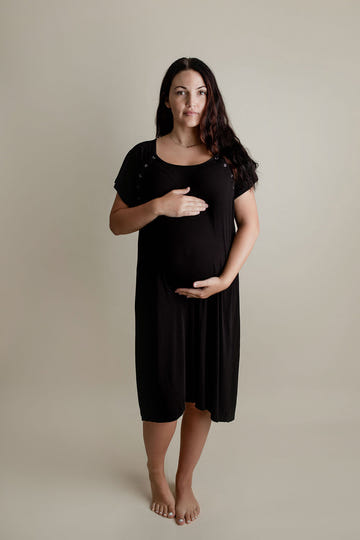
Ribbed Black Labor and Delivery Nursing Hospital Gown
$32.00

A Newborn Nest Mommy Robe Sunday Picnic Dusty Blue S...
$89.00

Little Joy Co Unisex Bamboo Tee 260gsm S-XXL Neutral...
$10.00

The Spoiled Mama No Slip Maternity Socks grip soles ...
$7.00
Maternity and nursing wear that actually fits
Take 20% off at checkout, applied automatically when you shop through this link.
Shop with BABY20 →Free US shipping over $100. Code applies automatically at checkout.
Can I prevent stretch marks on my breasts during pregnancy?
While you can't completely prevent stretch marks since they're partly determined by genetics and skin elasticity, you can minimize their appearance. Keep your skin well-moisturized with a quality lotion or oil, stay hydrated, and wear a supportive bra to reduce strain on the skin. Remember that stretch marks often fade significantly after pregnancy.
Should I be worried if my breasts don't leak colostrum during pregnancy?
Not at all! While some women begin leaking colostrum in the second or third trimester, many don't leak at all during pregnancy and still breastfeed successfully. The absence of leaking doesn't mean your body isn't producing colostrum or that you'll have trouble breastfeeding. Every pregnancy is different, and both experiences are perfectly normal.
How do I choose the right maternity bra size when my breasts keep changing?
It's best to get measured for a maternity bra in your second trimester when growth starts to stabilize, then reassess in your third trimester. Look for bras with adjustable straps and multiple hook closures to accommodate ongoing changes. Consider buying bras that are one cup size larger than your current size to allow for continued growth and postpartum changes.
More Related Picks
A few more favorites from the same collection.
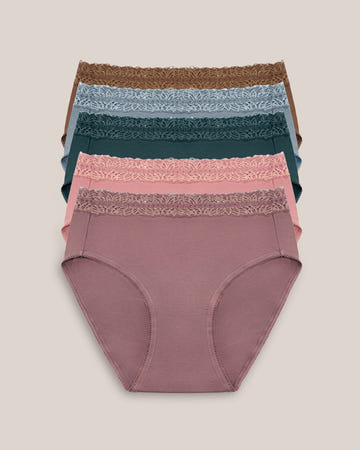
Kindred Bravely High-Waisted Postpartum Underwear Pa...
$36.90
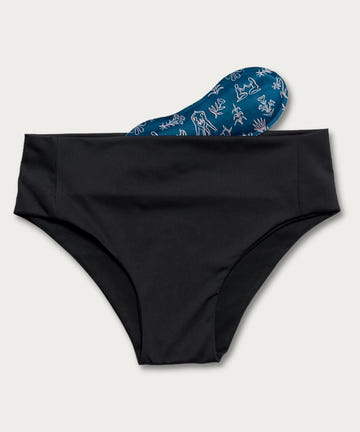
Nyssa VieWear Period Comfort Underwear with Heat Ice...
$39.00
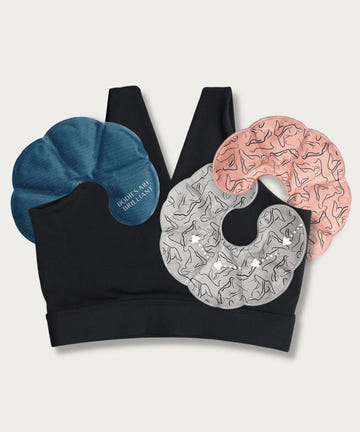
Nyssa FourthWear Postpartum Bralette and Breast Ice ...
$56.00
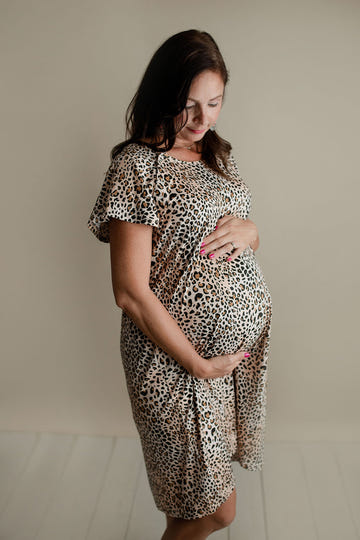
Leopard Print Labor & Delivery Nursing Hospital Gown
$35.00
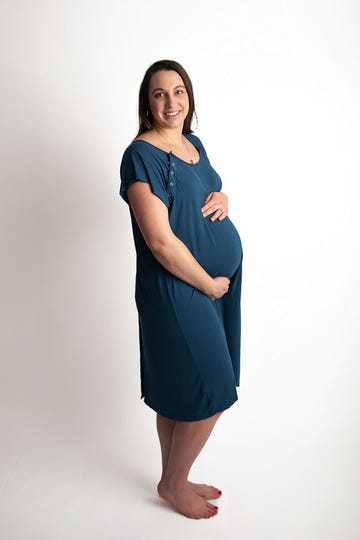
Navy Blue Mommy Labor and Delivery Nursing Hospital ...
$32.00
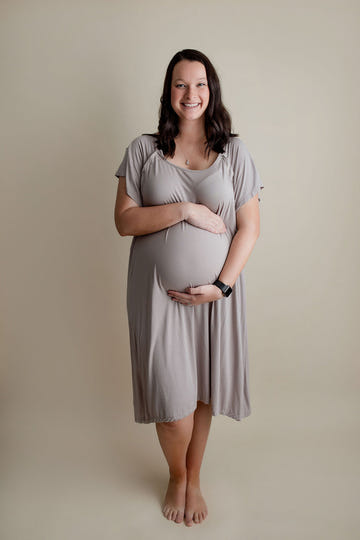
Harbor Mist Labor and Delivery Nursing Hospital Gown
$32.00
Can breast changes during pregnancy indicate whether I'll have a good milk supply?
The amount of breast changes you experience during pregnancy is not a reliable predictor of milk supply. Some women have minimal changes and produce plenty of milk, while others experience dramatic changes. Your body's ability to produce milk depends on many factors that become clear after your baby is born and breastfeeding is established.
Is breast pain during pregnancy something I should mention to my doctor?
Tenderness and mild discomfort are normal, but sharp, persistent, or severe pain should be discussed with your healthcare provider. Also mention any lumps, redness, warmth, or unusual discharge. While most breast changes are completely normal, it's always better to have concerning symptoms evaluated for peace of mind.
How can I sleep comfortably when my breasts are tender and enlarged?
Try sleeping on your side with a pillow tucked under your breasts for support, or consider wearing a soft, supportive sleep bra without underwires. Some women find relief by placing a cool compress on their breasts before bed. Experiment with different pillow arrangements, including a pregnancy pillow, to find what works best for your changing body.
From Moogco Studio
Printable and personalized nursery essentials. Designed by moms for moms.


About the Editor
Eda Ulger is the editor at Moogco Baby and a mom of two. She curates and edits our guides so every piece is honest, practical, and genuinely helpful for the early days of motherhood.
Shop This Story
Picks related to this guide, ready to ship from Moogco.
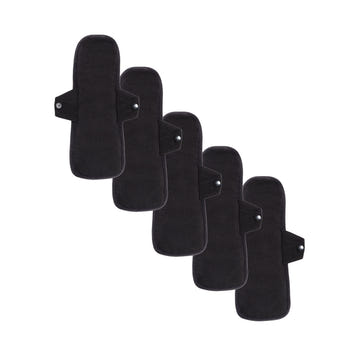
The Period Company Reusable Pantyliner 5 Piece Bundl...
$20.00
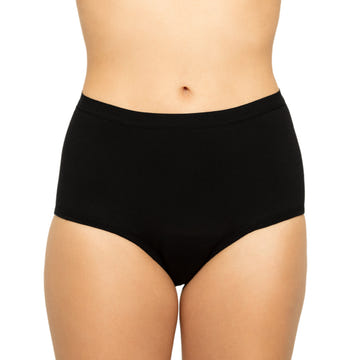
The Period Company High Waisted Period Underwear Org...
$14.00
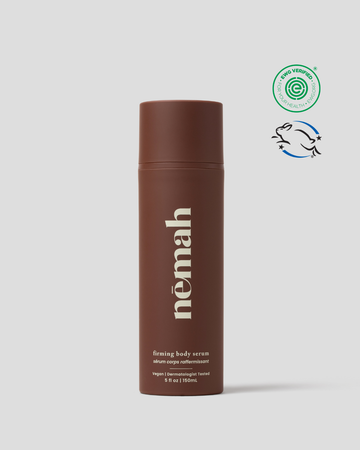
Nēmah Firming Body Serum Oat Ashwagandha Coconut
$48.00
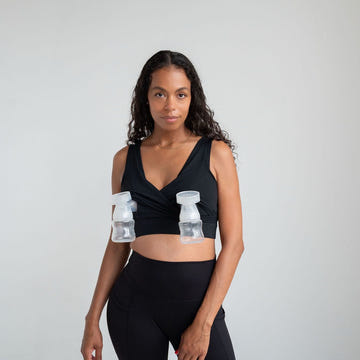
Love and Fit Everyday Luxe 3.0 Nursing Hands-Free Pu...
$51.00

Love and Fit Strappy Back 2.0 Nursing Sports Bra Low...
$39.00
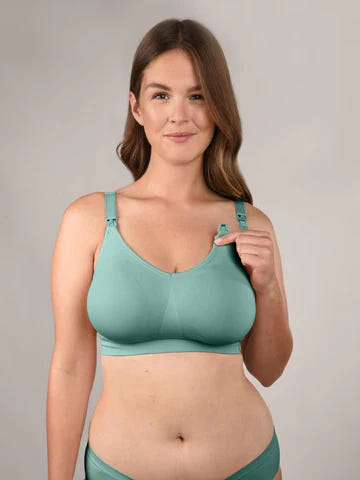
Bae & Bee Boutique Body Silk Seamless Nursing Bra mo...
$25.00
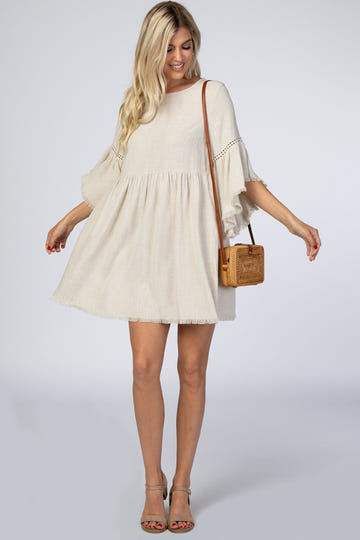
PinkBlush Beige Raw Edge Bell Sleeve Babydoll Dress
$57.00

Kindred Bravely Sublime Bamboo Hands-Free Pumping Lo...
$39.99
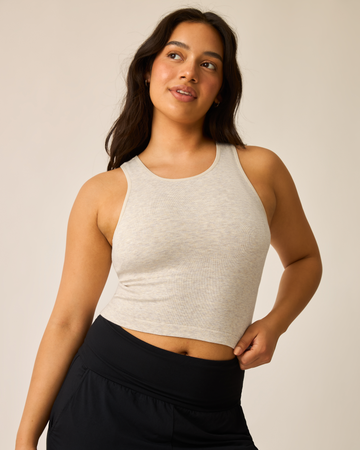
Sublime® Bamboo Hands-Free Pumping Longline Bra Top ...
$39.99

Kindred Bravely Stevie Active Racerback Nursing Dres...
$44.99